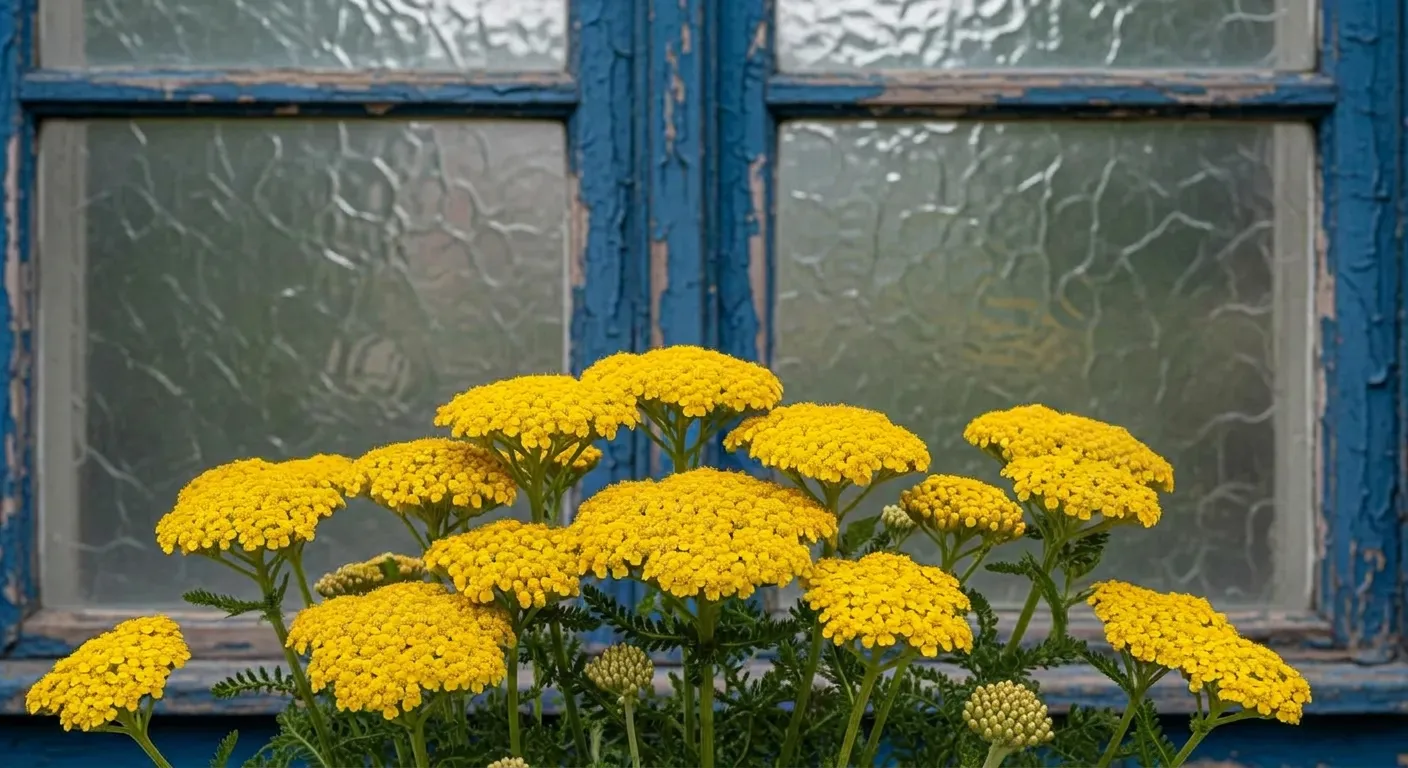
Yarrow is a flowering herbaceous perennial that is easy to care for and maintain. They do not need much attention once they establish themselves. These plants, when matured, stand about 2 feet tall and wide and bloom in shades of pink, red, yellow, and white. They grow in clusters that look great when planted along the borders or beds.
But when planted with other plants and ornamental grasses, they look like a soft, natural meadow full of colors and textures. However, not just any plants do well with yarrow. A companion plant needs to have similar characteristics and water, nutrients, and soil needs so that they don’t compete or struggle to grow and thrive.
Knowing what to place next to or in between the yarrow helps protect the plant from disease, so this blog explores some beautiful options that you can plant with yarrow.
How to Grow and Care for Yarrow?
Yarrow is a hardy plant that can withstand various growing conditions. However, it is susceptible to powdery mildew in humid conditions. So, ensure to plant it in a location with good air circulation and proper sunlight, and do not water from the top.
Planting Yarrow
As discussed, yarrow needs full, bright sun and well-drained soil, and they are easy to grow. The best part is that it is low-maintenance. Here’s a brief guide on how to grow yarrow -
-
The first thing to do is to find a spot where it can receive proper sunlight (for at least 6 hours a day), and the soil should be well-drained. Though it can tolerate a bit of shade, excessive shade can cause it to wilt and become leggy.
-
The soil should be slightly alkaline (pH 6.0 - 8.0) and rich in organic matter. If the soil is too acidic, consider adding lime, as it helps raise the pH of the soil.
-
Do not forget to assess drainage; if the soil is poorly drained, consider adding compost, sand, or perlite to improve it and create a more aerated soil.
-
Once the soil is prepared, you can sow the yarrow seeds. Keep in mind to sow the seeds in spring or fall, and do not cover them with too much soil. If you are using transplants, space them about 12-24 inches apart, depending on the yarrow variety.
Care Tips for Yarrow
- Keep the plant watered after planting. However, make sure that you do not overwater them.
- Mulching is also important, as it helps retain moisture and keep weeds at bay. It also helps maintain soil temperature.
- Pruning is not required for yarrow, but you can cut off the dead flowers so that new flowers come out. This also prevents the plant from becoming weak and fragile.
Why Pair Companion Plants With Yarrow?
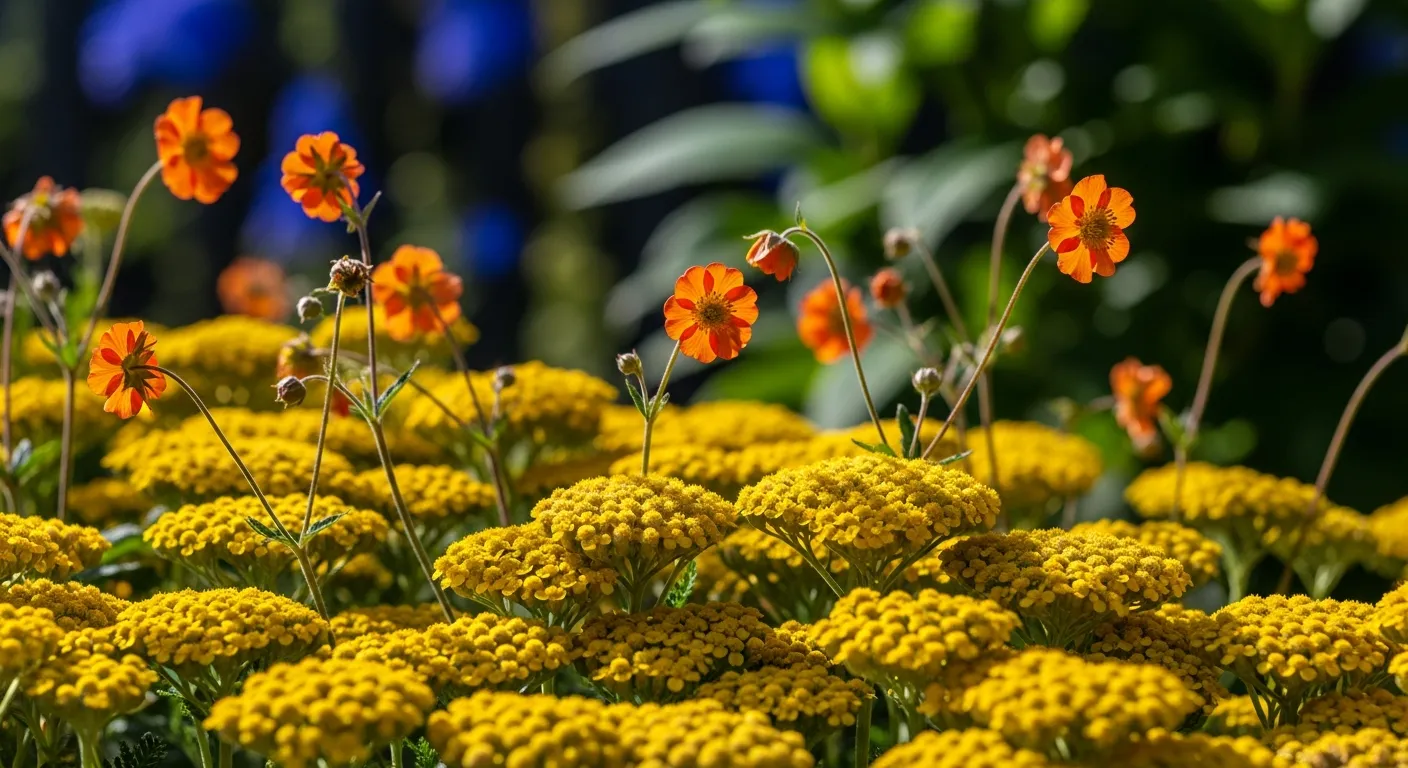
Here’s why you should incorporate companion plants with yarrow -
Attracts Pollinators
Yarrow attracts beneficial insects and pollinators to the garden, such as bees and butterflies. These insects spread pollen, which helps flowers and vegetables grow.
Help Improve the Soil Quality
Yarrow has deep roots that help break up compacted soil. This improves the air and water flow, which ultimately enhances the quality of the soil. It pulls up nutrients from deep within the soil, making the soil richer and benefiting nearby plants and improving the health of the garden.
Controls Pest
Yarrow has a strong smell that repels unwanted pests and other harmful insects. It can deter pests such as aphids, certain beetles, and other soft-bodied pests that can destroy nearby plants.
Help Other Plants Grow
Yarrow helps other nearby plants to grow well. They offer shade and do not compete with them for nutrients. Thus, allowing other plants to grow better and healthier.
Makes the Garden Look Beautiful
Planting yarrow offers an aesthetic value to the garden by adding color, texture, and structure. The clustered white and yellow flowers, along with fern-like leaves, cover the garden. Among so many cultivars, you can opt for Strawberry Seduction and Summer Pastels if you love more vibrant flowers.
What Makes a Good Companion Plant for Yarrow?
The companion plants for yarrow are those that thrive in full sun, just like yarrow. They are mainly planted alongside yarrow for their ability to attract beneficial insects, such as ladybugs and parasitic wasps, that prey on pests that harm other plants. They should also require similar care and nutrients; hence, they shouldn’t compete for water or sunlight.
Best Companion Plants for Yarrow
Here are the top 8 companion plants for yarrow -
Salvia
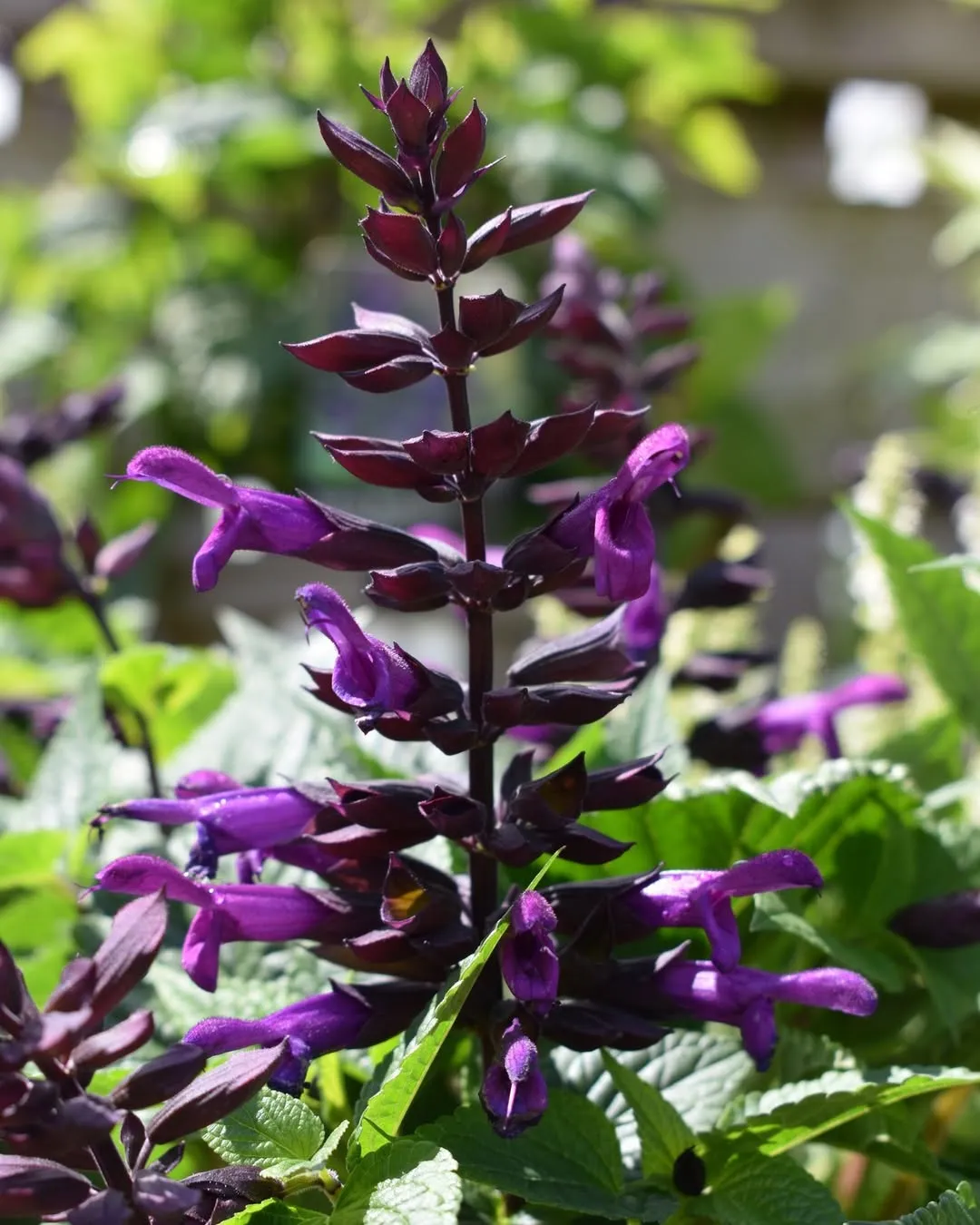
Planting Salvia along with Yarrow creates a beautiful, rich colored landscape. Both are durable and perennials, which can be grown in any soil. They can tolerate strong winds and rain without bending. Also, it requires minimal pruning.
The flowers of Salvia are extremely fragrant, while the foliage has an earthy sage scent, and yarrow flowers have a fresh and sweet aroma. The best part is that after planting them, there will be several butterflies and hummingbirds flocking around the garden.
Tomatoes
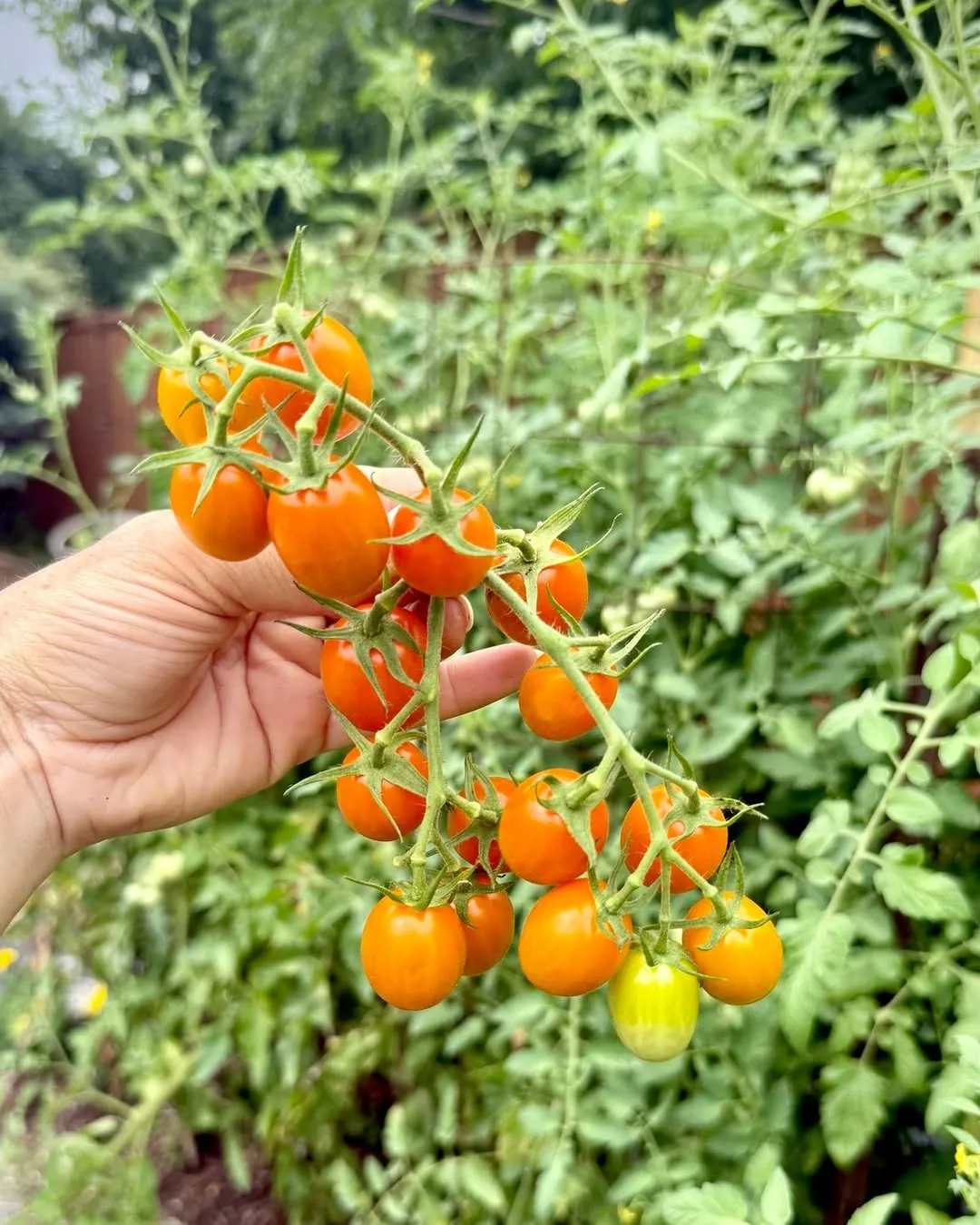
The dense foliage of yarrow provides shade and helps conserve moisture around tomato plants. It also protects tomatoes from pests by attracting parasitic insects such as braconid wasps. This wasp lays eggs in hornworms’ nests and reduces their population by feeding on them. In return, the tomato plant gives yarrow structural support to help it stand upright.
Strawberries

Yarrow, when planted with strawberries, attracts beneficial insects, such as ladybugs and lacewings, that eat harmful pests. It has a strong smell that repels some pests and makes it harder for insects to attack strawberry plants.
Yarrow has a spreading root that helps suppress weeds, reducing competition for water, nutrients, and space, and also helps keep pest populations under control. In short, it is one of the best ways to keep the plants healthy and growing.
Squash
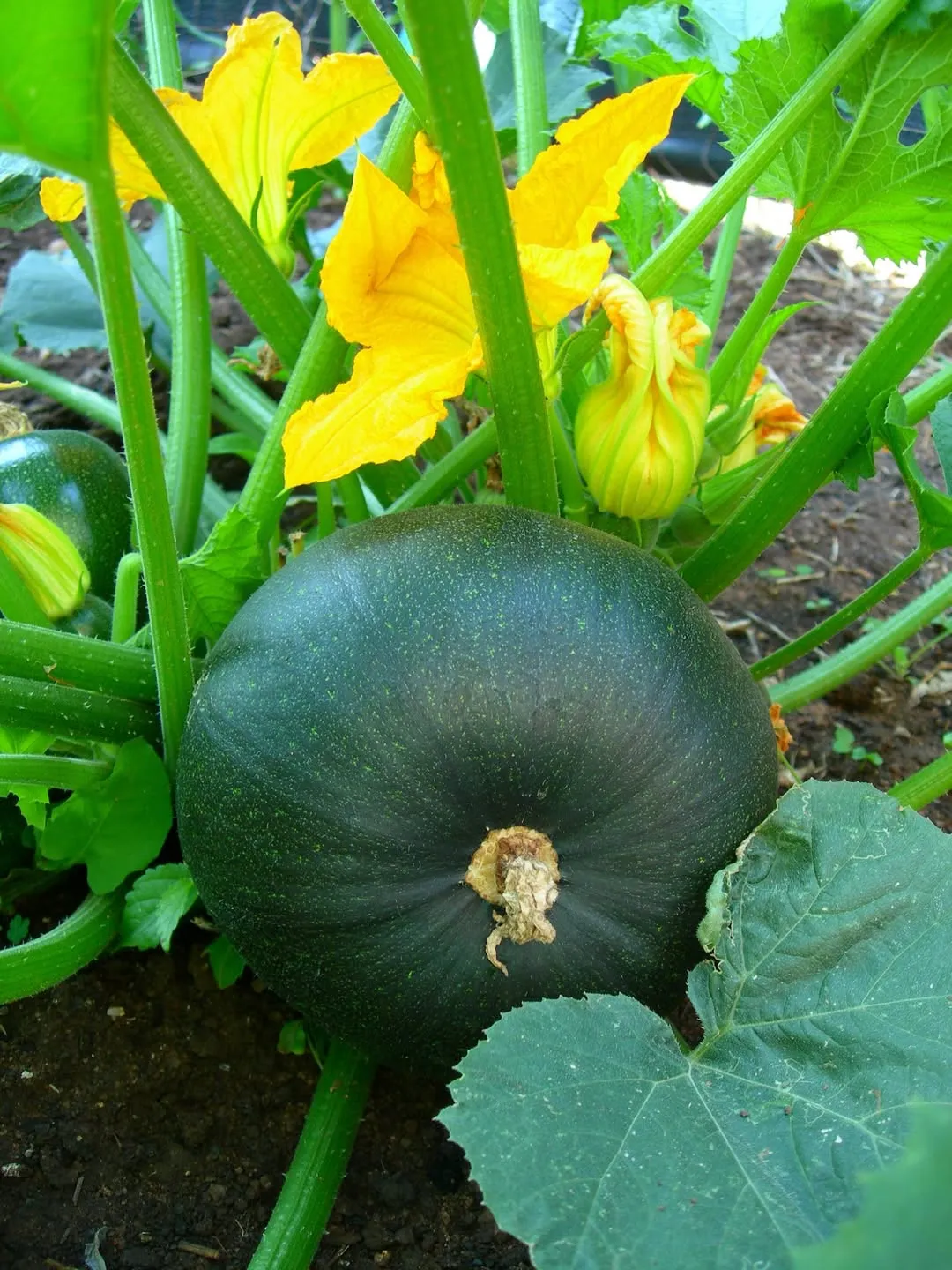
Growing squash near yarrow is also beneficial, as yarrow protects squash plants from tachinid flies (a natural predator that attacks squash bugs and their larvae). These bugs can damage the plant and help it grow healthier and better.
Peppers
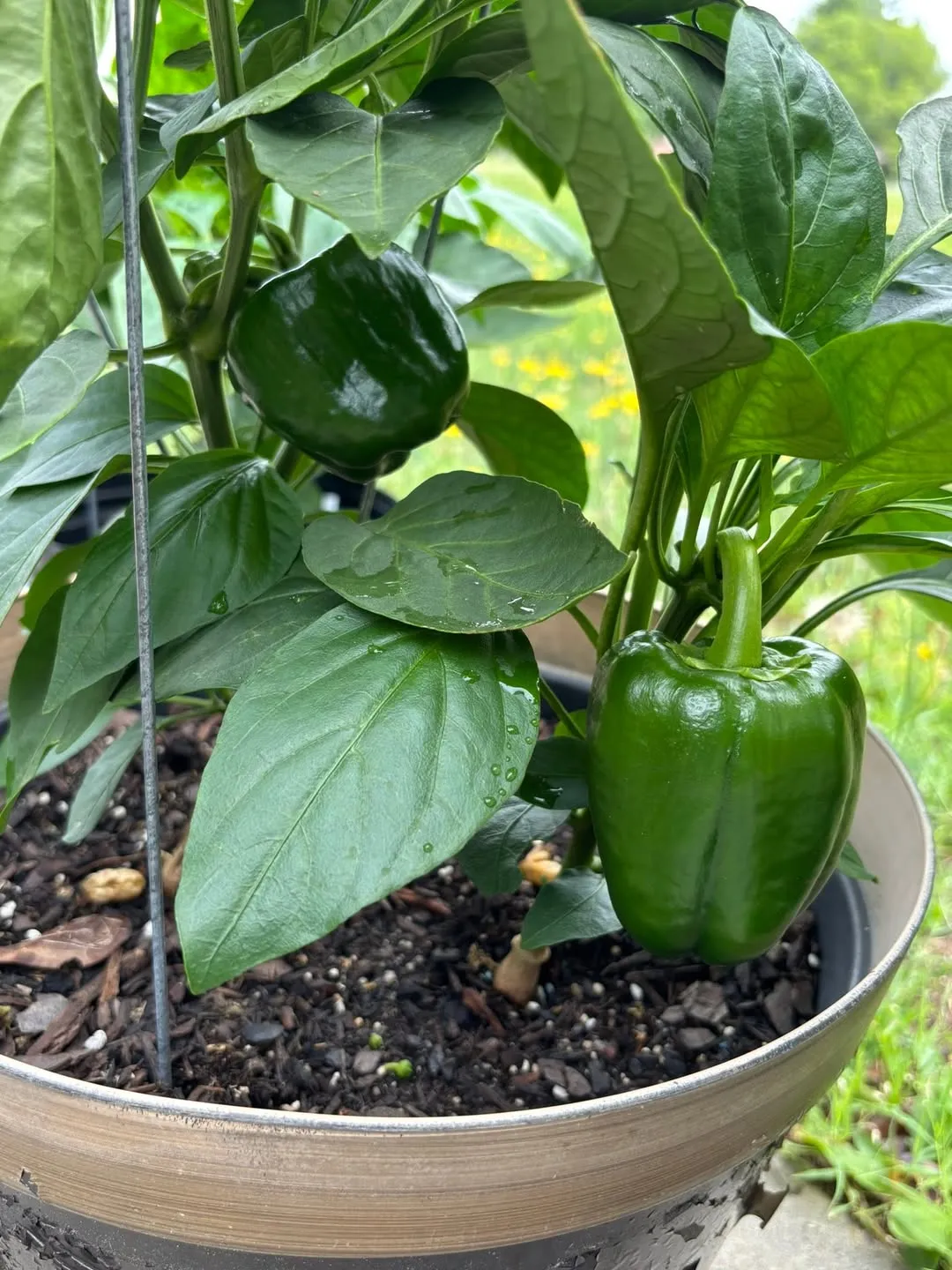
Yarrow can also be a good companion for peppers because it attracts predatory insects such as ladybugs, lacewings, and hoverflies. These insects feed on aphids, which are notorious pests that destroy the pepper.
Cabbage
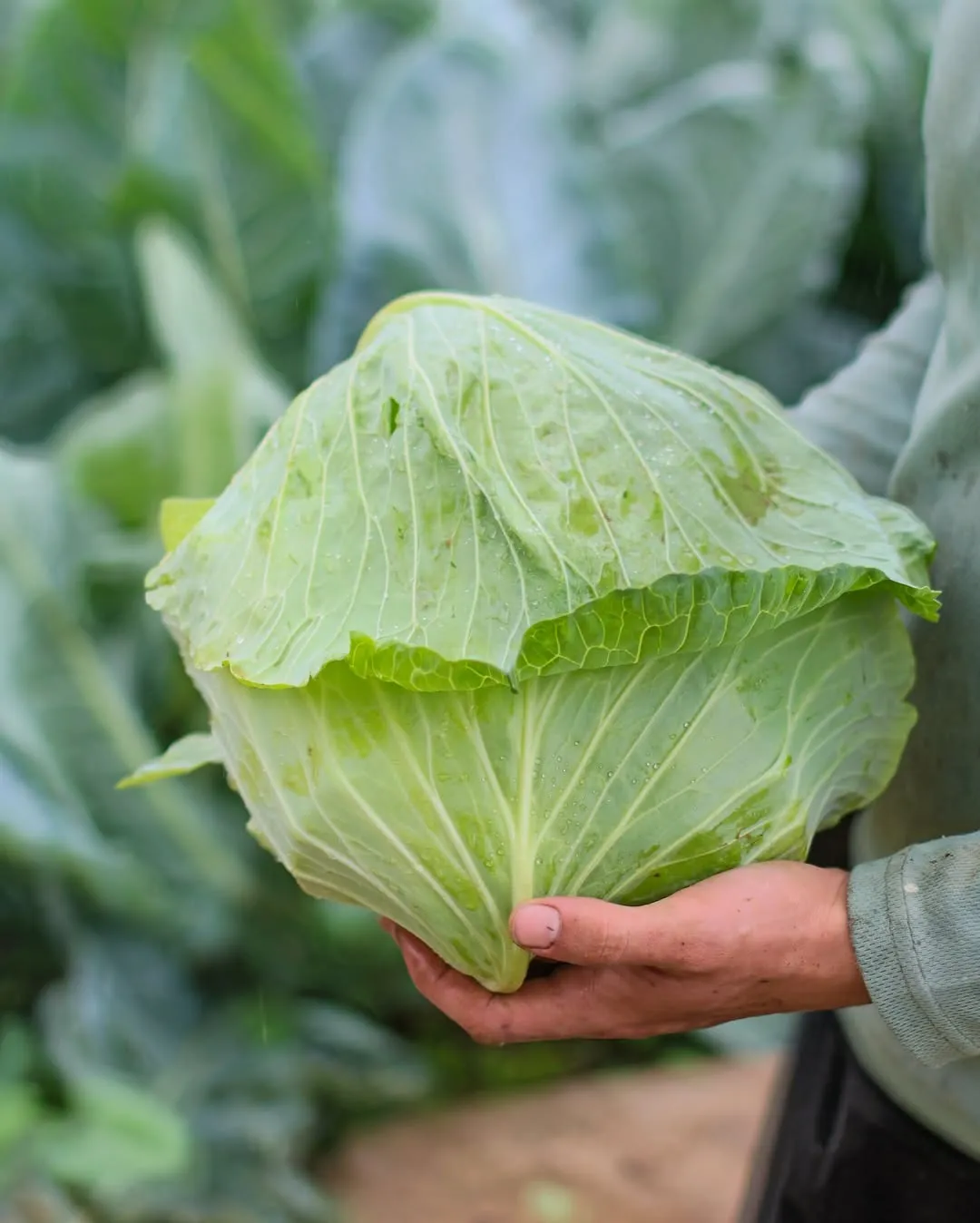
As yarrow attracts parasitic wasps and braconid wasps, it is helpful in controlling the cabbage moth population that damages the cabbage plants. Some gardeners believe that yarrow's aromatic oil and bitter taste have a repellent effect on pests. However, it is not scientifically proven so far.
Chamomile
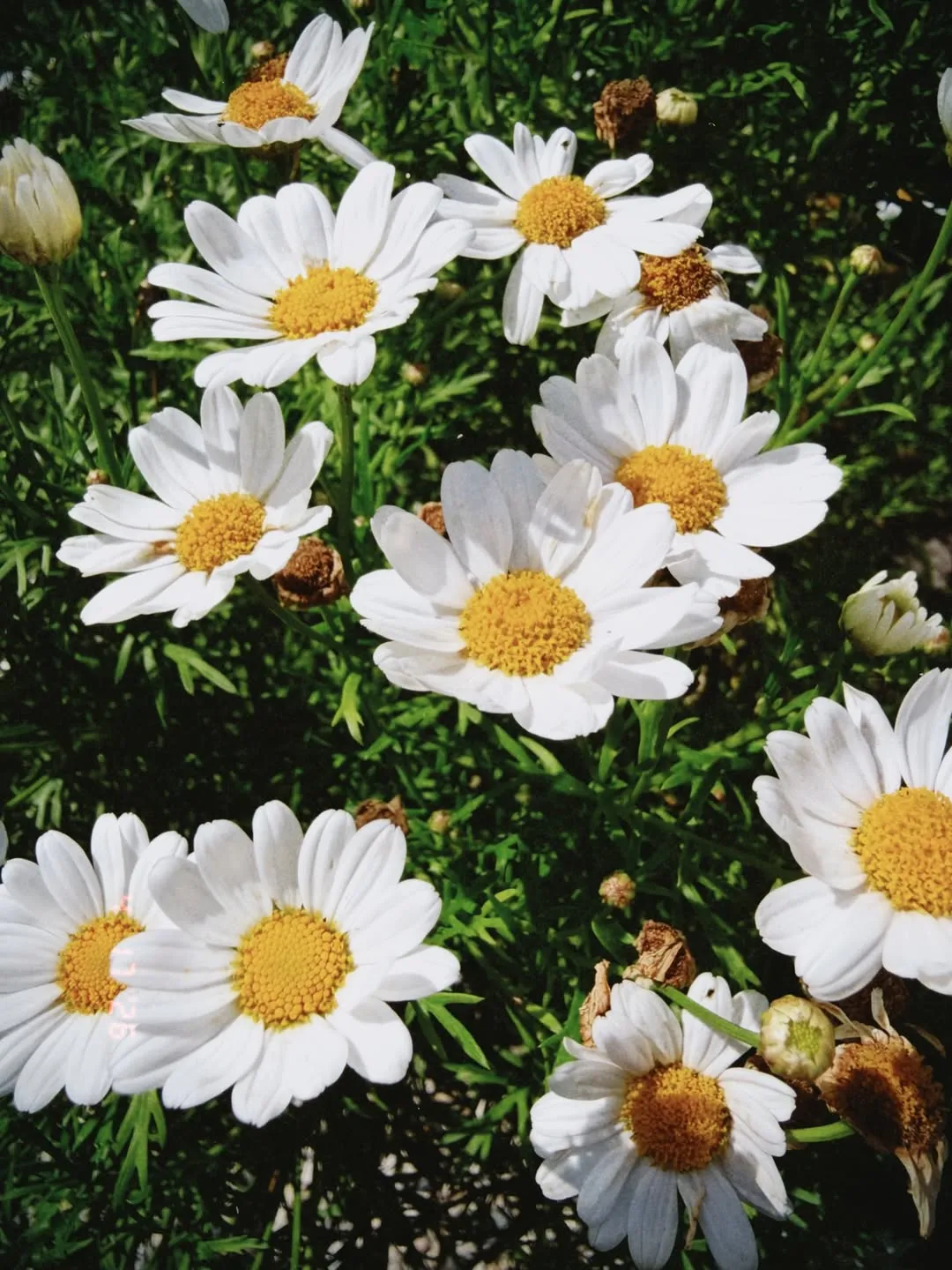
Yarrow and chamomile are best grown together, as they share similar growth habits and soil requirements and belong to the Asteraceae family. These two are good companion plants that can encourage healthy growth in each other and attract beneficial insects like hoverflies. These are important pollinators that promote plant health.
Herbs
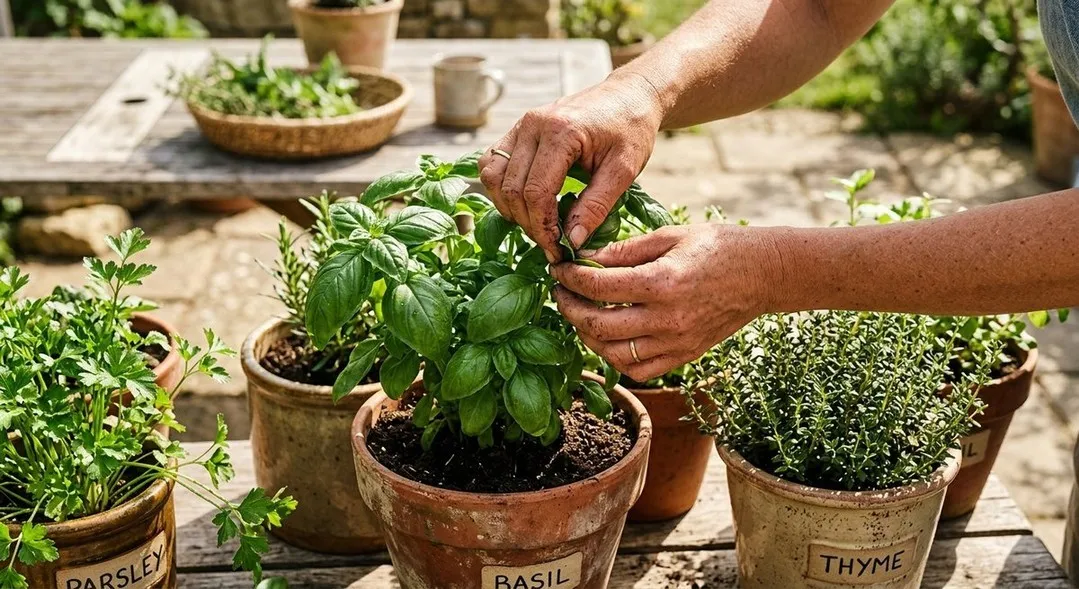
Yarrow is the best companion plant for aromatic herbs, such as basil, oregano, and thyme. Yarrow attracts insects like bees and parasitic wasps. These insects help control pests.
What Not to Grow With Yarrow?
Yarrow can be grown easily; it requires full sun to thrive and low water once established. While you know what to plant with yarrow, it is also equally important to know what not to plant with yarrow. Here are some plants that you should never grow with yarrow -
- Plants requiring extreme care and maintenance should never be planted along with yarrow.
- Avoid planting low-light plants, such as coral bells and hostas, as they won’t survive in the full, bright sun.
- Do not plant tall shrubs or trees near yarrow, as they can block the sunlight. This might stunt yarrow's growth, causing it to wilt.
Another important consideration is that plants with similar growing requirements to yarrow should not be planted together. The success of a plant does not only depend on the shared care needs, but also on the growing conditions.
Conclusion
Yarrow is a versatile and beneficial plant that promotes robust garden health through improved soil quality, natural pest control, and attracting pollinators. By choosing the right companion plants, such as herbs, perennials, and shrubs, you can create a vibrant, low-maintenance garden that thrives year-round. Careful plant selection and proper placement allow yarrow to shine and make a valuable addition to the garden.