Plant lilac if you have full sun and want fragrance in spring. Plant hydrangea if your yard gets afternoon shade or you want flowers from June into September.
Both shrubs are preferred for the same reason: a flowering anchor for a border, but both work on opposite schedules. Lilac gives you about two weeks of unbeatable scent, then sits there as plain green foliage. Hydrangea starts later and keeps going. Though I lean toward hydrangea for most American yards, I would never discourage anyone from growing lilac beside a window they open in May to sink in to the fragrance of the lilac bush.
Bloom Time and Fragrance
Lilac blooms for roughly 10 to 14 days depending on the weather, according to University of Minnesota Extension. A hot spell mid-bloom can cut the blooming period closer to a week. What you get for that short window is a scent no hydrangea matches, since most hydrangeas have little or none.
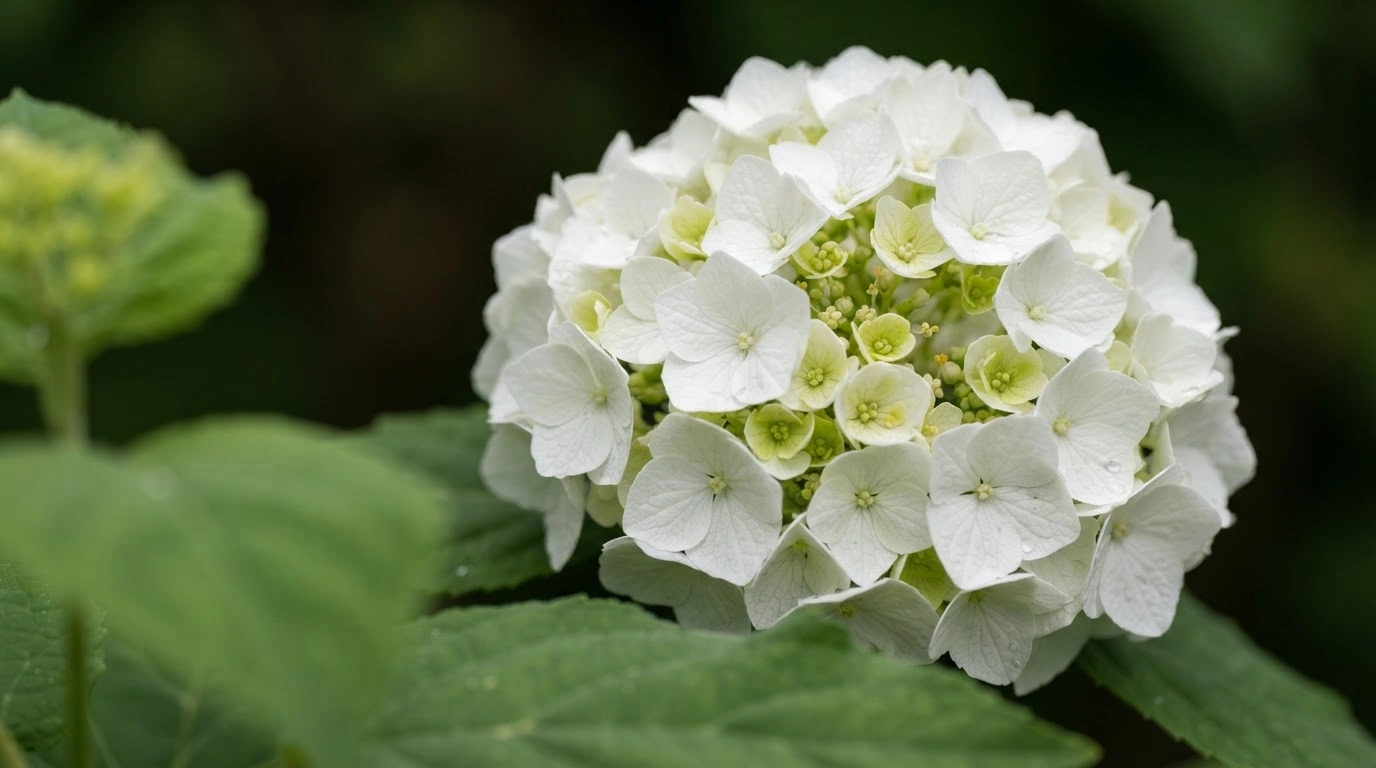
Smooth hydrangeas such as Annabelle bloom from June to September. The heads open lime green, turn white, then fade to a papery tan that can stay on through winter. The tradeoff is weight. Big blooms bend the stems after a heavy rain, which is why I would leave 18 to 24 inches of stem when cutting back so the plant can hold its own flowers up.
Lilac has its own letdown after the show. By late summer, the leaves often look dusty with powdery mildew. It is cosmetic, but you will notice it more if the plant sits in too much shade.
Sun, Soil and Hardiness Zones
Soil is an essential need for both lilac and hydrangea, which most guides tend to skip. Lilac wants neutral to slightly alkaline ground, around pH 7.0, and drainage that never pools. Poor drainage leads to stunted growth, fewer flowers, and root rot. Smooth hydrangea prefers a pH of 5.5 to 6.5 and steady moisture. Put them in the same bed and one of them will always be a little unhappy.
Climate matters too. Common lilacs sulk in hot southern winters because they need real cold, while smooth hydrangea handles zones 3 to 9.
| Common Lilac | Smooth Hydrangea | |
| Bloom window | 10 to 14 days, mid to late spring | June to September |
| Fragrance | Strong | Little to none |
| Sun | 6+ hours of direct sun | Morning sun, afternoon shade |
| Hardiness zones | 3 to 7 | 3 to 9 |
| Soil pH | About 7.0 | 5.5 to 6.5 |
| Mature height | 8 to 15 ft | 4 to 5 ft |
Size bothers people more because a common lilac can spread 6 to 12 feet wide. If that is too much, look at Meyer or Miss Kim types, which stay around 4 to 7 feet, and check the plant tag before you buy.
Pruning Is Where Most People Go Wrong?
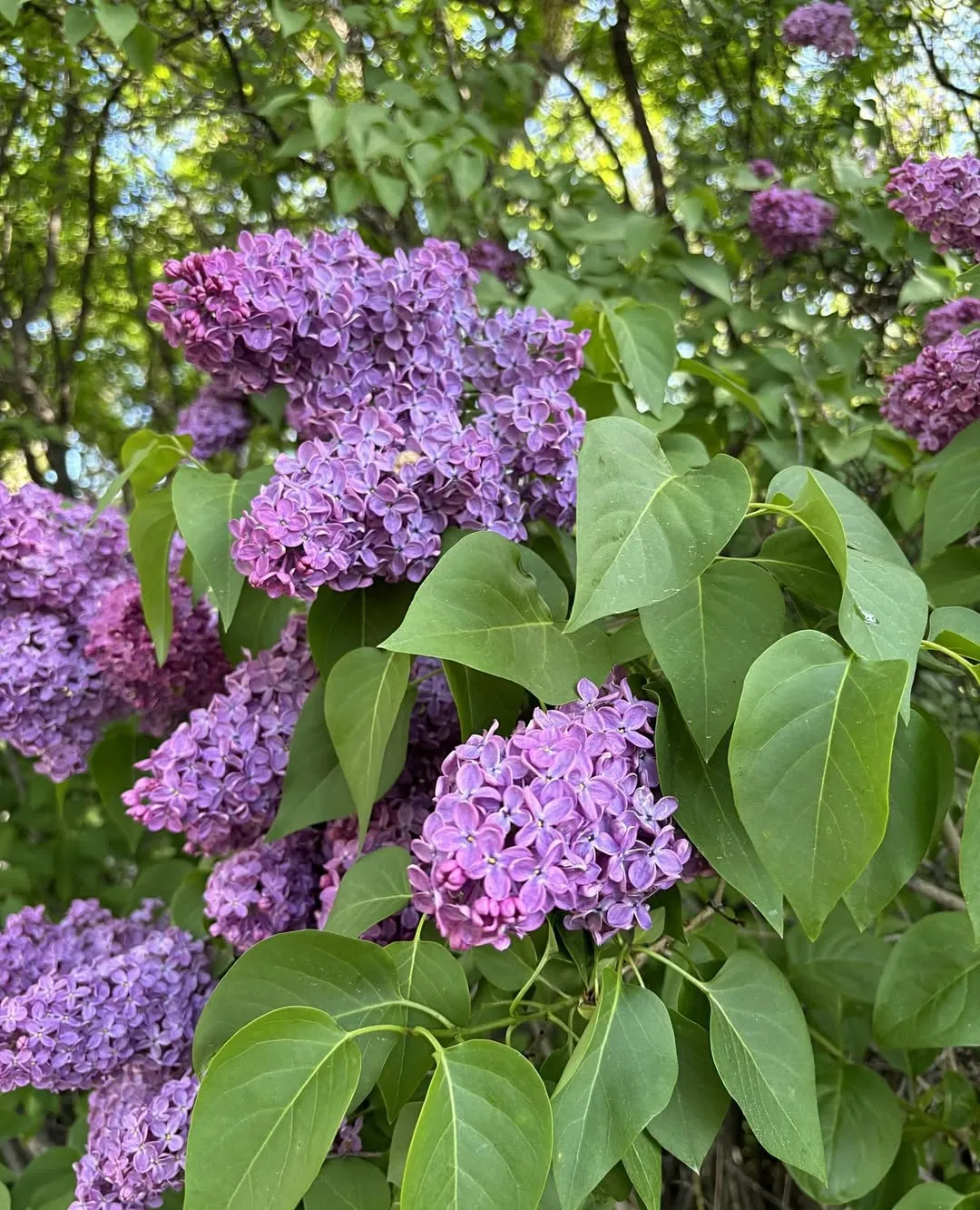
Lilac sets next year's flower buds right after it finishes blooming. Prune in late summer, fall, or winter, and you cut off the following spring's flowers. Extension guidance is to deadhead immediately after blooming. For an overgrown plant, remove a third of the thickest stems at the base each year until the oldest ones are gone.
Smooth hydrangeas run the opposite way. They bloom on new wood, so late winter to early spring is the right window, and you can cut them back hard without losing flowers. Our guide to pruning smooth hydrangeas walks through the cuts.
One caution: Bigleaf and oakleaf hydrangeas bloom on old wood and follow lilac's rules, so confirm which type you own before picking up the shears.
Planting and Moving Them
Neither one is instant. A new lilac spends its early years building roots, and some blooming may only begin in year 2 or 3. Skip the lawn fertilizer to speed it up, because the high nitrogen pushes leaves instead of flowers. Lilac also sends up suckers from the root zone, which means free plants if you want a hedge and a recurring chore if you want a tidy bed.
Hydrangea punishes a bad move. Wilting, dropped leaves, and a skipped bloom season are the usual signs. Move it while dormant, either in fall about six to eight weeks before the first frost or in early spring, and read our breakdown of hydrangea transplant shock before you dig.
Identify Lilac and Hydrangea From Their Look-Alikes
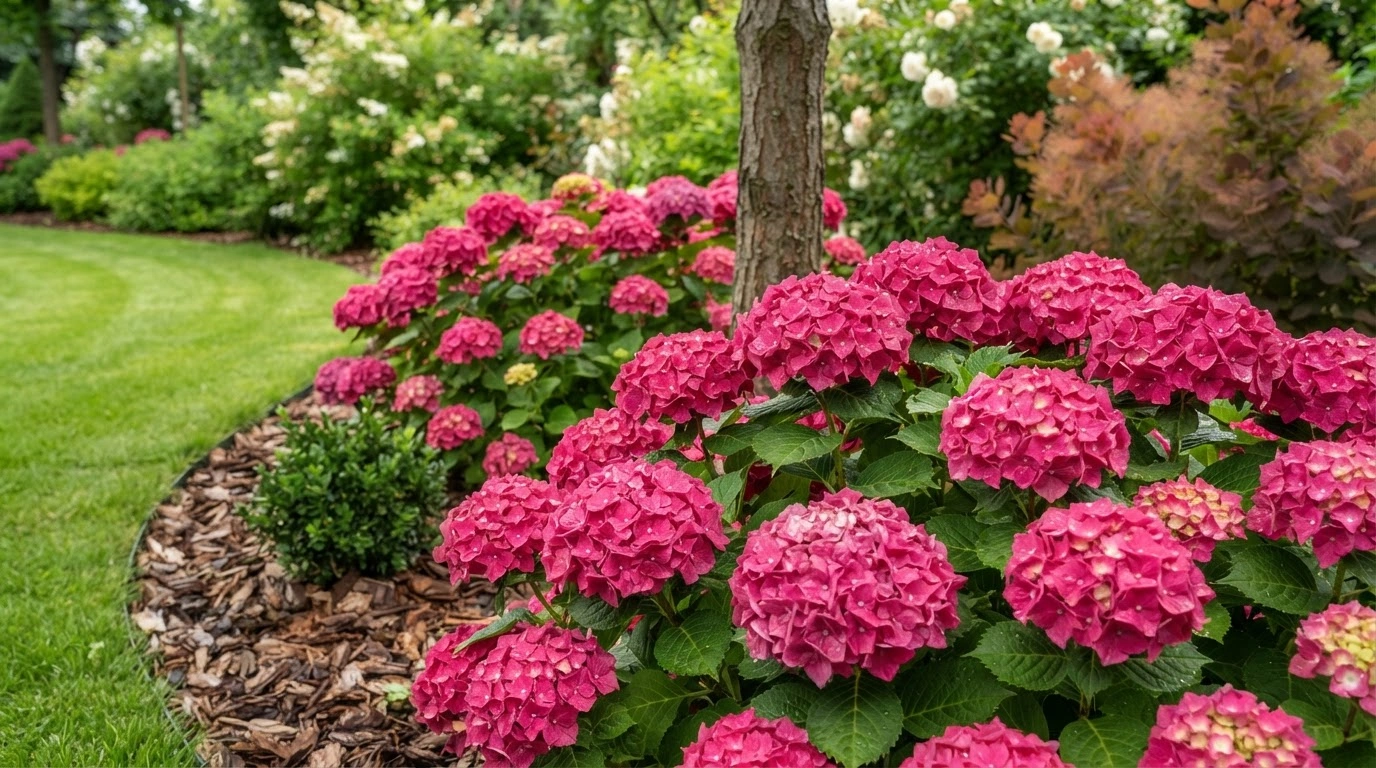
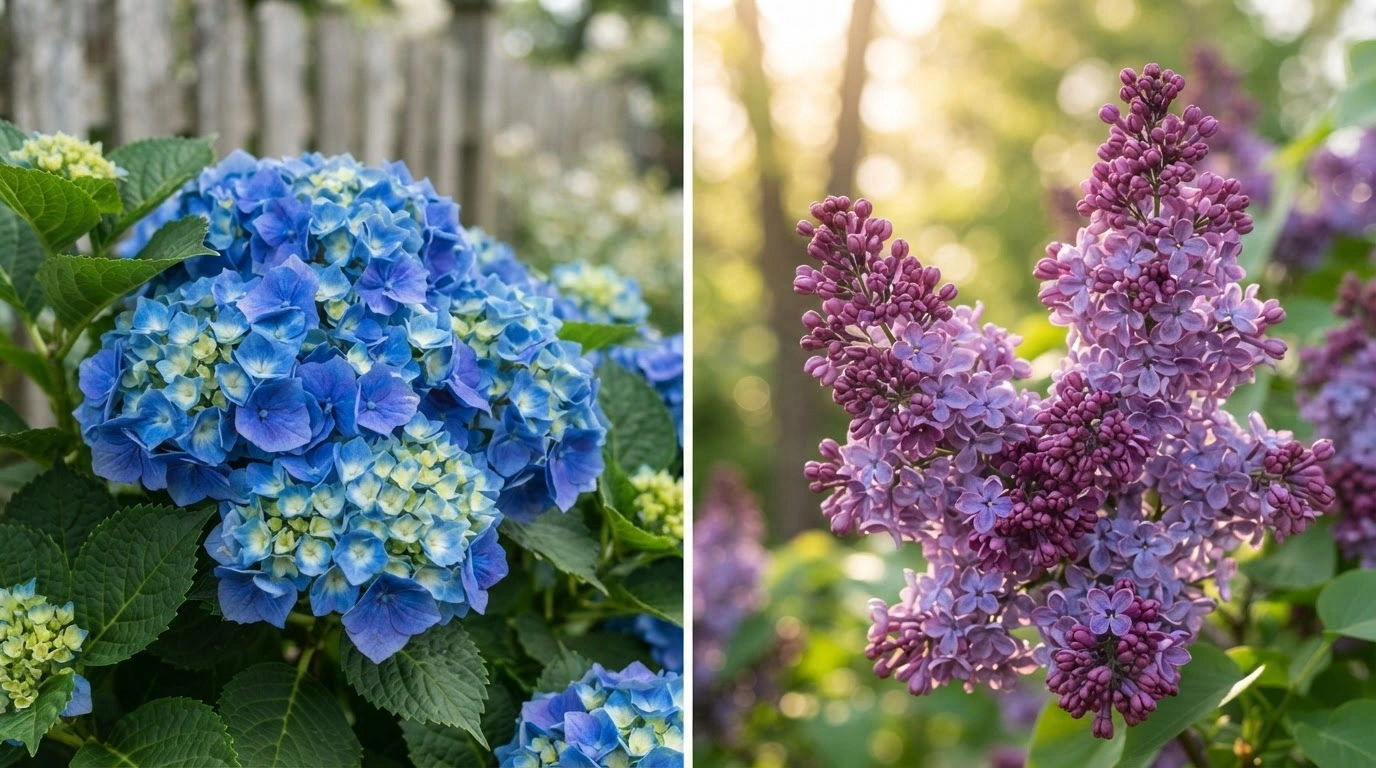
Lilac flowers are small and tubular, packed into cone-shaped clusters, and the leaves are heart-shaped. Hydrangea flowers are big, rounded or flat heads. Most people can tell them apart once both are in bloom.
The real mix-up happens with snowball bush, a viburnum that people often mistake for hydrangea. It blooms in May and June and can reach 12 to 20 feet, while smooth hydrangea tops out around 5 feet and flowers later. If your "hydrangea" is taller than the fence and bloomed in May, check our snowball bush vs hydrangea comparison before you prune it like the wrong plant.
Which One I Would Plant?
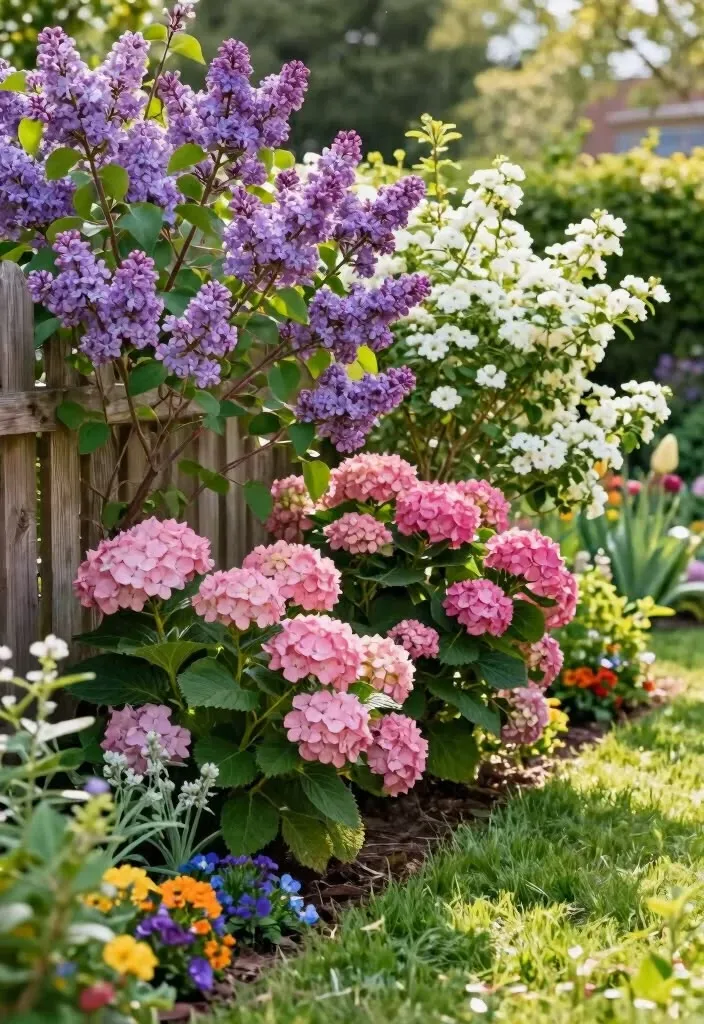
For a typical American backyard, I would plant a hydrangea. It earns its space for four months instead of two weeks and copes with more climates. Some gardeners write lilacs off because the bloom is short and the plant suckers. Every gardener has their own distinct perspective on both, and I would still plant one if the spot allowed it.
Choose Lilac If:
- You have 6 or more hours of full sun and live in zones 3 to 7.
- If scent matters more than season length to you.
- You have room, or you will buy a dwarf type.
Choose Hydrangea If:
- Your spot gets afternoon shade.
- You garden in zone 8 or 9.
- You want a plant around 5 feet tall or less.
You can grow both. Their bloom windows barely overlap, so lilacs cover spring and hydrangeas take over in summer. Give them separate beds because of the soil pH gap.