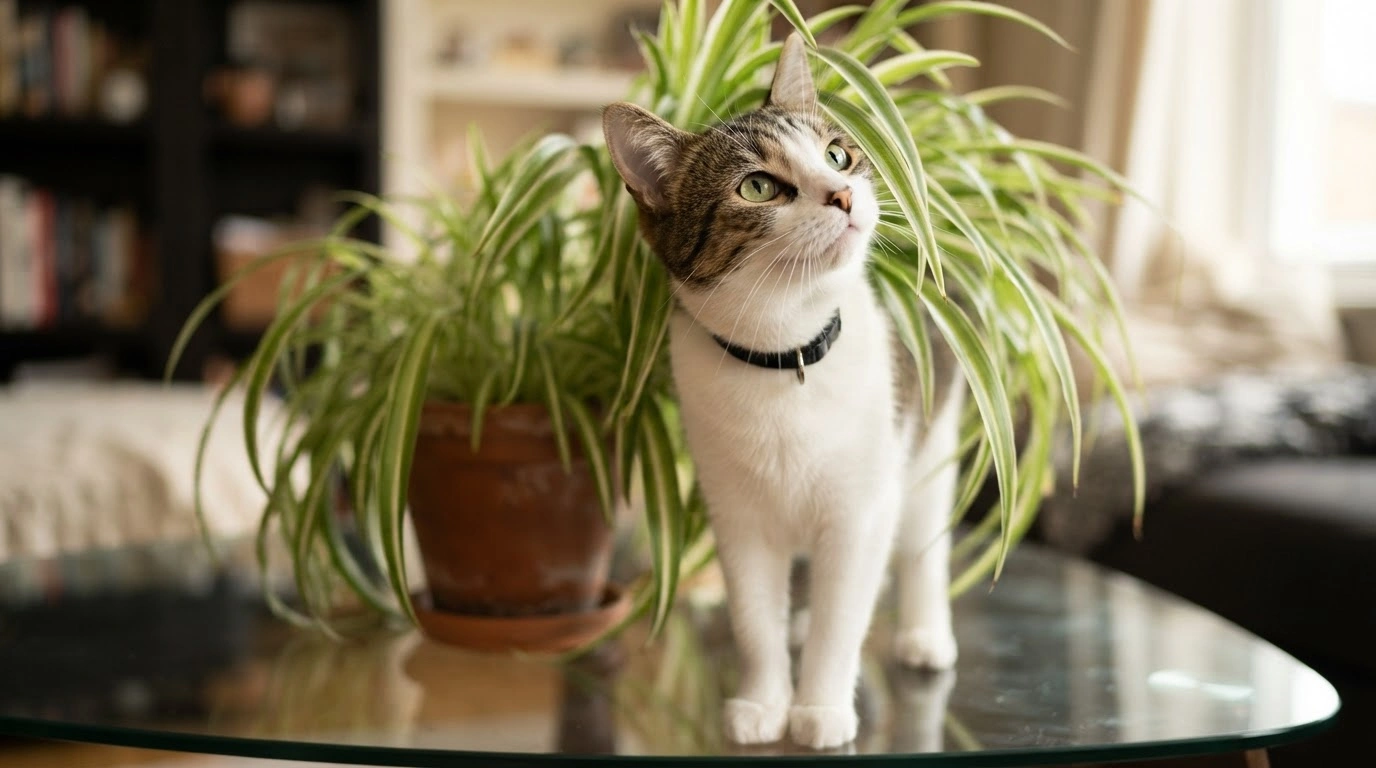
Spider plants effortlessly add a touch of bright green hue to your interiors with their cascading leaves. Another reason to include this indoor plant is its air-purifying quality. But can you keep these beautiful plants when you have a cute little cat at home? Many pet owners say cats are usually attracted to spider plants. But what concerns them is whether the plant is safe for their cats. So, researching a bit about the toxicity of spider plants is one of the most important things to do if you are also a cat parent.
Are Spider Plants Toxic to Cats?
Usually, spider plants are non-toxic, unlike pothos or lilies. However, this does not mean that cats can safely nibble on these plants because chewing leaves in excess amounts can lead to stomach upset in cats. Playful cats will attack the long and stringy leaves and, at times, nibble them.
Why Do Cats Like Spider Plants?
Most pet owners find their cats super attracted to spider plants. A possible reason could be the hanging spiderettes of the plant, or cats getting attracted to the plant to fight their boredom. However, there is a more scientific reason for this behavior of cats to hover around spider plants. These indoor plants are slightly hallucinogenic. This means these plants release a chemical similar to the catnip plant that triggers the obsessive behavior of the cat.
What Happens if a Cat Eats a Spider Plant?
So far, the conclusion has been that spider plants are usually safe for cats. But can cats eat spider plants? The answer here is ‘NO’.
Spider plants are not cat food. Nibbling on the leaves and ingesting a small amount of the plant is still fine. However, if the cat eats the plant in excess quantity, it can lead to several digestion-related problems, including diarrhea, vomiting, and an upset stomach.
What Should You Do if Your Cat Eats a Spider Plant?
Exposure to toxic plants can lead to severe symptoms, including inflammation, heavy breathing, or even seizures, making a vet visit a necessity. So, are spider plants poisonous to cats?
They are actually not. However, eating excessive amounts of the leaves can cause certain digestion-related issues such as vomiting or drooling, which can subside within a short period of time without even visiting a veterinarian. But you may have to be a bit careful if you have kittens or senior cats around. Both have lower immunity and a poor digestive system, making the symptoms more severe than usual. If the symptoms do not subside, but rather worsen, you must get in touch with your vet.
How to Stop Your Cat from Eating Spider Plants?
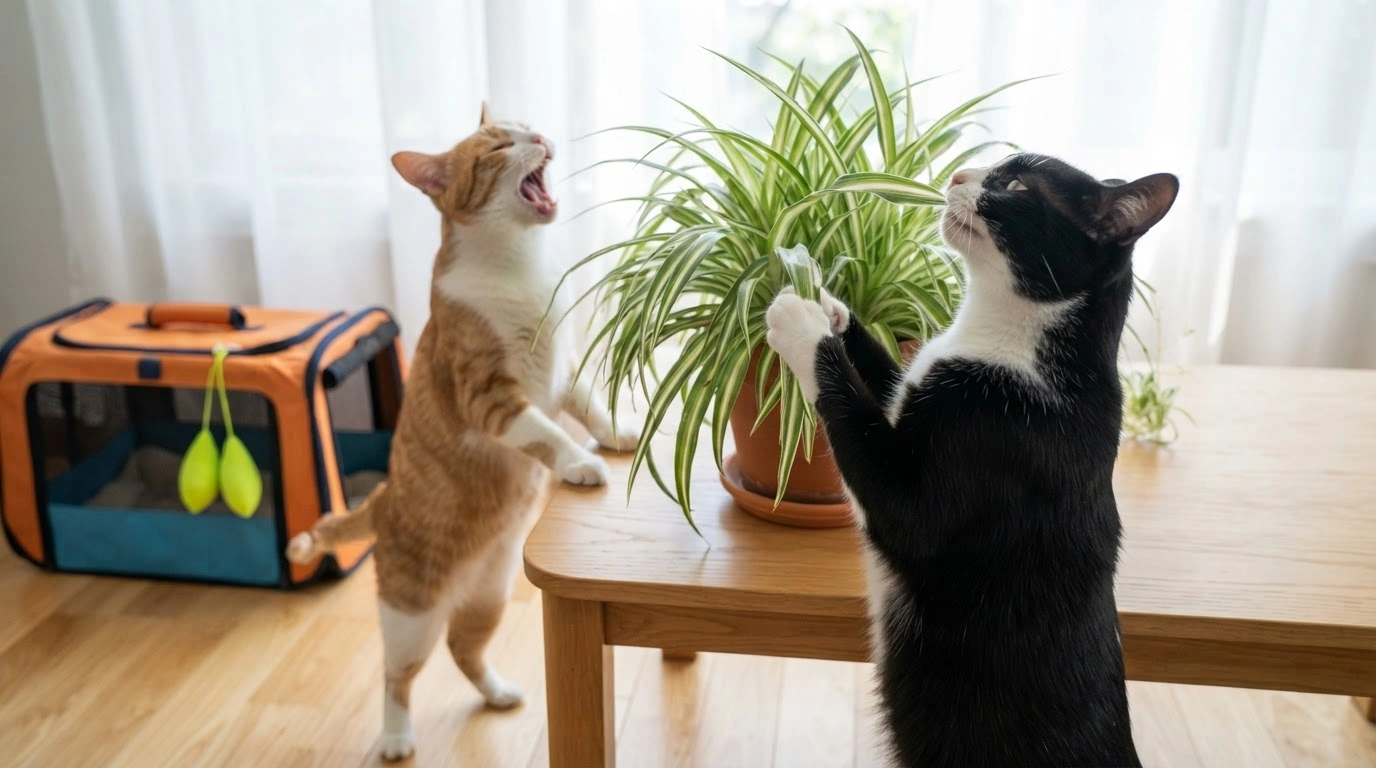
Even though spider plants are safe for cats, you must keep an eye on them so that your cat does not eat them in excess and suffer from a stomach upset. You can try out some of the practical methods to keep your cat from eating spider plants.
Securely Hang Your Spider Plant
The best way is to hang the plant at a height or to keep it on a high rack that is beyond your cat’s reach. While doing so, make sure that you use a sturdy pot, as cats may knock it off, trying to reach for it. The other option is that you can keep the plant in a room where your cat does not often visit.
Offer Other Alternatives to Distract the Cats
Another great way is to distract your cat with other alternatives so that your munchkin does not pay much attention to your plant. You can use options such as cat grass for your playful pet. Also, you can invest in different cat toys available, such as feather wands, crinkly balls, or even plush toys of your kitten’s choice.
Trim Your Plant
The new dangling shoots of the spider plants attract your cat the most. An ideal solution to this is to trim these shoots so that your cat does not pay attention to dangling shoots. Also, you can use these trimmed shoots to grow new spider plants using propagation in water.
Pay Attention to Nibbling
While you can use different techniques to keep your cat away from the spider plant, the golden rule is to pay attention to the little one. It is fine if these cuties play with the plant; just make sure that they do not over-nibble one of them. You can train them accordingly so that they can listen to you when you ask them to stop, or you can distract them with some other options such as toys.
Other Safer Alternatives to Spider Plants for Cats
While spider plants are non-toxic, ingesting too much can make your cat’s stomach sick. If you are looking for some other alternatives to spider plants in such a case, here are a few to list down.
Boston Fern
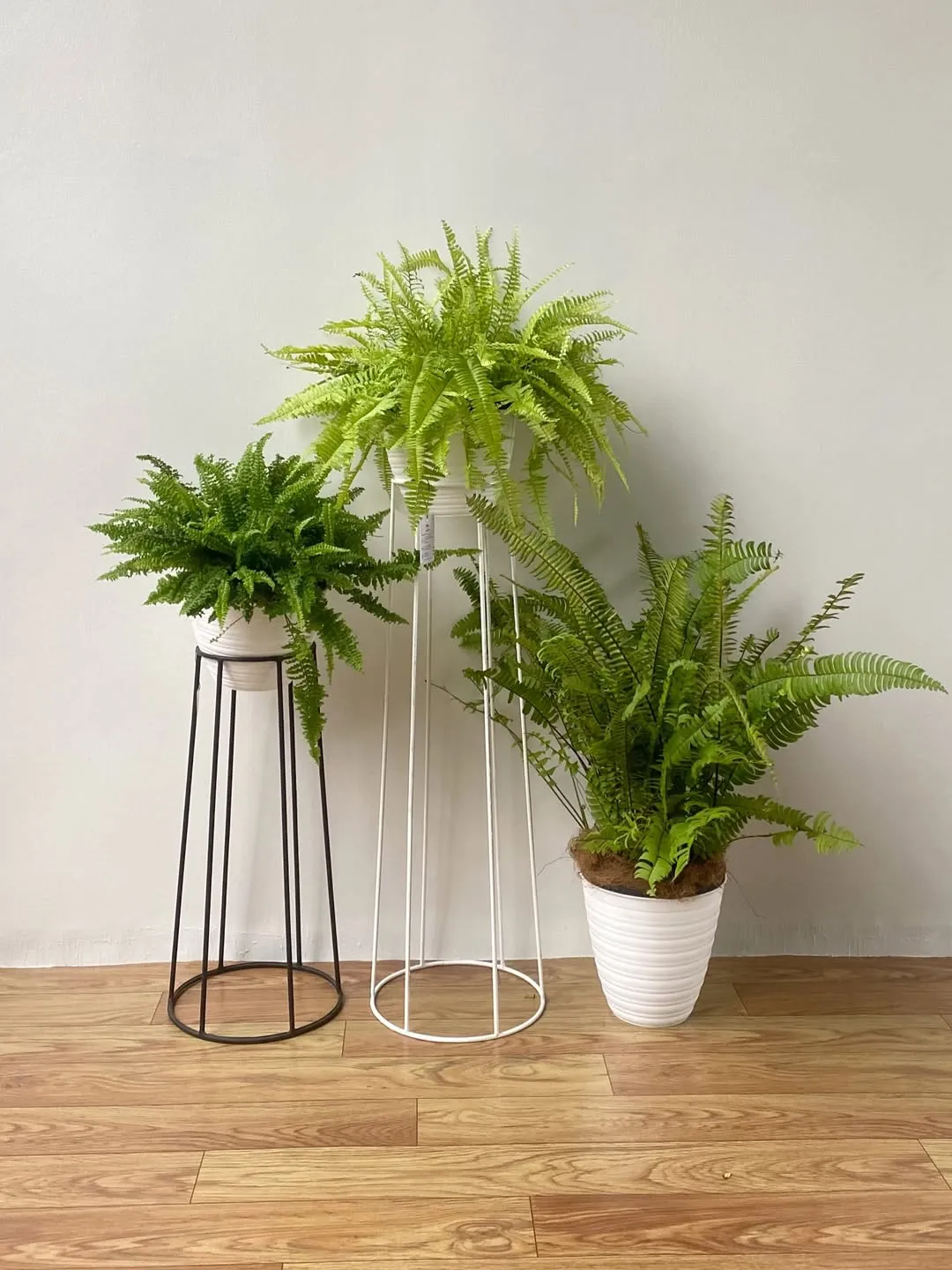
The shaggy leaves of the Boston Fern are perfect for your home interior and are also non-toxic for your cats. Also, these leaves are safe even if your cat eats them.
Prayer Plant
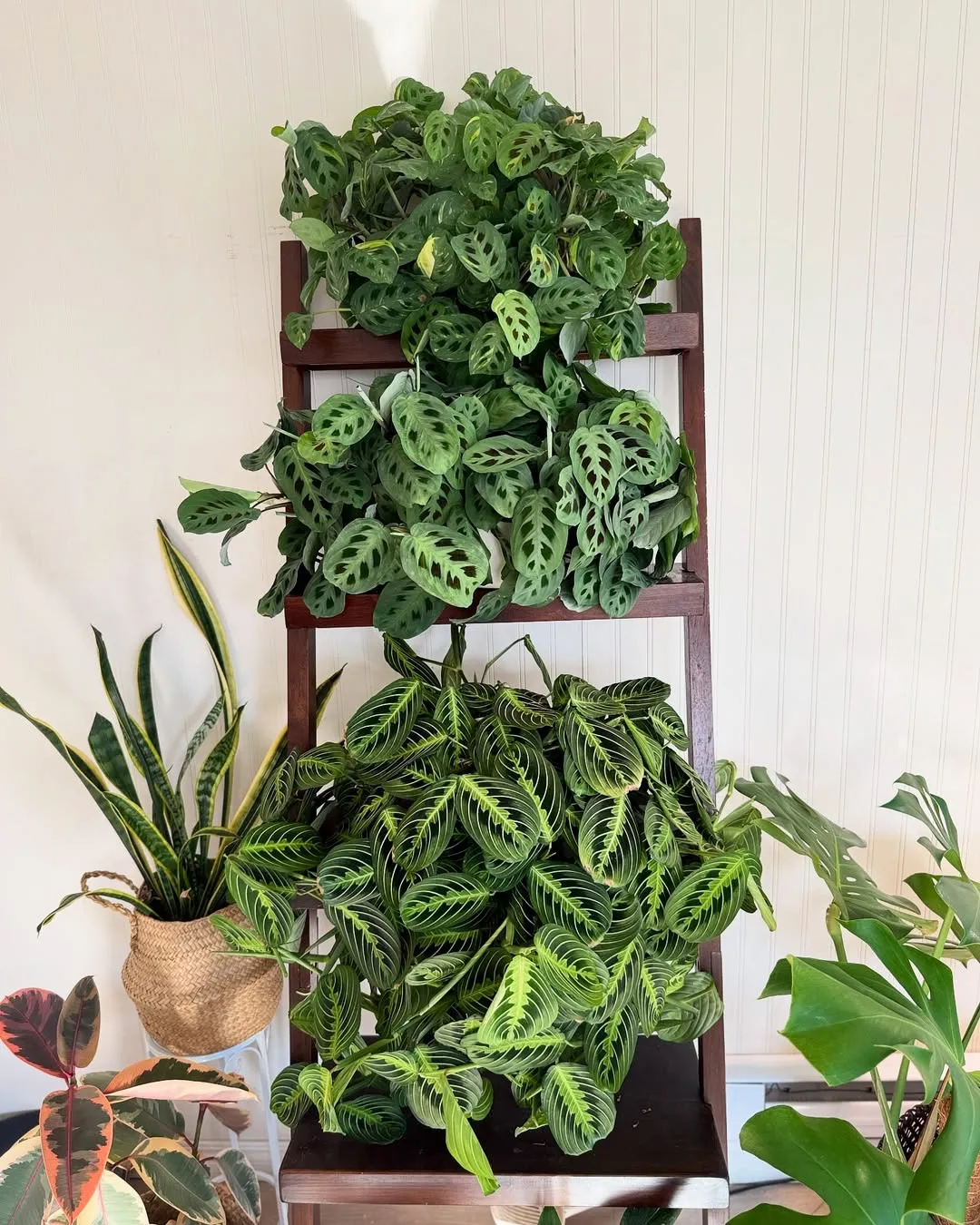
This is another non-toxic plant for cats and dogs. This is a great indoor option due to its low maintenance and ability to thrive in low-light conditions.
Calathea
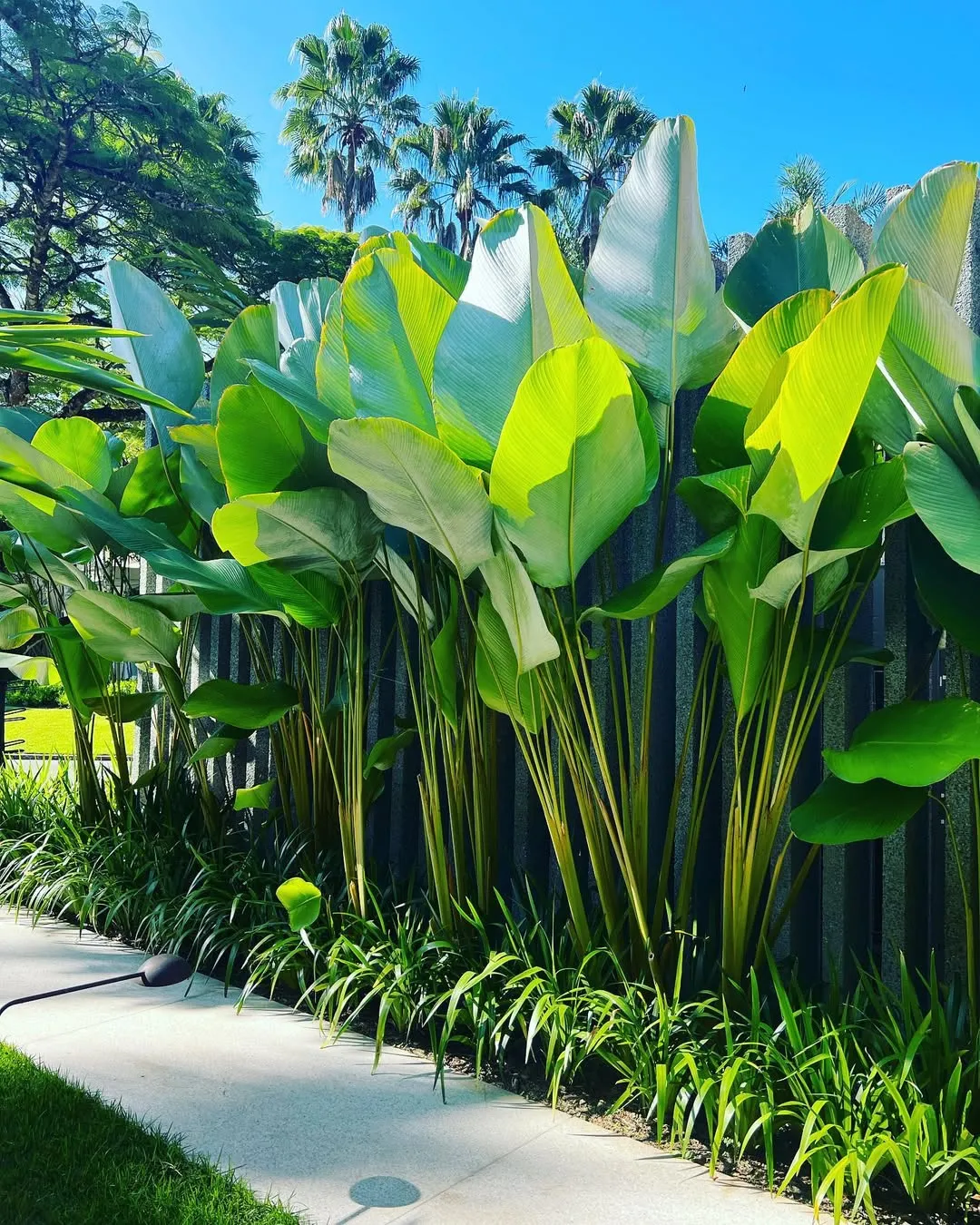
Calathea is a globally acclaimed plant for multiple reasons. It is safe and non-toxic for pets and has air-purifying qualities too. The other reason for its popularity is the uniquely striped leaves.
Orchids
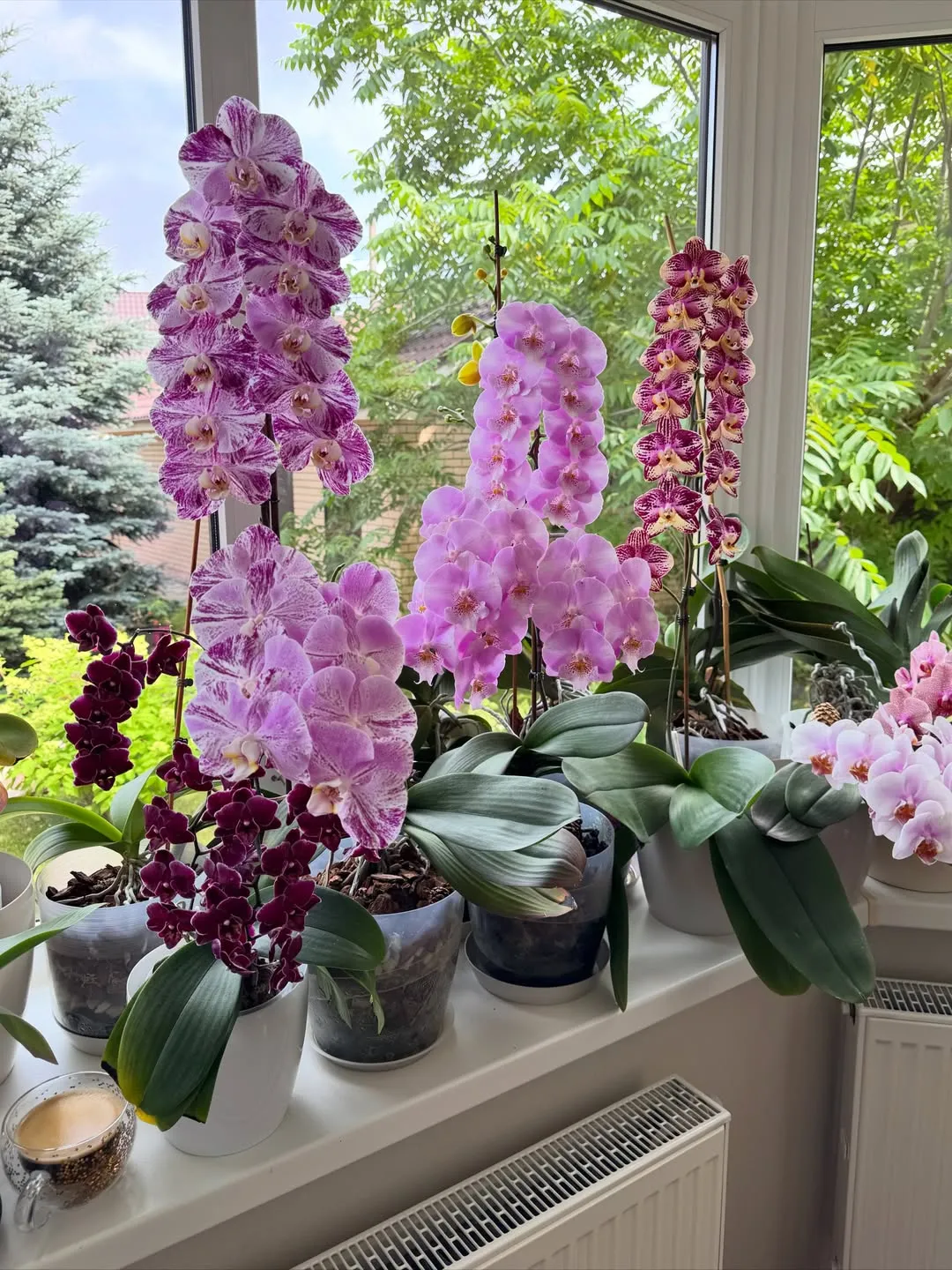
Orchids are not only beautiful but also pet-friendly. If you have orchids at home, you do not have to worry much even if your cat takes a bite out of them.
Conclusion
Fidgeting with and nibbling on indoor plants are one of the favorite activities of playful cats. While this may seem fun, you must ensure that the plants you grow in homes are safe for your pets. Spider plants are one such option that homeowners often keep to beautify their interiors. While these plants are non-toxic to cats, they can cause digestive trouble if your cat overeats them. Just use suitable tricks to keep your cat away from the plant’s reach to balance your home decor and your cat’s health.