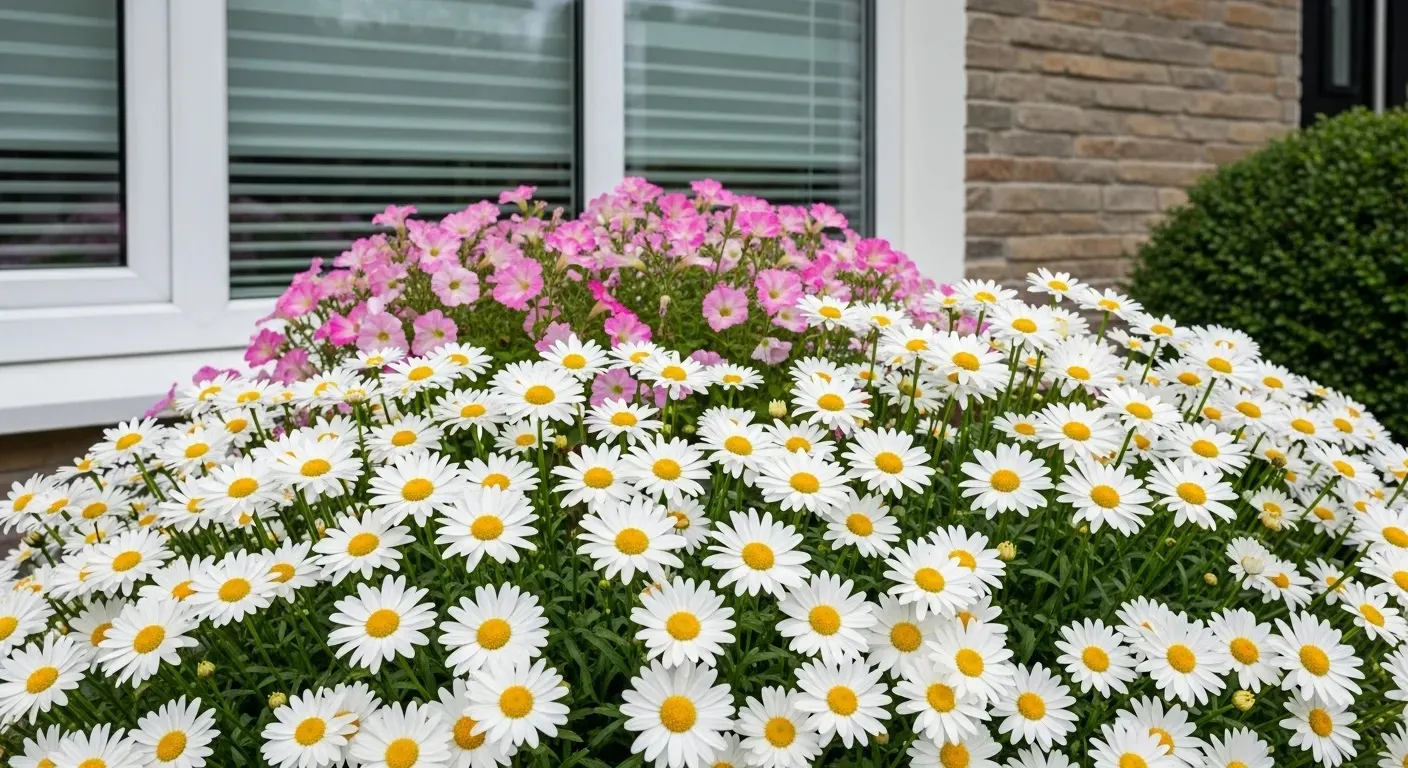
Shasta Daisies (Chrysanthemum Maximum) are popular perennials that bloom in summer. The cheerful white petals with yellow centers brighten the garden and give it a summery afternoon vibe. The flowers' color gives a fresh, perky look, making them very easy to pair with other plants.
Though Shasta Daisies can be incorporated in any garden style, you can find them in cottage and English gardens. You can also add them to kitchen gardens as they attract pollinators and beneficial insects. But with so many options, the real question comes up: “What to plant with shasta daisies?” Luckily, there are many options, and this blog discusses several plants that pair well with Shasta daisies.
How to Grow and Care for Shasta Daisy?
It is advised to grow Shasta daisy where it receives at least 6 hours of full sun every day. Here’s a step-by-step procedure for planting and growing Shasta daisies:
- Prepare the soil by loosening it and mixing in compost, aged manure, or other organic matter.
- Dig a hole that is twice the width and depth of the plant’s root ball. This allows the roots to develop better.
- Carefully take the plant out of the nursery container, and if you feel that the roots are a bit wrapped around each other, loosen the roots with your fingers before pulling it out.
- When setting the plant, ensure the top of the root ball is level with the surrounding soil. Also, avoid planting the daisies too deeply or leaving the root ball exposed.
- Refill the hole with soil around the roots and gently press the soil to remove any air gaps.
- Once done, water thoroughly to keep the soil moist during the initial days. Once Shasta Daisies are established, it becomes drought tolerant and do not need much watering.
Caring for Shasta Daisies
Here are basic care tips for Shasta daisies:
- They need full sun and prefer well-draining, nutrient-rich soil.
- Water only when the weather is too hot. Do not leave it in standing water, as it can lead to root rot. Also, once established, it is tolerant of drought.
- Apply slow-release all-purpose fertilizer or a thin layer of compost around the plant base during spring. You can also use water-soluble fertilizers every month all along spring and summer.
- Shasta Daisies also need to be winterized. Ensure you apply a few inches of mulch over the crown after cutting the plant in the fall. This insulates the plant and protects it from extreme cold.
What Makes a Good Companion Plant for Shasta Daisy?
A good companion is one that would grow well with Shasta Daisy. Hence, they must have similar traits and characteristics in terms of water and nutrients requirements, sun requirements, and other care needs.
| Notes | As the planting companion plants vary in height and width, it offeres customization options to make your garden more beautiful. You can place it around, behind, or in front of Shasta Daisy. |
9 Best Companion Plants for Shasta Daisy
Shasta Daisies usually pair well with early blooming deciduous and evergreen shrubs that can create a beautiful, colorful backdrop. Here are some of the best companion plants for Shasta Daisy:
Campanula (Campanula Sp.)
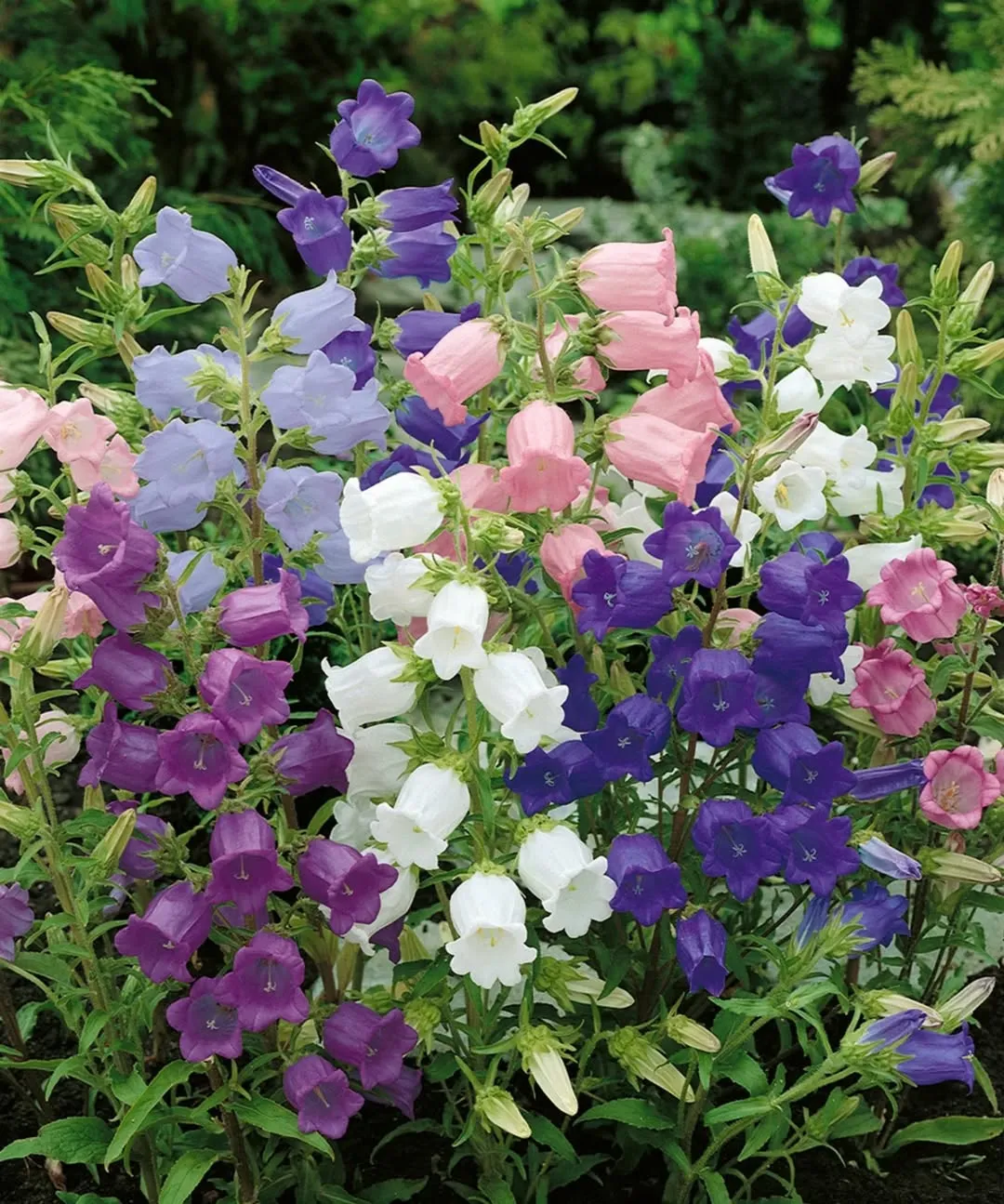
Campanula, also known as Bellflower, is a light bluish-purple cup-shaped flower that looks stunning when sprinkled with dew. Like Shasta Daisies, they also thrive in full sun, but can also survive partial shade. They flower from mid-spring through fall, depending on the species, and grow best when planted in front of or beside Shasta Daisies. Campanula grows from 1 to more than 6 feet tall and spreads.
Liatris (L. Spicata)
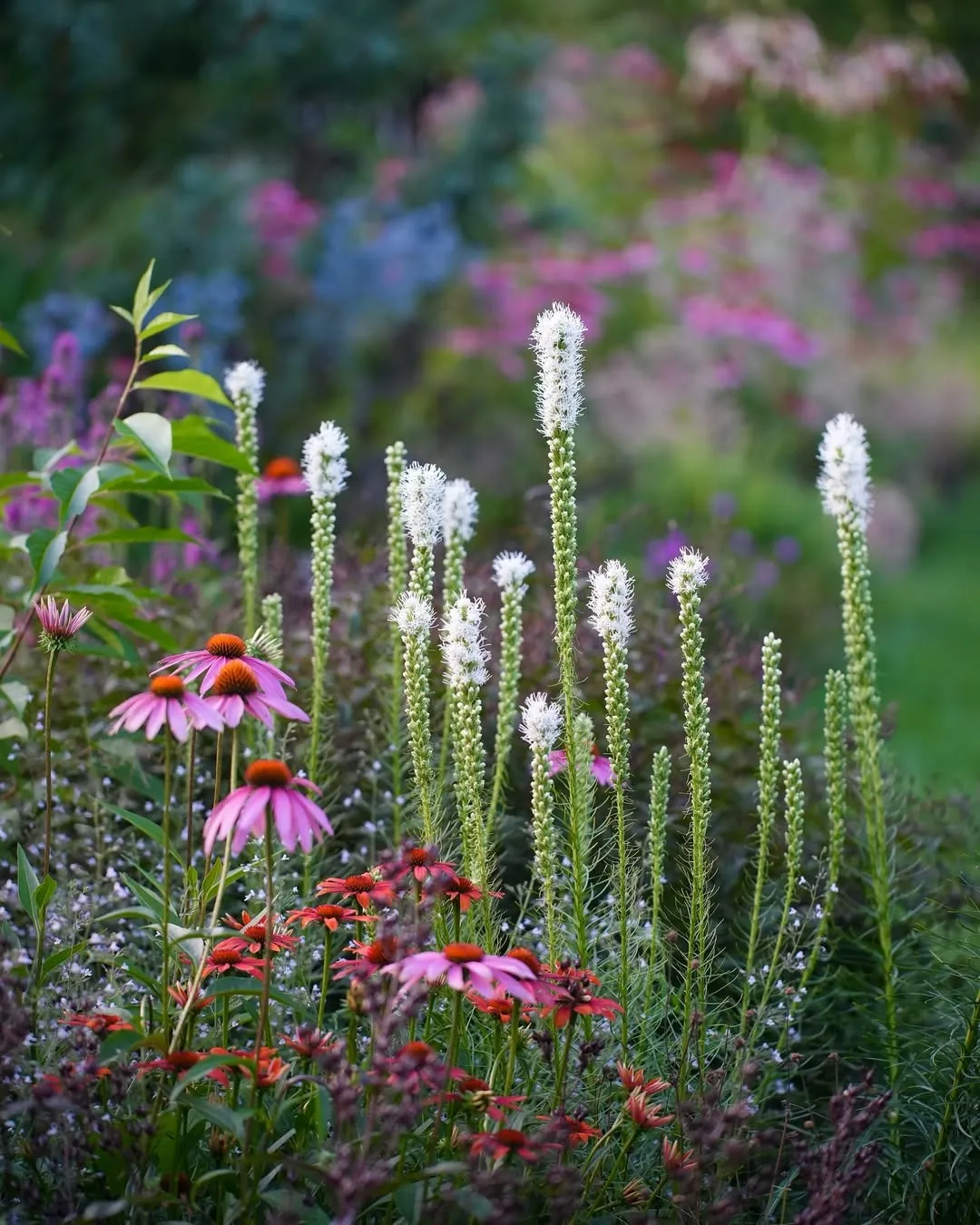
Liatris Spicata, or Blazing Star or Gayfeather, flowers during summer and should be planted in spring for summer bloom. This plant needs full sun or partial shade in warmer climates. The plant bears flowers in different colors, such as white, lilac, purple, and lavender. Sometimes you can also see them blooming in blue hues.
Liatris can grow up to 4 feet tall and 1.5 feet wide. They prefer well-draining, medium-rich soil and can be planted alongside or behind Shasta Daisies.
Petunia sp. And Hybrids
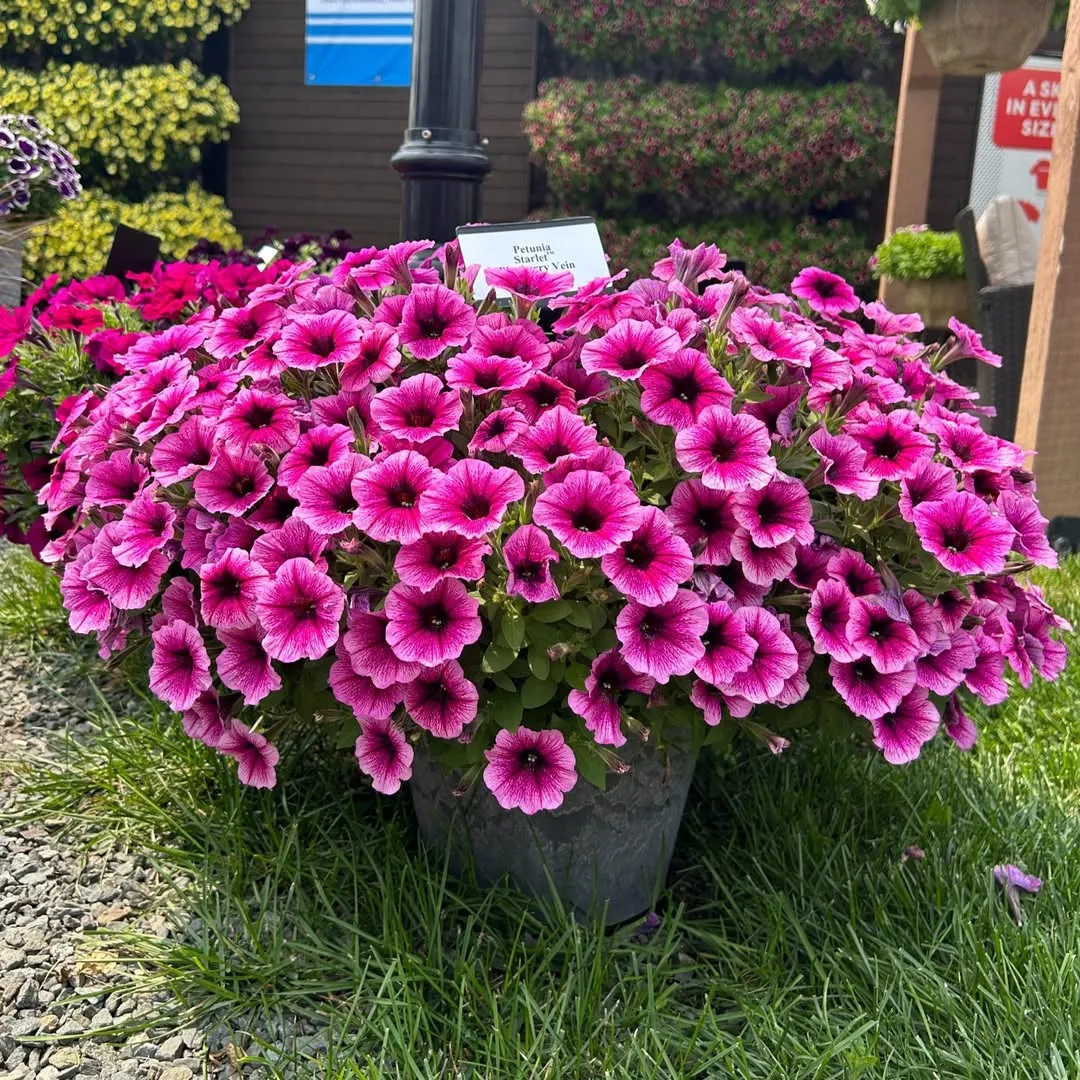
Petunias are burgundy and have pink stripes in the middle when fully open. Petunias should be planted in mid-spring and need full sun. They bloom from mid-spring to the end of summer. You can find them in the hues of blues, reds, purples, pinks, white creams, and yellows.
Petunias prefer well-draining, nutrient-rich soil and grow from 8 inches to 2+ feet tall, spreading to 1-4 feet wide. They are considered annuals in some climates and perennials in others.
Lupine (Lupinus Polyphyllus)
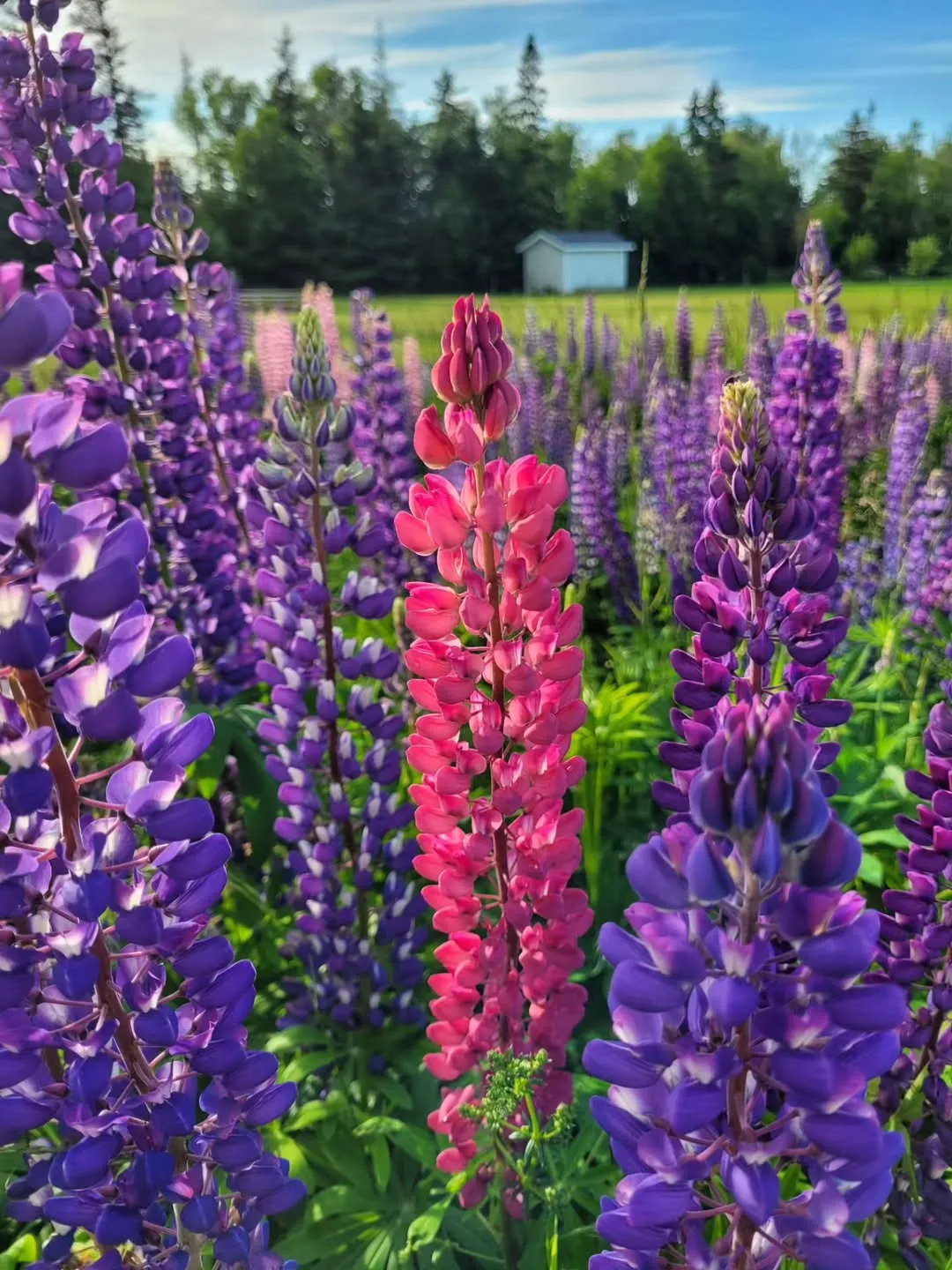
Lupines are perennials, which come back every year, and you do not have to worry about replanting them. They usually bloom from late spring to mid-late summer. These flowers are available in blue, purple, and red. Make sure they are not standing in soggy soil, and feed them organic matter, as soggy soil can cause root rot.
Lupines are tall enough (1.5-4 feet tall and 2-2.5 feet wide) to serve as a backdrop to Shasta Daisies that attract the eyes towards them. Lupin thrives in full sun. Seeds can be sown in fall to early spring, and well-established plants can be transplanted in fall.
Gladiolus (G. Hybrids)
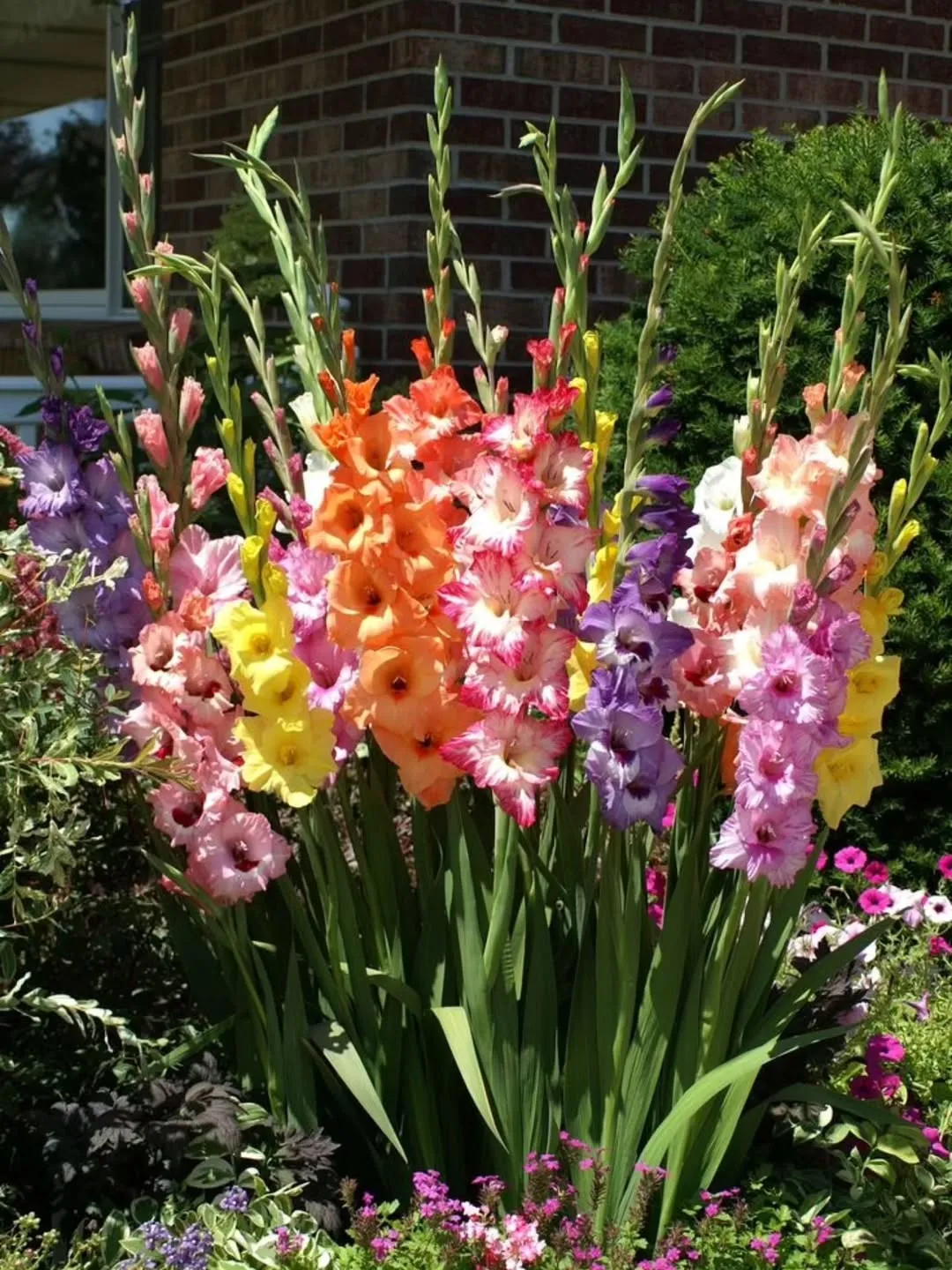
Gladiolus thrive in full sun and should be planted in mid to late spring. After planting, they flower from late spring to the end of summer. You can find flowers in white, lavender, yellow, orange, apricot, salmon, red, rose, purple, smoky, and even green.
Gladiolus prefers well-draining, nutrient-rich soil for healthy growth. As they can grow to 3-6 feet tall, it is advisable to plant them either alongside or behind Shasta Daisies.
Hydrangea (H. Macrophylla)
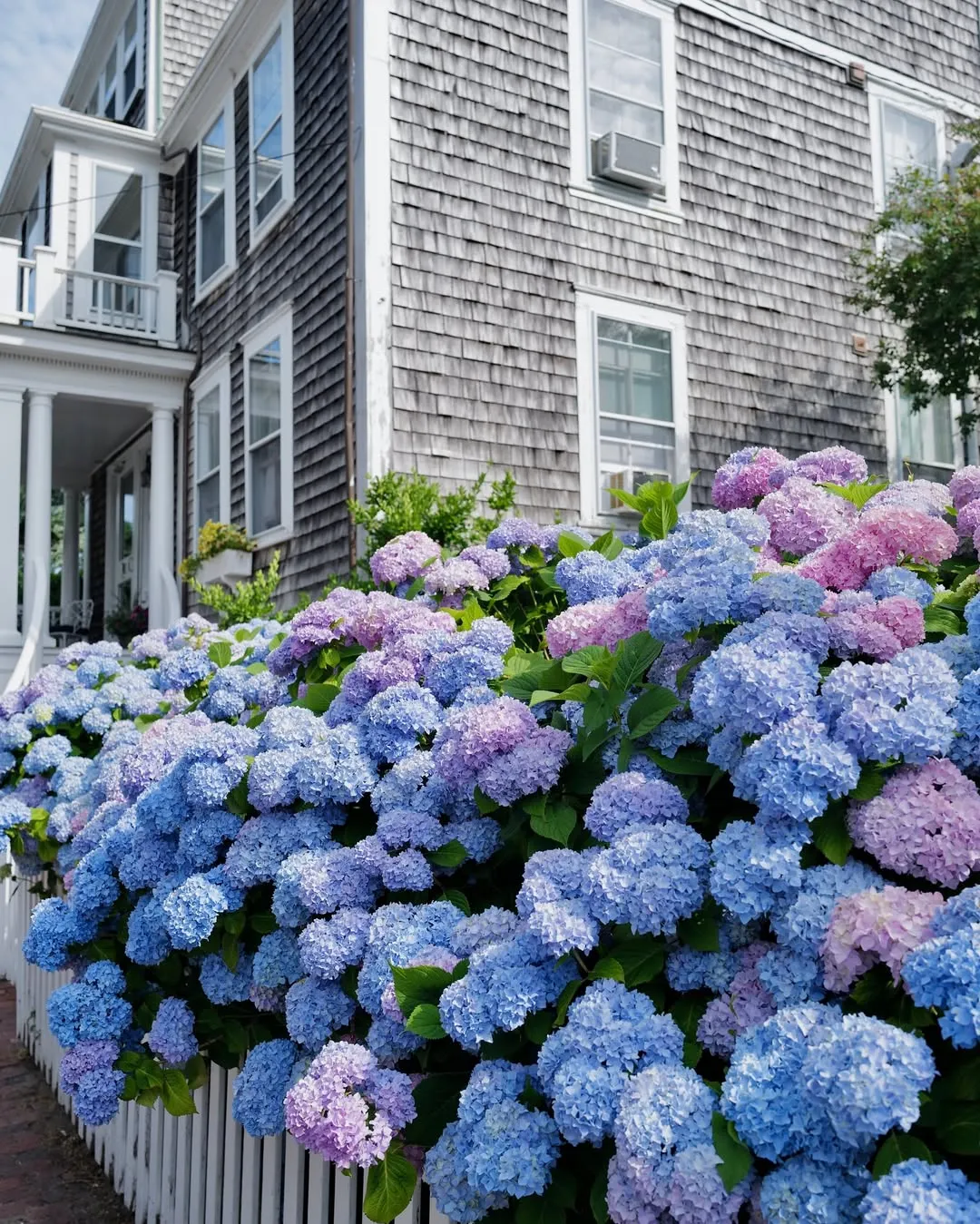
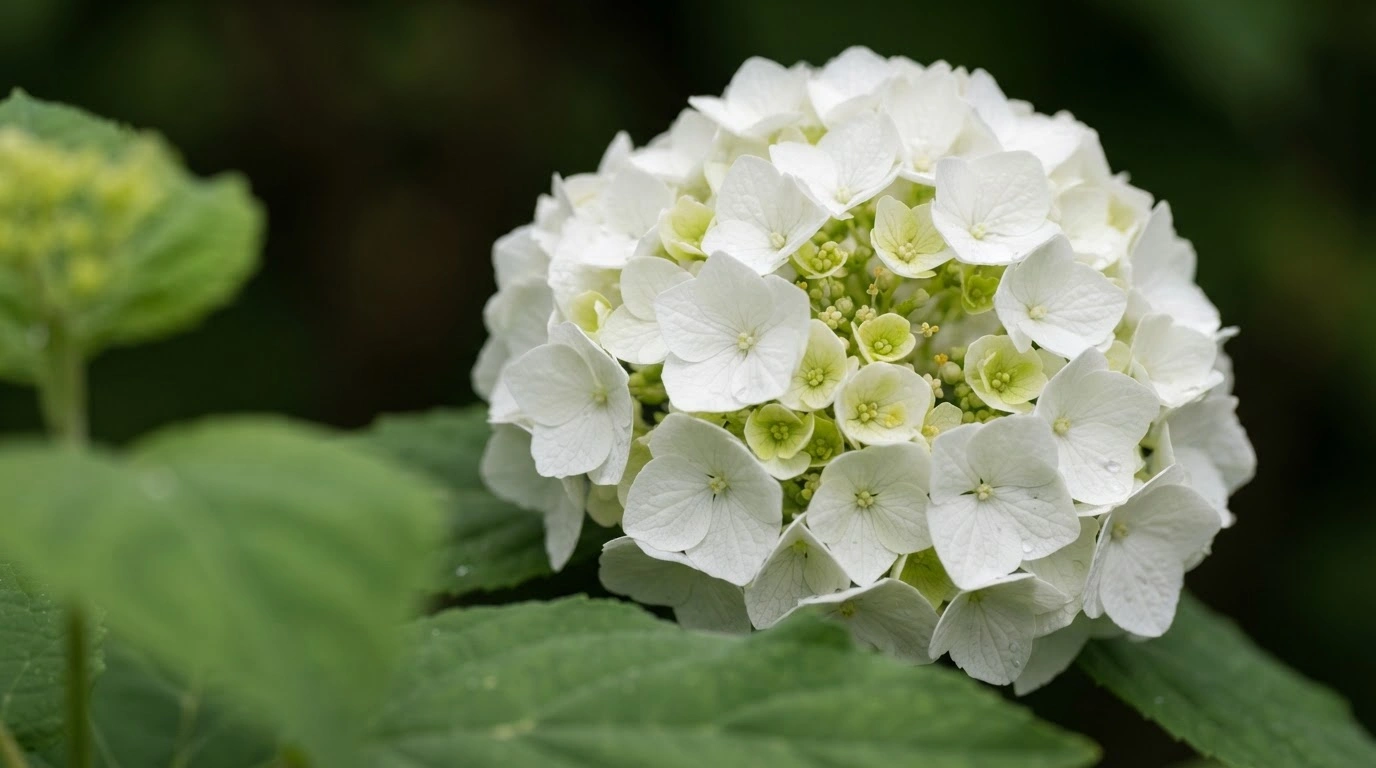
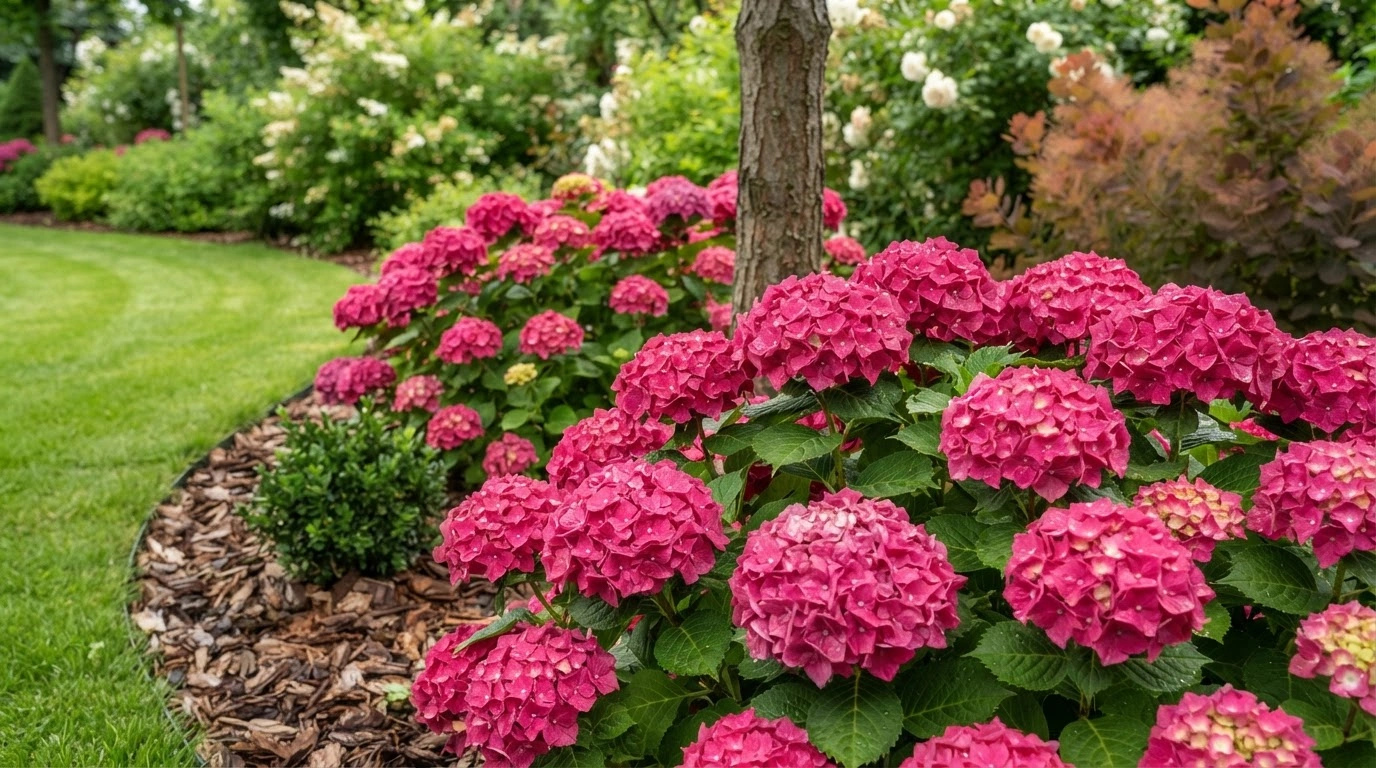
Usually, it is best to plant hydrangeas during the fall. However, it can also be planted in spring if you can take proper care of it. They are deciduous perennials that start blooming in early summer and may keep producing flowers until fall, depending on the climate and growing conditions. They bloom white, pink, red, or blue flowers, but the color may vary depending on soil acidity. They can reach the height and width of 4-8 feet; hence, they can be grown behind or at the sides of the daisies.
Winter Iris (Iris Unguicularis)
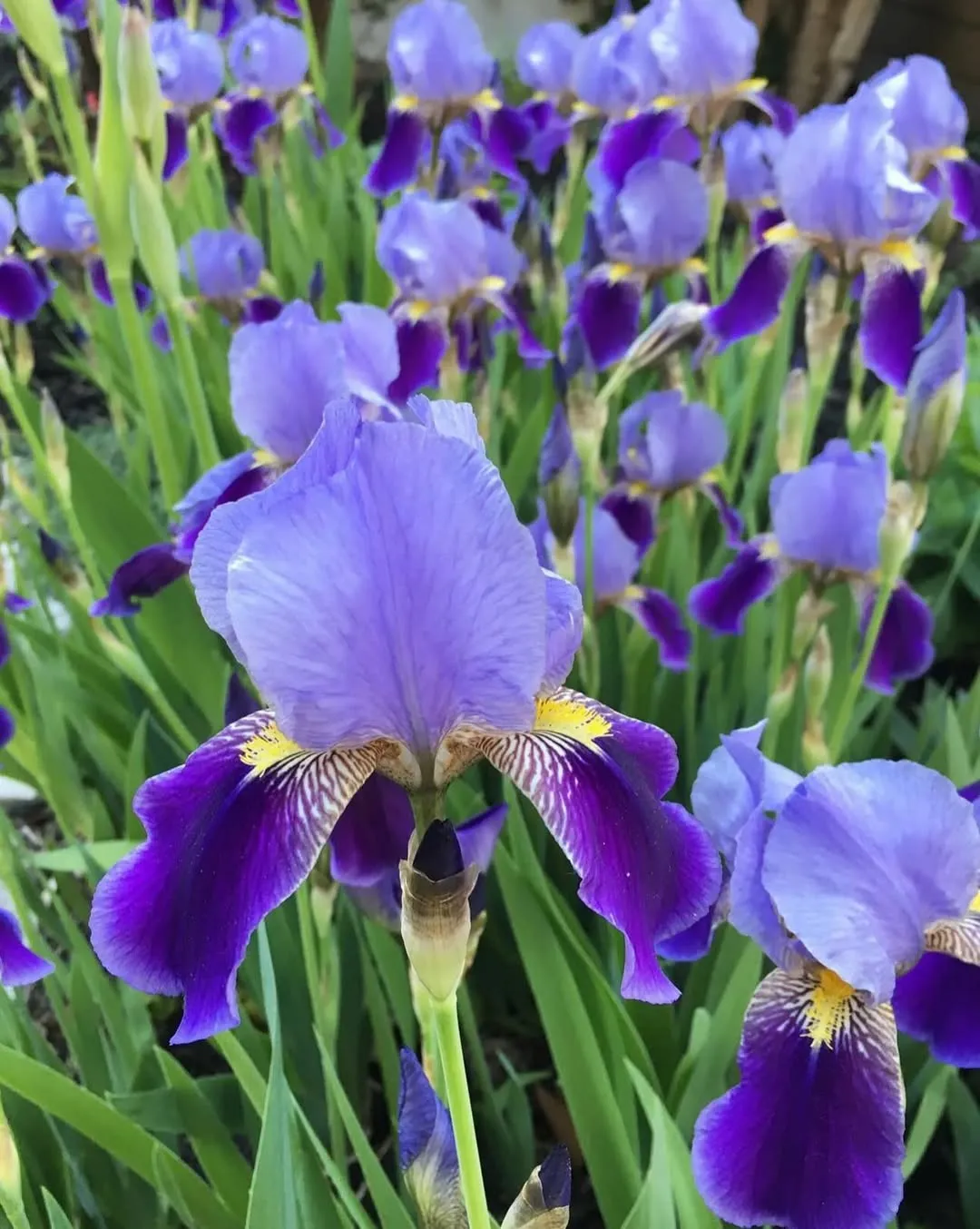
Winter Iris has long, beautiful leaves with wide-petalled purple flowers. The shape and color of Winter Iris complement the white, rounded petals of Shasta Daisies beautifully. They grow about 1 foot tall and bloom from late winter to early spring. They love full sun and moderate summer water. It must also be kept in mind that this flower is toxic to humans, cats, dogs, and horses.
Germander Sage (Salvia Chamaedryoides)
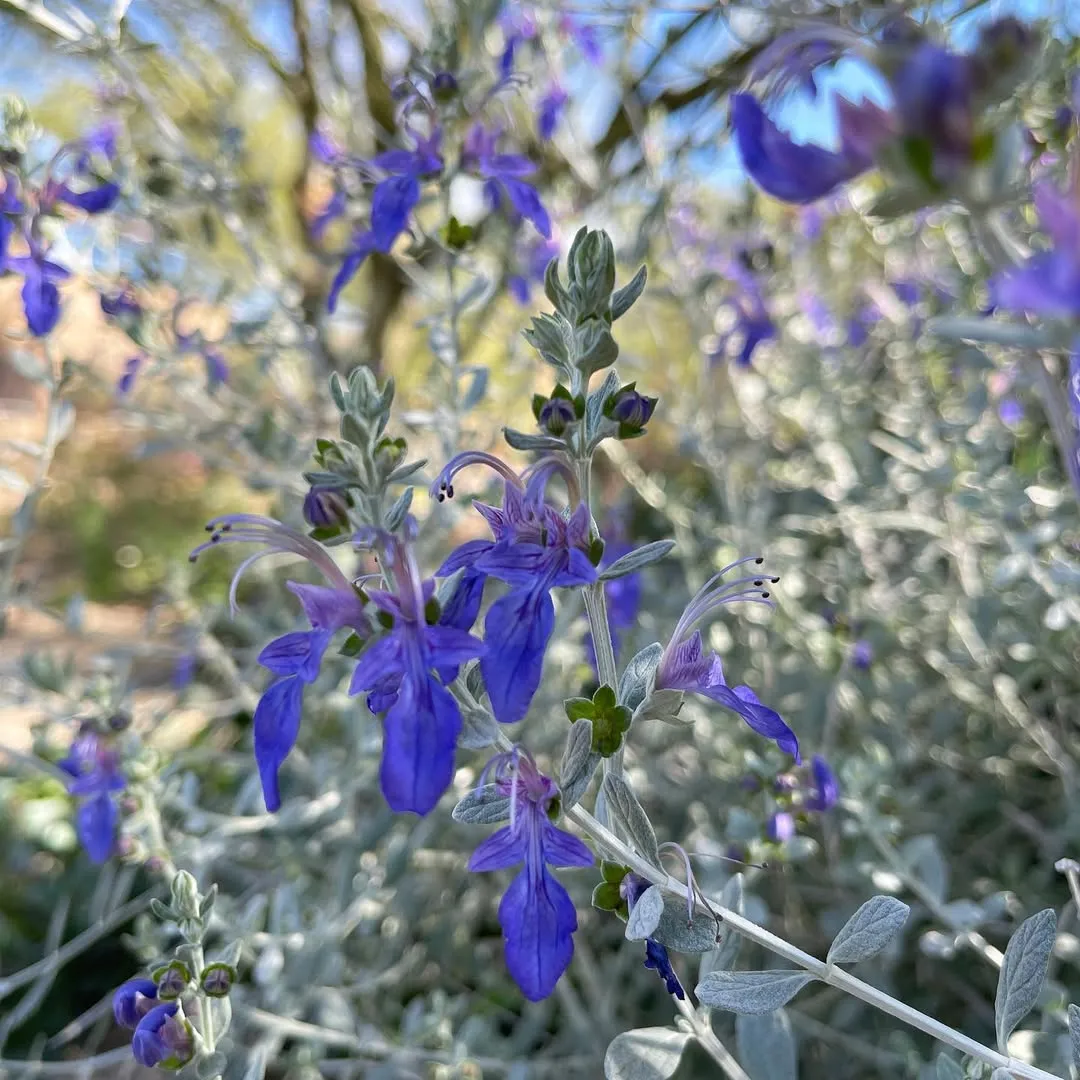
Germander Sage’s sky-blue flowers, along with the sage-green foliage, highlight the glossy green Shasta Daisy’s dark green leaves and its beautiful yellow and white flowers. They grow only 12 inches tall and can be positioned in the front or side of the daisies. Germander is a very low-maintenance plant and thrives in a warm, dry spot along the garden borders.
Ruby Grass (Melinus Nerviglumis)
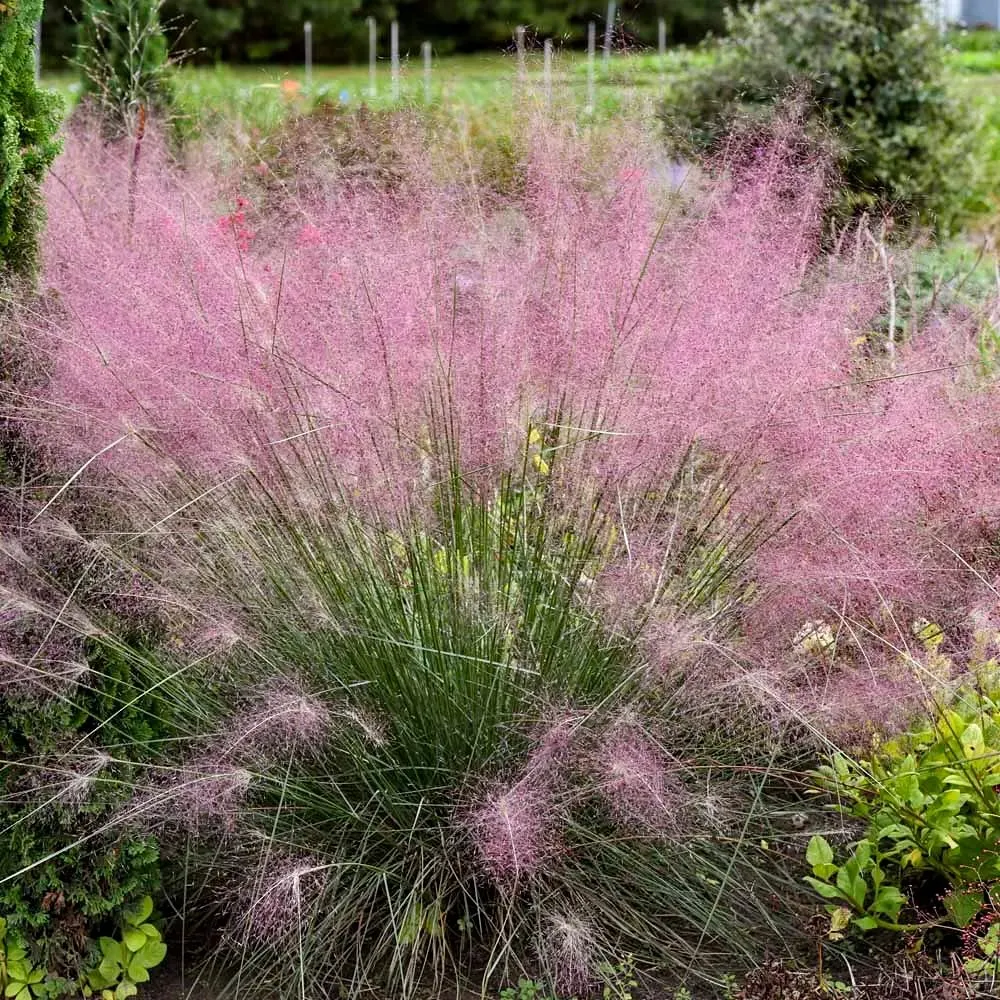
Gardeners rarely make grasses their first choice as a companion. But Ruby Grass is easy to care for and looks pretty when it blooms. Ruby Grass has a rounded, clump-forming habit similar to Shasta Daisies, creating a beautiful, harmonious look. Though the shapes are similar, their colors are quite different.
Ruby Grass produces soft, feathery flower heads in amethyst-pink color. Flowers reach 8-12 inches long and turn root beer red at maturity. They flower throughout summer and grow 1-3 feet tall and wide. They thrive in warm and dry conditions.
What Not to Grow With Shasta Daisy?
Aggressive Mints
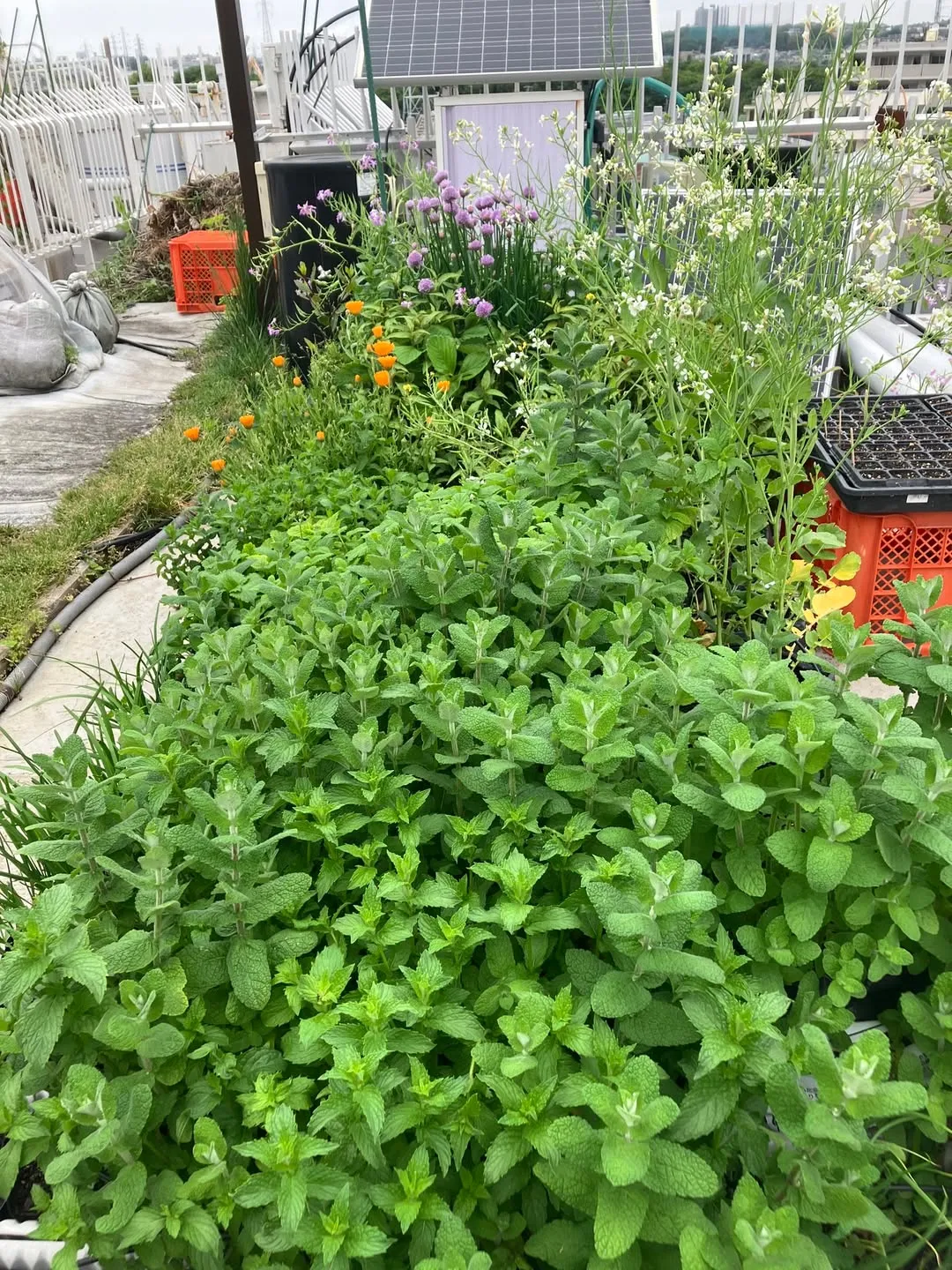
No doubt, mint smells wonderful, but they are aggressive in nature, which might take over the space wherever it is planted. The runners of the mint might push the daisies out of the way and steal all the necessary nutrients and space, too. The worst part is that the mint can overshadow the daisies and block the sun.
Tall Ornamental Grasses
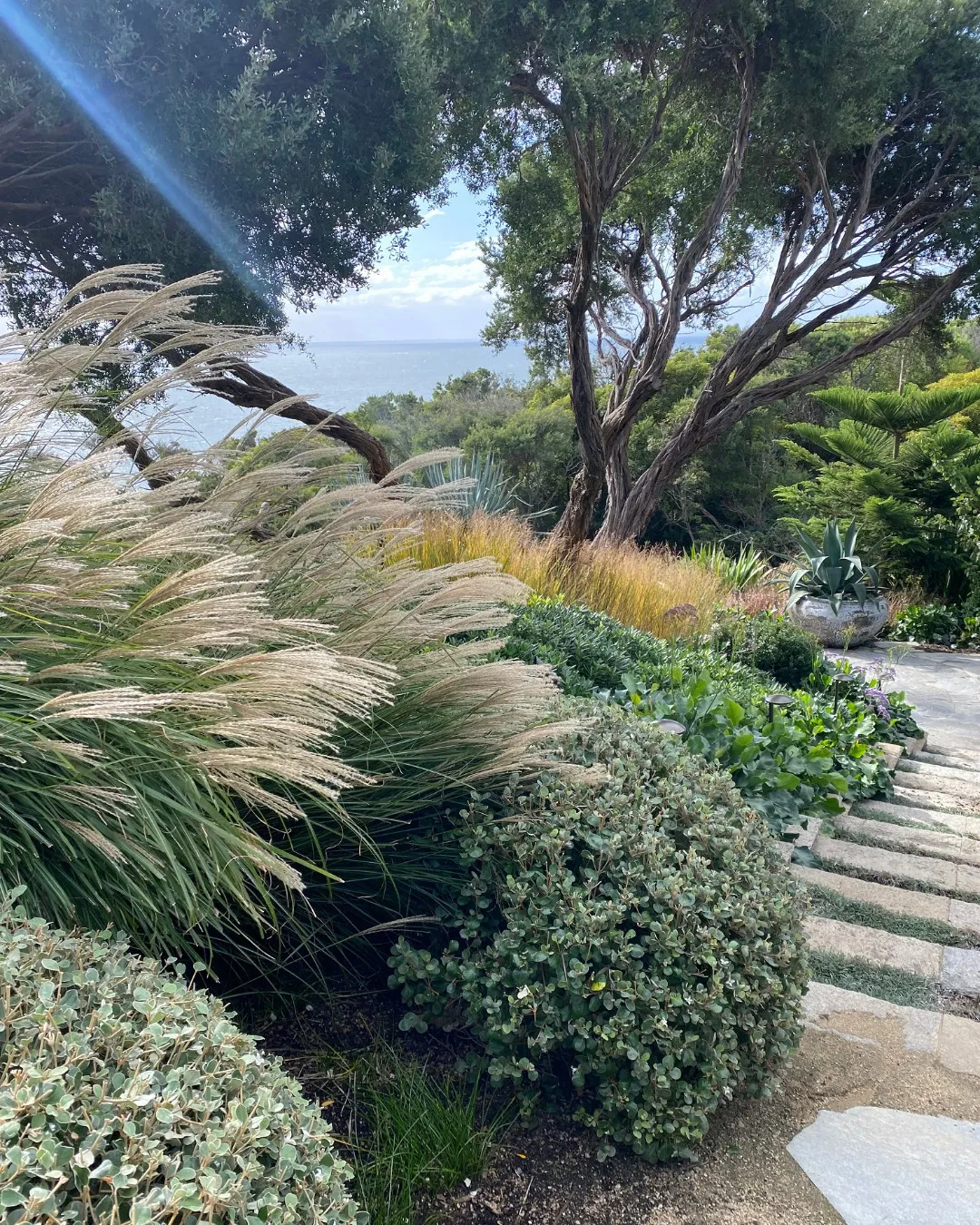
Ornamental grasses can be a great companion for Shasta daisies. However, certain varieties, such as Miscanthus or tall fescues, can grow large and dense. This might block the light, and they also compete for light and nutrients. These grasses grow very tall, which may overshadow the daisies completely.
Sunflowers
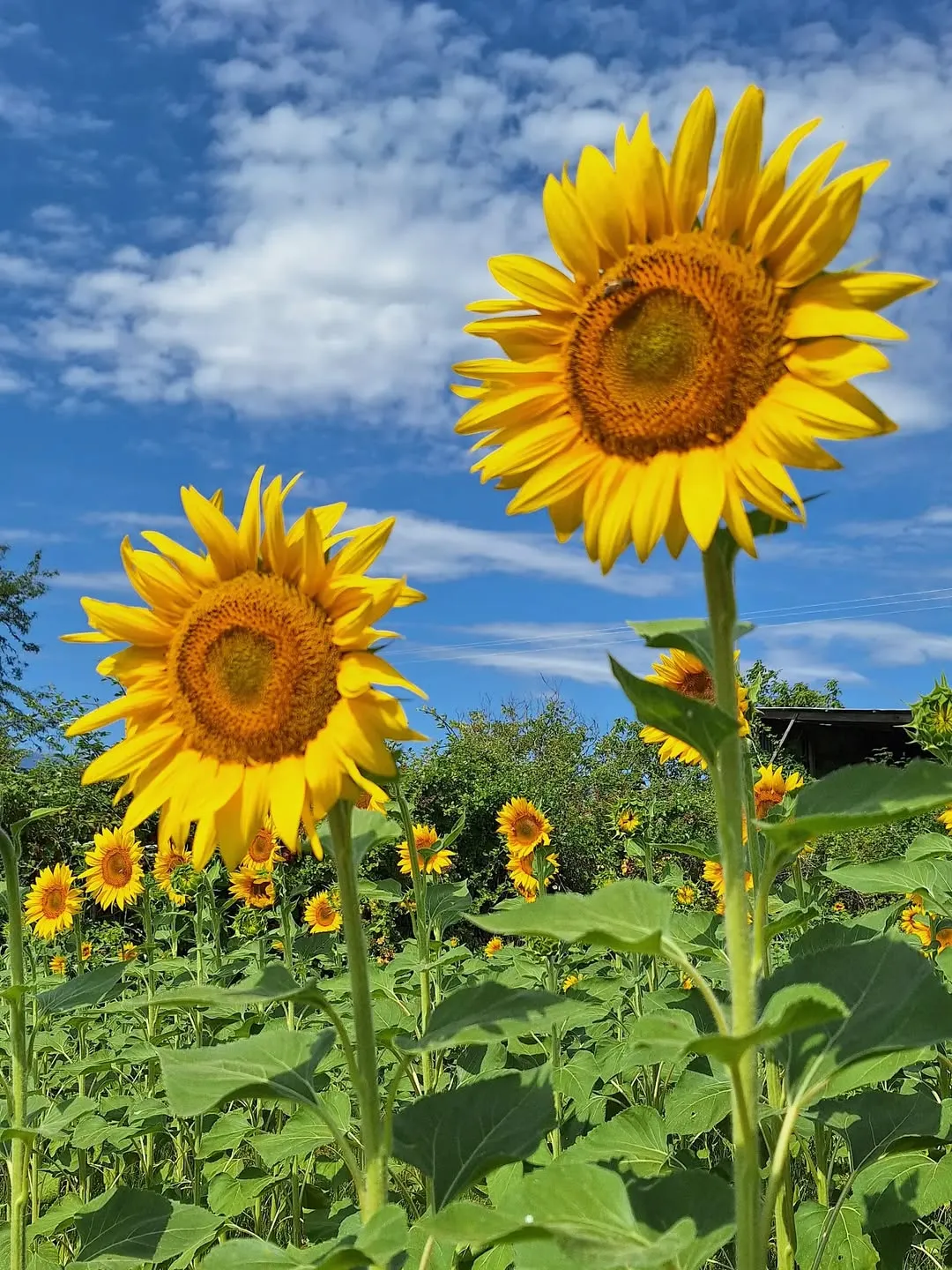
Sunflowers are large flowers, which may completely block the sun. Also, it releases an allelopathic substance that prevents nearby plants from growing. In addition, sunflowers can draw nutrients from the soil, leaving little or nothing for the daisies.
Aggressive Vines
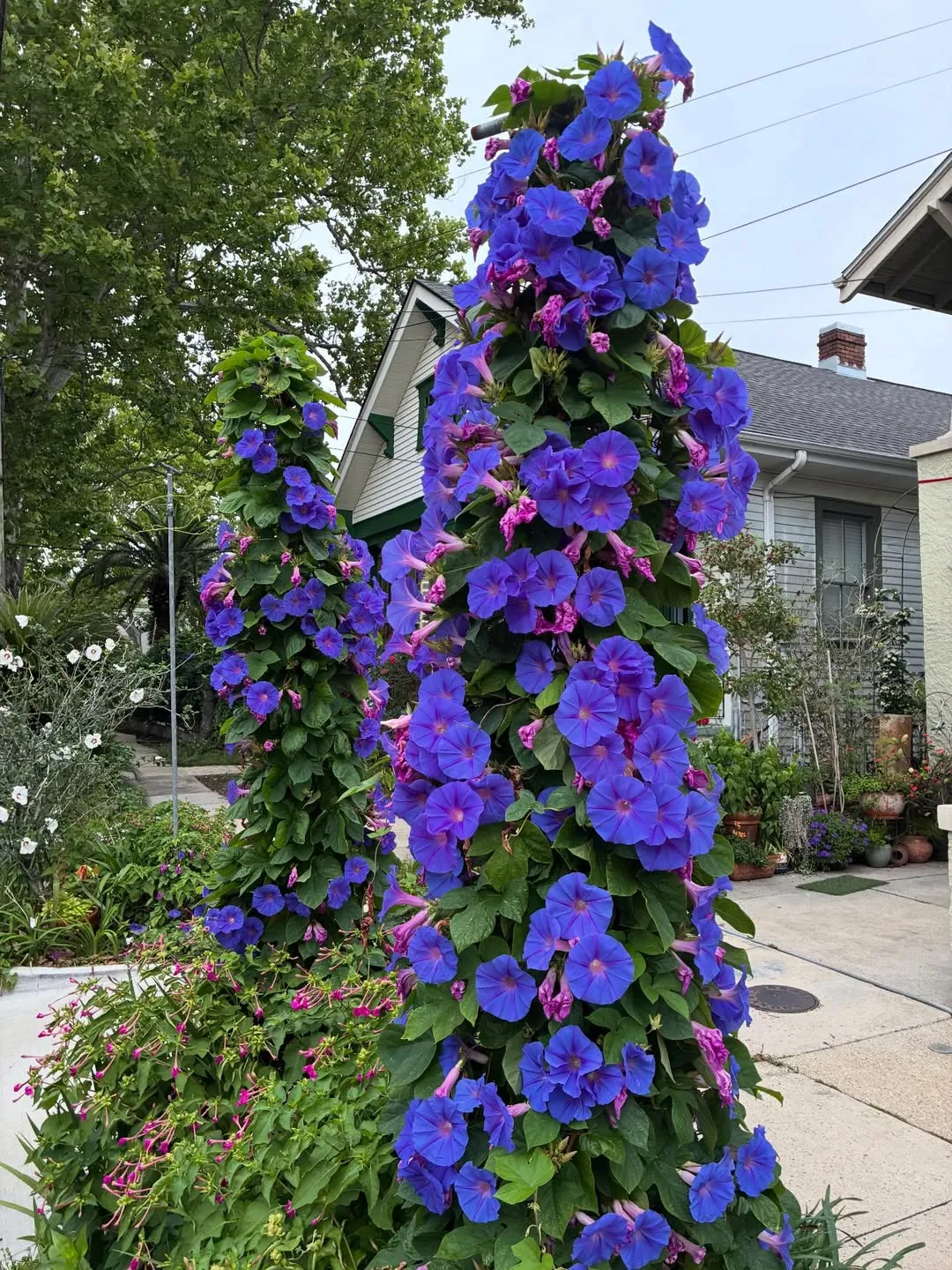
Aggressive vines, such as morning glories, can be problematic for daisies. They can use your daisies as a trellis, which can weigh them down, causing the daisies to bend or flop over.
Conclusion
Shasta Daisies are easy-to-grow perennials that pair beautifully with several flowering plants and ornamental grasses. Their bright white petals with yellow centers complement almost every color and texture.
When choosing companion plants, consider the watering needs, sun requirements, and other factors to determine which plants will pair well with the daisies. However, ensure to avoid overly aggressive or oversized plants that may compete with Shasta Daisies for sunlight, water, nutrients, and space.