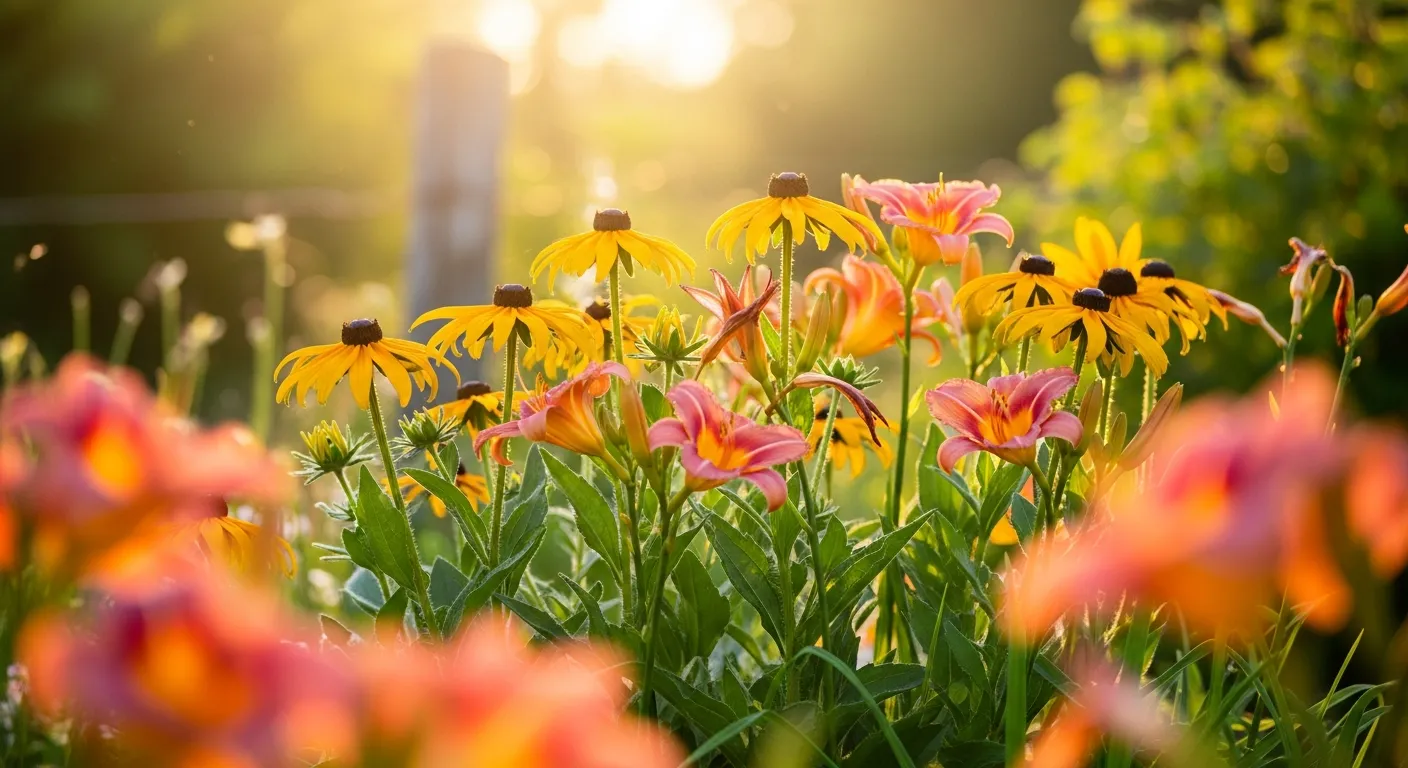
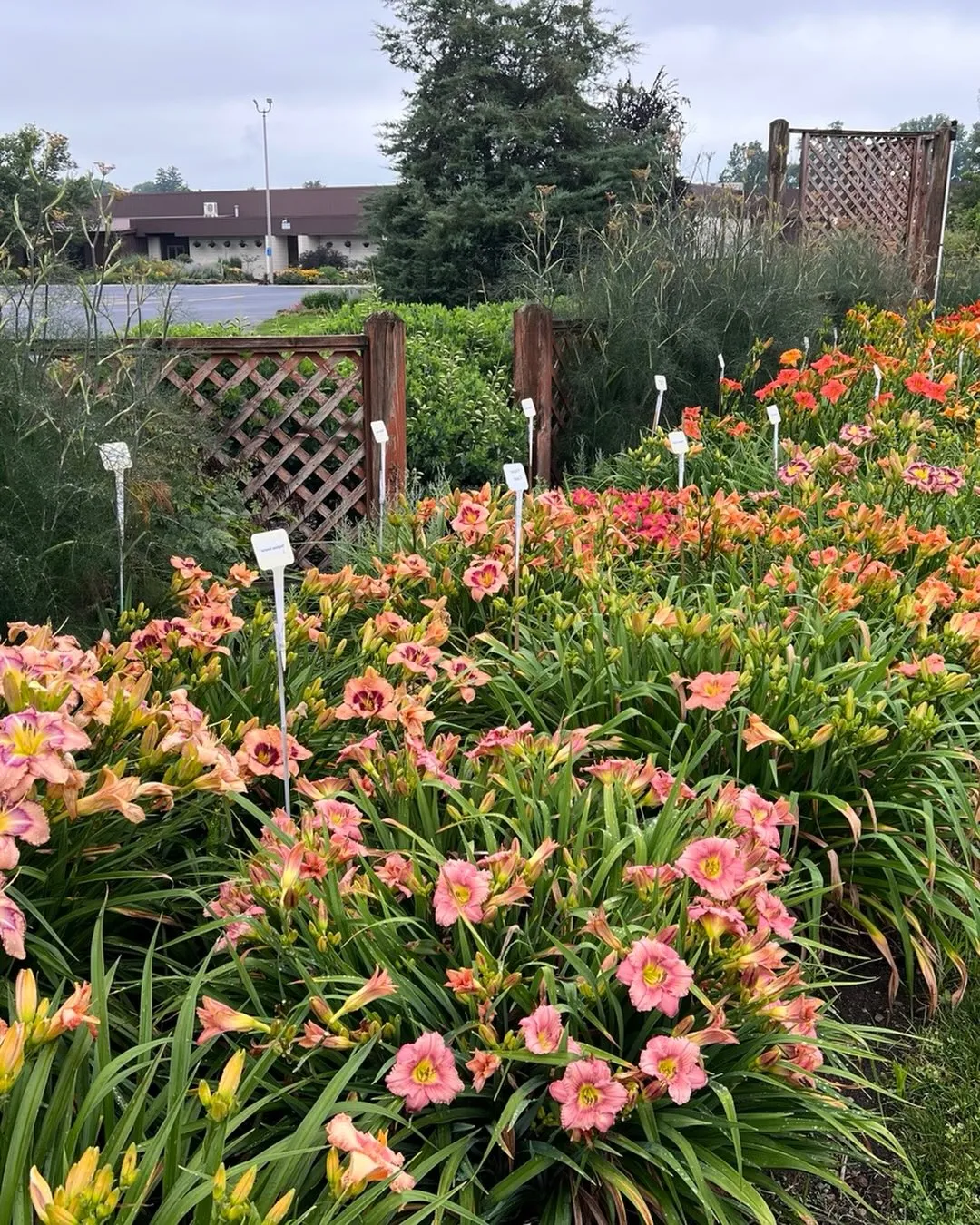
Daylilies, when mixed with other suitable plants, can create a beautiful display of flowers in the garden. Daylilies are known as “perfect perennials” due to their exceptional qualities, such as tolerance to drought and immunity to heat stress. Also, they are low-maintenance and available in a wide range of colors, shapes, and patterns that can complement any landscaping ideas.
When choosing a companion plant for daylilies, consider options that enhance the visual appeal. Daylilies bloom all summer, so pair them with plants that bloom at different times of the year to make the garden look fuller and interesting. Also, they should have similar traits so that these plants do not have to compete with daylilies for nutrients.
How to Grow and Care for Daylilies?
Daylilies thrive well in full sun. These plants need at least 6 hours of sun every day. They can also survive partial shade, but it won’t give many flowers. You can grow daylilies in containers at any time during the growing season. If you have ordered daylilies online, consider planting them within a few days of receiving them.
Depending on the region, the timing of planting should vary. In the South, plant them in spring or fall when temperatures are relatively cool. However, in the North, daylilies should be planted in spring so that the roots have enough time to establish before winter arrives.
How to Plant Daylilies?
Here’s a brief guide on how you can plant daylilies:
- Loosen the soil and add some compost.
- When planting, leave 12-18 inches of space between each plant.
- Place the crown about 1 inch below the soil surface.
- Water the plant well and cover the soil with bark or straw. This helps retain moisture and discourage weeds from growing around the plant.
- It is advised to water as needed during the first growing season.
How to Care for Daylilies?
Daylilies are quite resilient perennials. You need to water them about an inch per week, apply a 2-inch layer of mulch, and divide the clumps every 3-4 years to maintain vigorous blooming. Here is some care:
- Daylilies are drought-resistant, but can also thrive in moist soil. So, you can water them about 1 inch per week to prevent browning and produce more colorful flowers.
- Daylilies grow in most of the soil types, but it requires well-drained soil with added organic matter.
- Feed the daylilies with balanced, slow-release fertilizer in early spring, and add mulch to a depth of 2-3 inches around the base. However, when adding mulch, keep it at least 1 inch away from the crown of the plant to prevent rot.
- Individual flowers of daylilies last only for one day. So, if you find any spent flowers, cut them off the plant so that it stays looking good and the energy is directed towards the new buds.
- After one of the stems has bloomed entirely, cut the stalk from the base. When fall arrives, cut and trim away any dead or yellowing leaves.
How to Propagate Daylilies?
Daylilies form clumps after a certain period, which may cause them to reduce flowering. Hence, it is advised to divide the clumps every 3-4 years in early fall or early spring. Here’s how you can do that -
- Lift the whole daylily plant using a garden fork.
- Gently remove loose dirt and use a sharp knife or spade to cut the large clump into several small pieces.
- Each piece should have healthy roots and a crown.
- Cut the leaves back to 4-6 inches to reduce water loss and help the newly divided plants focus their energy on establishing roots rather than supporting lots of foliage.
What Makes a Good Companion Plant for Daylilies?
Daylilies are usually attacked by thrips, aphids, and spider mites, and the right companion plant drives them away. Before choosing a companion plant, you need to decide which colors and heights work best for an overall effect. Here are some factors to consider before choosing the right companion plant -
- Ensure that the plants have traits similar to daylilies. For example, the companion plant should prefer full sun or partial shade.
- Do not plant anything taller than daylilies, as it may create shade, which might stunt the growth of the plant.
- The plants you choose to plant with daylilies should also prefer well-drained, rich, slightly acidic soil.
Best Companion Plants for Daylilies
Lady’s Mantle (Alchemilla Mollis)
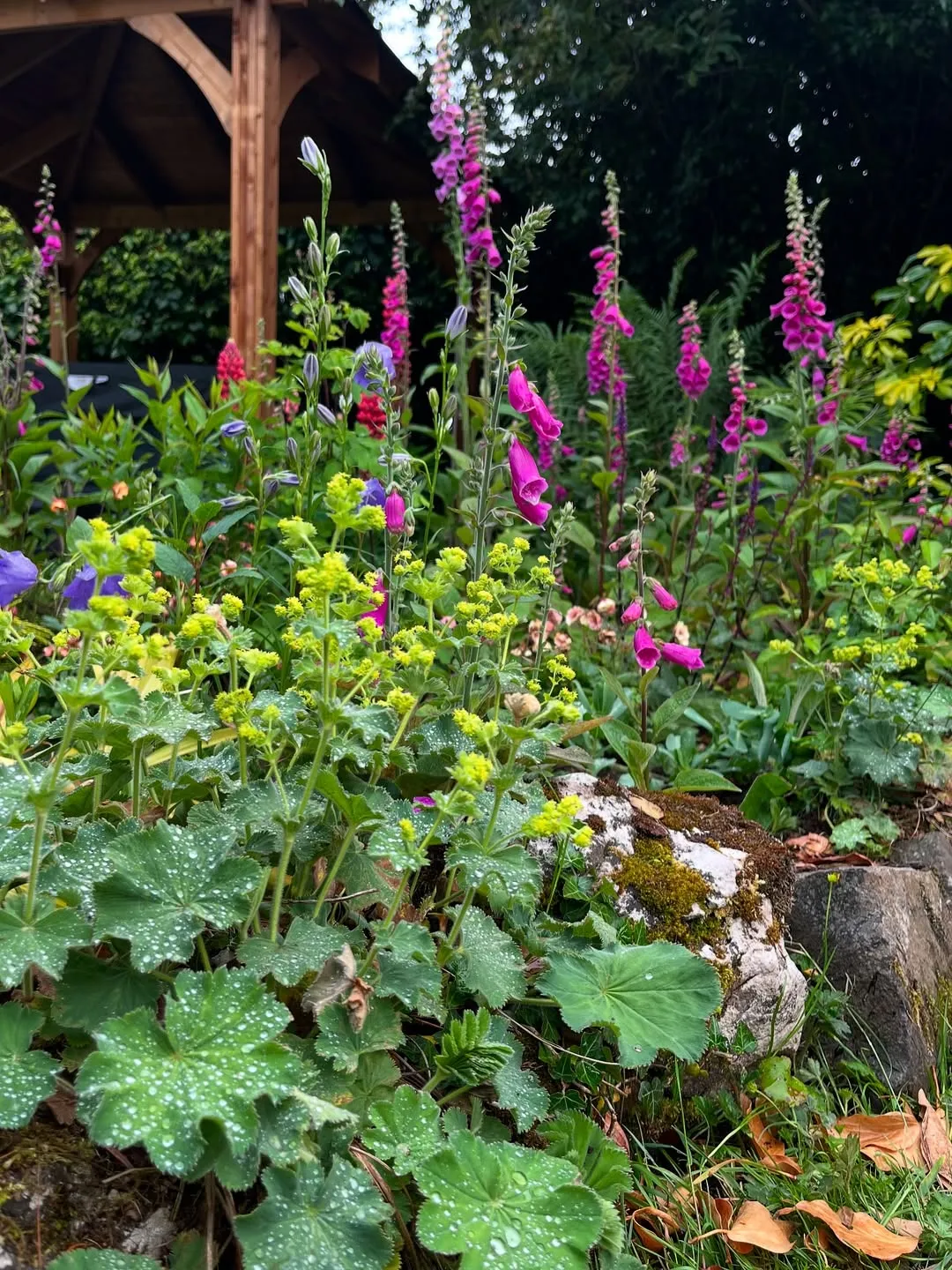
Alchemilla mollis has been cultivated since the 19th century and forms dense and leafy mounds of scalloped green leaves that contrast beautifully with the strappy foliage of daylilies. They add a striking finish to the border or pathways and go well with daylilies and other perennials.
White Sage (Artemisia Ludoviciana)
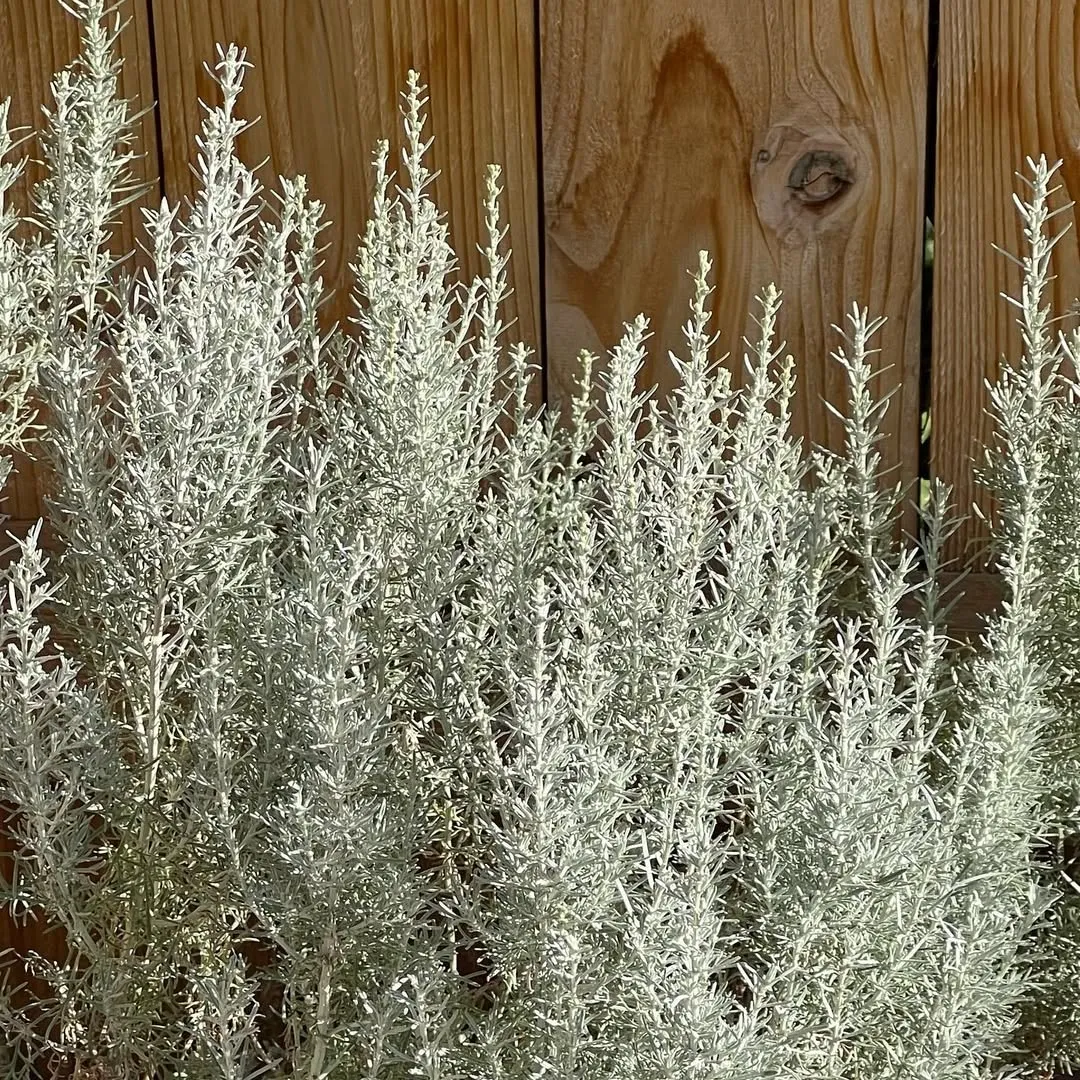
White Sage spreads extremely fast and is adored for its silver-white foliage. It forms a bushy clump that releases a beautiful scent when touched. This plant is quite resilient and can tolerate drought, in addition to deer and rabbits. Thus, making it one of the best choices for companion planting.
False Indigo (Baptisia Australis)
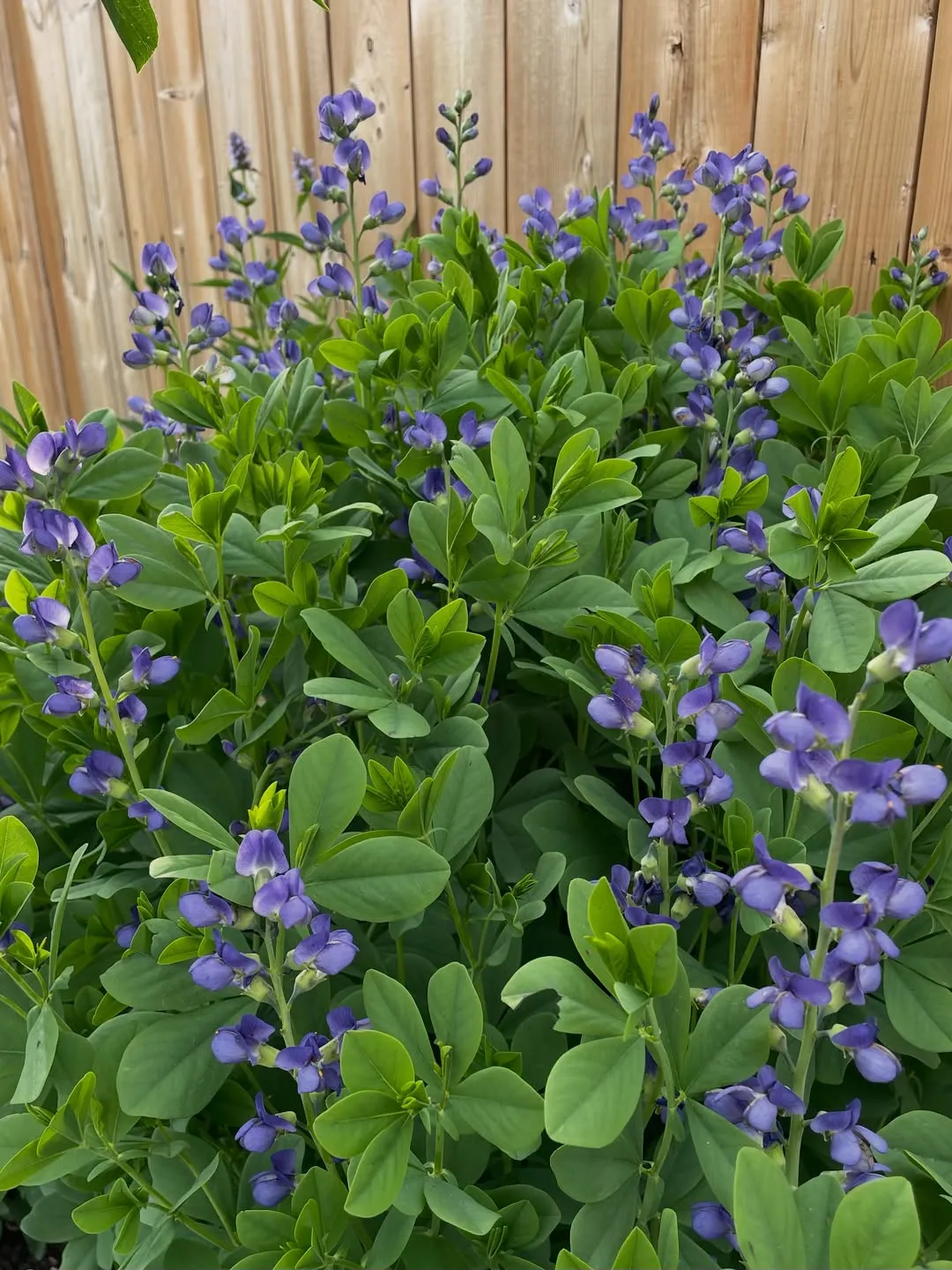
False indigo is a hardy perennial with beautiful spikes of indigo-blue flowers resembling lupines. It attracts pollinators, such as bees and butterflies, and helps the daylilies to grow as well. The blue-green, trifoliate leaves offer a beautiful backdrop to the daylily leaves all year round. After flowering, the plant develops intriguing seedpods that turn black in fall and persist into winter if not removed.
Baby’s Breath (Gypsophila Paniculata)
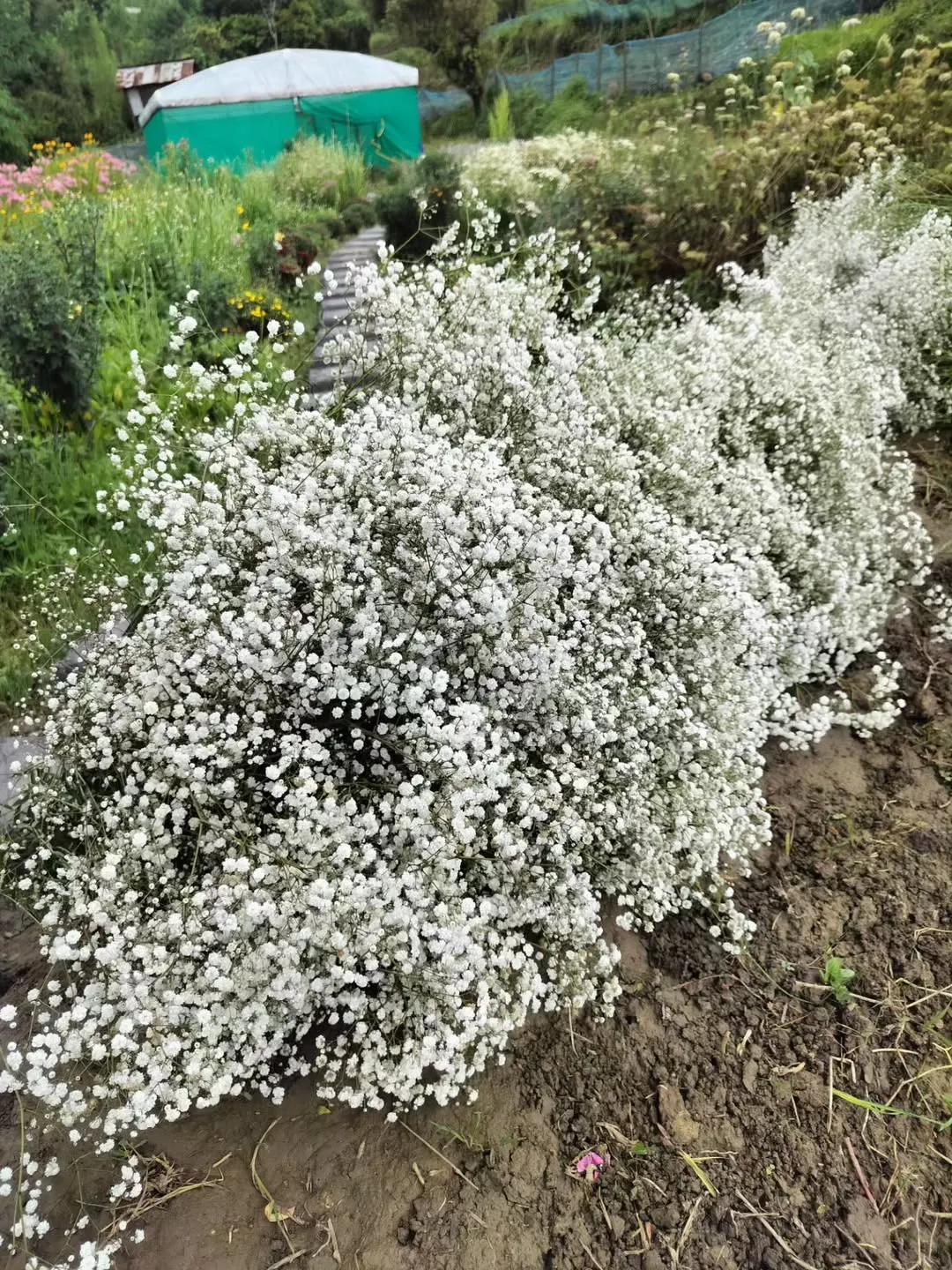
Baby’s breath is popular as a cut flower and in arrangements, with airy clouds of tiny white or pink flowers. They are known to add contrast and texture to the perennial border and bloom from early summer to fall. Their delicate appearance is exceptionally attractive and softens the surroundings with its beautiful, subtle white- or pink-hued flowers. Plus, this plant is low-maintenance and disease-free.
Blazing Star (Liatris Spicata)
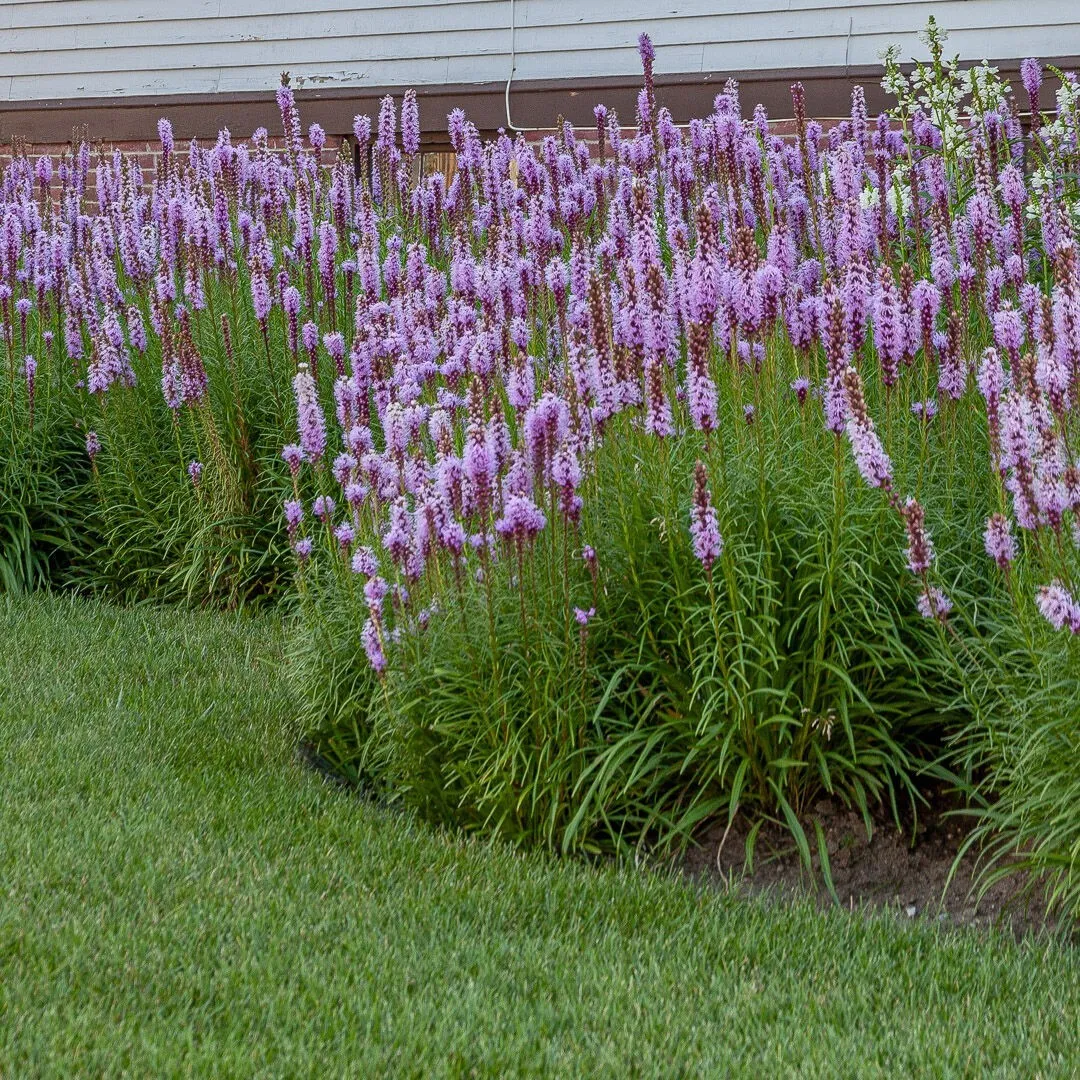
Blazing star is a bold perennial wildflower that features tall, feathery purple flower spikes and fine, grasslike foliage that bloom all summer. This plant loves sun and attracts several pollinators, such as butterflies, hummingbirds, and bees. It also tolerates mild drought and heat and can be planted along borders, in meadows, and in wildlife-friendly gardens.
Russian Sage (Salvia Yangii)
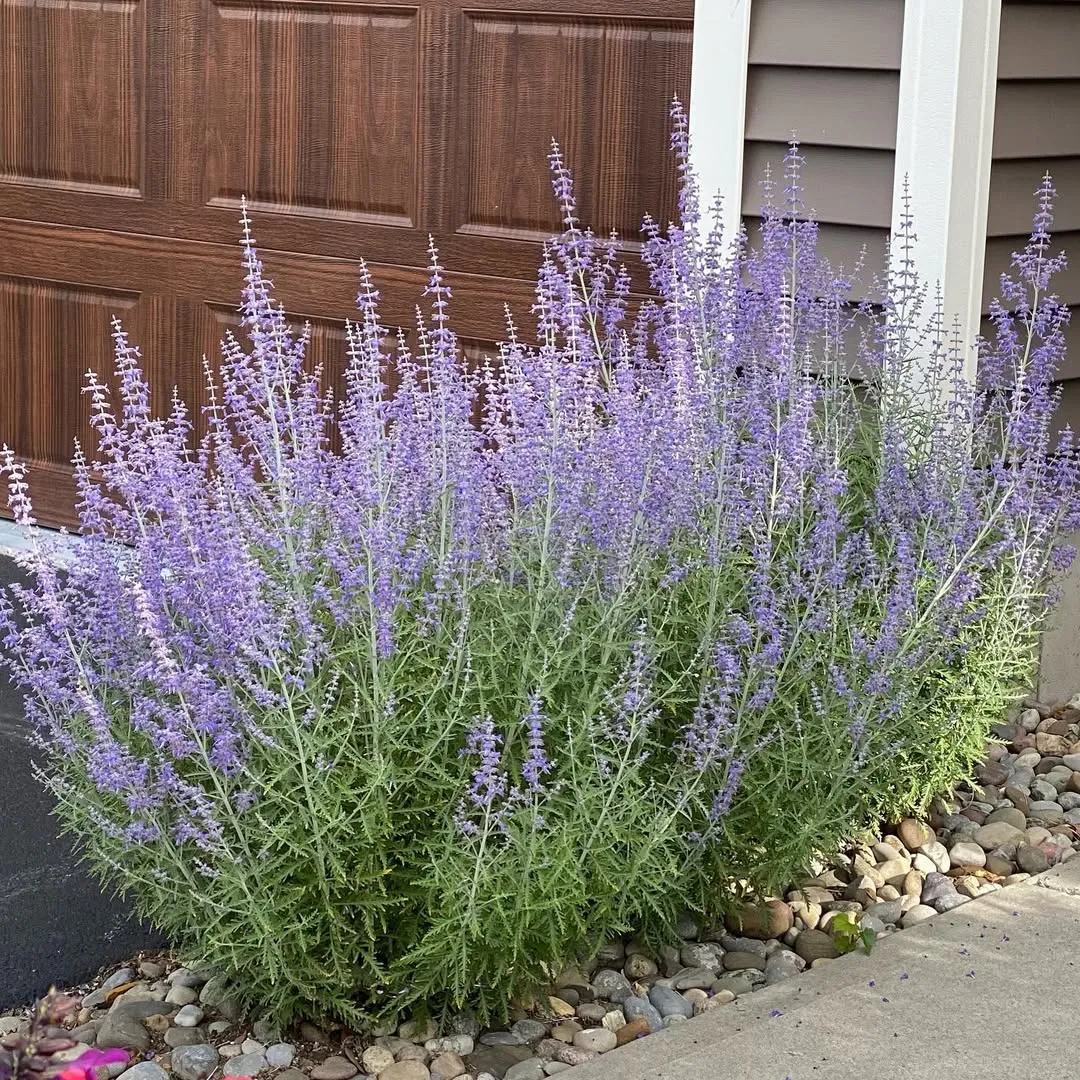
Russian Sage is well-known for its beautiful fragrant gray-green foliage and long, lavender-blue flower panicles. It is a woody-based deciduous perennial that blooms from mid-summer into fall, and thrives in full sun and well-drained soil. Russian Sage is heat- and drought-tolerant, perfect for xeriscaping and pollinator borders, and can even be grown in tough, dry locations.
Purple Fountain Grass (Pennisetum Setaceum ‘Rubrum’)
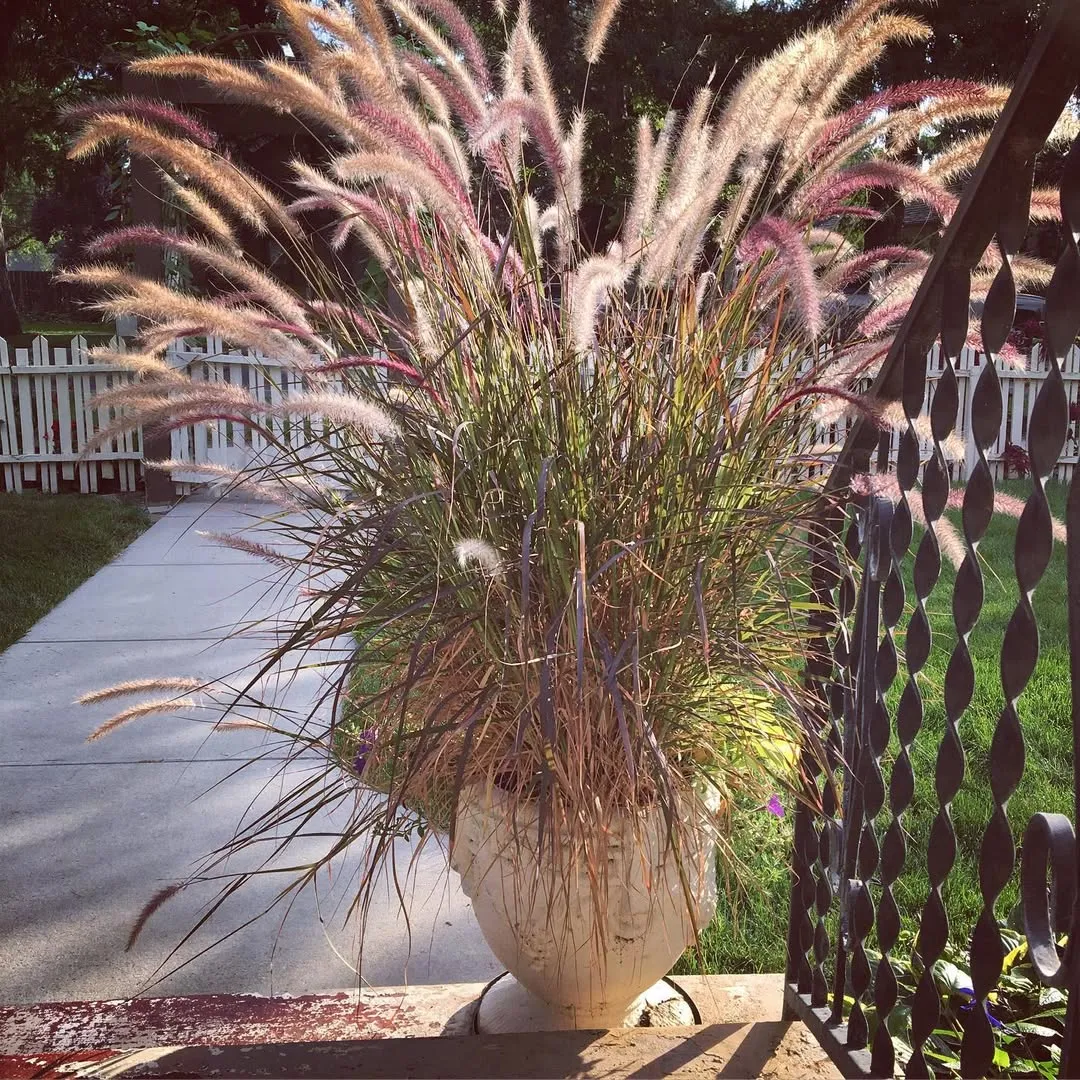
Purple Fountain Grass has beautiful, rich burgundy foliage and long, arched crimson plumes. This plant is low maintenance and has stunning features that complement the daylilies. It is drought-tolerant and deer-resistant.
Yarrow (Achillea)
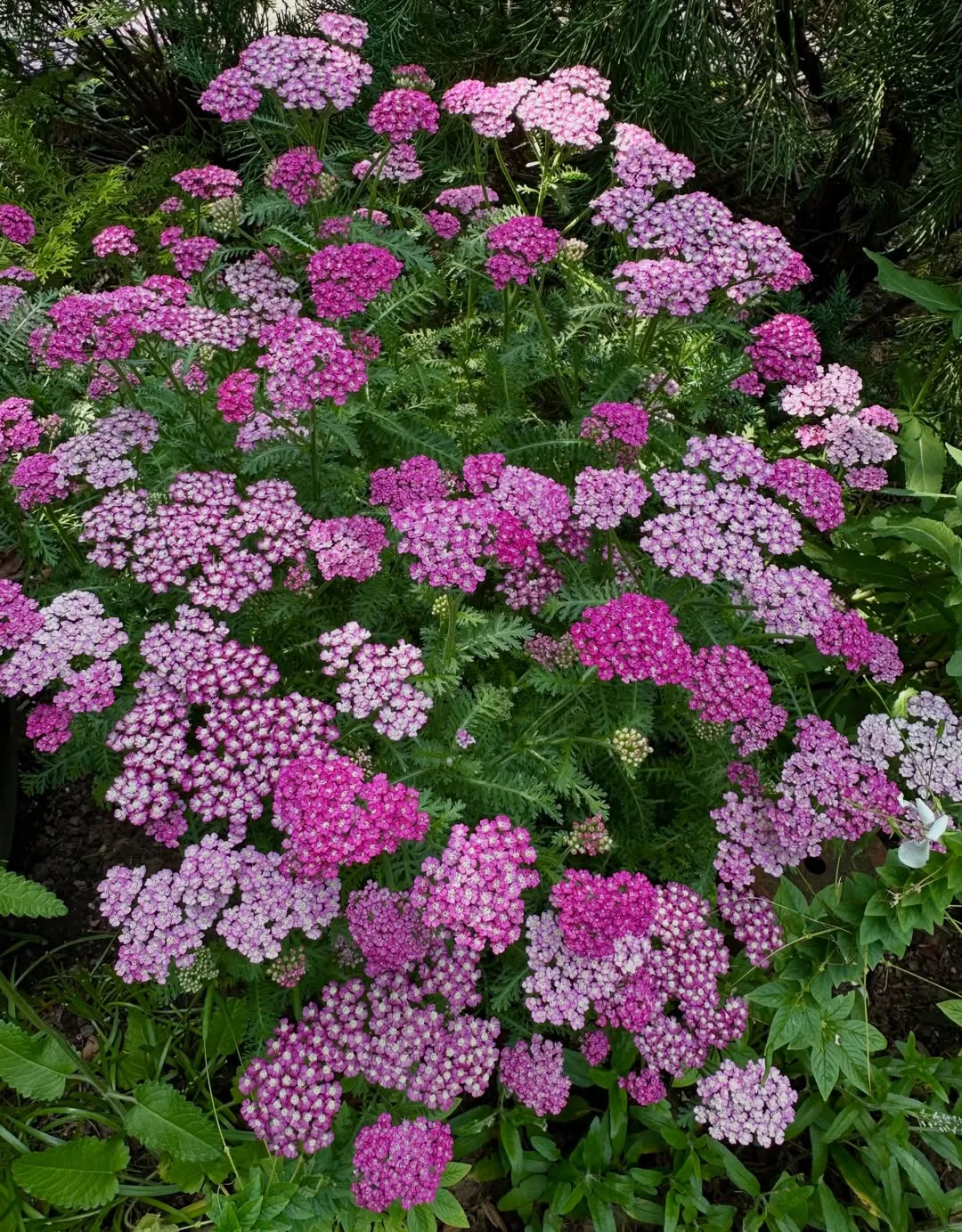
Achillea is most prized for its pleasant, fragrant feathery foliage and long-lasting, showy, clustered flowers. It is an important part of herbaceous borders or prairie plantings that blooms for weeks from late spring to late summer, and offers a wide range of colors.
What Else Can You Plant With Daylilies?
Here are some other options you can plant with daylilies -
Shrubs With Daylilies
Though it is not advised to plant daylilies with shrubs or under the trees, you can opt for shrubs with less aggressive root systems, such as Butterfly Bush, Lavender, and Shrub Roses. They make good companion shrubs, as long as their spread is checked and maintained on a regular 2-3 year schedule.
Perennials
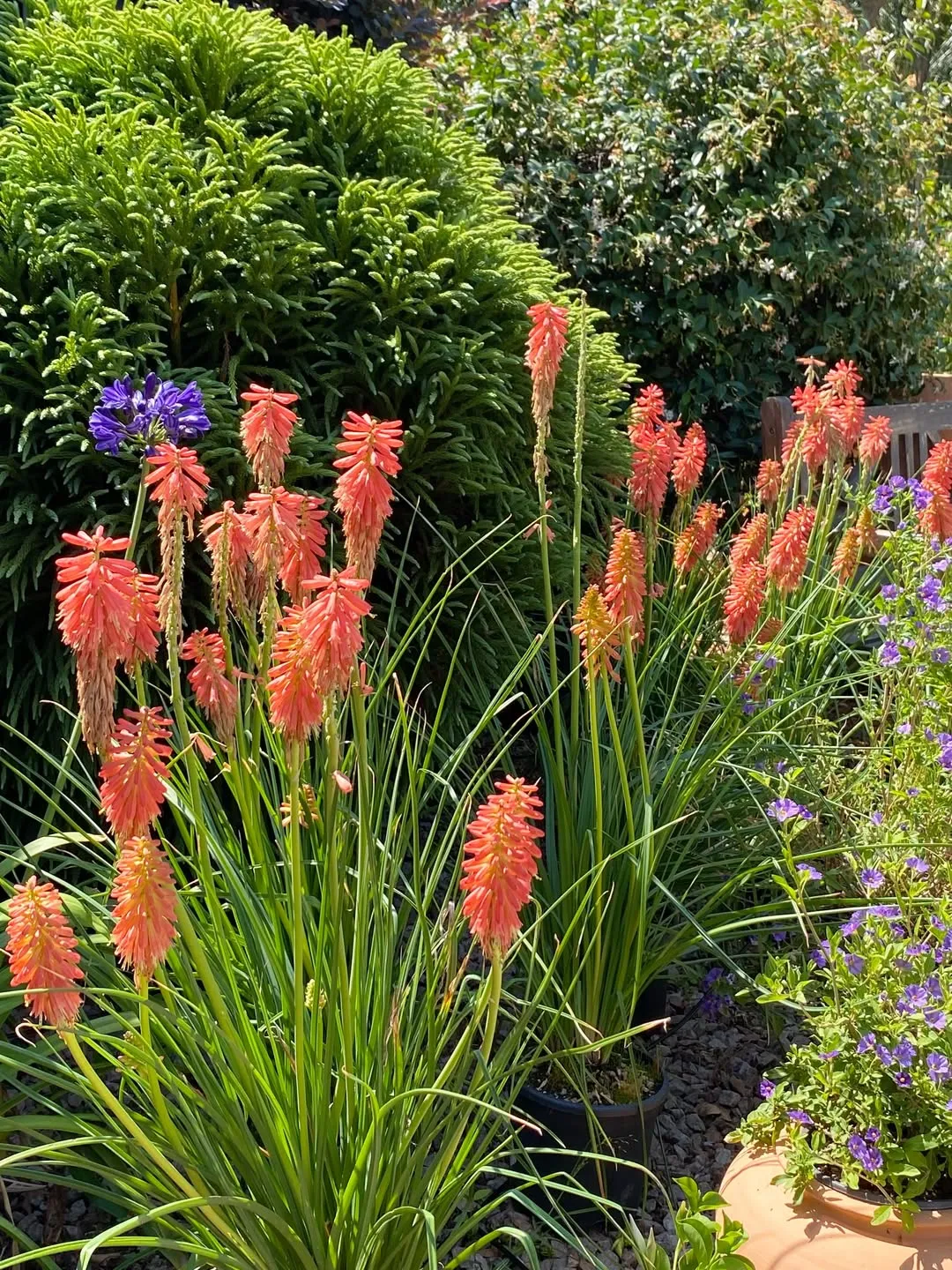
As Daylilies have mounded, grass-like foliage and tall flower spikes, they are easy to pair with perennials that prefer full to partial sun and slightly acidic, well-drained soil. You can plant ornamental grasses, Artemisia, and Hostas to add varying shapes and colors to your garden.
You can also plant Yarrow, Coneflowers, and Red Hot Poker as they are low-maintenance. In addition, Daffodils, Tulips, and Crocus bloom at the same time as daylilies, which offers a beautiful backdrop of fresh green foliage.
Annuals
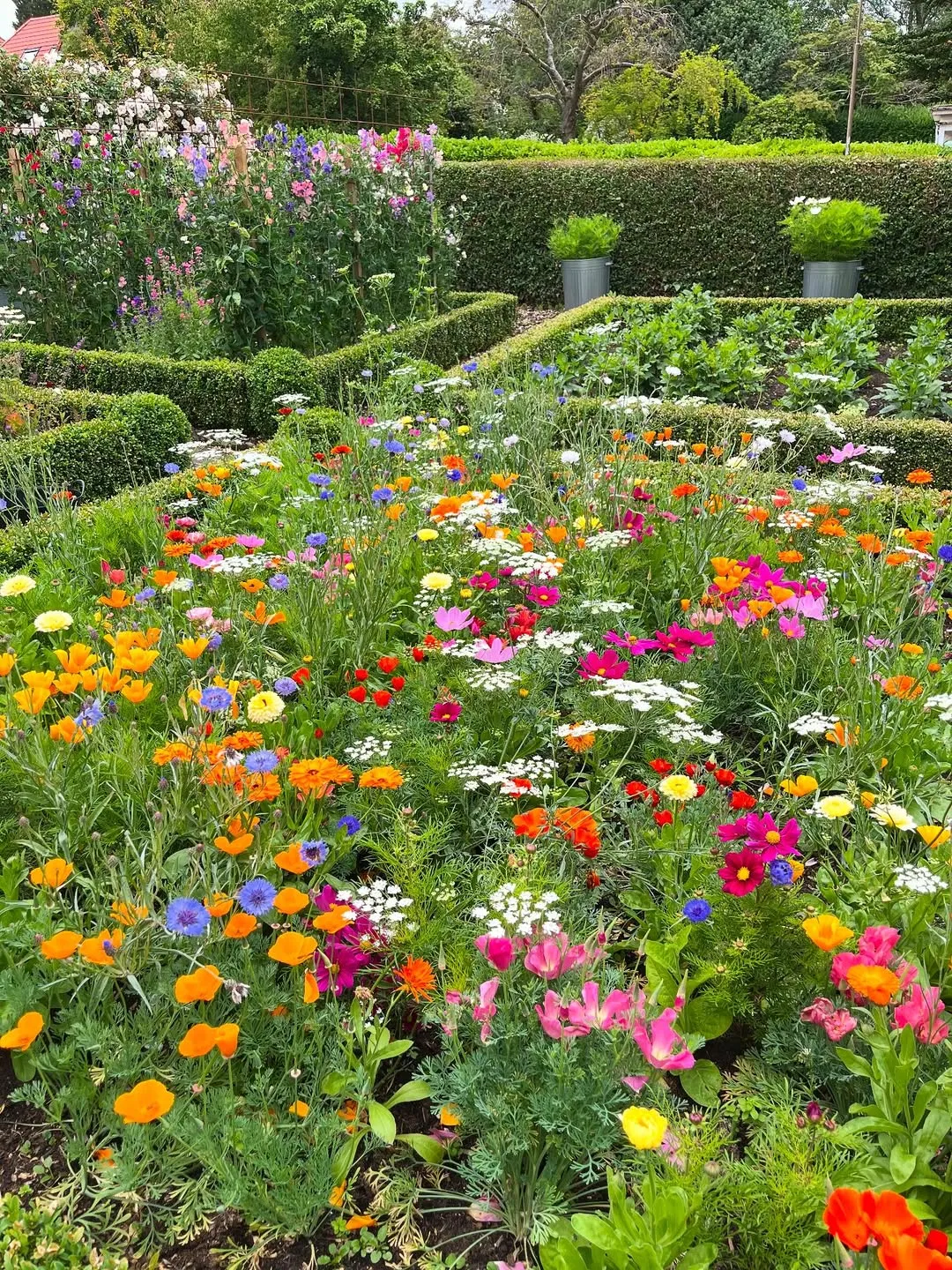
Planting annuals can be tricky; hence, you need to choose them carefully. This is because daylilies form large, dense clumps of foliage and annuals tend to compete with nearby plants for sunlight, water, space, and nutrients. It is advised to plant tall annuals that rise above daylily foliage, which provides long-lasting color to the garden to complement daylilies. You can consider annuals such as cosmos, cleome, zinnias, calendula, and French marigolds.
What are the Best Companion Plants for Daylilies in Containers?
Daylilies can be combined with many colorful plants to keep the space colorful. You can plant smaller varieties of daylilies (about 2-3 feet) in containers and won’t compete with other plants for space. You can fill the container with annuals along with daylilies. Consider spillers and fillers, such as petunias, sedum, ageratum, and alyssum, as they have shallow roots and won’t fight for the space.
Remember that watering a daylily planter can be a heavy maintenance task. The roots of daylilies are fibrous, which dries up quickly in a planter and remains sensitive to hot or dry spells.
Ensure the pot has good drainage so the lilies are not standing in pooled water. However, it is important to keep the potting mix moist throughout the summer. Also, keep the container in a place that protects it from heat waves to minimize stress and reduce water demand.
What Not to Grow With Daylilies?
Daylilies should never be planted with moisture-loving plants or aggressively spreading ground covers. To elaborate, here are some plants you should avoid growing with daylilies -
- Bog and wetland plants, such as gunnera, marigolds, and reed grasses.
- Thirsty trees and shrubs, such as willows or maples, as they have shallow and greedy root systems.
- Aggressive ground covers, such as bee balm, as they can compete for space and might overpower daylilies.
- Slug-prone annuals, such as pansies, should also be avoided.
Conclusion
Daylilies, when paired with several plants, make them one of the most versatile perennials in the garden. Whether you choose flowering companions, ornamental grasses, or shrubs, ensure the selected plants share similar traits so they do not compete for sunlight, soil, space, or watering needs. Choose plants with different bloom times, so that your garden looks beautiful and dreamy all year round.