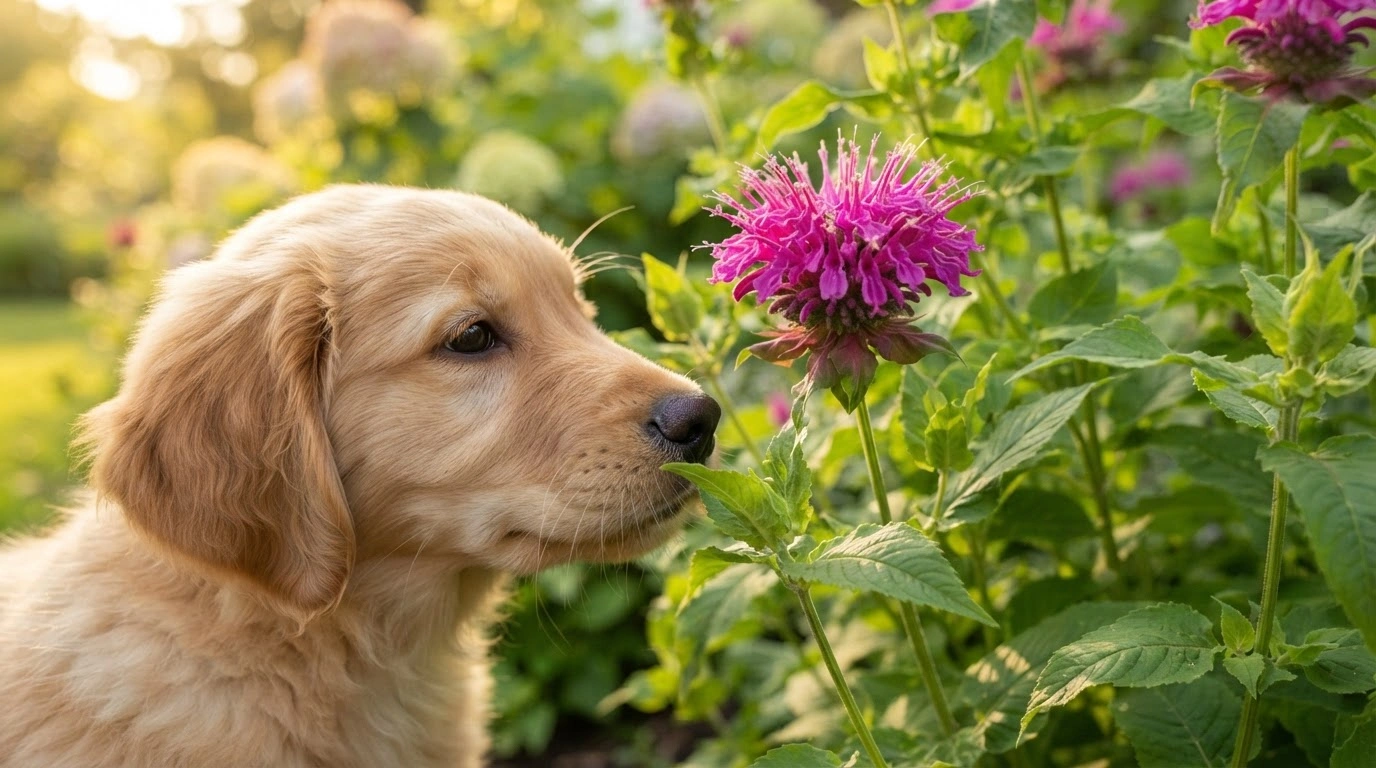
Bee balm is a well-known plant appreciated for its beautiful flowers and leaves. However, for pet parents, a common concern is whether bee balm is toxic to pets or safe. Bee balm belongs to the mint family, and its flowers and leaves are edible. However, if pets consume significant amounts of the plant, it may upset their digestive system, leading to health issues. This blog clarifies if bee balm is toxic to dogs, what happens if a dog eats bee balm, and what you should do if they eat bee balm.
Is Bee Balm Toxic to Dogs?
Bee balm is usually not toxic to dogs; rather, it is used as an ingredient in herbal treatments and in medical applications for dogs. Dogs get attracted to the colorful and aromatic scent of flowers, but they avoid nibbling leaves as they dislike the taste. However, when dogs eat an excess of fibrous plant material, it can result in gastrointestinal upset, vomiting, and diarrhea.
What Happens if a Dog Eats Bee Balm?
It’s difficult for dogs to digest most of the plant matter, so when they consume high amounts of fibrous plant material, you may notice symptoms such as:
- Vomiting
- Diarrhea
- Drooling
- Mild stomach discomfort
- Loss of appetite
- Bleeding gums
- Nosebleed
- Lethargy
- Weakness
The severity of the problem depends on the dog's immune system and weight.
What Should You Do if Your Dog Eats Bee Balm?

If you notice any symptoms, such as vomiting or weakness, visit the veterinarian immediately, as the doctor can assess the severity of the problem and address it accordingly. The other way is to contact the “Pet Poison Helpline”.
| Notes | Don’t induce vomiting unless suggested by your veterinarian. |
Precautionary Measures to Consider to Avoid Adverse Situations
Prevention is better than cure, so you can avoid exposure of your pet to toxic plants by spraying vinegar or sprinkling cinnamon pepper. This will keep pets away from the plants, which can cause health hazards if ingested. The other way is to designate a specific corner of your house for toxic plants where pets can’t go.
There are other means (floral gifts or bouquets) by which toxic plants reach your home, and pets often nibble it. Therefore, keep an eye on any floral gifts, limit dogs' access to areas around the plants, fence the landscape and flower gardens, and opt for non-toxic or artificial plants for decorating your house.
Other Common Garden Plants That Are Toxic to Dogs
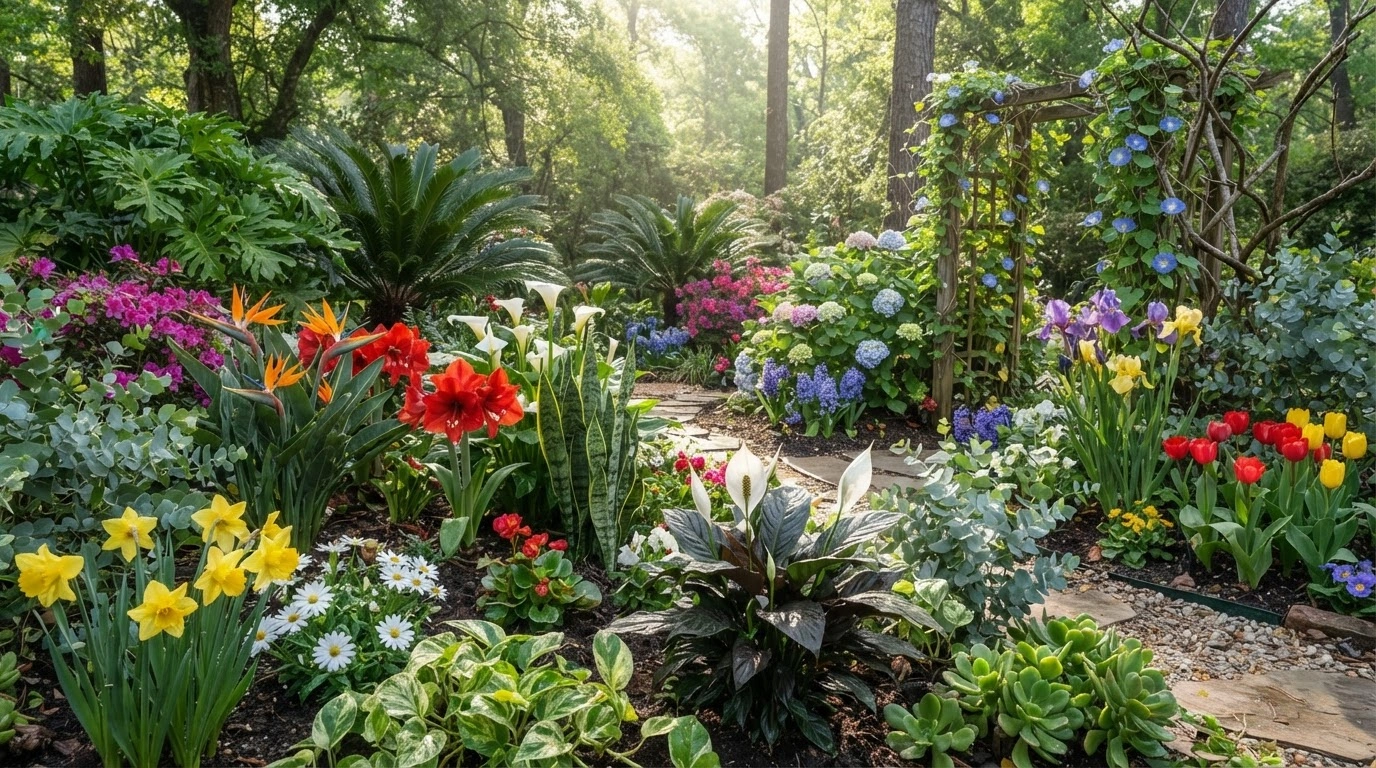
Apart from bee balm, there are other plants that are toxic to dogs that you should avoid. Here is the list of such toxic plants:
Sago Plant
Even if dogs consume a small amount of sago plant, it can cause reactions because it is highly toxic.
Philodendron
It can cause irritation in the mouth and digestive tract because of the presence of certain compounds.
Pothos
It can cause vomiting and oral irritation.
Peace Lily
It causes discomfort as it contains calcium oxalates.
Snake Plant
If dogs ingest snake plants, it can cause nausea and vomiting.
Amaryllis
If ingested, this plant can cause vomiting, depression, diarrhea, excessive drooling, abdominal pain, anorexia, and tremors.
Azalea
Though it's commonly seen in backyards, it can cause vomiting, diarrhea, low blood pressure, weakness, cardiac failure, or coma.
Bird of Paradise
If dogs ingest this plant, it can cause oral irritation, excessive drooling, vomiting, lethargy and difficulty in swallowing.
Daffodil
Many gardeners prefer this plant, but it is toxic to dogs and can cause vomiting, hypersalivation, diarrhea, arrhythmia, convulsions, and low blood pressure.
Daisy
This too, if consumed by dogs, can cause vomiting, diarrhea, dermal allergic reaction, and excessive drooling.
Eucalyptus
When dogs ingest eucalyptus, you may notice symptoms such as diarrhea, vomiting, excessive drooling, and weakness.
Hyacinth
The ingestion of hyacinth can cause vomiting, diarrhea, depression, and tremors.
Hydrangea
This bright colored plant is toxic to dogs and can cause vomiting, depression, and diarrhea when ingested.
Iris
Though the overall plant is toxic, rhizomes have a higher impact when ingested, which can cause vomiting, drooling, and lethargy.
Calla Lily
Known for their uniquely shaped flowers, if ingested, they can cause a burning sensation on the tongue and lips, excessive drooling, and difficulty in swallowing.
Morning Glory
If dogs ingest a significant amount of this plant, they can experience hallucinations and vomiting.
Jade
When ingested by dogs, it can cause vomiting, slow heart rate in some pets, and depression, which at times can be difficult to notice.
Tulip
Though it looks beautiful, the bulb of the plant can cause oral irritation, nausea, and excessive drooling.
Conclusion
Bee balm is a highly preferred plant owing to its aesthetics and functionality. The flowers and leaves are edible and are used for medicinal purposes too. However, if you have dogs at home, ensure they are kept away from the plant. Though bee balm is not poisonous to dogs, when they ingest it in higher amounts, it can cause vomiting, diarrhea, lethargy, and many other issues mentioned in this blog.