
Warm weather gives many household pests the moisture, food, and shelter they need to become active. Preventive pest control starts before temperatures climb, when you still have time to close entry points and remove the conditions that attract unwanted visitors.
A careful inspection in late winter or early spring can prevent larger problems later. Focus on the places where pests enter, feed and hide, then create a simple maintenance routine that lasts through the warm season.
Start With a Home Inspection
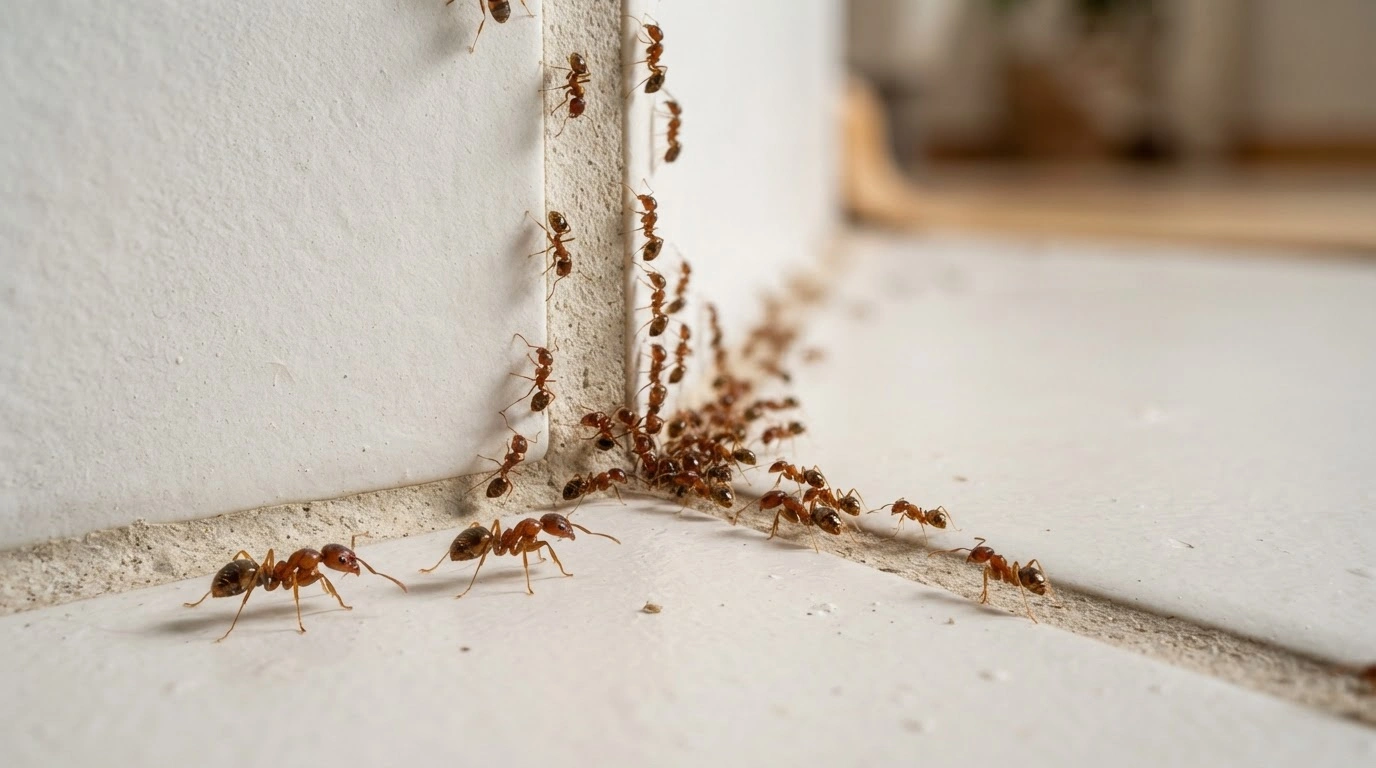
Walk around your home and look closely at the foundation, doors and windows. Small gaps around utility lines, damaged screens and worn weatherstripping can provide easy access. Pay special attention to areas where different building materials meet, such as siding next to brick or pipes passing through an exterior wall.
Inside, inspect the kitchen, bathrooms, basement and laundry area. Look for droppings, shed insect skins, damaged food packages, or small trails along baseboards. These signs can reveal activity before you see pests moving in the open. Professional seasonal prevention tips also emphasize routine inspections because early evidence is usually easier to address.
Handle Ant Activity Early
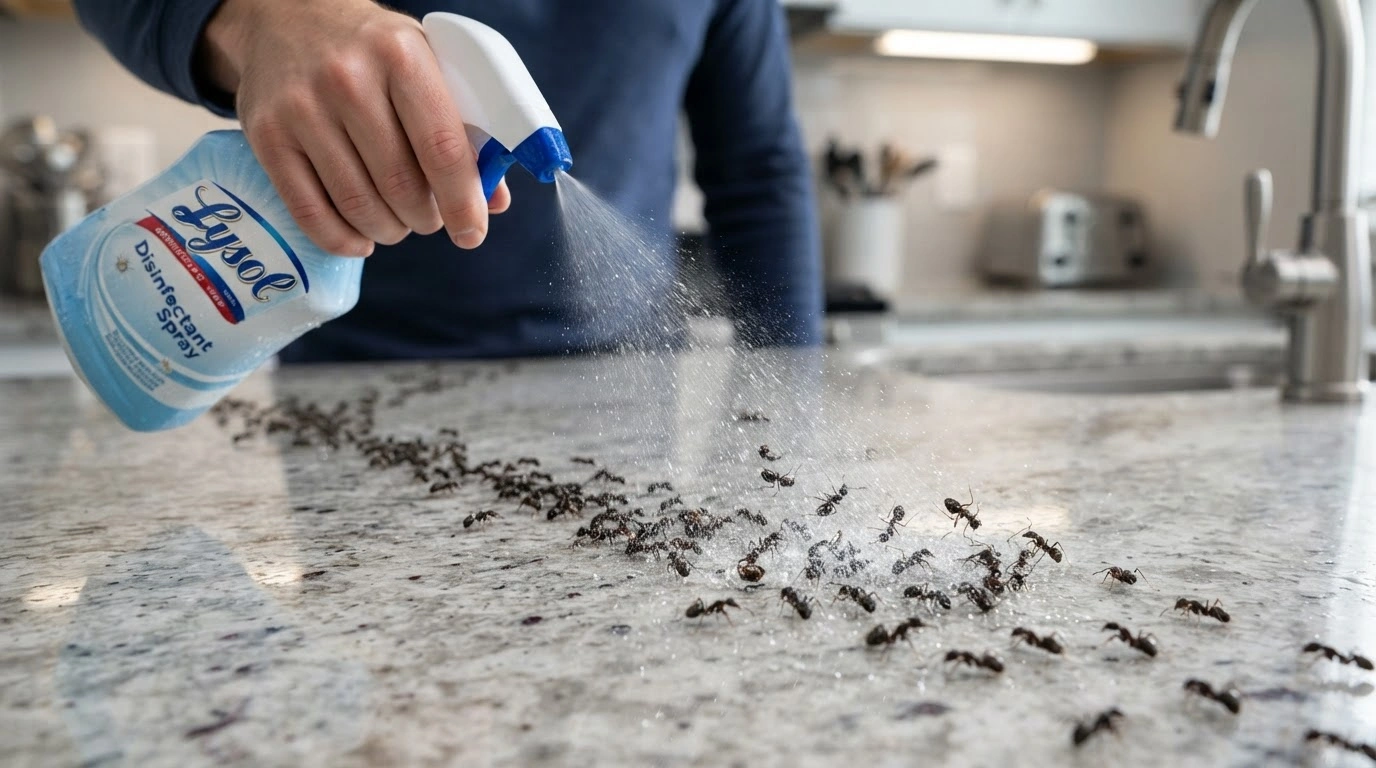
Ants often send out scouts before a steady trail appears. Check countertops, window frames, pet feeding areas, and the spaces beneath sinks. If you spot a few ants, wipe the area with soapy water to remove food residue and trail scents. Store sugar, cereal and snacks in sealed containers.
For homeowners who find recurring trails, stopping ants before spring may involve selecting an appropriate bait, non-repellent spray or household control kit designed to target the colony. Follow every label direction and keep products away from children and pets. Avoid disturbing a bait station after ants begin feeding since workers need time to carry the bait back to the nest.
Remove Food, Water and Shelter
Pests stay where basic resources are easy to find. Clean crumbs from beneath appliances, empty indoor trash regularly, and rinse recyclable containers before storing them. Pet food should go into a sealed bin instead of remaining in an open bag. At night, pick up feeding bowls and wipe away spills.
Moisture also deserves attention. Repair dripping faucets, check beneath sinks, and make sure bathroom fans vent properly. Outdoors, clear clogged gutters and empty containers that collect rainwater. Practical pest prevention strategies often focus on these everyday conditions because removing a reliable food or water source makes a home less inviting.
Seal the Most Likely Entry Points
Use caulk to close narrow cracks around windows, trim, and utility openings. Larger gaps may need a durable patching material suited to the surface. Replace torn screens and add door sweeps where daylight is visible beneath exterior doors.
Don’t overlook attached garages. Pests can enter beneath the garage door, hide in cardboard boxes and later move into living spaces. Store seasonal belongings in lidded plastic containers and keep them off the floor when possible. Trim shrubs so branches don’t touch the siding or roof. A clear space around the exterior also makes fresh trails, nests and structural gaps easier to notice during your next inspection.
Build a Routine for the Warm Season
Preventive pest control works best as a short recurring task. Once a month, check under sinks, behind small appliances and along basement walls. Examine screens after storms and confirm that stored food remains sealed. Outside, remove fallen fruit, leaf piles and standing water.
Keep a dated note of anything unusual, including the room, time and number of pests seen. Several sightings in the same place can point to an entry route or hidden source. Contact a qualified pest professional if activity continues after sanitation and exclusion work, or if you can’t identify the pest. Clear identification helps prevent wasted effort and supports safer treatment choices.
A spring inspection should end with specific repairs on the calendar. Replacing one damaged screen, sealing the opening around a pipe, and fixing a slow leak can close three common routes before warm weather brings steady activity.