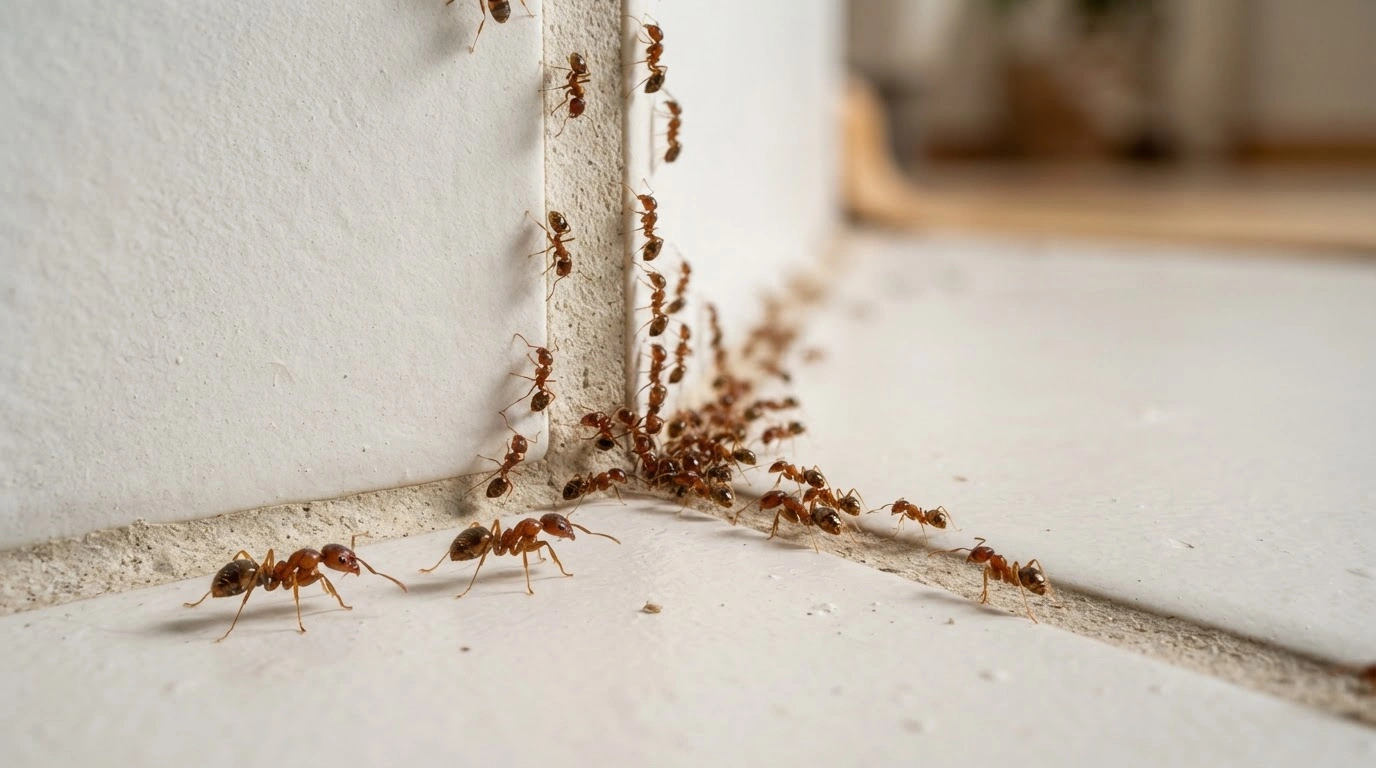
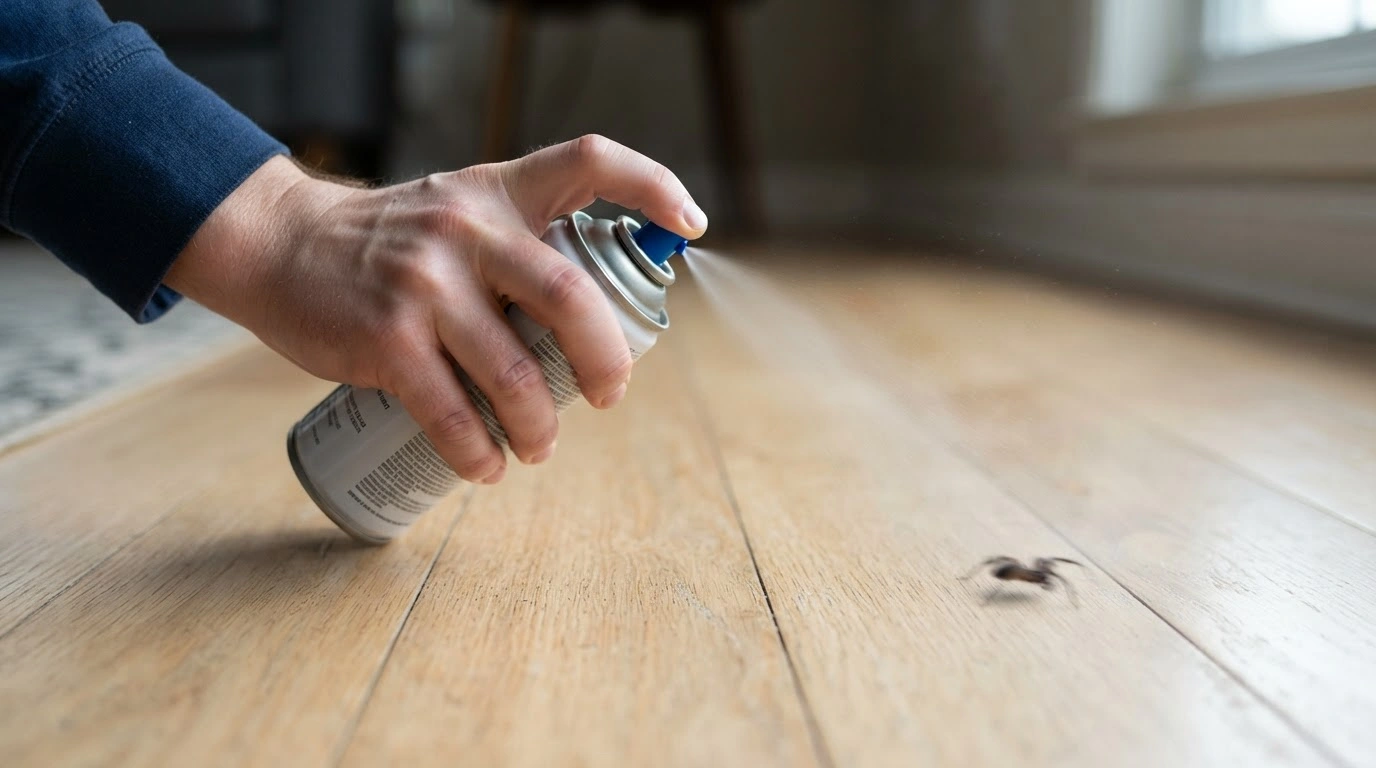
Spiders are the creepy creatures we all hate to see. If you spot a spider all of a sudden and a bottle of sanitizer is the only accessible thing around you, your first instinct will be to pour it on the spider. However, before you grab and use it, knowing whether that squeeze of gel will actually kill them or just leave you with a sticky mess is essential. I have compiled information regarding the use of sanitizer on spiders to help you understand its effectiveness.
Does Hand Sanitizer Kill Spiders?
Yes, it does, but slowly and unreliably. Most hand sanitizers contain 60% to 70% ethyl or isopropyl alcohol, the active ingredient that can affect a spider's body when applied directly. Alcohol strips away the thin, waxy layer that coats a spider's exoskeleton. That layer normally locks moisture in, so once it's dissolved, the spider starts losing water fast. Enough exposure eventually leads to dehydration and death.
The impact depends on how much sanitizer you use and the spider species. A spider has to be soaked, not just misted, for the alcohol to break down the protective coating. A light dab or a quick spray can only touch a leg or two, irritating spiders and sending them running.
Why Hand Sanitizer Works Differently Than Rubbing Alcohol?
Hand sanitizer and straight rubbing alcohol both rely on alcohol content, but they don’t work the same way. Sanitizer is a thickened gel with moisturizers, fragrance, and stabilizers mixed in, which dilutes its punch and makes it harder to fully drench a small, fast-moving target like a spider. Whereas alcohol is thinner and spreads faster over the spider's body, covering them completely more easily. We've broken down exactly how rubbing alcohol affects spiders in more detail, including which concentration works best and how long it takes to take effect. It’s worth a read if you're deciding between the two.
How Long Does It Actually Take?
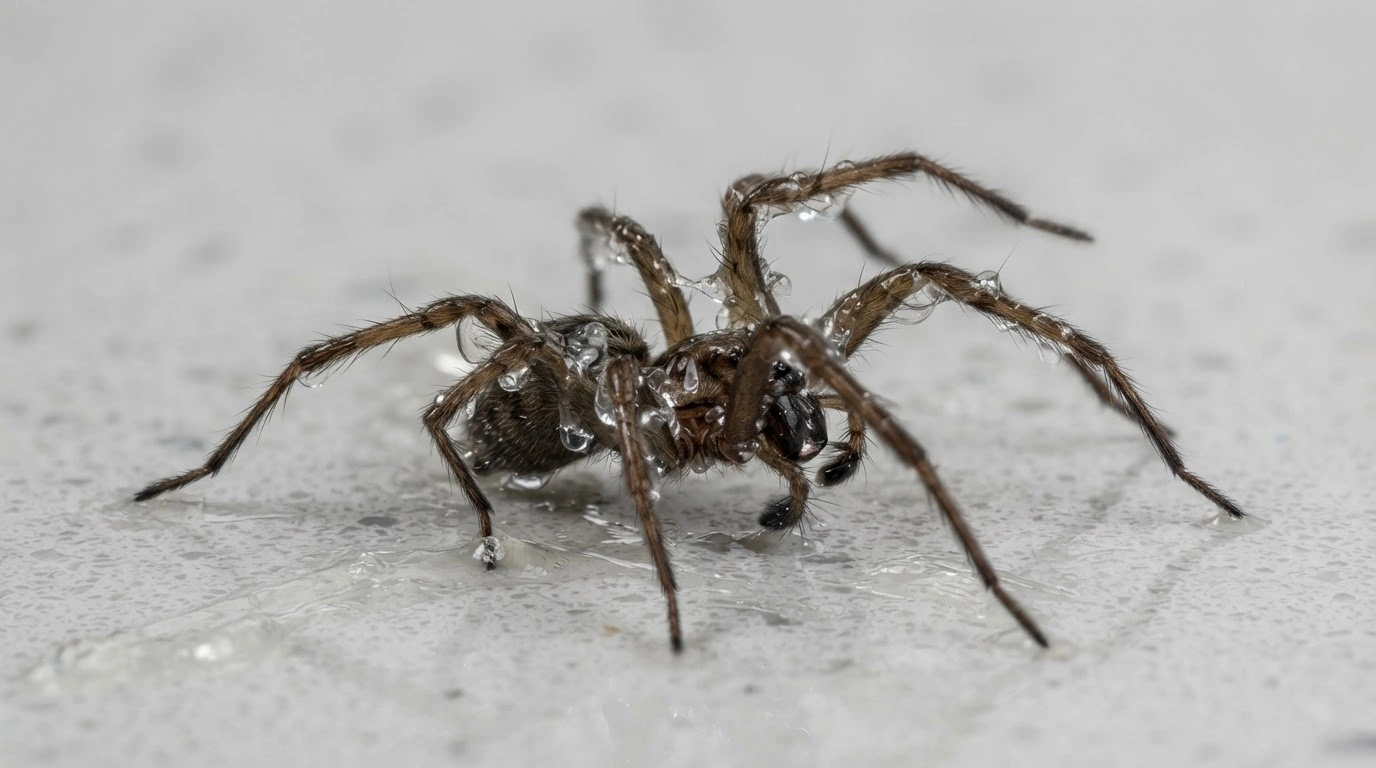
Don't expect an instant knockdown. Even with a spider fully coated in hand sanitizer, it typically takes several minutes to a few hours to die, depending on the spider's size and species. Larger house spiders and wolf spiders can survive noticeably longer than small, thin-bodied ones. During that window, the spider may still move, twitch its legs, or attempt to flee. For this reason, hand sanitizer is a poor choice if you want a quick solution.
How Does Sanitizer Affect Spider Eggs?
Spider egg sacs are wrapped in dense, tightly woven silk specifically designed to keep out moisture, predators, and chemicals. There's little evidence that hand sanitizer can penetrate this layer effectively. Even if some alcohol seeps through, it's unlikely to reach every egg inside. If you're dealing with an egg sac, removing and disposing of it outdoors, away from the home, is far more reliable than trying to treat it with sanitizer.
Safer and More Reliable Alternatives to Sanitizer
If you are not willing to use hand sanitizer, a few household-friendly options tend to work better:
- The Cup-And-Paper Method: Trap the spider under a cup, slide paper underneath, and release it outside. It’s a natural option because it uses no chemicals.
- Diluted White Vinegar: Mix equal parts vinegar and water; it can affect a spider's exoskeleton on contact.
- Diatomaceous Earth: It’s a food-grade powder that damages an insect's protective coating over time, useful for entry points rather than direct spider contact. It's also an effective option against other crawling pests. Check out how diatomaceous earth performs against ticks for more on how DE works and how to apply it safely.
- Sealing Entry Points: Caulking gaps around windows, doors, and utility lines reduces the number of spiders getting inside in the first place, which does more long-term good than any spray.
A Quick Safety Note
Alcohol-based sanitizer is flammable, so never spray it near open flames, stovetops, or space heaters. Keep it away from pets, since ingestion or heavy skin exposure can irritate them. According to the CDC, hand sanitizers are formulated and regulated for hand hygiene, not pest control, so using large amounts on surfaces or spiders isn't what the product is designed or tested for (CDC, Hand Sanitizer Facts).