
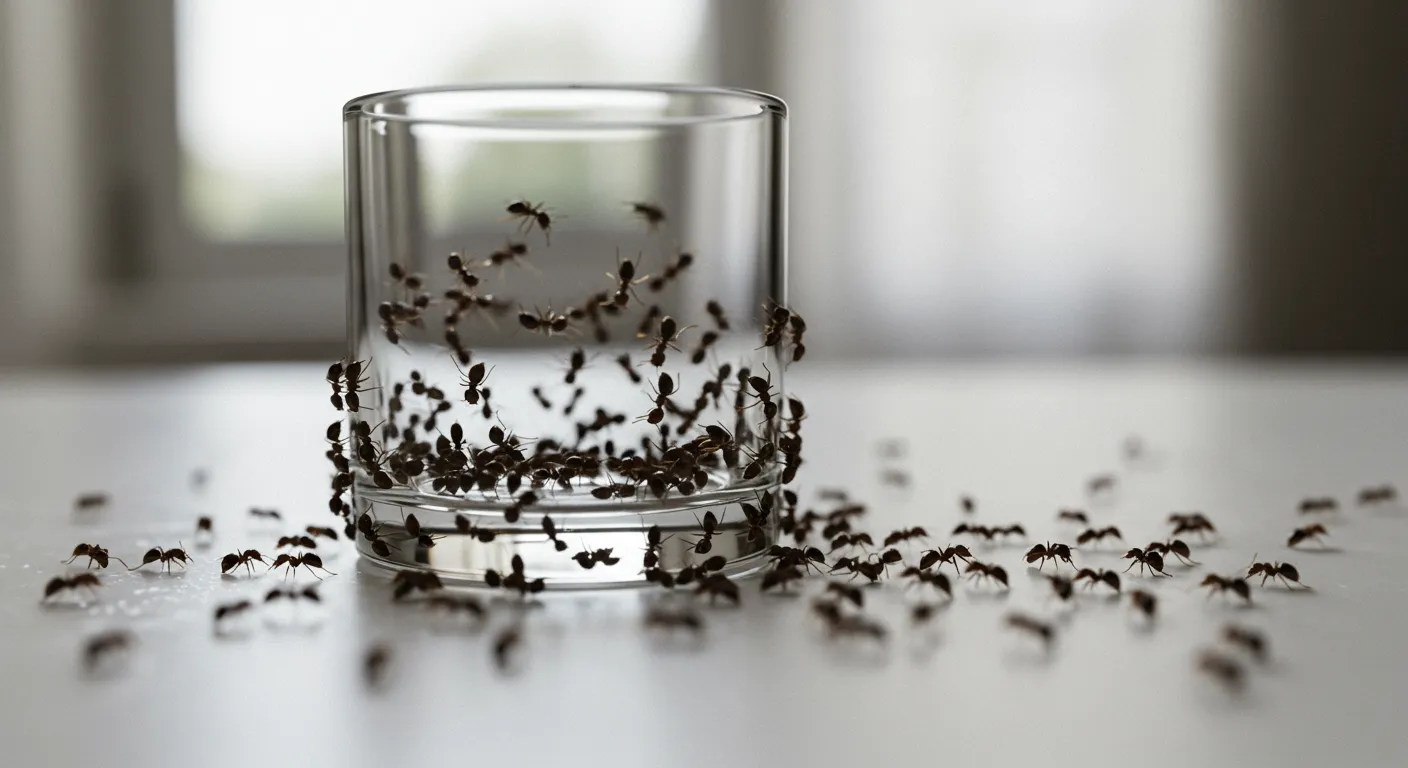
Seeing ant trails in different parts of the home is unpleasant. Though ants don’t bite because they are small in size, their presence can cause a nuisance. Ants find their way to homes through any holes or gaps; hence, keeping a check on the different entry points is highly essential. There are several home remedies to prevent their entry, such as vinegar, Lysol, and essential oils. However, this blog highlights whether Lysol can kill ants effectively.
Is Lysol Effective in Killing Ants?
Yes, Lysol can kill ants effectively. The process is simple- take a spray bottle of Lysol and spray it on the ants, ensuring that Lysol completely covers the ants. However, Lysol is not a permanent solution to the ant problem. It only kills ants visible to you, but there are hundreds or even thousands of ants hiding in the ant colony.
These little creatures follow the pheromones left behind by their fellow ants and find their way into homes. Hence, seek a permanent solution to the problem by identifying their colonies and destroying them.
How Does Lysol Kill Ants?
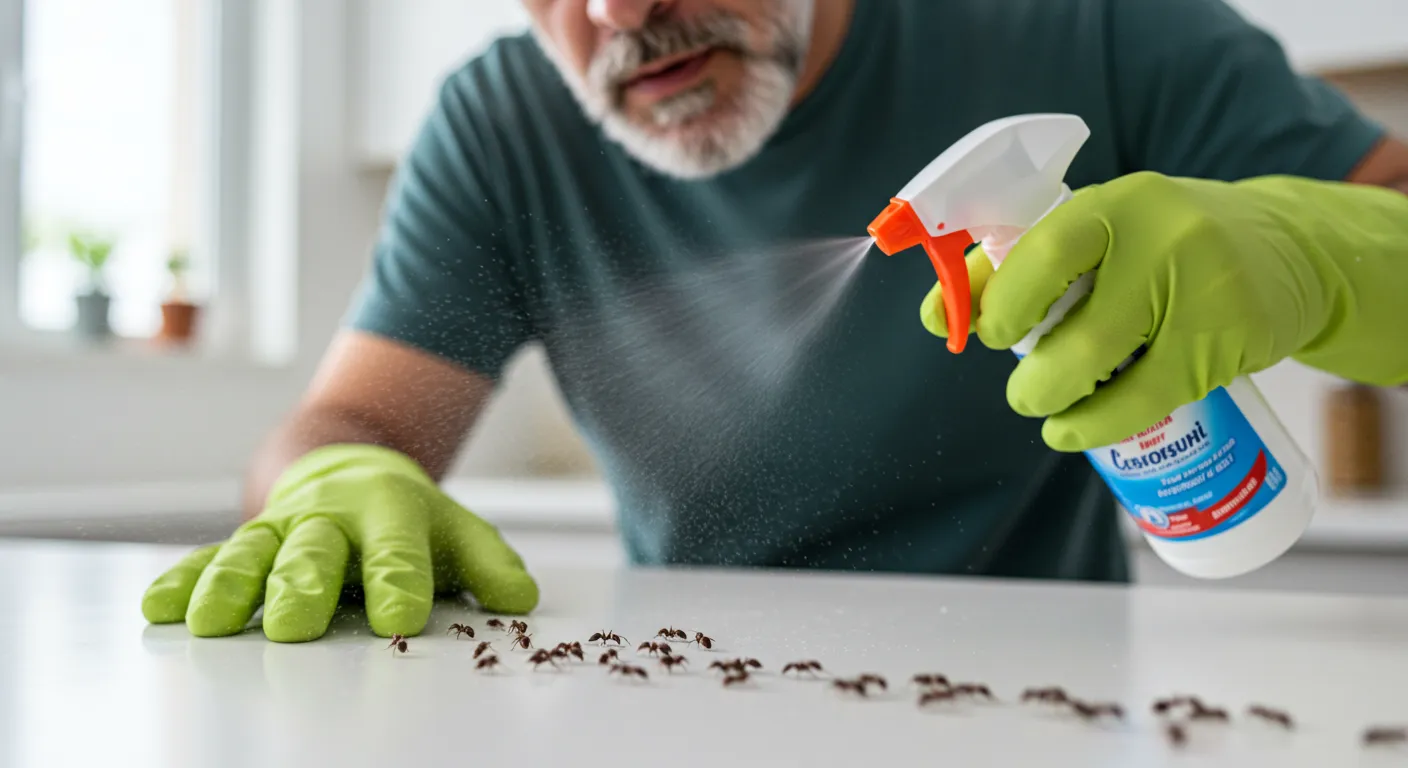
Lysol, a commonly used household disinfectant, helps keep germs out of the kitchen and bathroom. This is because Lysol is made from compounds such as alcohols and phenols, and its pungent smell is due to ethanol. It is a well-known surface cleaner for removing germs and bacteria.
When it comes to killing ants, it is effective. When Lysol is sprayed on ants, it sucks moisture from their bodies, causing dehydration and killing them. The other way Lysol helps kill ants is by suffocating them. Ants breathe through holes known as “Spiracles”, so when Lysol is sprayed on them, they suffocate.
Where Should You Spray Lysol?
The best way to spray Lysol is to directly spray it over the ants and also in areas with high activity. They are usually found near food sources or entry points. Spray Lysol after every few days to prevent their entry.
Is There Any Risk of Using Lysol Around Pets?
Lysol contains certain compounds that can cause respiratory or digestive problems in pets if they are exposed. If pets swallow or come in close contact with Lysol, it can be harmful to them.
Analyzing the Use of Other Home Remedies to Kill Ants
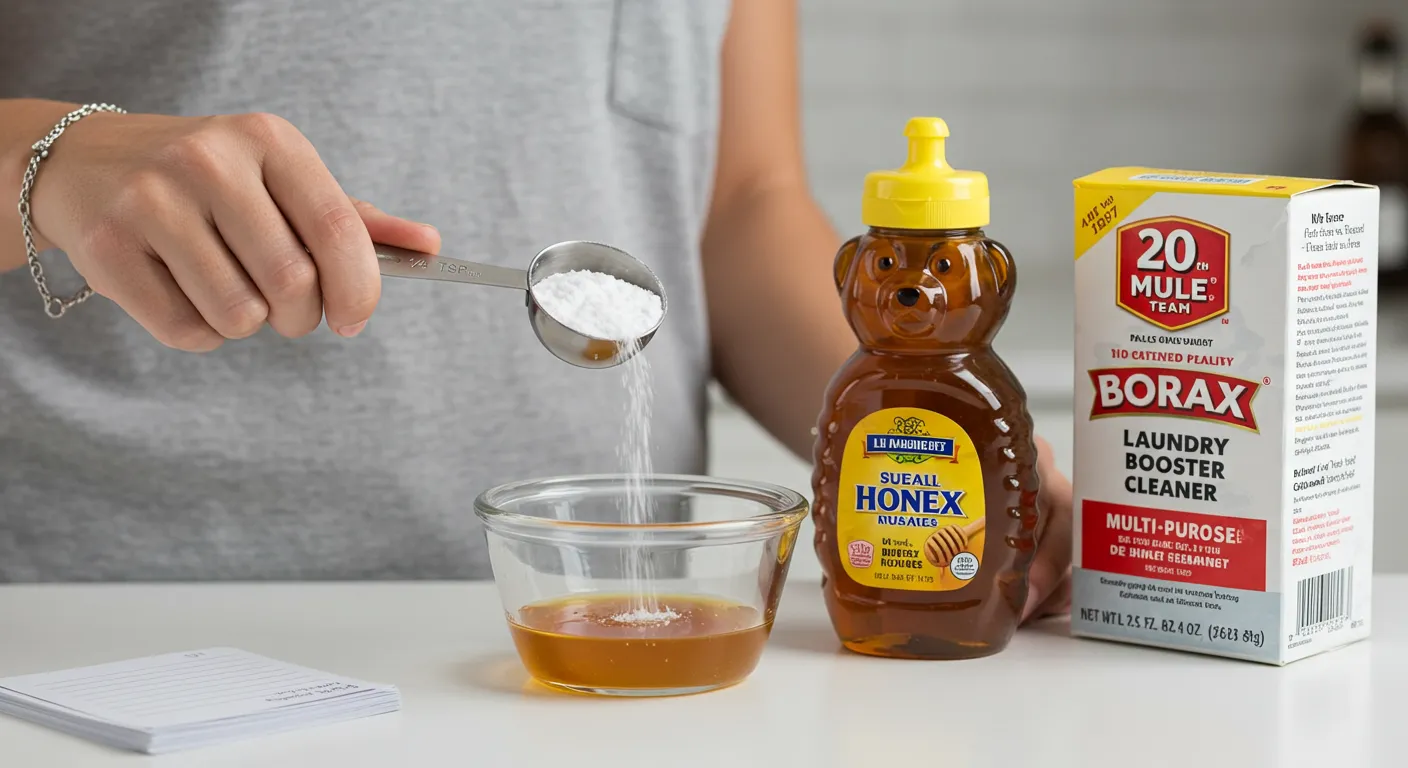
Apart from using Lysol, there are other homemade remedies that can help control their infestation, but it has limitations too. Here are the pros and cons:
Borax
Just like other household cleaners, borax also kills ants, but it’s not the best solution. Ants can simply move around the borax and avoid direct contact. Spray borax in a fine mist. Many homeowners advise mixing sugar to attract ants, which then eat the borax. However, a sugar-and-borax mixture can attract cockroaches and other insects that feed on ants. If you have kids and pets at home, borax can be toxic to them if ingested.
Coffee Grounds
There are varied opinions on the use of coffee grounds. Some say that it’s a natural deterrent for ants, while others say that it does more harm than good. The reason is that ants don’t hate coffee grounds to the extent that they’ll leave your home. Rather, they may move around and remove the sprinkled grounds.
Vinegar
White vinegar or apple cider vinegar is sprayed on ants, but it doesn’t kill them. It works effectively only when ants are drowned in vinegar. Ants can go around the vinegar smell and even find alternate entry points.
Cinnamon
Cinnamon can be used to deter ants, but when used in a highly concentrated form, it is hard to find. Merely sprinkling store-bought cinnamon powder around the windowsill and scent trails of ants won’t work effectively. The other option is to use essential cinnamon oil, but it should be used in large quantities, not in drops.
Conclusion
There are different opinions on whether Lysol can kill ants. The fact is that Lysol can kill ants, but temporarily, because you can only kill ants visible to you. However, thousands are hiding in the ant colony, untouched and able to infest later.