
You regrouted the bathroom in April, refinished the deck in July, and gave the hallway two fresh coats of eggshell over a long weekend. The counters get wiped every night, and the garage finally has shelving. So when a neighbor mentions termites or mice, the reflex is easy: not in this house.
That reflex is one of the most stubborn pest myths around, and it sticks because it feels earned. But termites don't care how clean your grout lines are. They want moisture, wood, and soil contact, and those usually sit in the parts of a home nobody renovates, decorates, or even looks at.
Termite damage tends to start in a crawl space, a damp sill plate, or the base of a porch post, not in the kitchen where you'd spot it. Check those places first, with a flashlight and a flathead screwdriver. Wood that sounds hollow when tapped, or that lets the tip sink in with little pressure, deserves a closer look. So do pencil-width mud tubes climbing the foundation. Homeowners in Worthington who would rather not wriggle under the house on their backs can have Green Shield Pest Pros inspect those spots instead.
Why bad advice outlives the evidence
Pest myths spread the way renovation shortcuts do. Someone swears a trick worked, nothing obvious goes wrong, and nobody checks back. Termite colonies can feed quietly for years before a spring swarm or a soft spot in the floor gives them away. "We've never had a problem" often just means "we haven't found it yet."
Plenty of homeowners don't know the threat exists at all. According to PestWorld, a 2026 Harris Poll found that only 58% of U.S. homeowners realize termites can damage buildings and structures. Here's how that lines up with the rest of the latest figures:
| Measure | Figure |
| Yearly U.S. property damage from termites | About $6.8 billion |
| Homeowners who know termites can damage buildings | 58% |
| Homeowners who think prevention costs less than repairs | 45% |
| Homeowners who used a licensed pest professional in the past year | 52% |
| Standard homeowners insurance coverage for termite damage | Almost always excluded |
Set the rows side by side: about $6.8 billion in damage a year, while 42% of homeowners don't know termites can harm a building.
A spotless house can still have termites
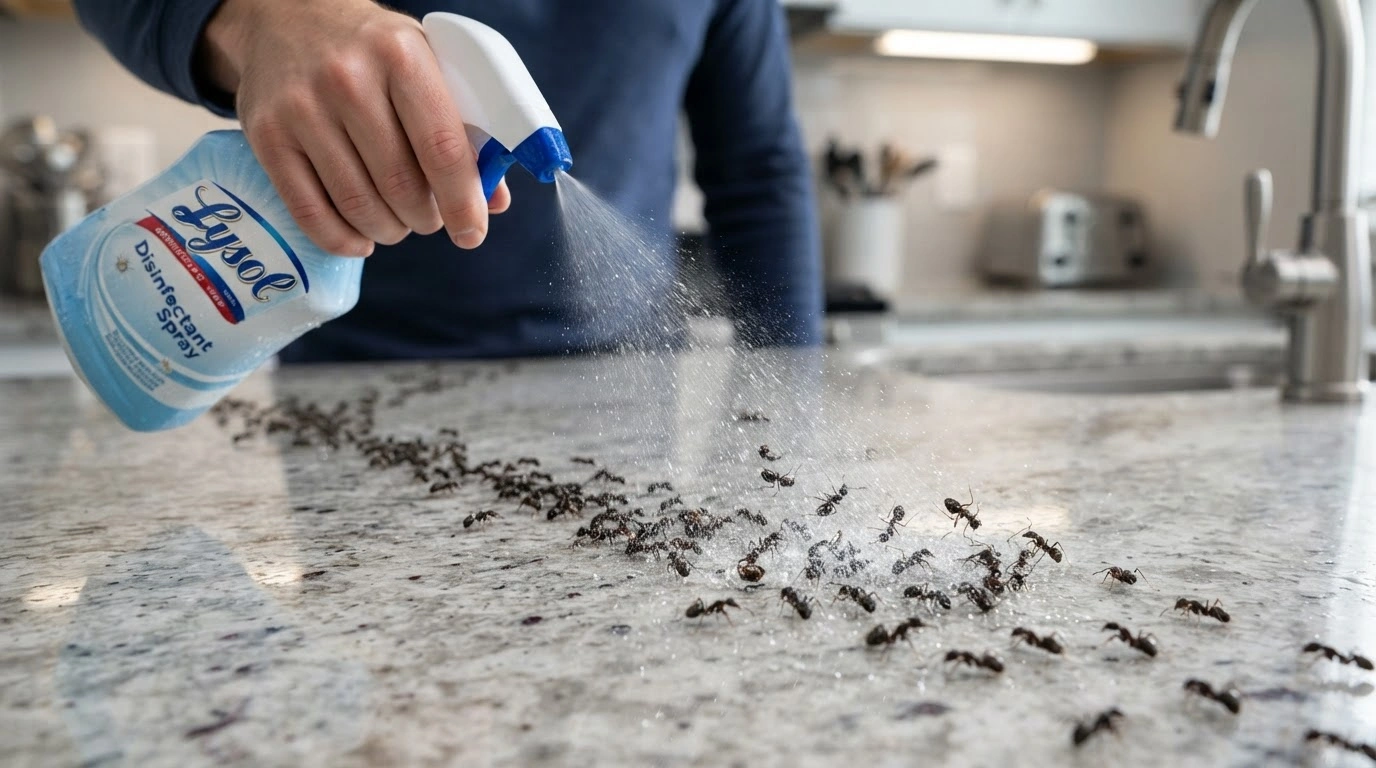
Cleaning does help with some pests. Crumbs on the floor, open bags of dog food, and a sticky recycling bin will pull in ants and cockroaches, and fixing those habits makes a real difference. Termites, carpenter ants, mice, and stink bugs aren't shopping for snacks, though. They want shelter, water, and warmth.
Picture a well-kept split-level. Fresh mulch is heaped against the siding, a downspout empties right at the foundation, and a cord of firewood leans on the garage wall. Inside, it looks like a magazine spread. Outside, it's an open invitation. Damp mulch touching wood gives termites a bridge, and a mouse can slip through a gap about a quarter inch wide where a utility line enters the wall.
Clean is good. Dry and sealed is better.
Your insurance policy probably won't pay
Plenty of people put off prevention on the assumption that their policy will cover the worst case. It almost certainly won't. Standard homeowners policies nearly always exclude termite damage, because insurers treat it as a maintenance issue the owner could have caught, the same way they handle slow leaks or rot.
So the repair bill is entirely yours, and it's rarely a small patch job. Serious damage can mean jacking up a floor, replacing a sill plate, sistering joists, then tearing out the drywall and flooring you just paid to install. Next to that list, a yearly inspection is cheap. Yet only 45% of homeowners believe prevention costs less than repairs.
Pull out your policy tonight and search the exclusions for words like "insects," "vermin," and "rodents." Once you see in writing what isn't covered, the crawl space starts to look different.
Habits that keep pests out, and when to call a pro
Most prevention fits into the seasonal maintenance you already do. A few habits cover most of it:
- Keep mulch, soil, and firewood at least a foot away from siding and wood trim.
- Extend downspouts so water drains three to four feet from the foundation.
- Seal gaps around pipes, dryer vents, and cable lines with copper mesh and caulk.
- Run a dehumidifier in a damp basement or crawl space and fix plumbing drips quickly.
- Store pet food and birdseed in sealed bins, not open bags in the garage.
DIY stops working once you see real evidence. Mud tubes on the foundation, small piles of discarded wings on a windowsill in spring, droppings in a kitchen drawer, or ants that return after two rounds of bait all point to a problem bigger than a weekend fix. Termites especially call for a licensed professional, since effective treatment depends on equipment and products you can't buy at the hardware store.
Selling soon? Expect the buyer's lender to require a wood-destroying insect inspection anyway. Finding a problem a year before listing costs far less than discovering it mid-negotiation.
Put a crawl space and foundation walk-around on the same calendar reminder as your furnace filter change. Twice a year, take fifteen minutes, a flashlight, and the screwdriver, and probe the sill plate and porch posts. That will catch more trouble than the cleanest kitchen ever will.