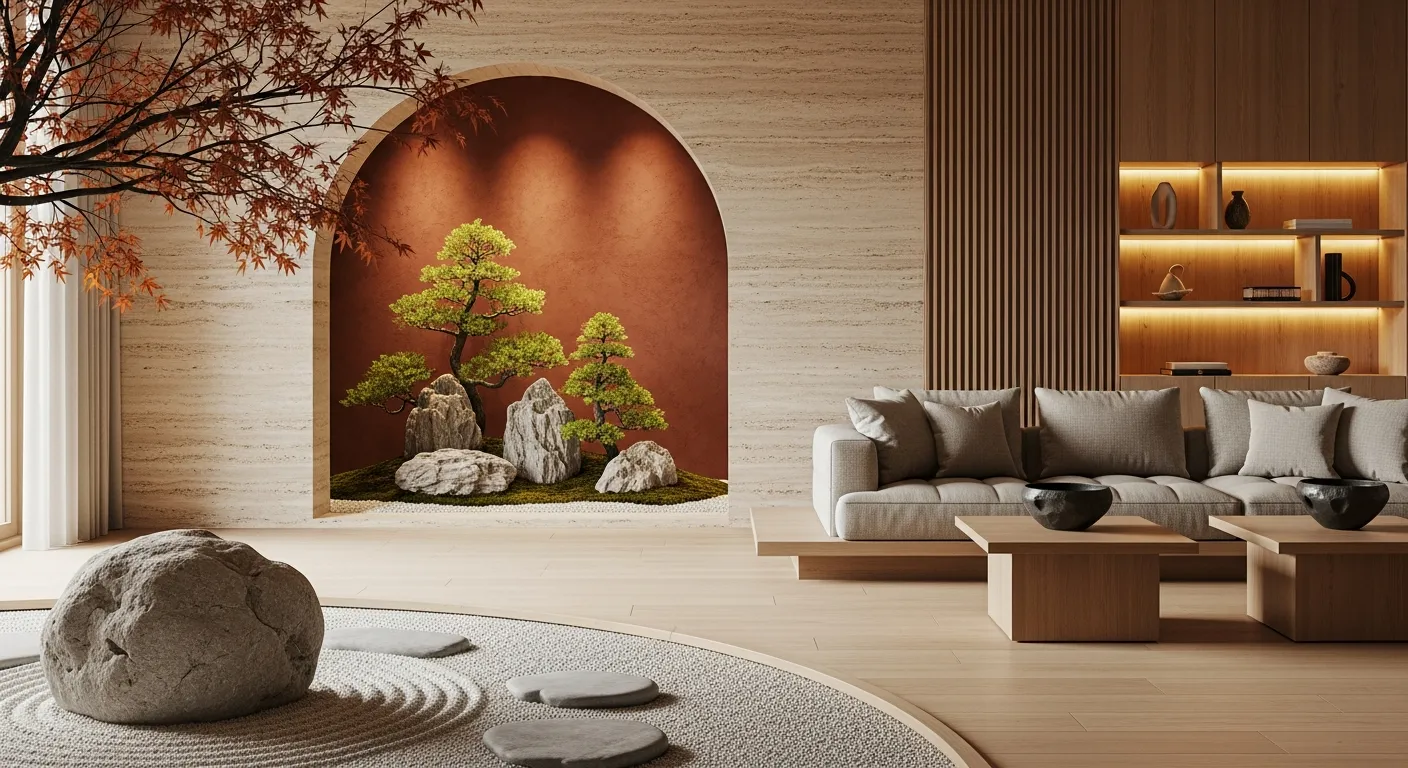
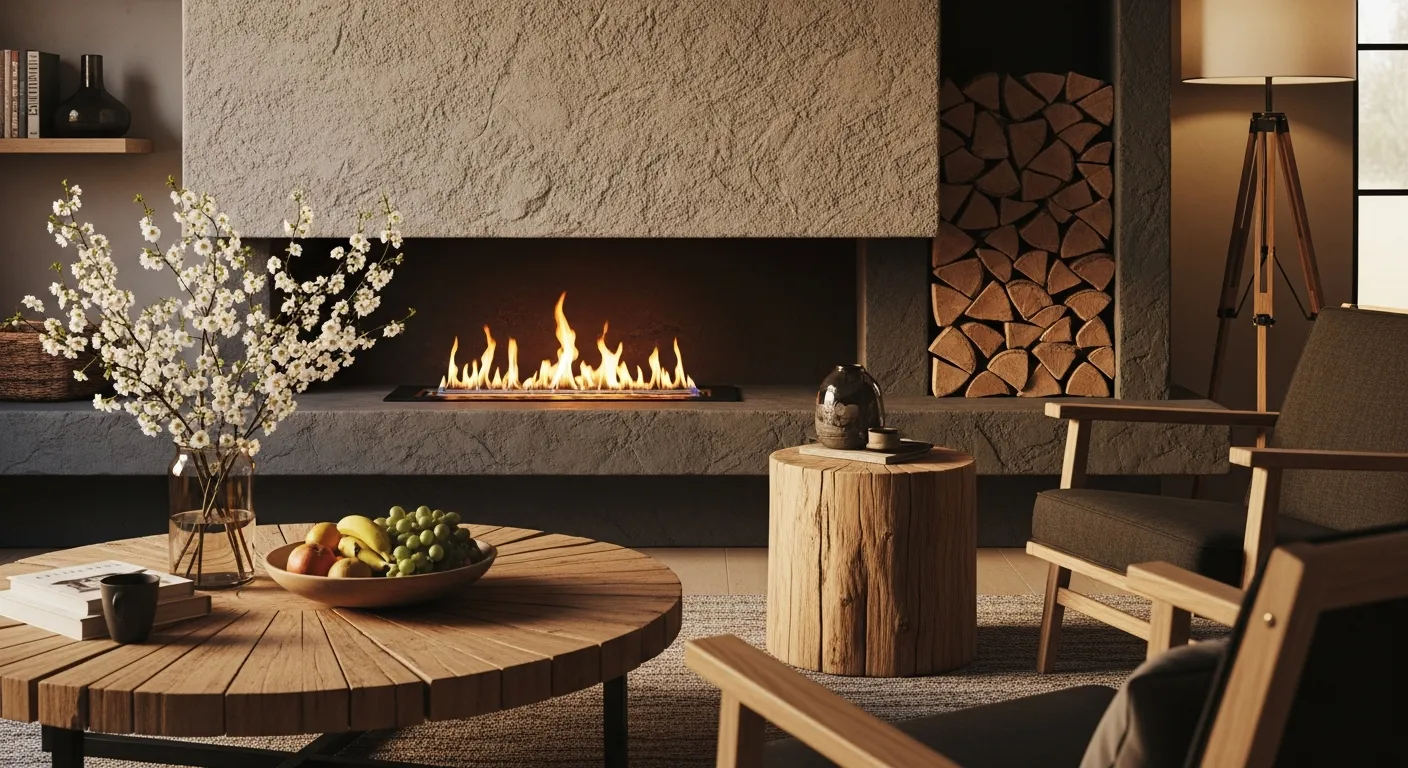
When you want to decorate a home with a simple design that uses natural elements and also features functional interior characteristics, Japandi design is one of the best options. It's an amalgamation of Japanese and Scandinavian interiors to create a healthy, meaningful lifestyle at home. Mixing design features from both Japanese and Scandinavian styles can help achieve a minimalist look. This blog comprises many such design ideas to help you sort the best one for your home.
What is Japandi Interior Style?
Japandi is a portmanteau of Japanese and Scandi (an informal slang term for Scandinavian), and it is a well-established, trending interior design style. It’s important to have clarity on the features of Japanese and Scandi design.
Japanese designs embrace simplicity through imperfections while Scandinavian designs value comfort through restraint. In a nutshell, Japandi is a blend of two distinct worlds united by a shared philosophy, offering craftsmanship, texture, balance, and serenity. For reference, take natural elements such as woods, earthy materials, and neutral color palettes, enhanced with functional objects like vases and mugs rather than decorated pieces.
The most thoughtful and grounded homes use this style to make a home appear fresh.
History of Japandi Interior Design
The roots of Japandi design trace back 150 years to when Scandinavian designers first visited Japan after Japan opened its borders. They quickly discovered that both cultures share a unique bond for natural materials, simple looks, and handmade items. Thus, Japandi emerged, a beautiful blend of Japanese minimalism and Scandinavian simplicity.
Over the years, this mix of Eastern and Western ideas developed into a timeless style due to their similar design philosophies, which include using clean lines, neutral palettes, and environment sustainability.
Japandi Philosophies
Both cultures share a deep passion for each other's philosophies. Therefore, Japandi emerged as the relationship between two cultures that value comfort, simplicity, minimalism, cleanliness, and natural elements. This makes any home feel both peaceful and practical. You can understand Japandi interior design ideas better by looking at the following philosophies.
| Place and its Philosophies | How It Feels | How It Looks Like In Your Home |
| Japan ( Wabi-Sabi & Shinrin-Yoku) |
Wabi-Sabi: Beauty in the imperfect or aged Shinrin-Yoku: Calm through nature |
|
| Scandinavia ( Hygge & Lagom) |
Hygge: Deep, emotional comfort Lagom: Perfectly balanced, as all things should be |
|
6 Design Characteristics of Japandi Interiors
A well-balanced home should have the perfect theme to make a home look and feel warm yet functional. The following characteristics will give a better understanding of the design.
Integrate Natural Materials
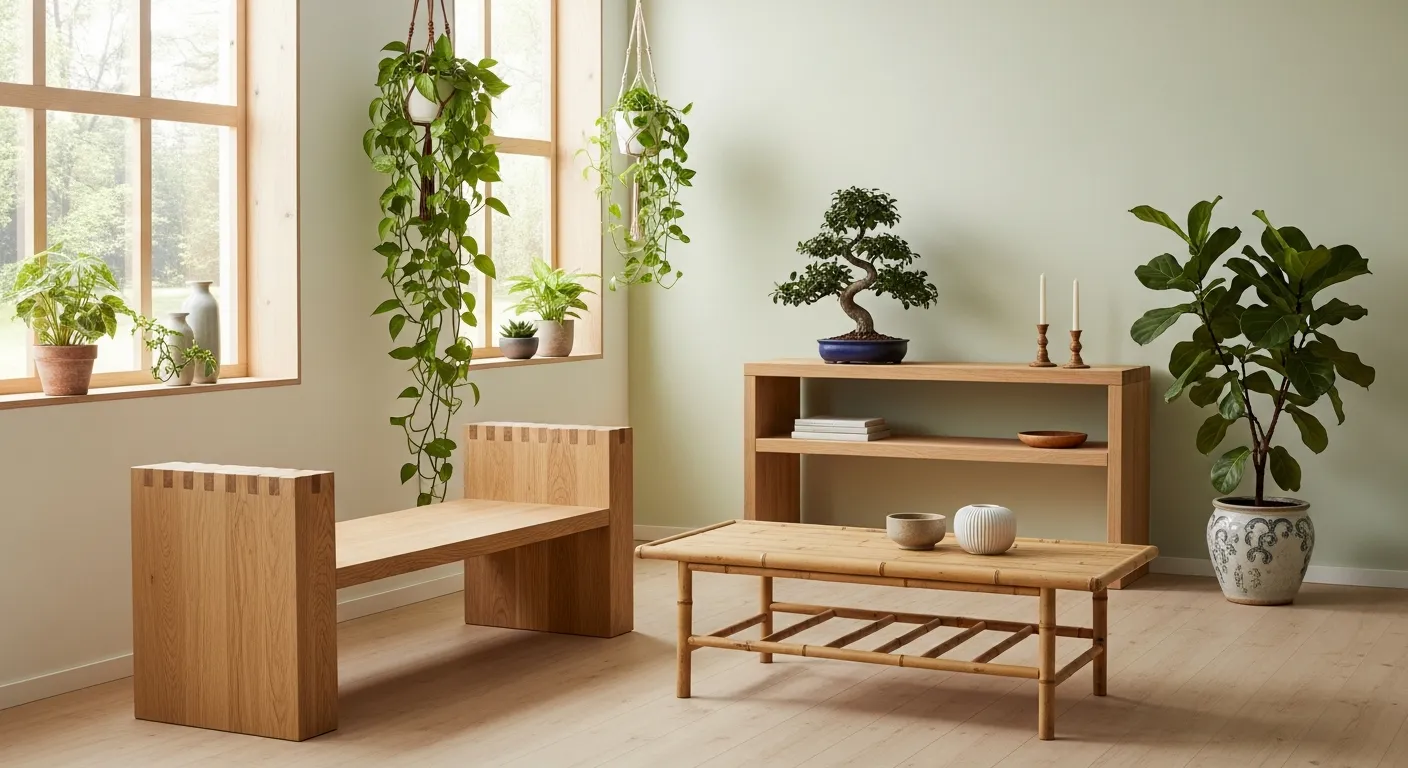
To make your home feel peaceful and natural, design experts recommend using simple materials like unfinished wood or bamboo to bring the outdoors in. You can make the space feel calm and fresh by using soft colors like pale green or by adding real houseplants.
Integrate plants such as hanging vines or bonsai trees, as they purify the air and provide a decorative accent color. If you like a neat, plain look, using oak furniture is a great way to get a cozy, nature-loving feeling.
Declutter the Space
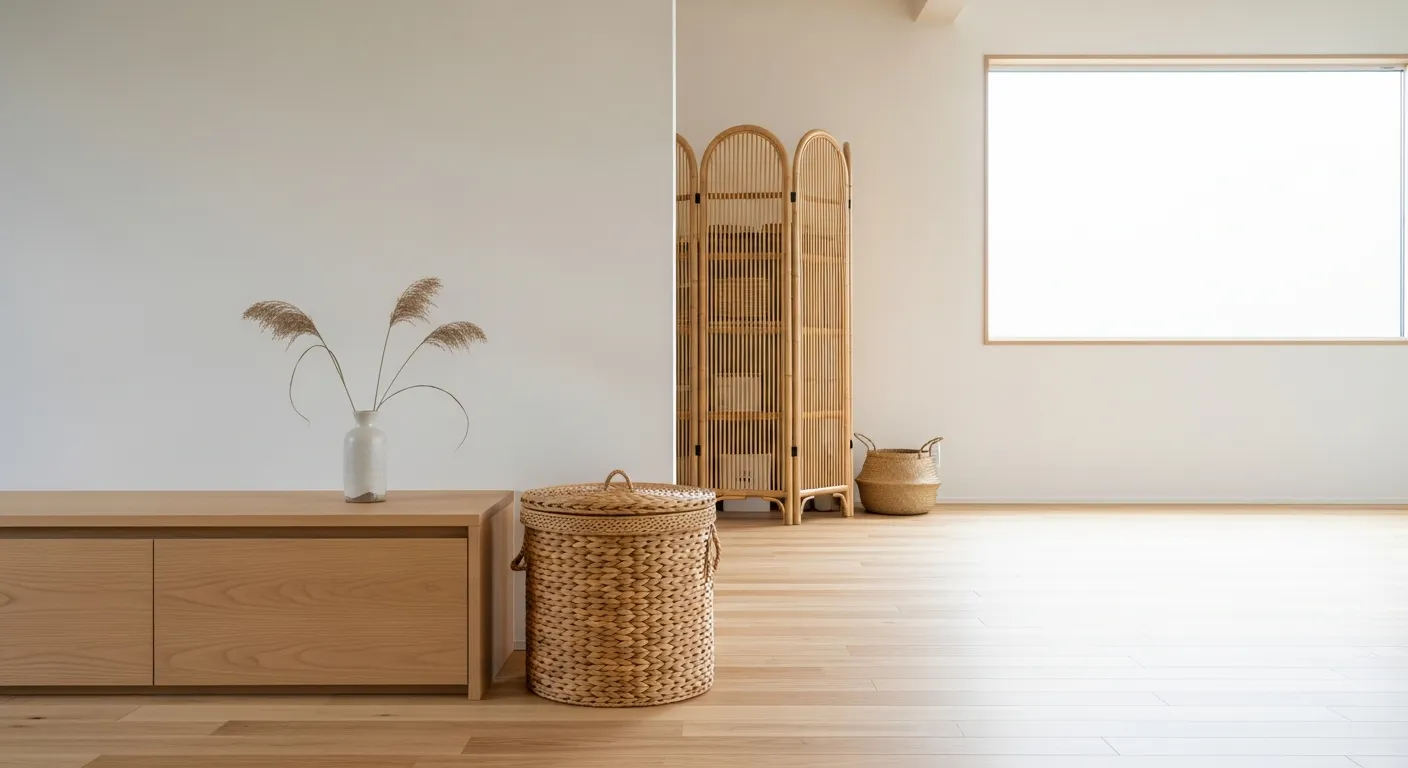
Getting rid of clutter is the key to achieving “Japandi” style, which is all about clean lines and open spaces. If your household is busy and it's difficult to keep things perfectly tidy, you can try “faux minimalism,” as suggested by experts.
This means using natural items such as wicker baskets, boxes, folding screens, built-ins, or bamboo screens to hide extra belongings. It's an easy way to keep your home neat and spacious while keeping your possessions within reach.
Inculcate Various Textures
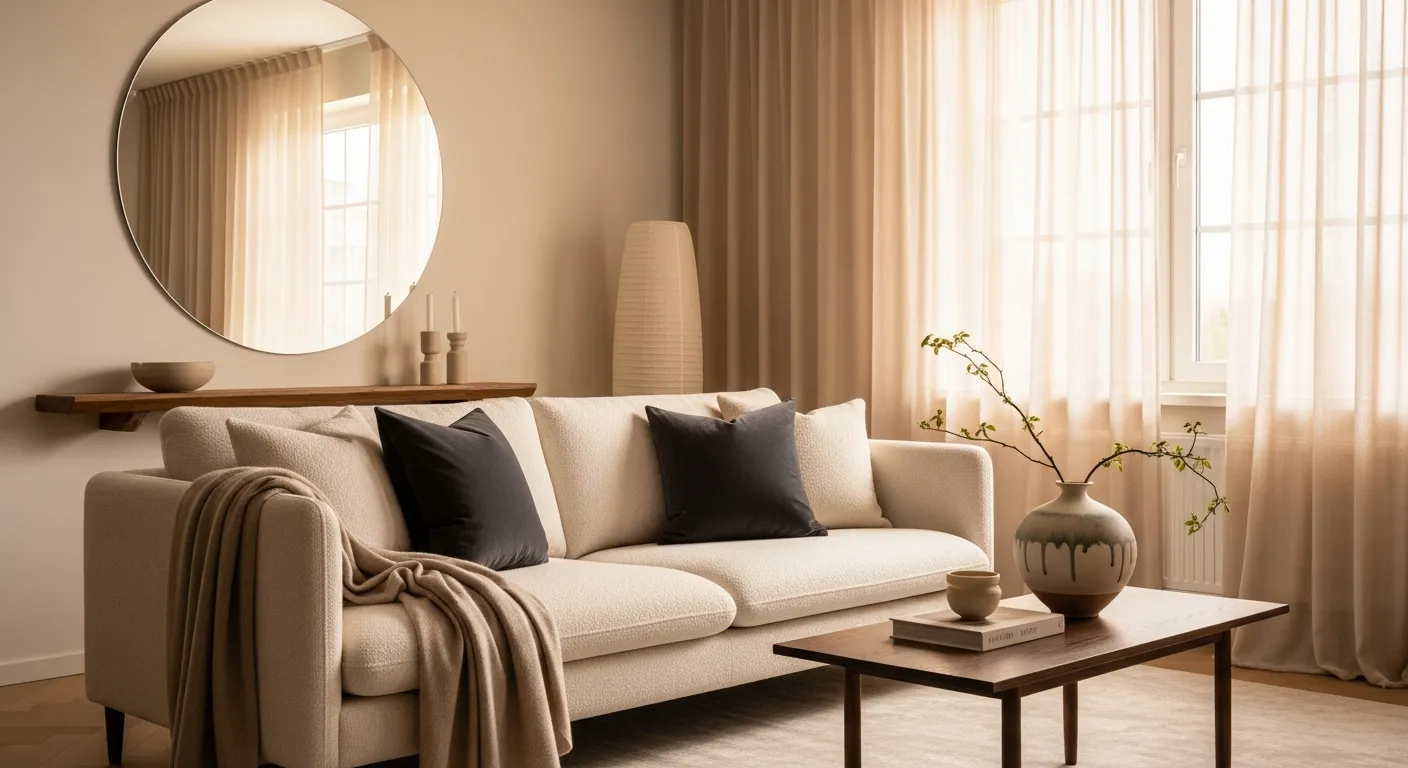
When you combine both styles, you incorporate the cozy feel of warm textures in Scandinavian designs with the elegant look of Japanese decor. For example, use fabrics like a boucle and decorate them with ceramic accents.
Importantly, ensure to use different textures and fabrics. You can always begin with cushions and curtains, then move to throws and tableware. Consider using silk, velvet, and cashmere because the goal is to feel warm and cozy. Moreover, adding mirrors, picture frames, lamps, or bases can add more texture and change the look of a room.
Add Neutral Color Tone
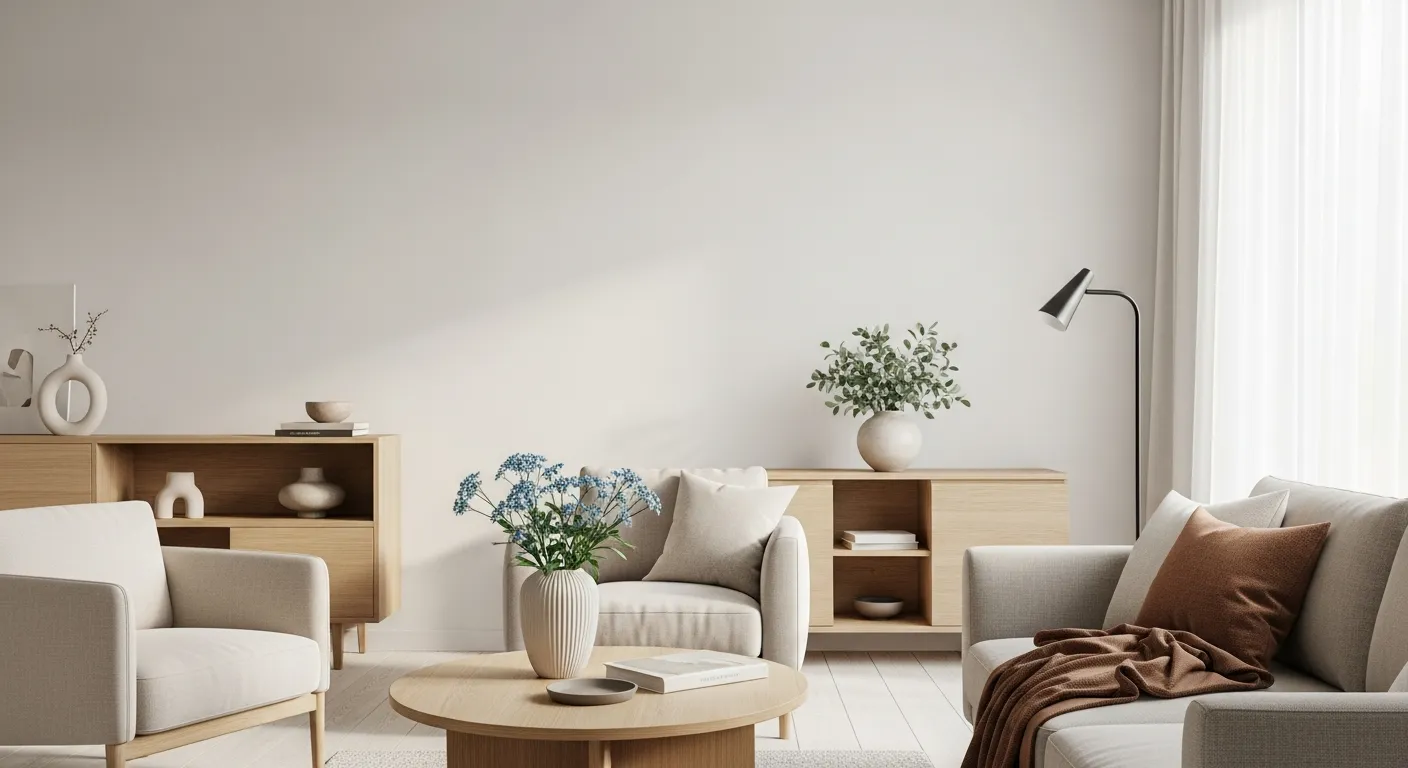
Selecting the right color is essential for this style, which relies on neutral tones. Off-white is the best choice for your walls because it reflects light throughout the room, making the space feel bright and open. For furniture and soft furnishings, stick to neutral fabrics like beige, off-white, or muted grey and natural wood tones.
Have your color palette less intense and bright. If you want to add more colors, use natural hues such as sky blue, green, browns, and other earthy tones. Always be cautious when choosing muted colors, as these tones can bring a sense of peace and serenity.
Accents of black could also be another shade to work well. Though make sure to choose one lead color and an accent color. Avoid using multiple colors because it may ruin the look.
Keep Minimal Style Around the Room
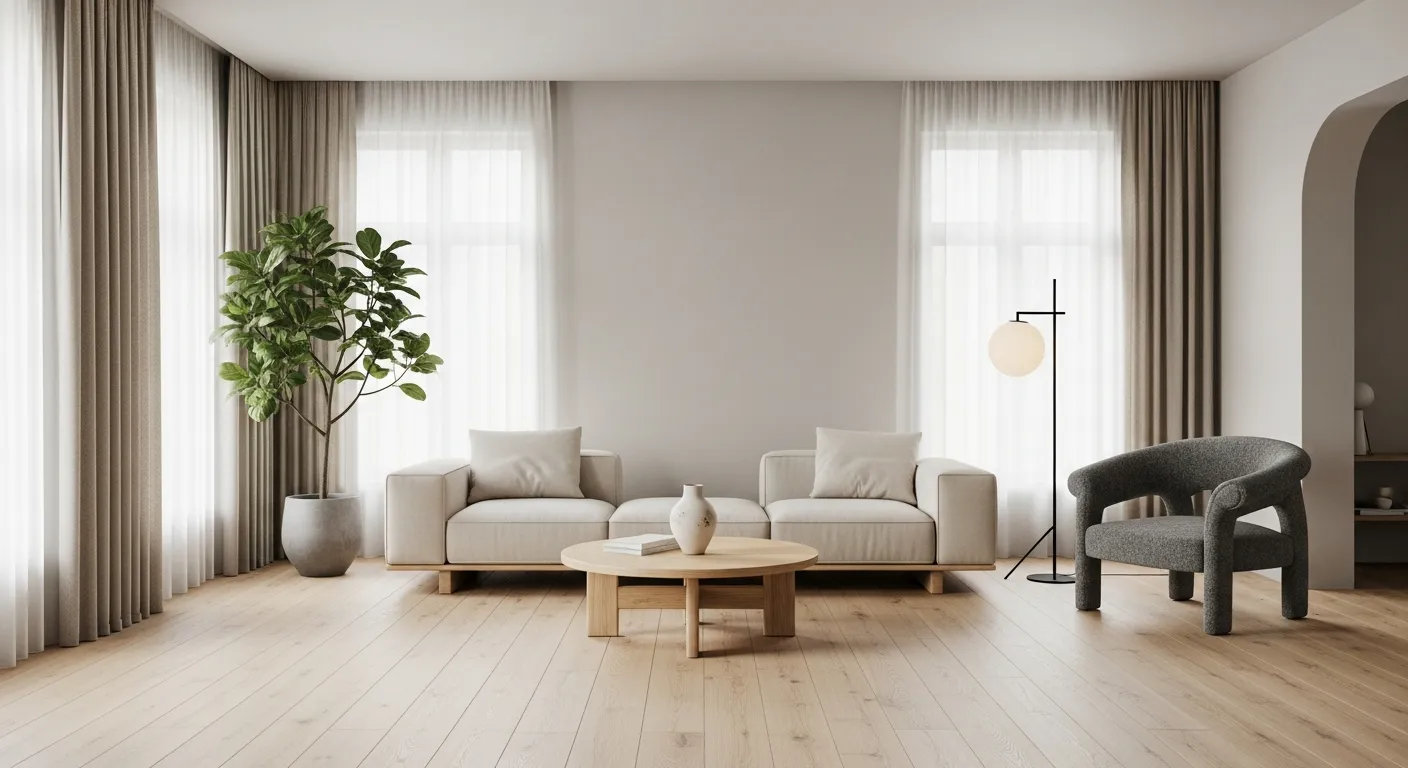
Japandi style is about simple designs, natural elements, and calm colors that lead to minimal furnishings around the house. To achieve that, set a goal of zero clutter so your rooms feel more open and spacious. Decluttering is also recommended because having only items you actually need helps maintain a neat, clean space.
Make sure to keep decoration to a minimum. Instead of purchasing too many unnecessary items, invest in a few high-quality functional pieces you can use for a long time. This allows you to maintain a space that is beautiful and functional.
Keep Sustainability at Its Core
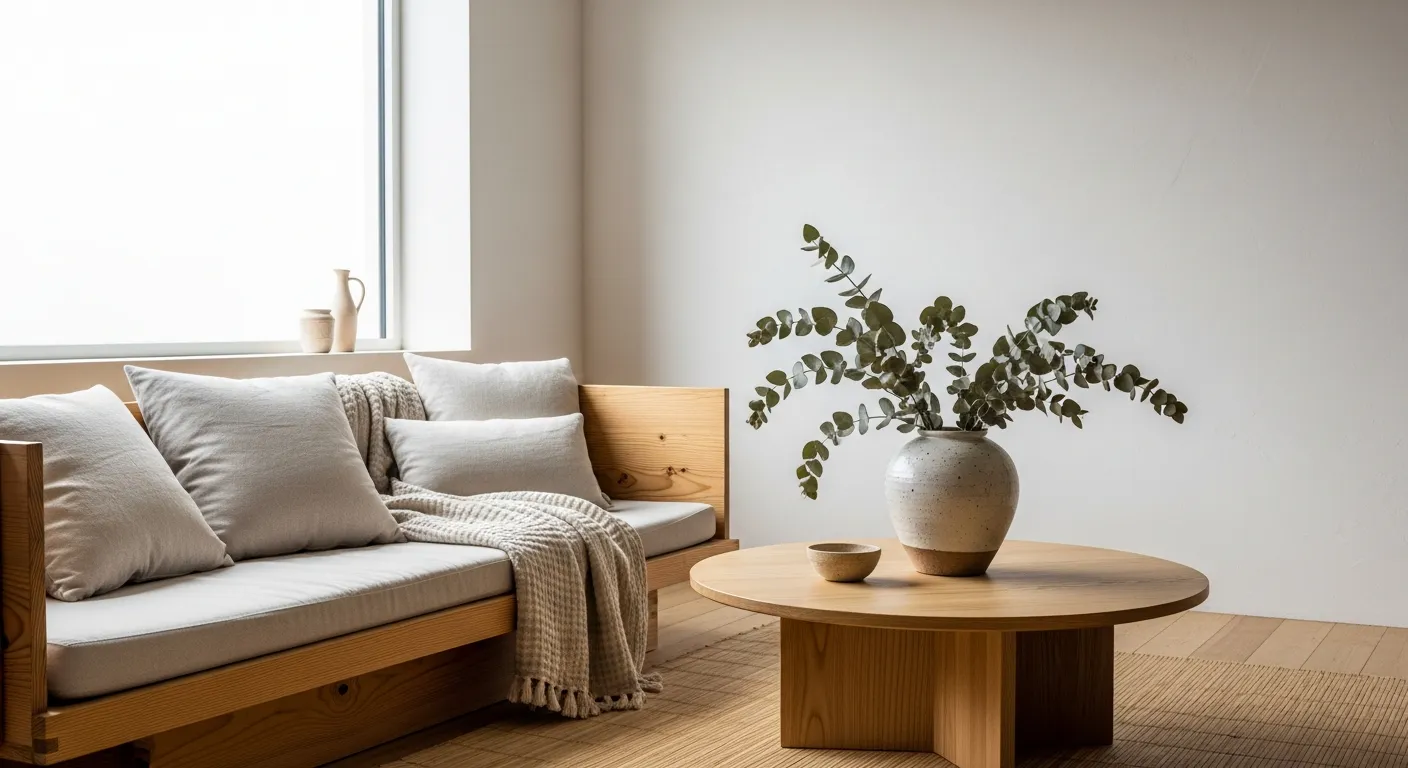
To curate a calm and relaxing home, Japandi uses natural materials like wood for furniture, bamboo for accessories, and unbleached soft furnishings. This is good for the environment because of eco-friendly materials.
Japandi’s faith lies in both minimalist design and functional aspects. The best part of opting for such a style is that you can buy the elements from local shops, as Japandi style is also about artisanal and handcraft items. Therefore, consider buying classic furniture that you can use for years.
4 Key Elements of Japandi Style
Japandi design is a mix of two styles, where the Scandinavian concept of Hygge, or coziness, blends with the Japanese belief in Wabi-sabi, which is about finding beauty in imperfections. Here are the key elements that matter to any interior designer or homeowner.
Minimalism: Whether you have a large or small interior space, list the items that best serve a functional purpose. Keeping a few chosen items makes the space look clutter-free. This provides you with an open space and clean lines.
Sunlight: If you have huge windows, it's the best way to let sunlight flow into rooms and reflect on bright white walls. The natural light makes the space livelier and cozier.
Neutral Colors: Similar to the color tones of the natural world, Japandi design features a neutral color palette. Such palettes include warm neutral tones, such as beige and tan, and cool neutral tones, such as gray and blue. For a more organic look, add natural wood tones, green pants, and pastel decor items. These colors bring in serenity. You can also use bold colors as an accent.
Sustainability: Select every item carefully, whether it's natural materials like wood and bamboo or natural textiles like rattan, linen, and cotton. These pieces must be of high-quality and show craftsmanship and timeless beauty. Additionally, consider adding handcrafted decorative items made from terracotta, ceramic, stone, and glass.
Conclusion
Japandi interior design is a perfect blend of Scandinavian design principles and Japanese philosophy. Bringing both together in a space creates an airy, open, warm vibe where comfort, coziness, and functionality coexist. Its design characteristics center on texture, neutral colors, natural elements, sustainable materials, minimalist design, and clutter-free spaces. Having these ideas helps you organize any living space, old or new. Thus, Japandi is often seen as one of the perfect designs for home interiors.