
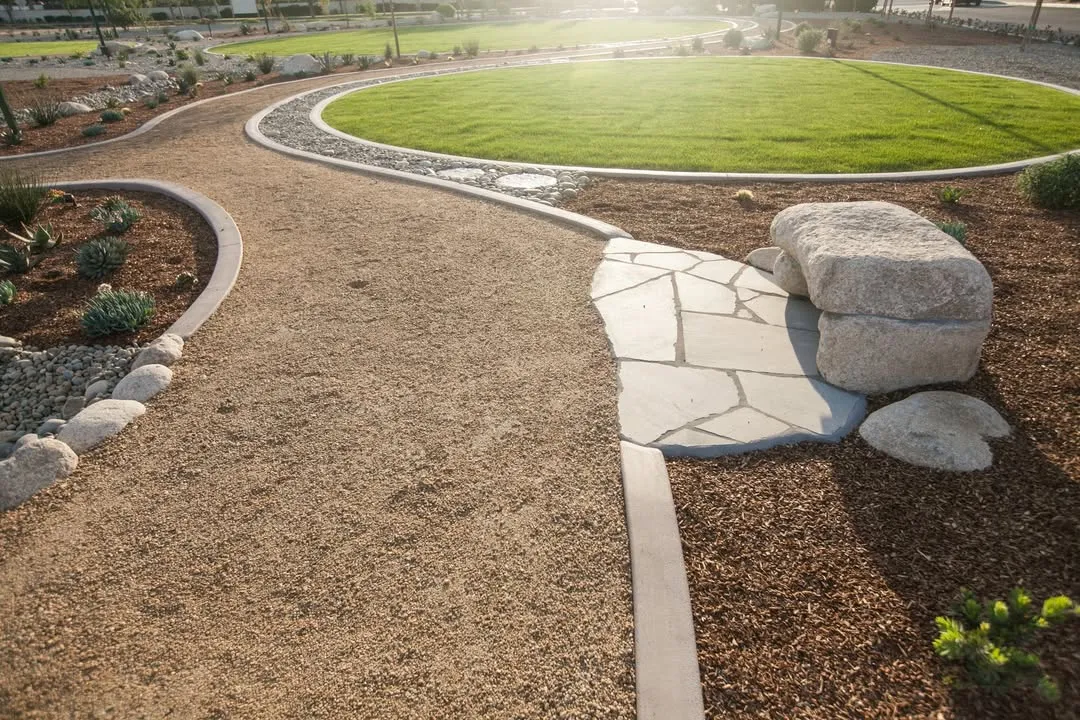
When weathered granite breaks down into tiny, gravel-like particles, it becomes grus. While the particle size of the decomposed granite (DG) depends on the weathering conditions, usually the diameter remains smaller than 3/8th of an inch. Although granite is extremely hard and resistant to weathering, exposure to extreme climates, rain, and wind over the years breaks it down into decomposed granite. This decomposed granite is compacted to create a naturally beautiful and permeable surface. Let us find out in this blog whether decomposed granite is really permeable.
Is Decomposed Granite Permeable?
Whether you are planning a walkway, a patio, or similar construction, permeability and drainage are the two crucial elements to consider. Decomposed granite is a great fit for these areas because it's permeable. The porous nature of the material allows water to seep through the surface, which helps avoid water pooling on the surface. So, surfaces made up of decomposed granite are highly beneficial in regions with high rainfall. Moreover, the porous nature lets water penetrate and reach the soil, promoting sustainable water management and better drainage.
How Does Water Drain Through Decomposed Granite?

The efficiency of water drainage through decomposed granite depends on its type. Loose decomposed granite will have tiny spaces in between to allow better water penetration, which prevents water pooling on the surface. Loose decomposed granite is a great choice for permeable garden areas, pathways, and similar surfaces.
On the contrary, compacted decomposed granite has negligible air pores, ultimately reducing its permeability. It will offer a soft pavement with water runoff instead of water penetrating inside. While such materials are suitable for driveways, they are not useful for drainage. However, you can add stabilizers to the compact decomposed granite to enhance its permeability and drainage quality.
Where to Use Decomposed Granite for Good Drainage?
Due to the permeable nature of decomposed granite, it can be used in different locations such as:
Patios
Homeowners commonly use decomposed granite for patio areas. Now, the choice of decomposed granite will depend upon the usage of the patio. Resin-coated DG is an ideal choice for high-traffic patios. On the other hand, you can use stabilized decomposed granite for high-traffic patios that need proper rainfall drainage.
Xeriscaping
Loose decomposed granite is again a great fit for xeriscaping projects. Because loose DG is permeable, you can use it in these projects to let water soak into flower beds instead of evaporating.
Walkways
For walkway construction, you can choose either loose DG or compact DG based on your requirements. Stabilized or resin-coated decomposed granite is solid but not permeable. However, if you are fine with the crushed-granite feel underfoot while walking, loose decomposed granite is a great option for the walkway.
Playground
Loose decomposed granite is also a suitable choice for building playground areas.
How to Install Decomposed Granite for Better Drainage?
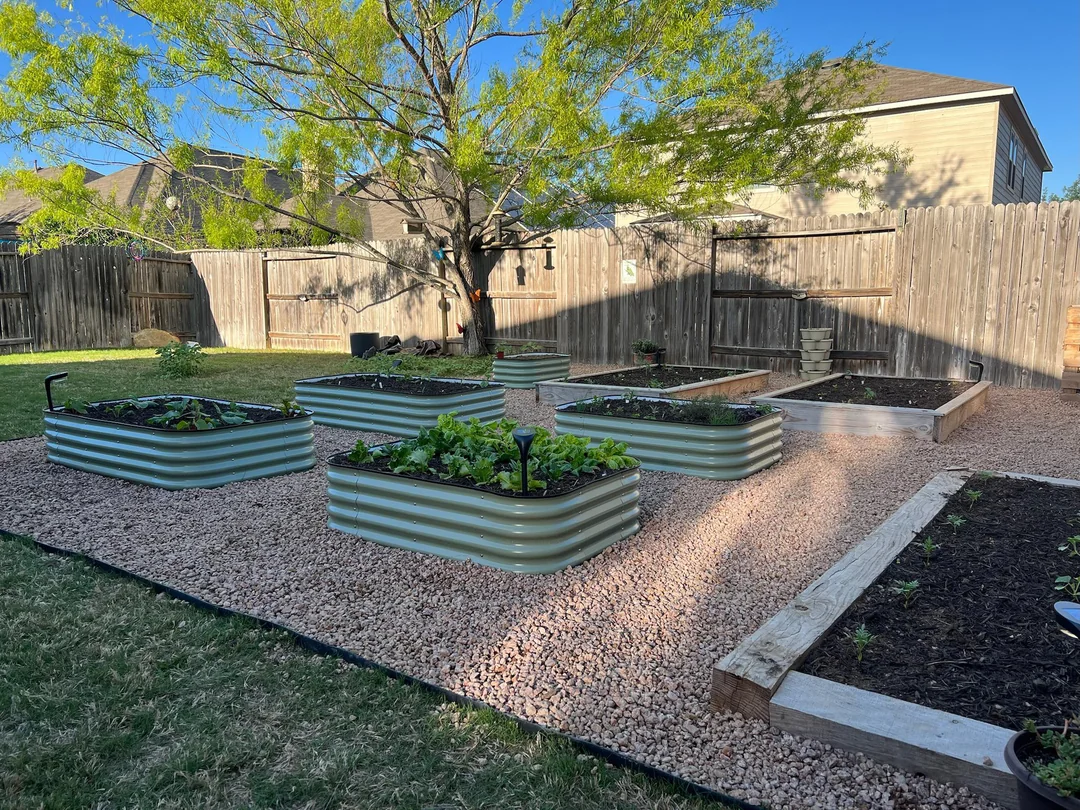
Simply installing decomposed granite is not enough for good drainage; rather, installing it properly is important to enhance drainage.
Step 1: Excavation
First, dig the ground about 4 to 6 inches deep and remove poor soil, along with any debris or other clogging materials.
Step 2: Slope
Next, create a slight slope of about 2% so water can flow naturally.
Step 3: Create a Drain
Create a small trench at the deepest point of your excavation to install a perforated pipe wrapped in a filter sock. Fill the trench with washed gravel to collect and redirect standing water.
Step 4: Rock Base
Use crushed, coarse angular gravel to create a layer about 3 to 4 inches deep, then compact it carefully. This permeable reservoir will hold water and will prevent water pooling on the surface.
Step 5: Avoid Fabric
Often, the use of fabric clogs pores and leads to water pooling on the surface. If you want to use fabric, place it under the gravel layer to ensure proper drainage.
Step 6: Applying Decomposed Granite
Start by applying decomposed granite over the gravel layer. Ensure you water the DG layer properly and then tap on it to settle the layer efficiently. Repeat the process to create a firm yet permeable DG layer of about 2 to 3 inches over the gravel layer.
Conclusion
Decomposed granite is considered one of the most suitable materials for walkways, playgrounds, patios, and many more landscaping projects for its permeable nature. However, not all types of decomposed granite are permeable. Loose decomposed granite has pores, which make it permeable and an excellent choice for drainage. If you want a patio or walkway to not have water pooling and remain stable, then loose decomposed granite will be a great choice.