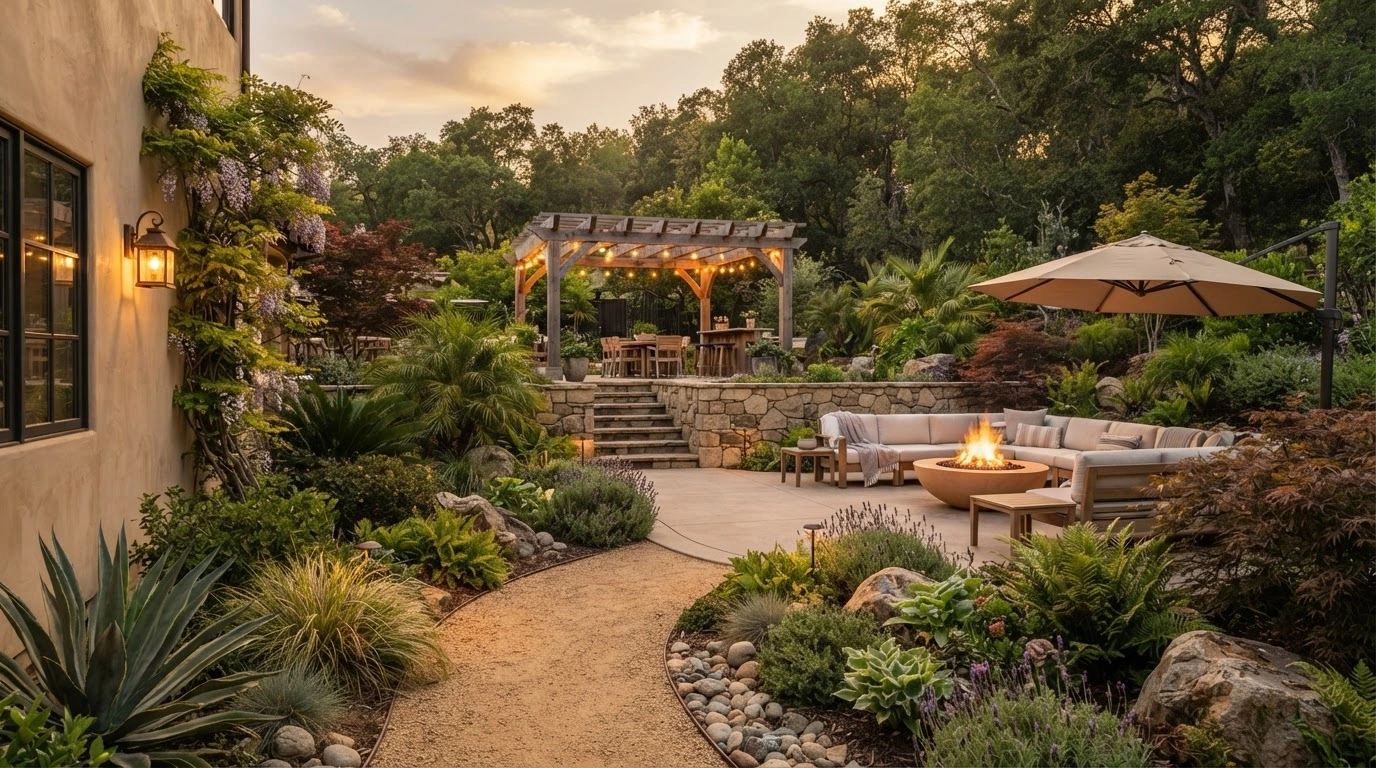
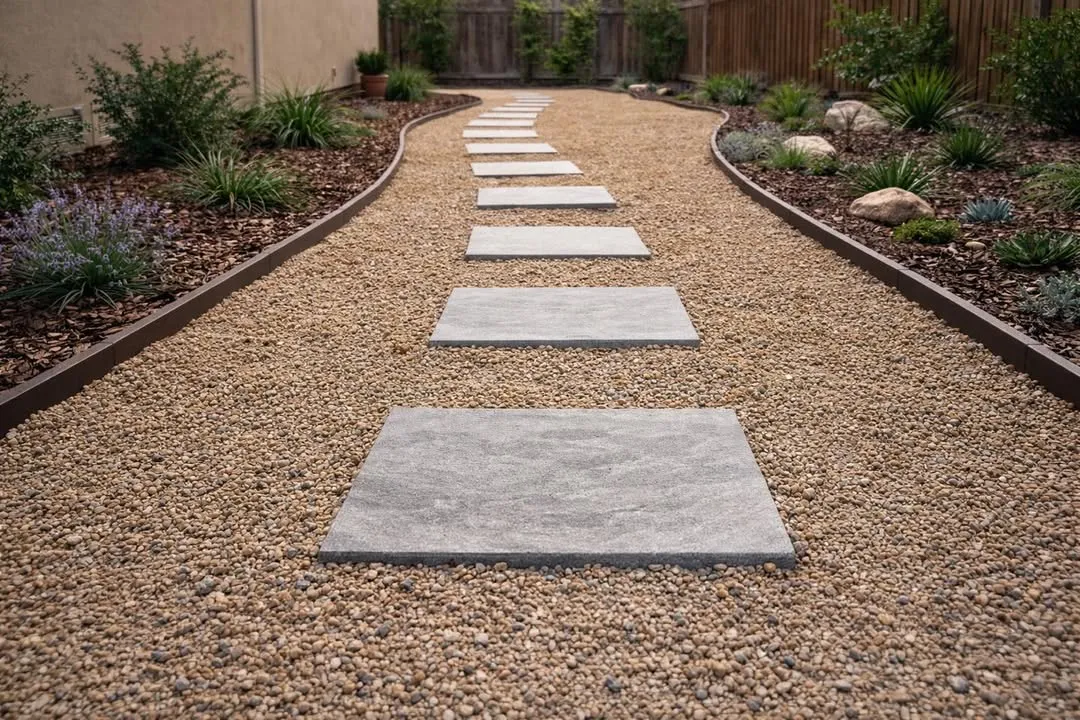
Crushed granite is a natural material often used for landscaping because it's low-maintenance and affordable. This material is a perfect way to beautify the garden paths, patios, flower beds, and ground cover. Homeowners are ditching the conventional idea of adding mulch and grass, switching to crushed granite in many textures and earthy colors. Though it's a suitable landscaping material, the final impact depends on the granite grade, a smooth base, and proper drainage.
9 Crushed Granite Landscaping Ideas
Crushed granite serves both a functional and an aesthetic purpose. Here are 9 ideas to incorporate it into your yard.
Create a Natural Path in the Garden
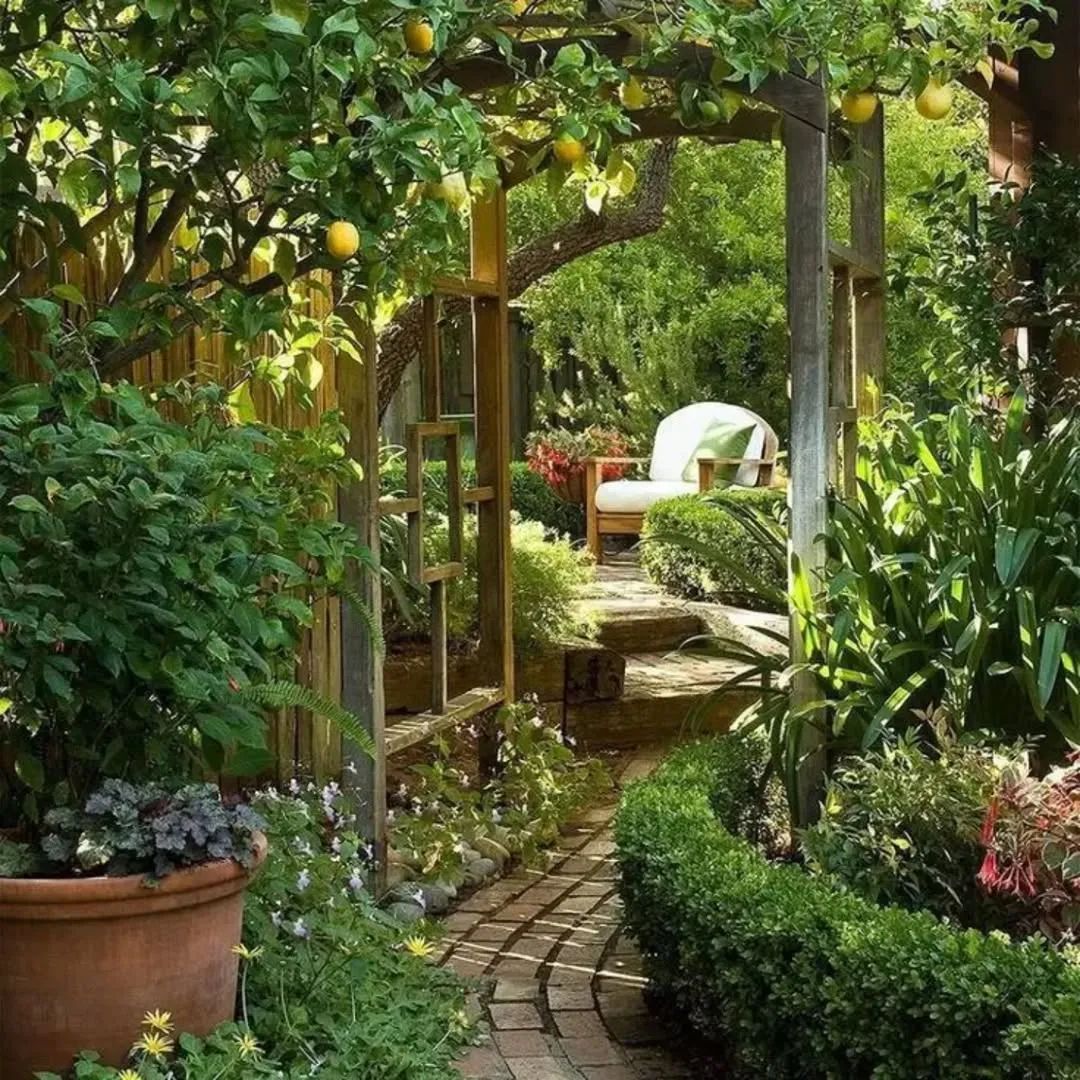
The earthy texture of crushed granite along the garden path blends seamlessly with flower beds, shrubs, trees, and ornamental grasses, making it a great option for cottage-style and informal gardens. Use a large stepping stone to add an element of decor. For high foot traffic, use compatible granite products, as they offer a stable walking path.
| Some Tips | For a natural look, use tan granite, for an understated look, use gray granite. Before selecting the granite color, also consider the architecture and paving in the surrounding area. |
Create a Low-Maintenance Yard
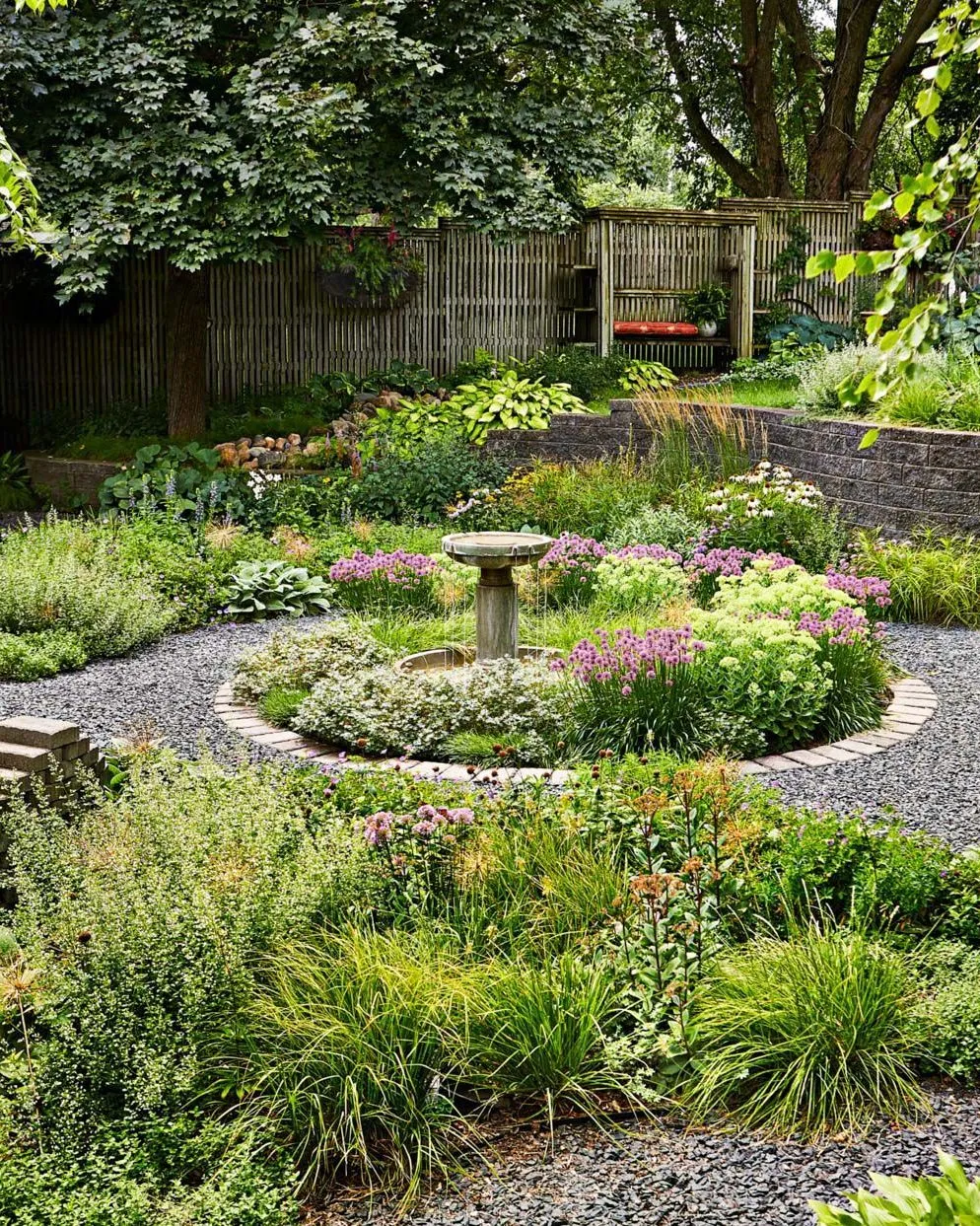
Crushed granite is a better choice for the yard because it's low-maintenance and provides a base that highlights plants, pathways, and other architectural features without the need for mowing. Separate the granite from driveways, lawns, and garden beds with metal, stone, brick, and concrete edging.
| Some Tips |
Maintain a consistent ground cover color, and add variety in shapes, sizes, heights, and colors with plants. |
Crushed Granite Patio
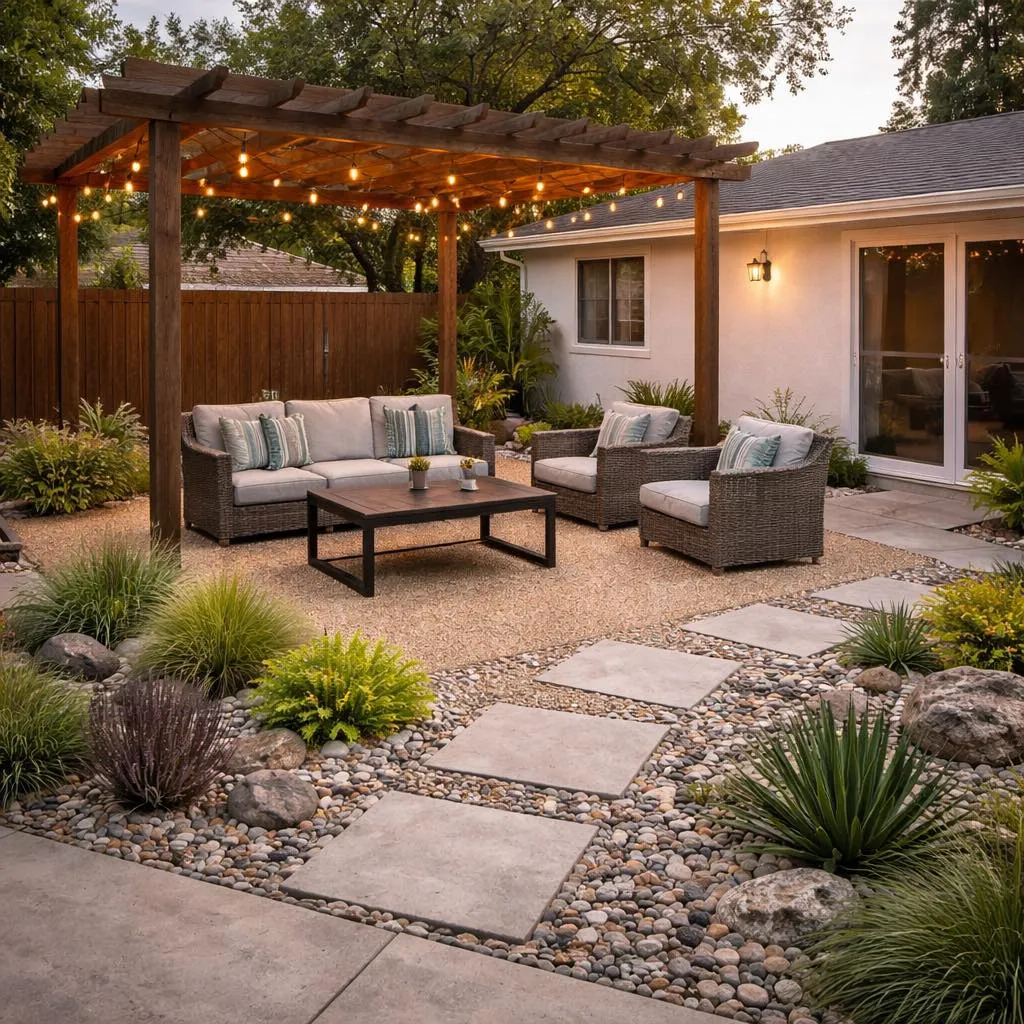
Create a comfortable outdoor seating area to read your favorite book with a cup of coffee or entertain guests without installing a paved surface. Based on your space, define the patio shape and add outdoor chairs, a table, and planters. Use granite meant for compacted surfaces for an even base.
| Some Tips |
Combine a paved strip with a granite seating area under furniture for better stability and visual appeal. |
Decorate Trees and Shrubs With Crushed Granite
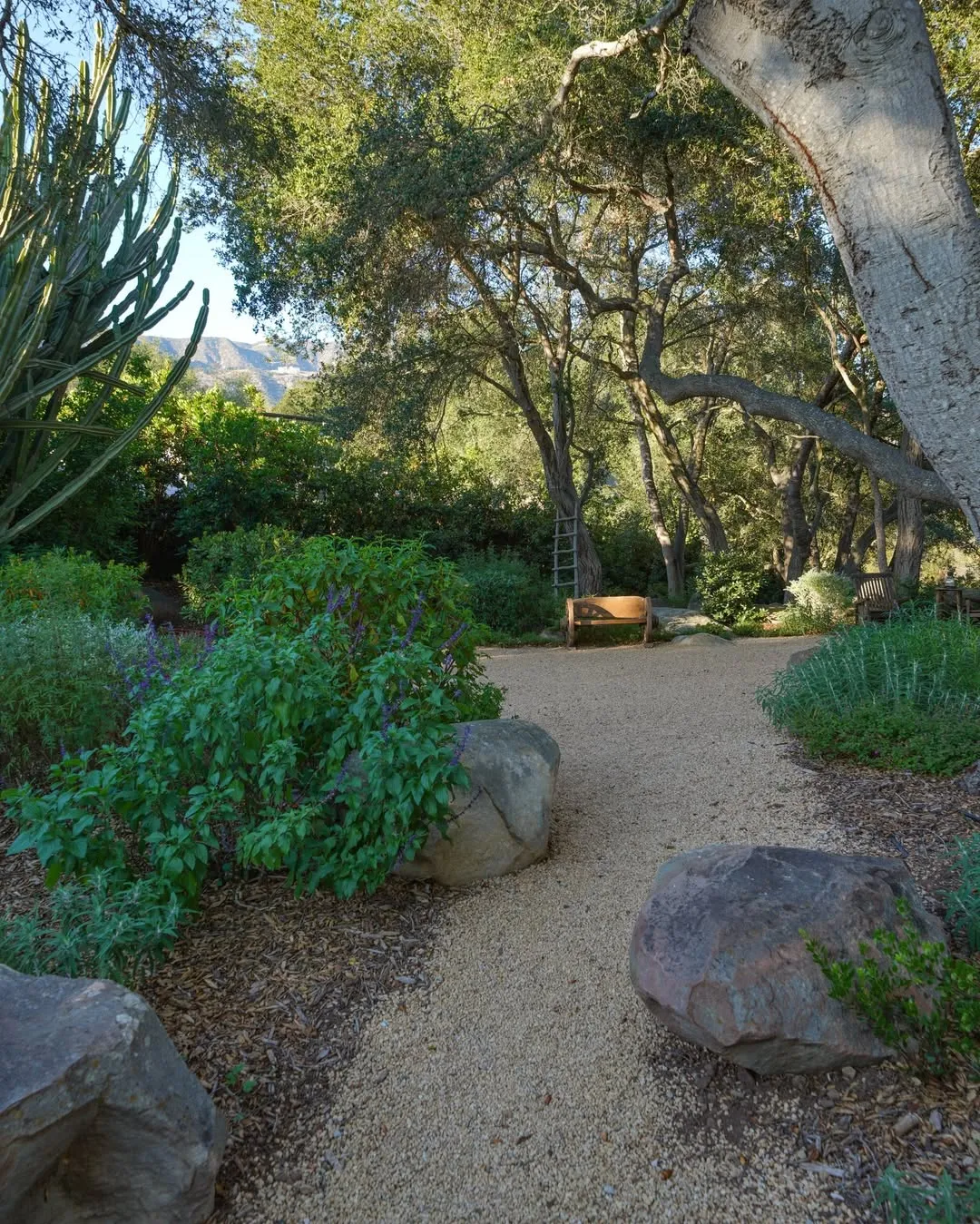
Crushed granite is the best way to create a defined, neat line between the planting area and the surrounding paving. Because granite is a natural base, it lets the green leaves stand out. However, avoid using excessive material around the base, as high moisture content can hamper healthy growth.
| Some Tips | Use shallow ground cover and leave enough open area around the trunks. |
Add Granite to Xeriscaping
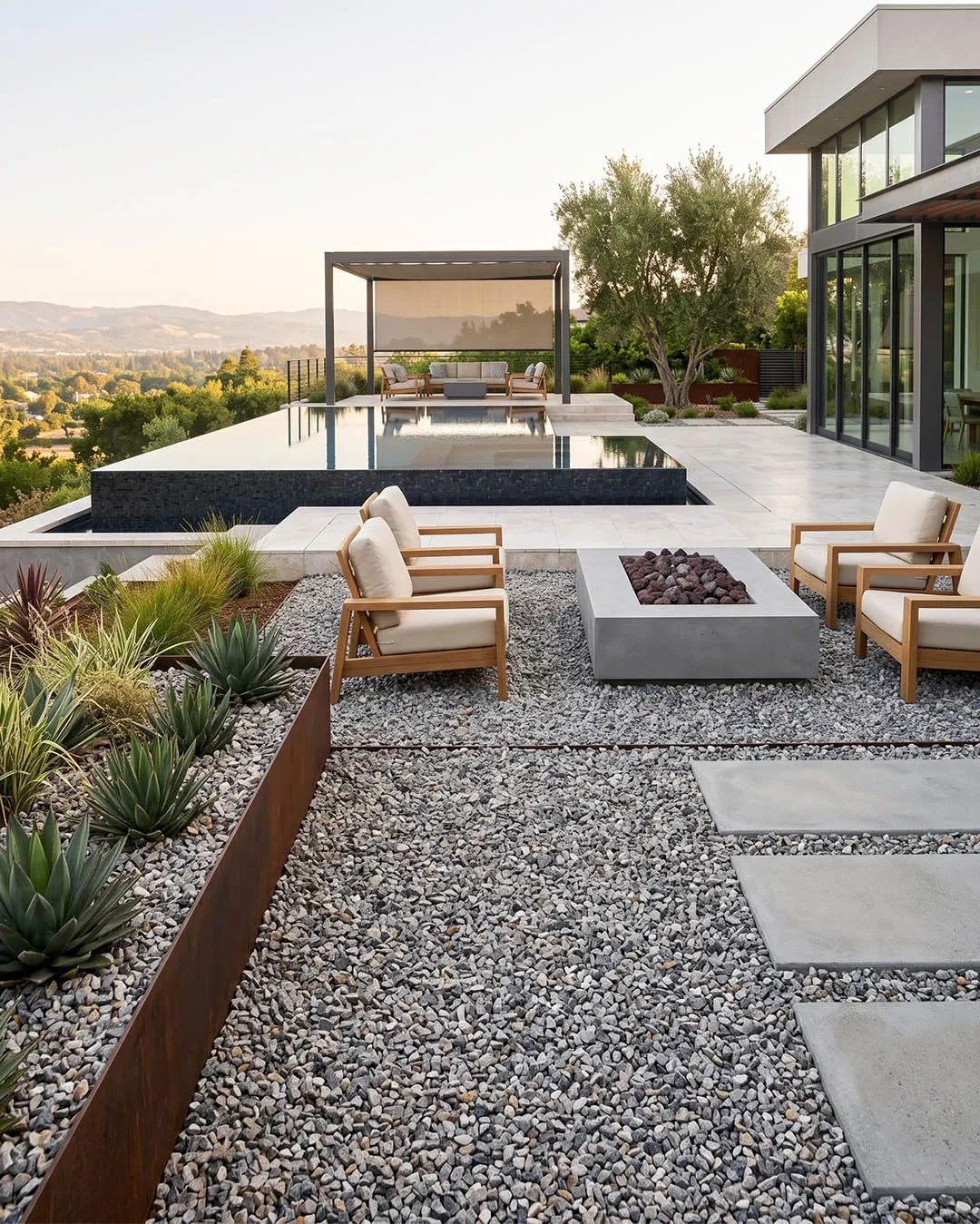
Using crushed granite for xeriscaping is a practical way to cover exposed soil and maintain consistency across planting areas. Adding crushed granite helps cover exposed soil and doesn't evaporate completely, but that doesn’t mean you’ll never have to water the plants, because newly grown plants still need some watering.
| Some Tips | Group plants with similar watering needs together, and connect those groups in a beautiful design using granite. |
A Decorative Rock Garden
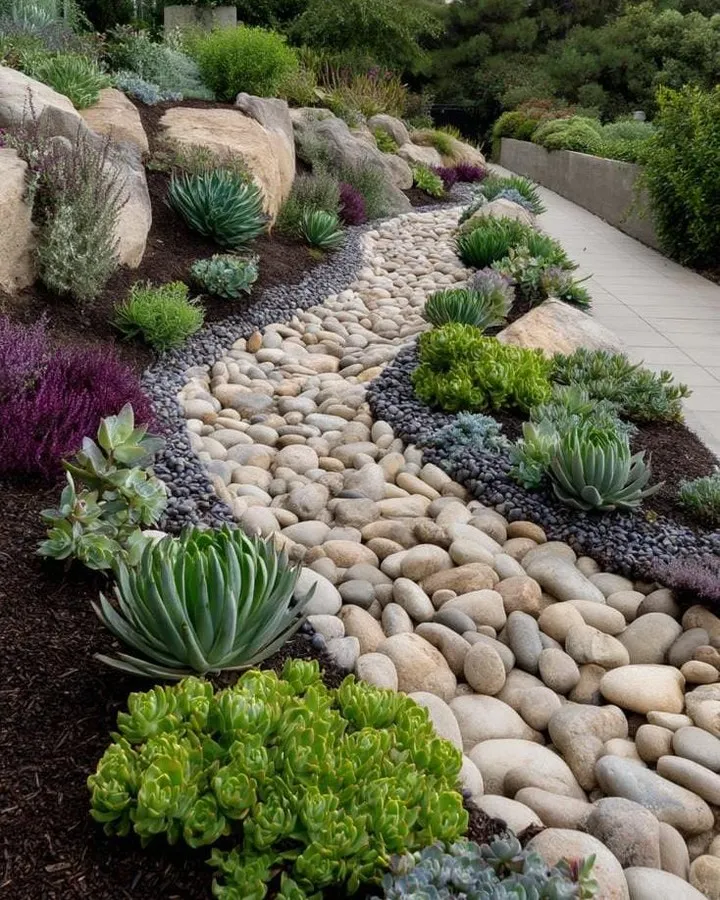
A minimalist approach to natural-looking ground cover that adds texture without growing plants. A few low-growing plants can create a layer in the rock garden. Use a few large stones, arrange them in small groups, and add crushed granite around them, leaving little space for plants.
| Some Tips | Use a few tones of granite and plants for a balanced look. Overcrowding of plants gives a messy look. |
Define Flower Beds With Granite Borders
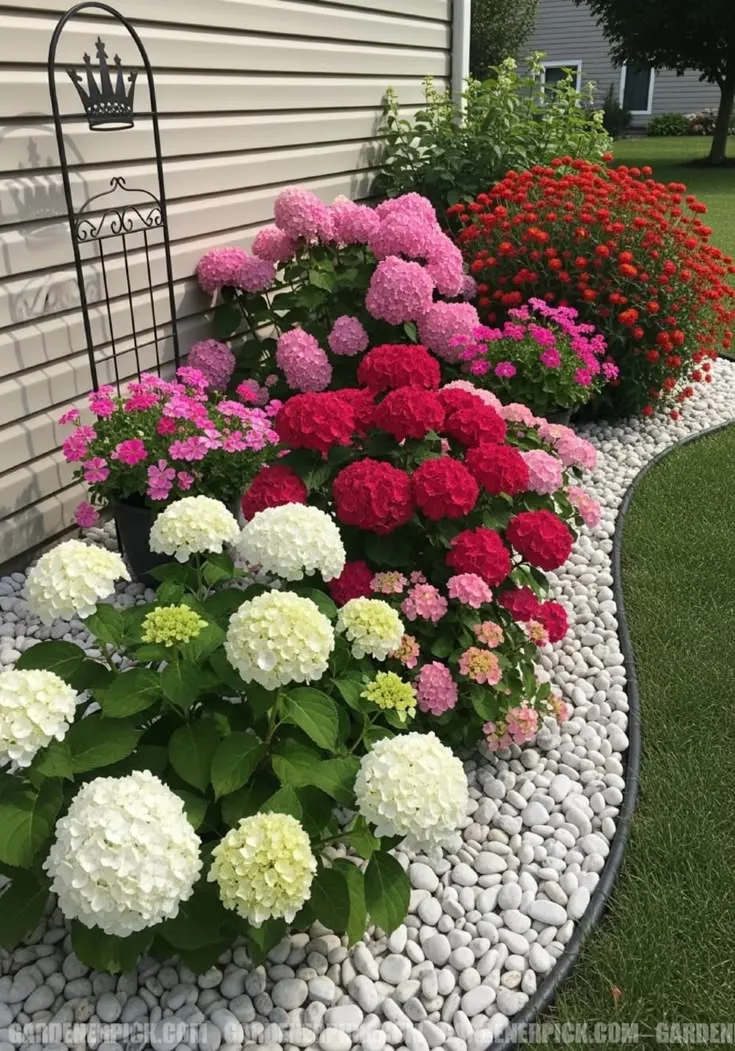
Crushed granite is a smart way to create a fine line between planting areas, walkways, and lawn. The best part is granite's natural color, which complements plants and ornamental grass. Two ways can help the garden look more organized. One is to create a narrow granite strip between the lawn and flower bed, and the other is to use granite as the ground cover inside a planting bed.
| Some Tips | Use compactable granite for walking strips and keep the granite color consistent. |
Narrow Walkway
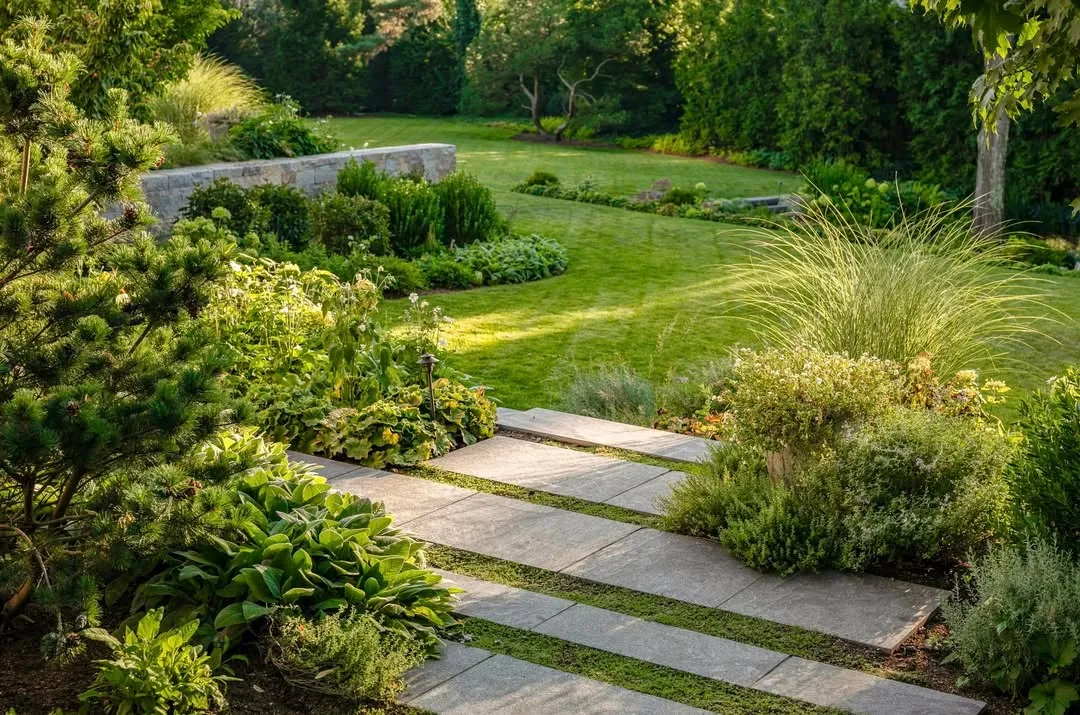
The area between a house and the fence often remains neglected, but crushed granite can create an attractive walkway. Spread granite along the walking area and add stepping stones. If the space gets enough sunlight and air, consider planting shrubs to bring in greenery. Also, make sure drainage isn't covered. Remember that a crushed granite surface is not a substitute for a drainage plan.
| Some Tips | Combine gray or tan granite with properly spaced stepping stones to transform an ordinary narrow walkway into a functional, visually appealing area. |
A Modern Landscape
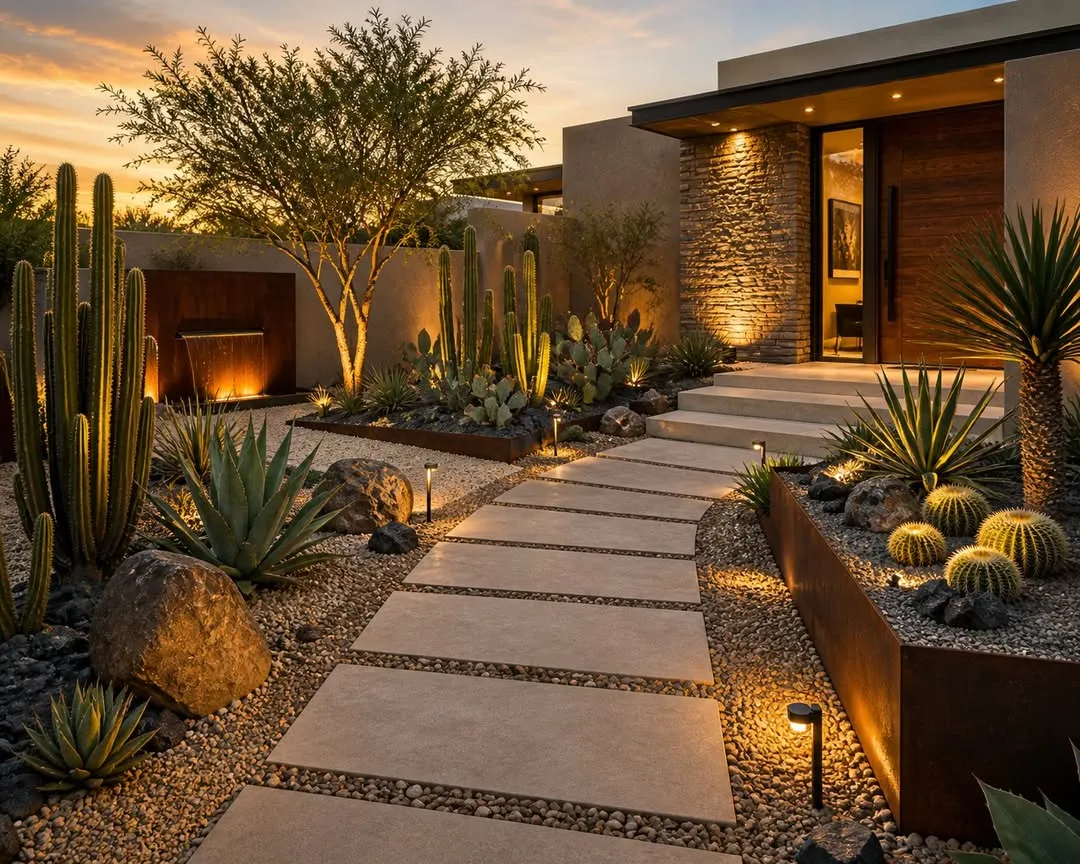
It works well in modern landscapes when paired with geometric shapes and clean edges. The natural texture of crushed granite softens the steel edging, outdoor furniture, and concrete paving. Pairing gray granite with rectangular concrete stepping stones creates a minimalist design, while tan granite with timber or neutral walls creates a warm look.
| Some Tips |
Pair up one dominant granite color with a pair of landscaping materials. |
What Color of Crushed Granite Looks Best in Landscaping?
No single color suits all types of landscaping. The impact of the granite color depends on the home’s exterior, your style preference, and existing hardscape. Here is a list of crushed granite colors.
Tan and Buff : These warm, neutral crushed granite shades suit natural garden pathways, patios, and cottage gardens. Tan and buff also go well with timber, sandstone, and lush green foliage.
Gray Crushed Granite : It creates an understated look and blends well with contemporary homes, concrete paving, and metal edging.
Warm Red and Pink : These suit warm-colored masonry and drought-tolerant plants. They add character to southwestern-inspired landscapes.
Mixed Shades of Crushed Granite : Mixed natural tones add a rustic look along the informal pathways and woodland gardens.
Before spreading the granite in the landscape, test the sample. Granite looks different when it's wet than when it's dry, and it can look different in sunlight, under artificial lighting, and in dark conditions.
Where Should You Avoid Using Crushed Granite?
Crushed granite can be used for many landscaping projects, but it isn’t suitable for every application. There are conditions when you should avoid using it.
Areas Where It's Difficult to Walk on Loose Material - People with mobility issues may find it difficult to walk on loose material; choose a firm paving instead.
Steep Slope - Loose granite can wash away during heavy rain on steep slopes, so avoid using it on steep slopes unless you use a slope-stabilization method.
Areas With Poor Drainage - Poorly graded ground can cause erosion or water collection; resolve the drainage problem first, then consider crushed granite.
High Foot Traffic Areas - Heavy foot or vehicle traffic may shift granite, so opt for a stabilized system in these areas.
Plants That Need Organic Matter - Plants that need organic matter may not benefit as much from granite, so consider the plant's needs and decide whether crushed granite is a good option.
How to Choose the Right Crushed Granite for Your Landscape?
Selecting the right crushed granite means considering particle size, the amount of fine material it contains, and how well it settles into a stable surface. Consider other criteria, too.
Choosing the right material depends on its particle size, texture, and intended use. Before making a decision, compare crushed granite vs. decomposed granite to understand which option is better suited to your landscaping project.
Fine Granite Screening
It forms a smooth, compacted surface because it contains fines and small particles. It suits some garden paths.
Select a Fine Crushed Granite
Finely crushed granite is a suitable option for informal pathways, patios and some ground cover. However, the final result varies depending on whether you include a stabilizer.
Shade That Complements the House
Find a shade that complements the house, plants, paving and any other outdoor architectural features. You should first try a sample.
Consider the Traffic Volume
Traffic volume greatly affects the choice. A high-foot-traffic path has different requirements than a decorative garden bed, so choose carefully.
Drainage Condition and Maintenance Needed
The best granite choice depends on the slope, drainage, rainfall, and how much maintenance you're willing to do.
Is Crushed Granite Landscaping Worth It?
The value of investing in crushed granite landscaping depends on successful project execution, including installation. However, the project has some disadvantages along with its benefits. The advantages of using crushed granite include a natural look, design versatility, low maintenance, and rainwater infiltration.
At the same time, it has some cons too. It needs regular upkeep, like raking and replenishment; the threat of weed growth, dust in dry weather, fear of erosion during heavy rain, and not providing organic matter to some plants.
Final Thoughts
Crushed granite is a low-maintenance and affordable option to add texture and decorate the outdoor space. It can be used for patios, ground cover or garden bed. With regular upkeep, crushed granite can create a stunning yet functional landscape.