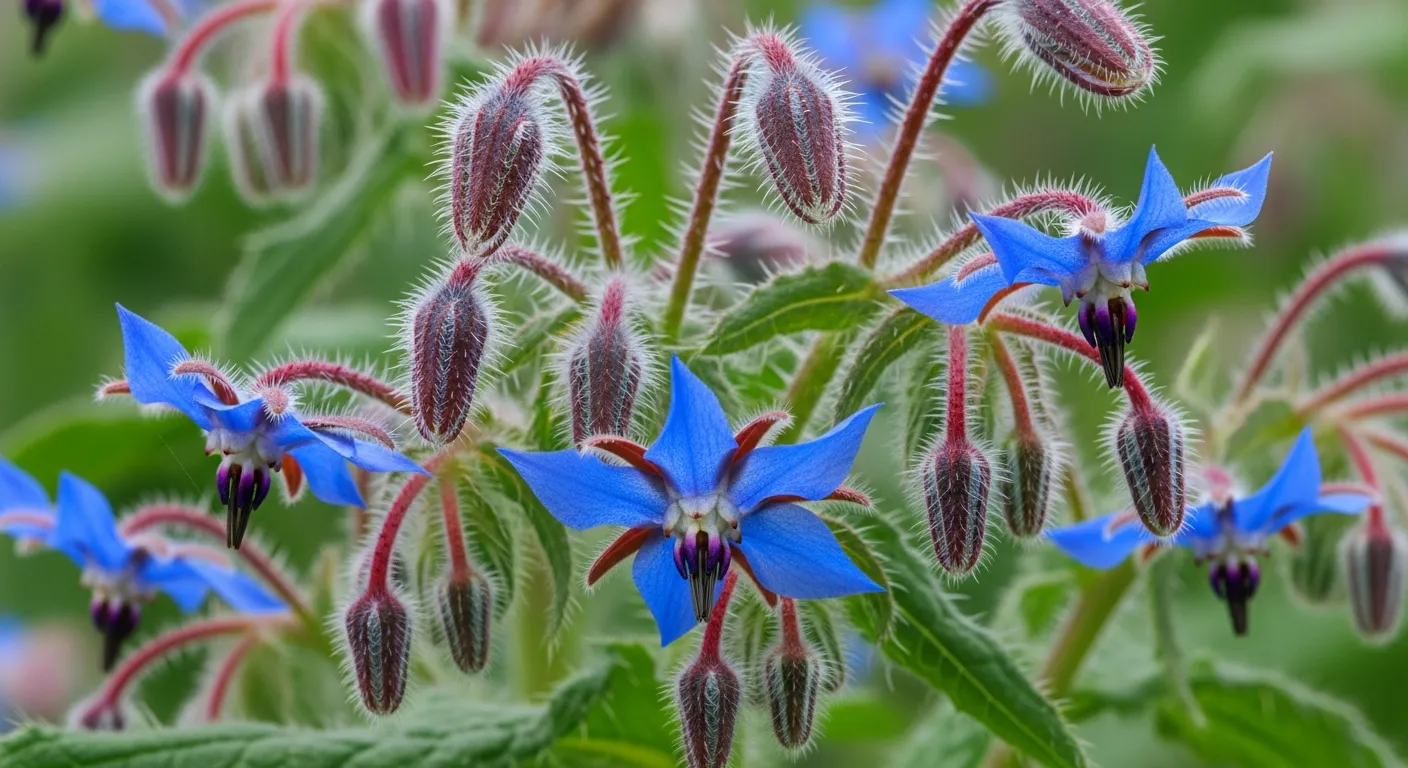
Borage is an annual herb with star-shaped, blue flowers. It attracts bees and butterflies, keeps pests away, and makes the garden more productive. On top of that, it is the best companion plant because it helps improve soil conditions.
Borage is a low-maintenance plant, but like any plant, it also has certain limitations when it comes to companion plants. Not every plant can complement borage. This makes it essential to ensure you are planting the right borage.
This blog discusses certain plants that do not get along with borage. It also discusses a few care tips and which plants are a good fit for this. If you are planning a pollinator-friendly garden, you can also look at sunflower companions to find other plants that work well alongside flowering species.
How to Grow and Care for Borage?
Growing and caring for borage won’t cost you a fortune and won't require much effort. It is absolutely forgiving and is a great option if you are a beginner. You must know that this herb can be planted both outdoors and indoors. Here’s a brief guide on how you can grow and care for it:
How to Grow?
- Start by sowing the seed into the soil after the last frost.
- Ensure that it is kept in a sunny spot.
- Next, you must keep in mind that borage loves full sun, but it can tolerate a bit of shade as well.
- Make sure that the soil is well-draining, and add some compost to give the herb a nutrient boost.
- Make sure you leave about 12 inches of breathing room, as the plant tends to spread.
- It is also advisable to keep the soil moist during the borage's growing phase. However, once they are grown, they become drought-resistant.
| Notes | The pot should be at least 12 inches deep so that the roots can grow to their full potential. |
How to Care?
Though borage is a low-maintenance plant, it still needs to be well cared for. Here are a few expert tips that will help ensure that borage remains green:
- Borage is a hardy annual, which does not survive the winter.
- Watering is required on very hot summer day, but make sure the plant does not stay constantly moist.
- It needs proper sunlight throughout the day, but can tolerate a little shade.
- Soil should be well-drained and light.
How to Prune?
- Do not remove the dead flower head, as borage is a self-seeding plant. However, if you do not want the plant to self-seed, remove the dead flowers regularly.
- The pruned leaves, dead flowers, and stems can be added to the compost pile. The nitrogen content of borage helps speed up decomposition.
- Keep the plant trimmed during autumn.
| Notes | Wear gloves when pruning. This is because the plant has a hairy stem and foliage, which may irritate sensitive skin. |
What Should Borage Not Be Planted With?
Now that you know how to grow borage, you must also be aware of what not to plant with it. The reason is competition for nutrients: borage takes up large amounts of nutrients from the soil, leaving other plants struggling to grow and thrive.
Potatoes
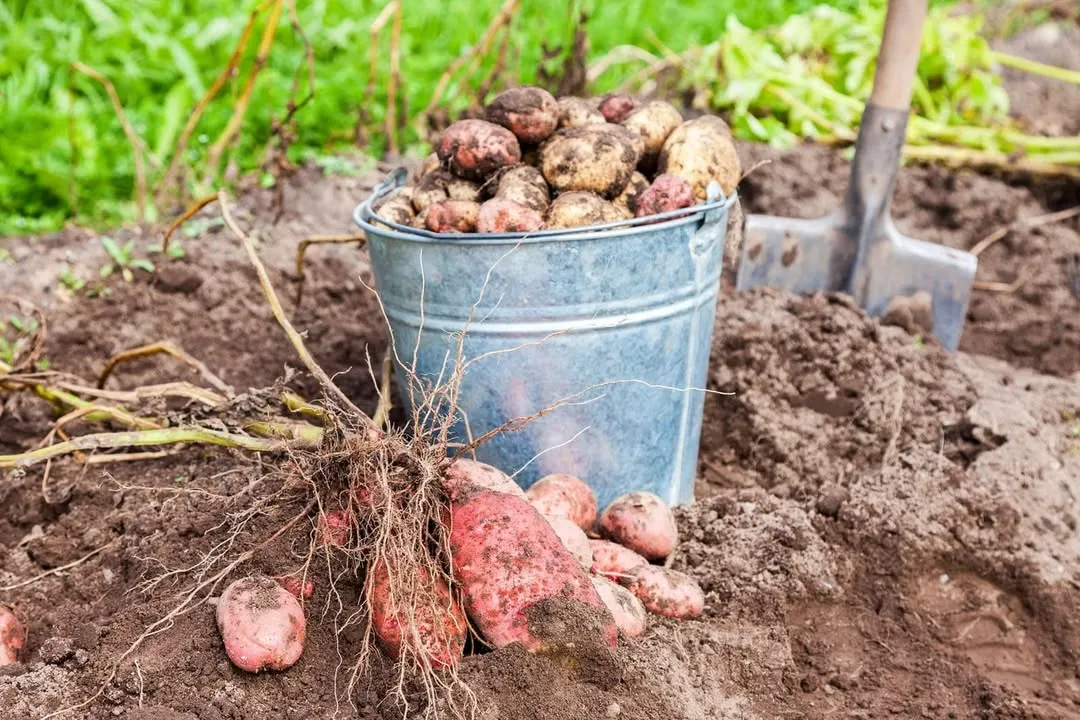
Gardeners really warn about planting potatoes with borage. Though it might appear that both can be planted together, it’s a bad idea because two plants often struggle to grow with each other. Borage releases certain chemicals that may hinder potato growth.
Borage attracts Colorado potato beetles, which can damage the potato plants by feeding on them. Thus, weakening the leaves and overall growth. When planted together, potato and borage can also be affected by fungal diseases in higher-humidity environments.
Fennel
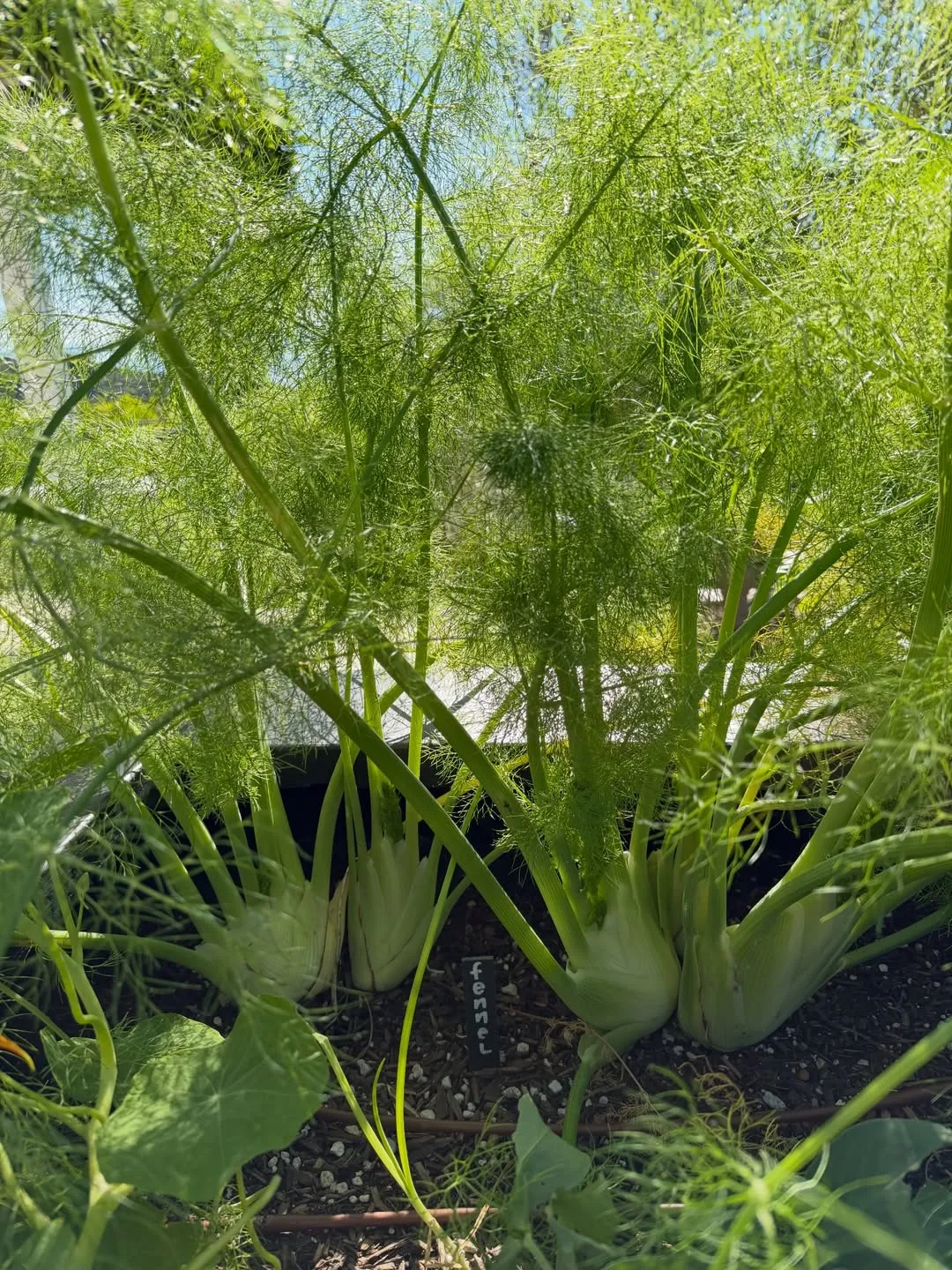
Fennel is another plant you must avoid, because it has an allelopathic effect. This means the plant releases certain chemicals that can halt the growth of the other plant. In addition, both borage and fennel have large roots that often compete for space beneath the soil. This can stunt the growth of both plants.
Last but not least, fennel attracts pests, such as aphids and other insects, which can also spread to borage.
Black Walnut
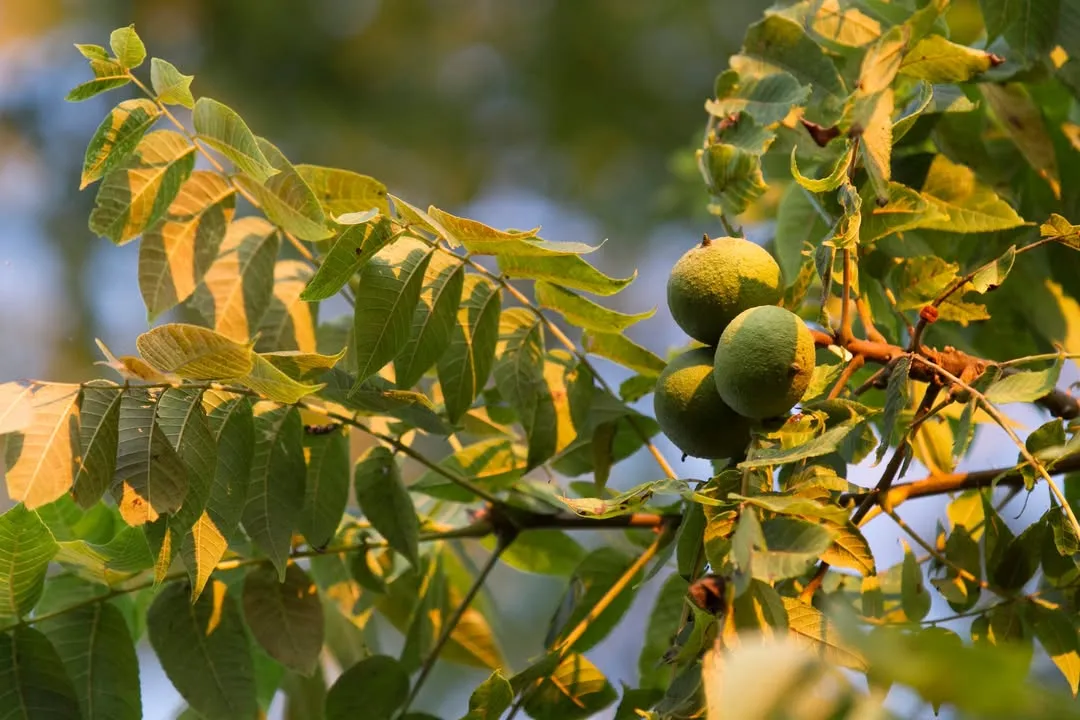
Black walnuts are considered poor companion plants because the chemical they release, juglone, can interfere with borage growth. They also have an extensive root system, which might compete aggressively for nutrients and water. This often leaves fewer nutrients for borage.
Another issue is that they create dense shade, preventing sunlight from reaching the other plant. Thus, resulting in the borage growing weak. However, if placed farther apart, both can thrive.
Spinach and Arugula
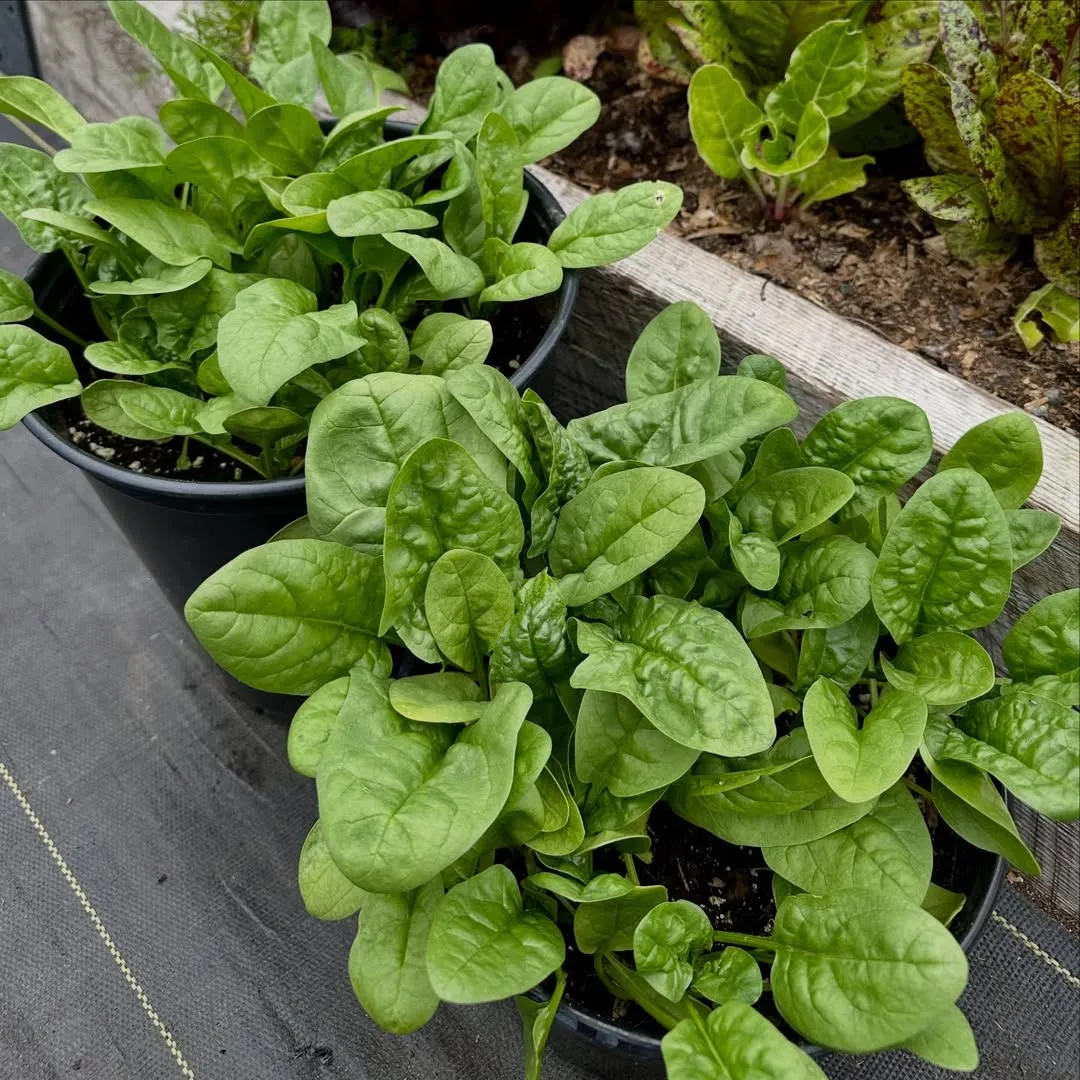
Borage can overshadow and take over the surroundings. When spinach or arugula is planted along with borage, they might struggle for light and space because borage needs more space to spread, leaving less for other plants. If you are considering planting spinach or arugula with borage, consider keeping a healthy distance between them.
If you have limited space in the garden, consider growing borage along the edge of the garden bed. You can also plant it in a container so that it won’t overshadow smaller, sensitive plants.
Carrots
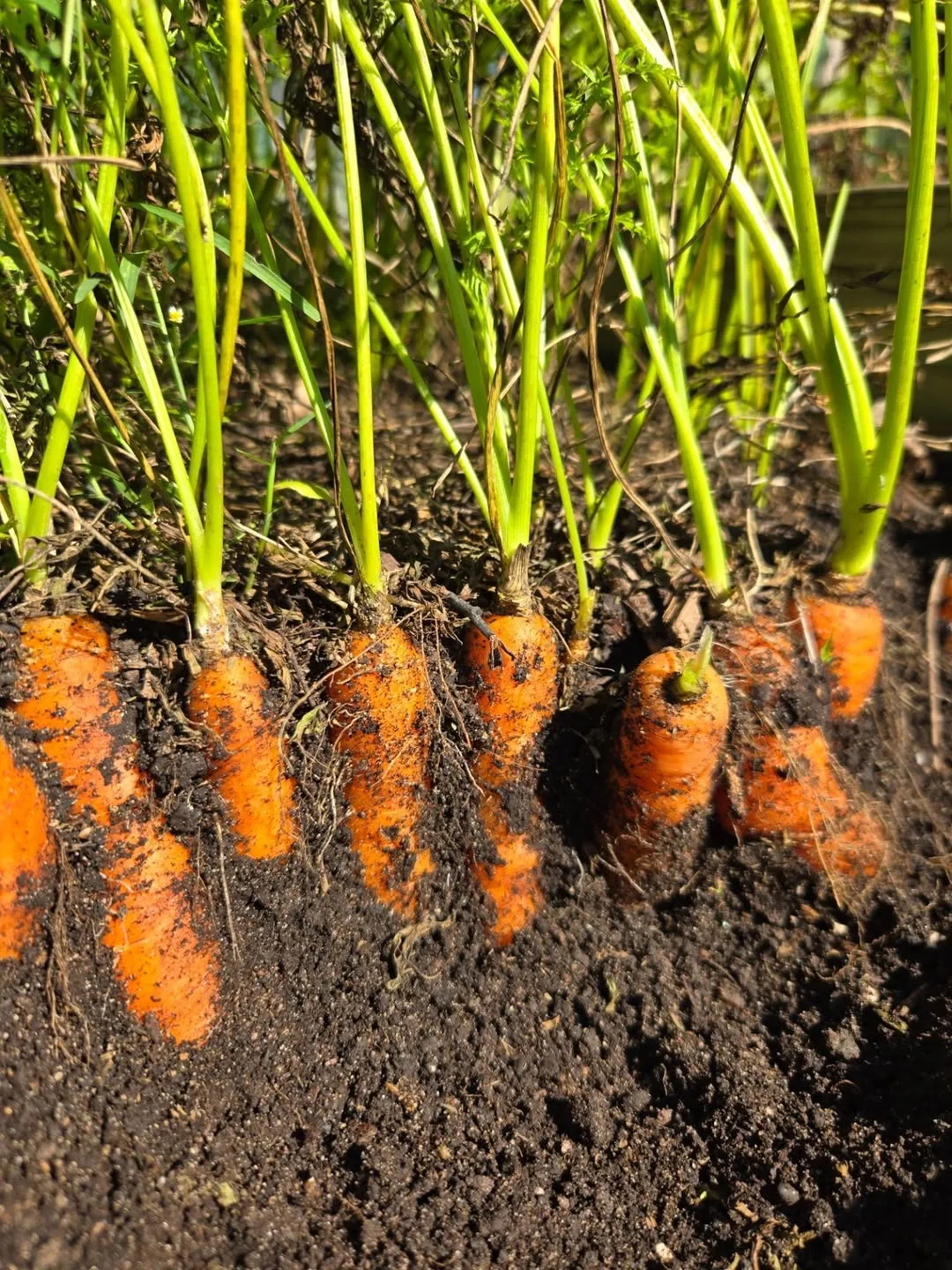
Borage and carrots can never be grown together. The most obvious reason is their extensive roots that will fight for space, nutrients, and water. Thus, causing both plants to grow weak. Carrot and borage both attract pests, increasing the risk of infestation for both plants if grown together.
Turnips
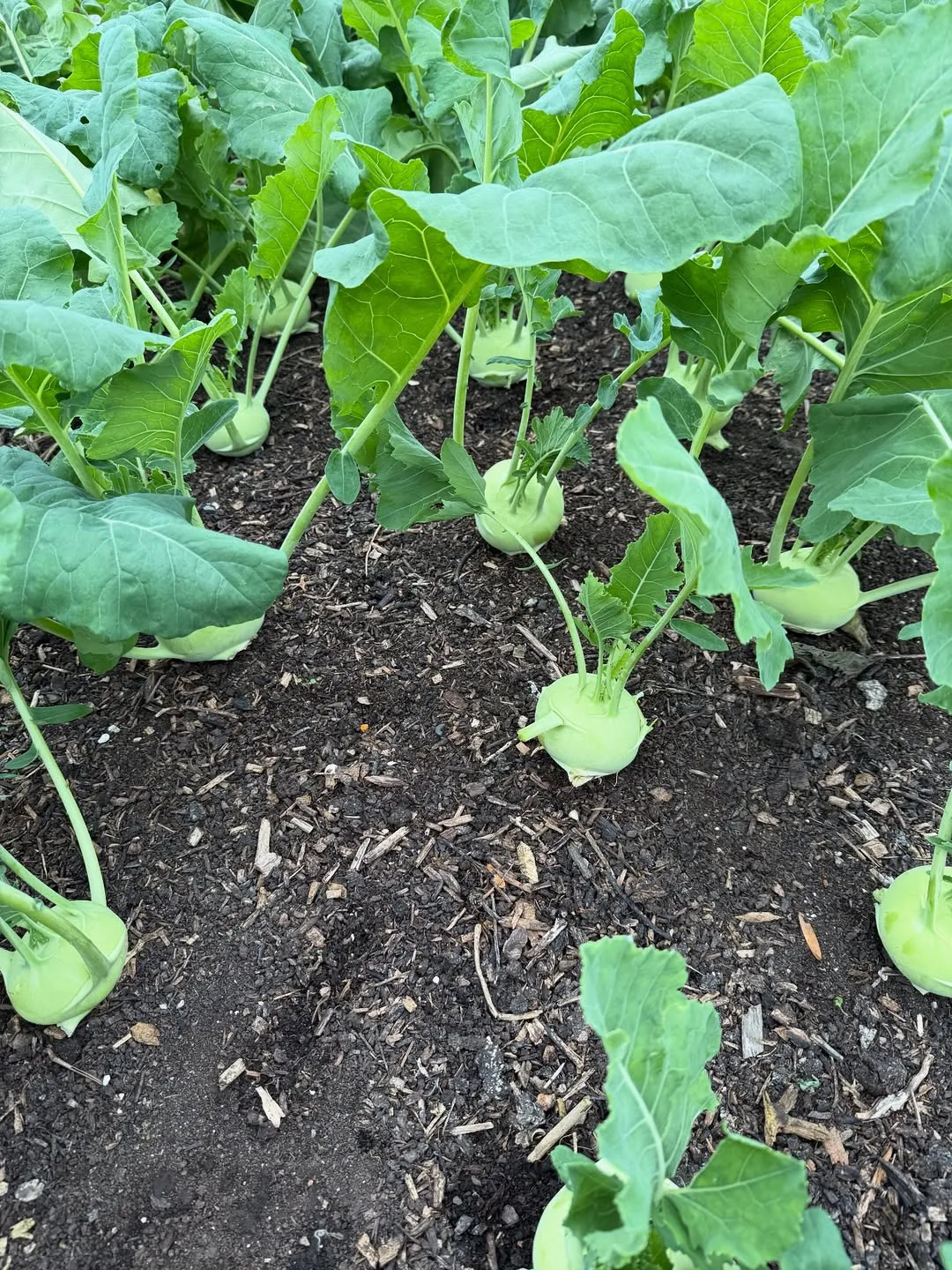
Just like carrots, turnips, and borage should never be planted together. Gardeners advise keeping them apart because of possible allelopathic effects. Also, both can hinder each other's growth, as they require substantial nutrients to thrive.
Onions
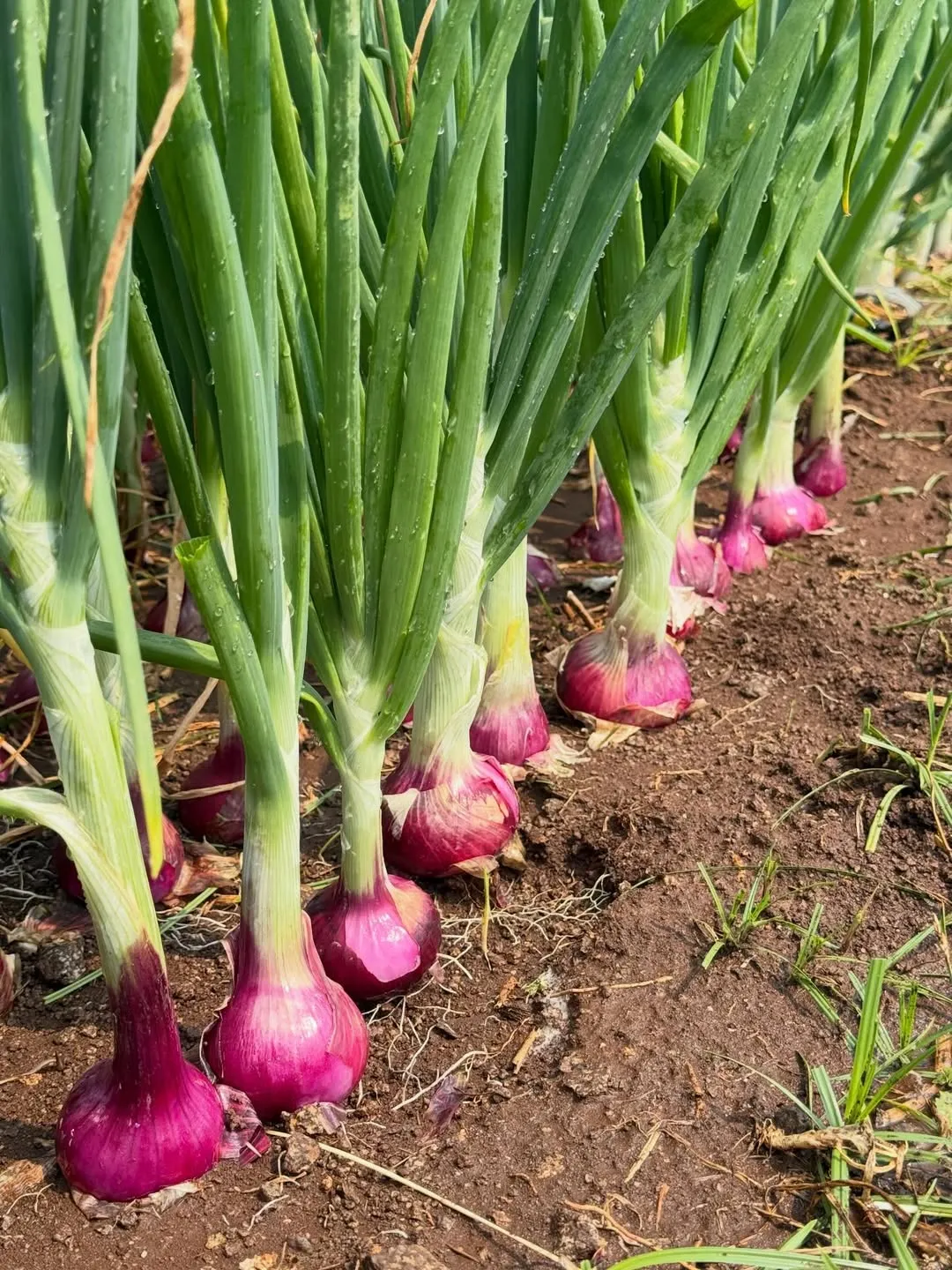
Onions are not good companion plants because they compete for water and nutrients, which can hinder growth. Also, onions attract onion flies and other harmful pests, which spread between the plants.
Garlic
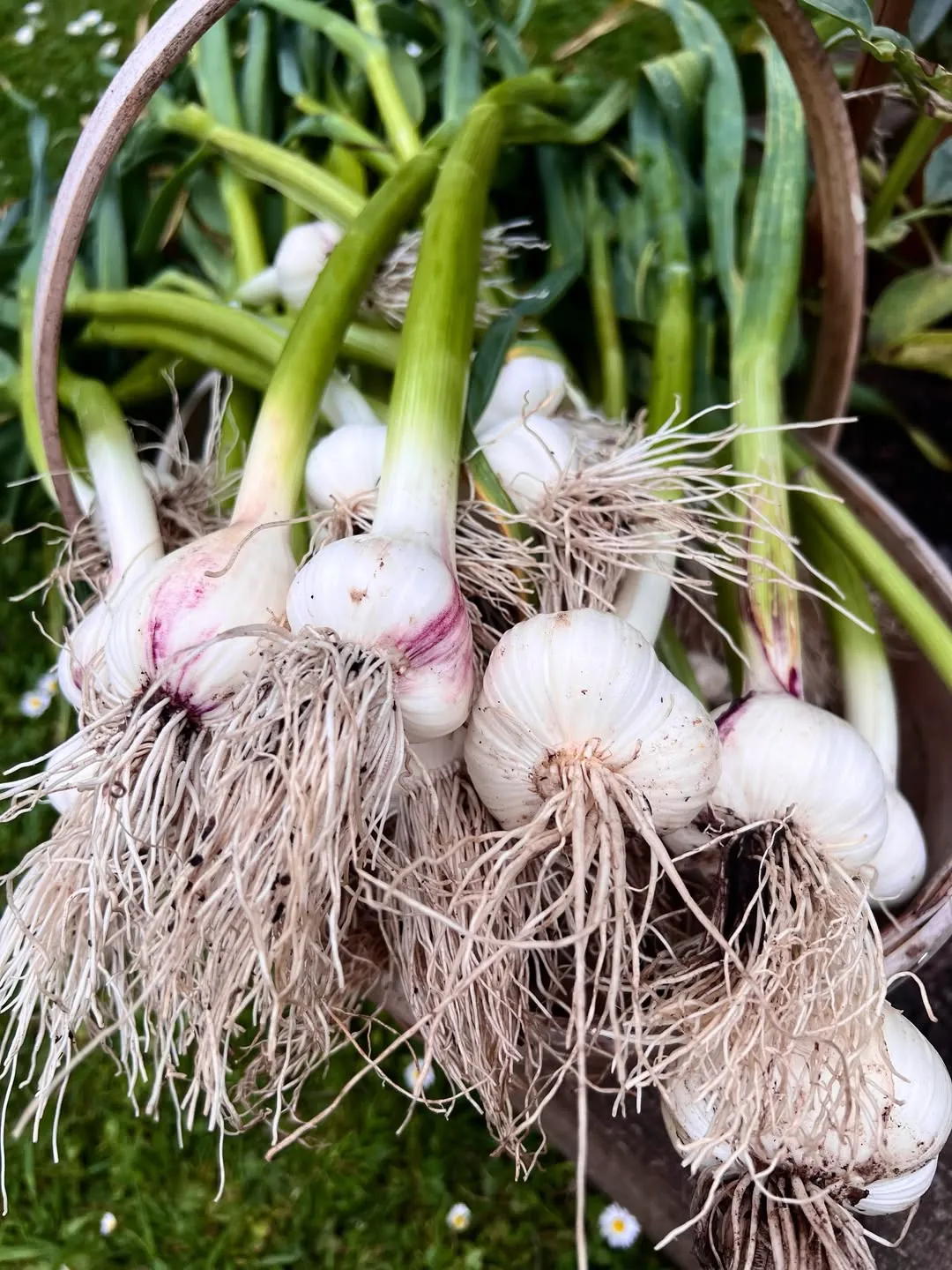
Garlic releases chemicals into the soil that hinder borage growth and prevent it from growing properly. Another obvious reason is that both plants need the same nutrients from the soil, which again causes the plants to keep struggling for essential nutrients for healthy growth.
Nightshades
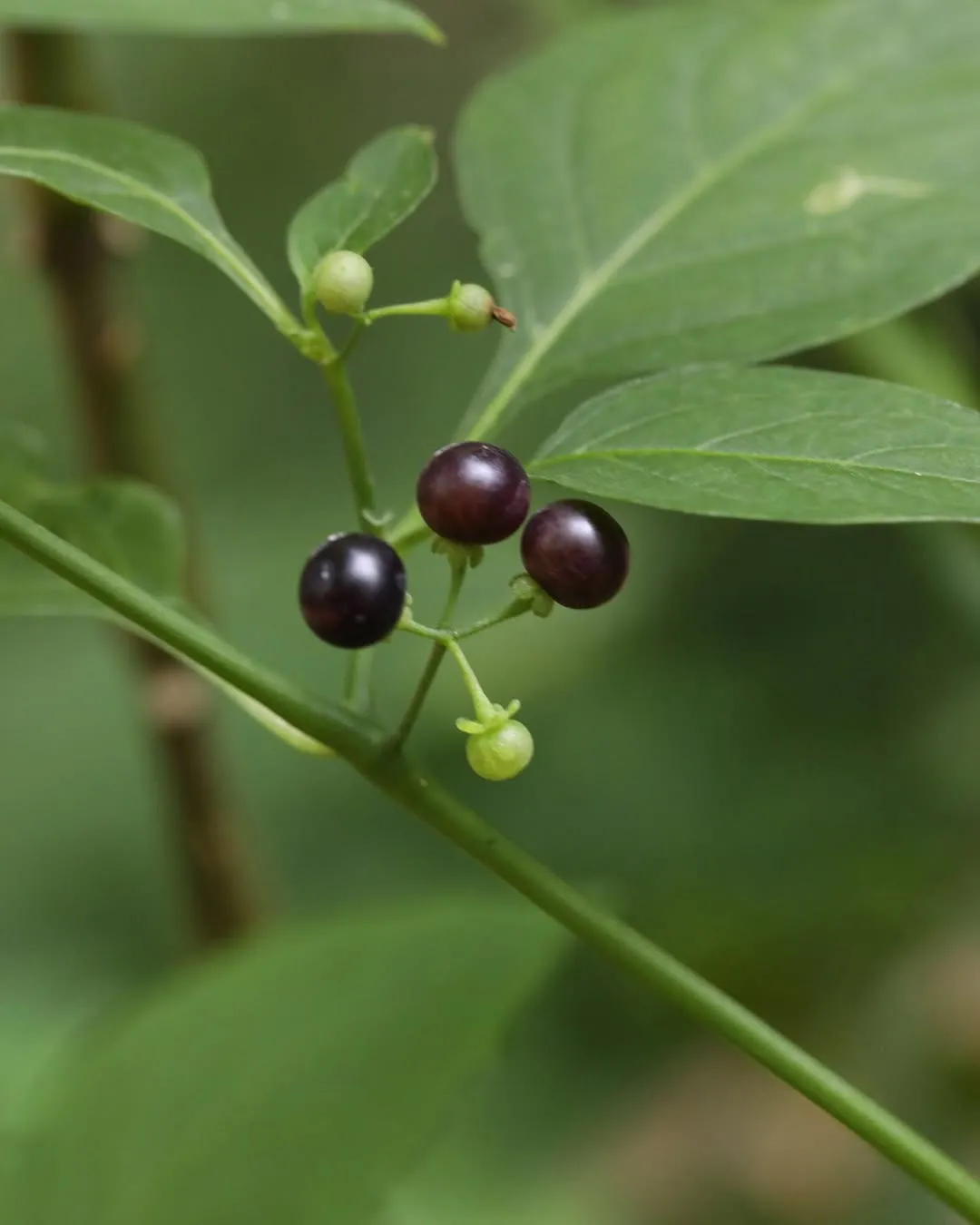
Planting nightshades like eggplants and peppers, along with borage, is not recommended. This is because these nightshade plants may increase pest activity, which can harm nearby plants as well. Hence, a proper spacing is required. Since these plants usually attract similar pests, infestations may spread more easily among them.
In addition to these, acid-loving plants, such as blueberries or rhododendrons, should also be avoided, as they may cause borage to suffer from pH imbalances.
What is a Good Companion Plant for Borage?
Despite the long list of incompatible plants, here are some companion plants that pair well with borage. For additional pollinator-friendly combinations, bee balm pairing can also provide useful inspiration when planning a garden that attracts bees and other beneficial insects.
Tomatoes
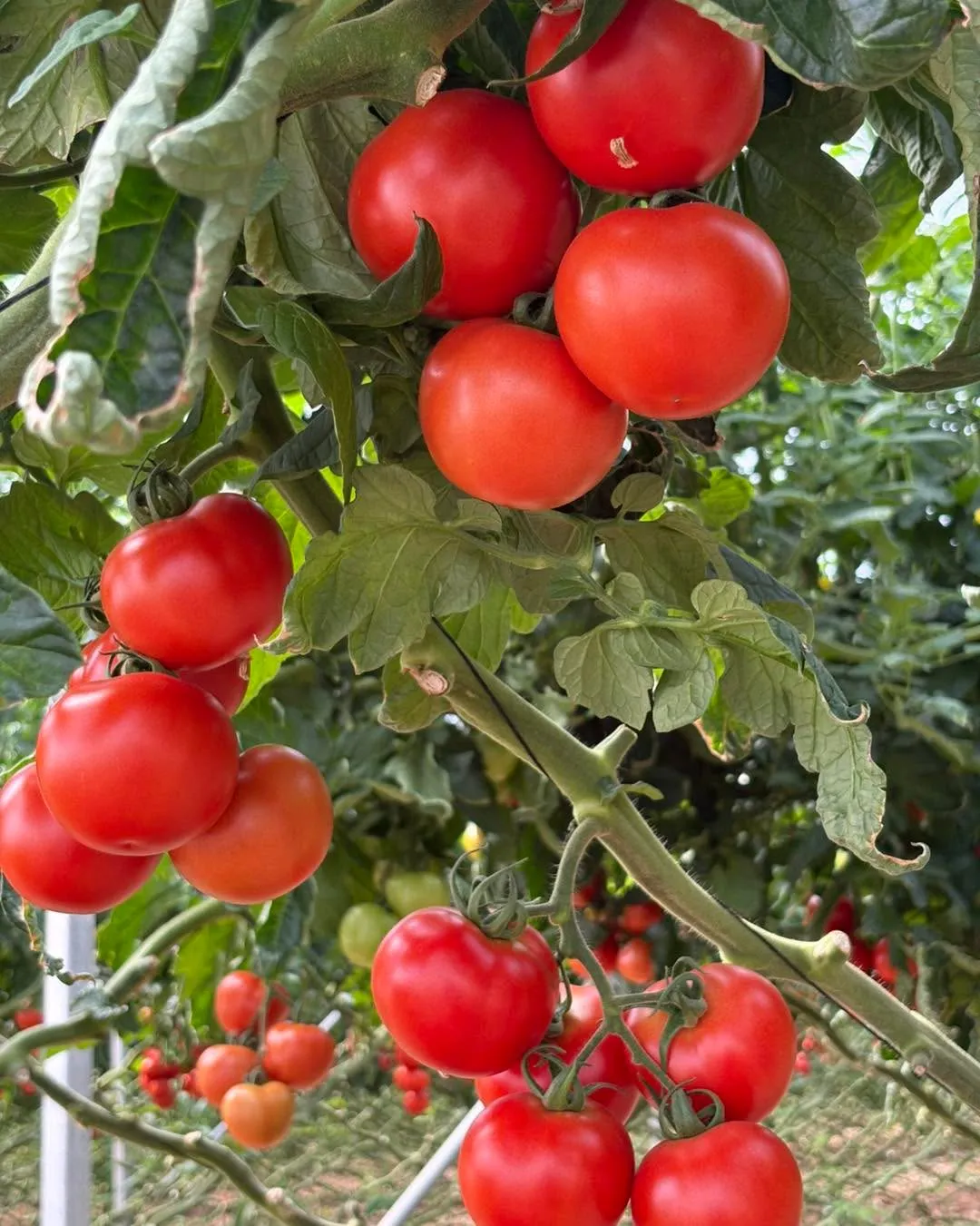
Though tomato belongs to the nightshade family, it goes well with borage. The main reason gardeners plant them together is that the borage attracts a large number of pollinators. Before pairing the two in your garden, it can also help to understand the ideal tomato planting time so both plants have suitable growing conditions. Thus, helping your tomato to grow colorful and juicy.
Strawberries
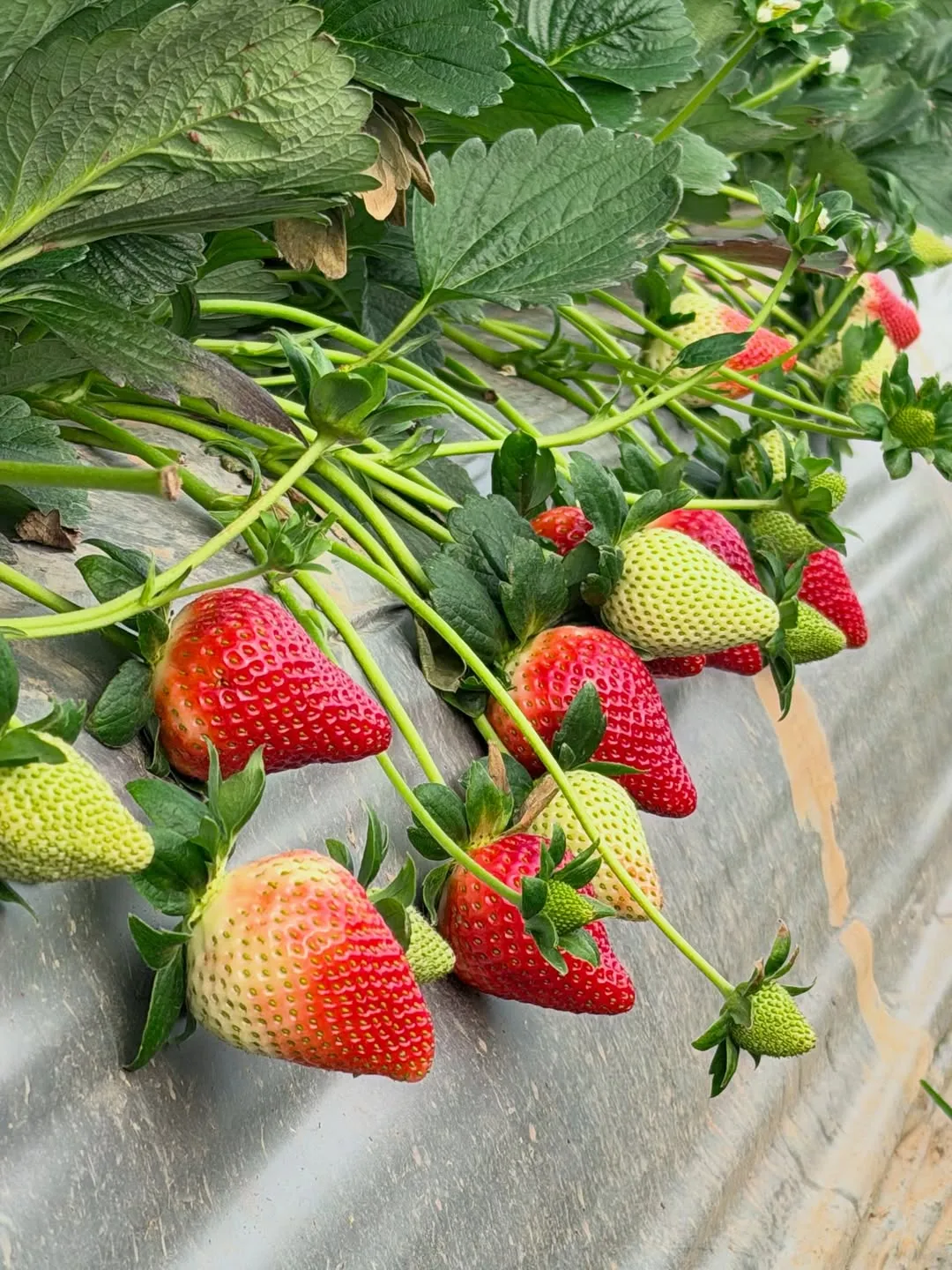
With so many pollinators attracted to borage, the strawberry planted along with it can also benefit. Gardeners often find that their strawberry patches become healthier and more fruitful after planting borage alongside them.
Cucumber and Zucchini
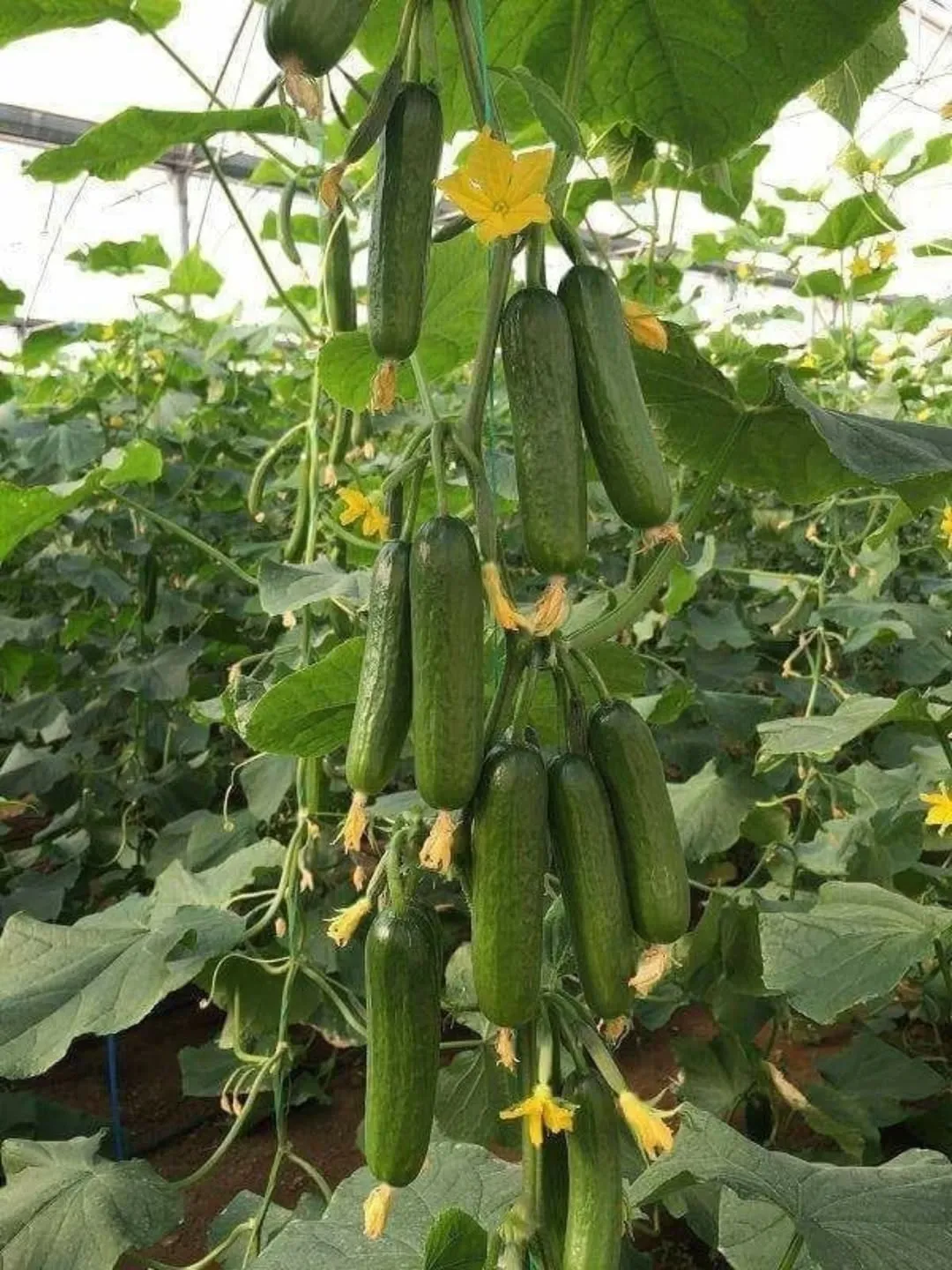
Borage attracts bees, which is beneficial for zucchinis and cucumbers. As cucumbers and zucchinis rely on pollinators to produce fruit, having borage by their side can have a great advantage.
Brassicas
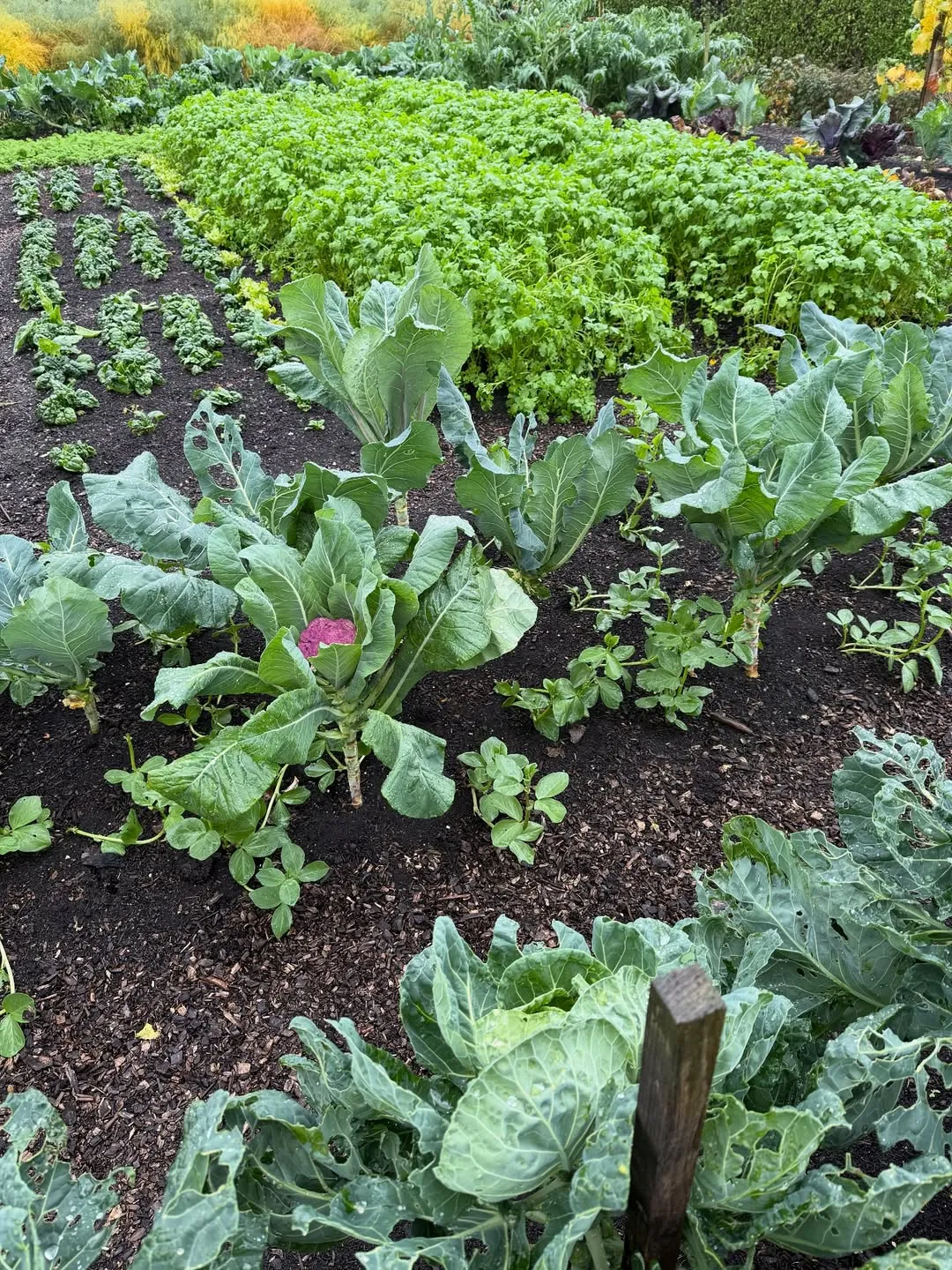
Brassicas include broccoli, cauliflower, kale, and many others. These plants are prone to pests that love munching on their leafy vegetables. Planting borage by their side, you can be stress-free. Borage attracts ladybugs and lacewings, which feed on cabbage worms and their larvae. Thus, helping lessen the pest population in your garden without using sprays and chemicals. Gardeners looking to expand their companion-planting strategy can also consider Black-Eyed companions when choosing plants that attract pollinators and beneficial insects.
Where is The Best Place to Plant Borage?
Borage usually reaches to the height of 60 cm (24’’), but it can also reach up to 1m (3’). Hence, it is considered best to plant them in the middle of the garden border. It gets pretty bushy, quickly, so ensure not to plant them near or close to other small plants to avoid overcrowding. Borage can overshadow them or overrun them. While planting, pick a sunny spot, as they thrive well in the sun.
Though most gardeners prefer growing them in the soil, they can also be grown in containers. This allows you to move the plant when required. To sow the plant in the container, fill it with an all-purpose compost and sow the seed directly.
Conclusion
Borage is a wonderful companion for many plants, but there are a few plants that should not be planted with it. The incompatible plant list above will help you avoid planting borage with these plants for a beautiful, thriving garden.