
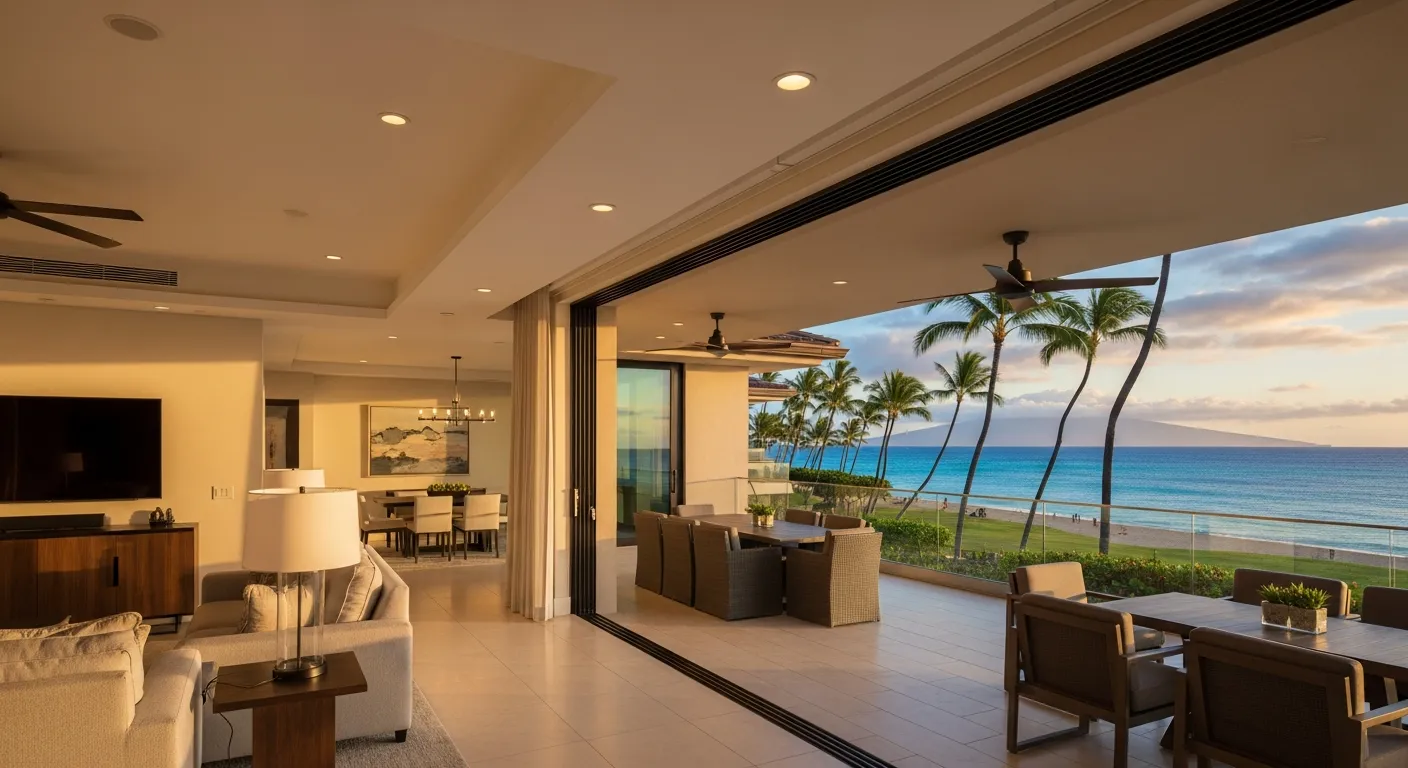
Wailea, Maui sits among the most sought-after real estate destinations in Hawaii. The ocean views are stunning, the resort lifestyle is unmatched, and the appeal of owning property there is easy to understand. But the purchase price is only part of the story. Many buyers discover, sometimes after closing, that a Wailea condo carries a long list of ongoing costs that go well beyond the mortgage. Understanding what those costs look like before signing on the dotted line can make the difference between a smart investment and a financial surprise.
HOA Fees, Special Assessments, and Resort Maintenance Costs
One of the first hidden costs that condo owners encounter in Wailea is the homeowners association fee. These monthly dues cover shared amenities, landscaping, exterior upkeep, and common area maintenance. In a standard mainland condo, HOA fees might run a few hundred dollars per month. In Wailea, but, the numbers are far higher. Many resort-style communities in this area charge HOA fees that range from $1,500 to over $4,000 per month, depending on the property. Those fees reflect the premium level of service and the sheer scale of resort amenities that come with the territory.
For buyers exploring elite condos for sale in Wailea, it is worth noting that higher HOA fees are not necessarily a red flag. They often cover services like 24-hour security, valet, concierge staff, resort pool maintenance, fitness facilities, and the meticulous upkeep that keeps these properties competitive in the luxury rental market. Nevertheless, buyers need to factor those fees into their total monthly cost calculation from day one.
Special Assessments: The Unexpected Bills
Beyond regular HOA dues, owners face the possibility of special assessments. These are one-time or periodic charges levied by the HOA to cover large, unplanned expenses such as roof replacement, plumbing upgrades, elevator repairs, or hurricane damage remediation. In older Wailea developments, special assessments have reached tens of thousands of dollars per unit. Even in newer buildings, Hawaii's coastal environment accelerates wear on structures, so large repair costs tend to surface more frequently than buyers expect.
Before purchase, buyers should request the HOA's financial reserve study. A well-funded reserve account reduces the likelihood of surprise assessments. A depleted reserve account is a warning sign that future costs may be passed directly to owners.
Resort and Community Management Fees
Some Wailea properties operate under resort management agreements, which introduce an additional layer of fees separate from HOA dues. These management fees cover services like front desk staffing, hotel-style cleaning, shuttle services, and the general operation of resort amenities. Properties that function as part of a hotel or branded residence program, such as those tied to a major hotel brand, typically charge management fees that range from 2% to 5% of the unit's gross rental income or as a flat monthly charge.
Owners who do not use their condo as a rental still bear some of these costs. Plus, some resort communities require owners to place their unit into a rental pool for a portion of the year, which means surrendering control of the property in exchange for income. Understanding the specific terms of any management agreement before closing is non-negotiable.
Property Taxes, Insurance, and Hawaii-Specific Ownership Expenses
Property taxes in Hawaii are often cited as among the lowest in the nation by rate, but that comparison can be misleading for Wailea condo buyers. The state does apply a relatively modest property tax rate, but Maui County uses different tax classifications that carry different rates. A condo used as a vacation rental is classified as a hotel and resort property, which carries one of the highest tax rates in the county. A unit classified as a long-term rental falls into a different category, and owner-occupied homes qualify for the lowest rate with a homeowner exemption.
The takeaway for buyers is that how they intend to use the property directly affects how much they pay in property taxes each year. A Wailea condo valued at $3 million used as a vacation rental could generate an annual property tax bill well above $30,000. Buyers should confirm the applicable tax classification for the specific unit and usage scenario before assuming any particular tax cost.
Homeowners Insurance in a Coastal Hawaii Market
Insurance costs in Wailea are higher than what most buyers expect, particularly those relocating from the mainland. Standard homeowners insurance is only one piece of the coverage picture. Hawaii properties in coastal locations require hurricane insurance, and many lenders require flood insurance as well, even for units on upper floors of high-rise buildings.
Hurricane insurance alone can add several thousand dollars per year to the cost of ownership. Also, the insurance market in Hawaii has tightened considerably in recent years, with some carriers pulling back from high-value coastal properties. As a result, buyers may find limited options, higher premiums, or both. Consulting with a Hawaii-licensed insurance broker before purchase provides a clearer picture of what full coverage will actually cost.
Additional Hawaii-Specific Costs That Add Up
Several other costs are specific to Hawaii ownership and can catch buyers off guard. The general excise tax, commonly referred to as GET, applies to rental income generated by the property. Owners who rent out their condo are responsible for collecting and remitting this tax, plus to the state's transient accommodations tax if the rental is short-term. Together, these taxes can claim a meaningful percentage of gross rental revenue.
Besides, shipping and supply chain factors make maintenance and renovation costs in Maui substantially higher than on the mainland. Labor is expensive, materials must be shipped across the Pacific, and contractor availability is limited. A bathroom renovation that might cost $15,000 on the mainland could easily run $30,000 or more in Wailea. Owners should budget accordingly, especially for older units that may need updates to stay competitive in the rental market.
Conclusion
Owning a condo in Wailea, Maui offers a genuinely extraordinary lifestyle, but the true cost of ownership extends far beyond the listing price. HOA fees, special assessments, resort management charges, property taxes, insurance, and Hawaii-specific expenses all contribute to a total cost that can surprise unprepared buyers. A thorough review of these factors before purchase protects the investment and sets realistic expectations. Buyers who go in informed are far better positioned to enjoy everything that Wailea has to offer.