
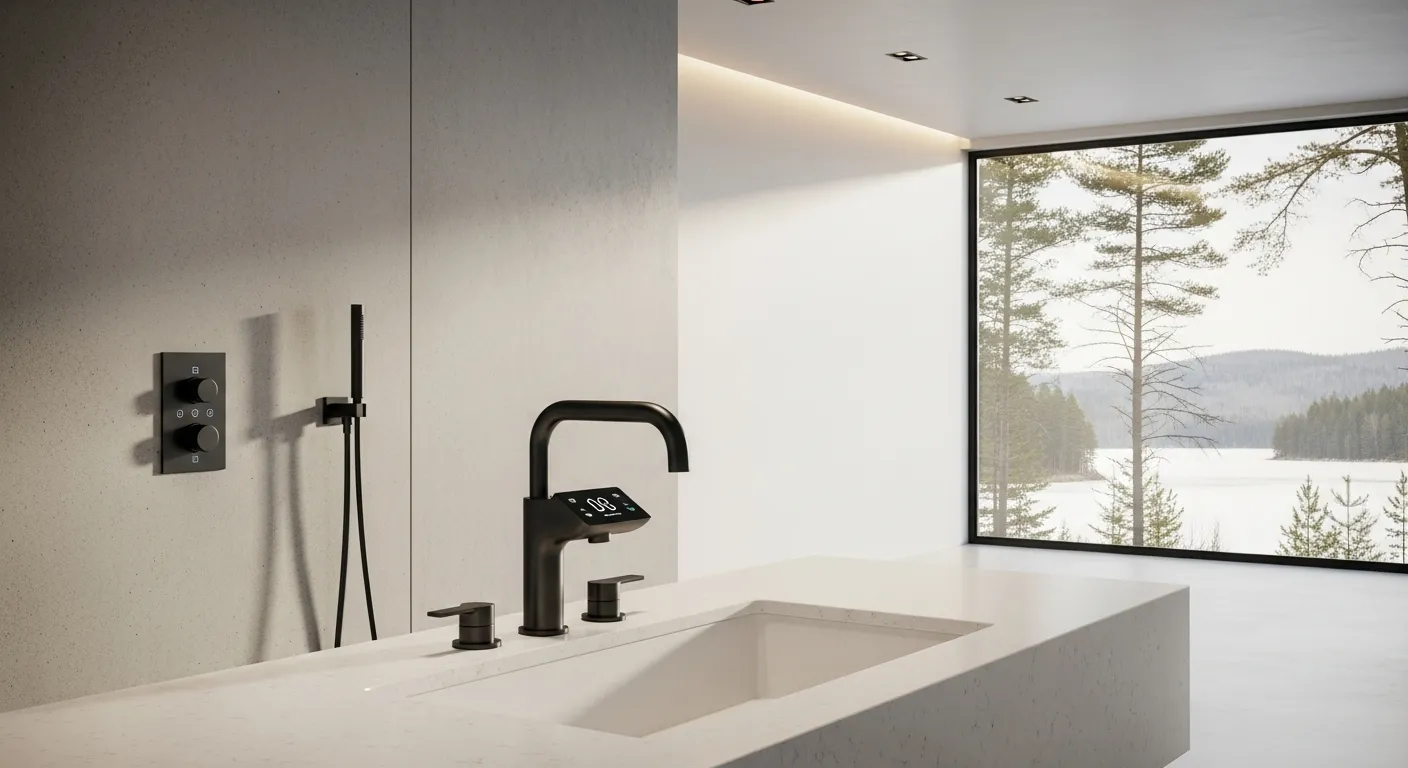
Modern home design in Canada continues to evolve with a strong emphasis on functionality, sustainability, and seamless integration of technology. As homeowners seek contemporary spaces that are both beautiful and highly practical, plumbing systems have become a critical element in the overall design process. Far from being purely functional, thoughtful plumbing planning now plays a significant role in creating efficient, comfortable, and future ready homes.
From luxury urban condominiums in Toronto to spacious family homes in suburban communities, designers and homeowners are paying closer attention to how plumbing infrastructure supports daily living while enhancing the aesthetic appeal of a space. In 2026, smart plumbing solutions are no longer considered optional extras but essential components of high end contemporary Canadian homes.
Many homeowners working with experienced professionals, such as Preferred Plumbing in Richmond Hill, discover that early collaboration between designers and plumbing experts leads to more innovative and practical outcomes.
The Evolution of Plumbing in Contemporary Home Design
Plumbing has come a long way from being hidden behind walls and floors. In modern Canadian homes, plumbing systems are increasingly viewed as integral design elements that contribute to both performance and visual harmony. Designers now consider water flow, fixture placement, and pipe routing as opportunities to enhance the overall user experience.
Canadian homes built in the last decade show a clear trend toward open concept layouts, spa like bathrooms, and gourmet kitchens. These design choices require careful plumbing planning to ensure adequate water pressure, efficient drainage, and flexible fixture placement. Poor planning at this stage can lead to costly renovations later or compromised functionality that affects daily comfort.
The shift toward sustainable living has also influenced plumbing design. Homeowners are increasingly interested in water conservation features, greywater recycling systems, and energy efficient hot water solutions. These considerations are particularly relevant in regions with cold winters and high energy costs, where efficient plumbing systems can deliver meaningful long term savings.
Smart Plumbing Technologies Transforming Canadian Homes
Smart plumbing systems are rapidly gaining popularity across Canada. These technologies offer homeowners greater control, improved efficiency, and enhanced convenience. Leak detection sensors, smart water heaters, touchless faucets, and app controlled shower systems are becoming standard features in contemporary new builds and major renovations.
In cities like Toronto, Richmond Hill, and Markham, homeowners are particularly interested in systems that help reduce water consumption and lower utility bills. Canadian data indicates that households with smart water management systems can reduce consumption by up to 20 percent compared to traditional setups. This efficiency not only benefits the environment but also provides noticeable savings over time.
Advanced leak detection technology can identify problems before they cause significant damage. Smart shut off valves can automatically stop water flow when leaks are detected, protecting homes from costly water damage. These systems are especially valuable in Canadian homes where frozen pipes and seasonal temperature fluctuations can create additional risks.
Designing Bathrooms as Wellness Spaces
Bathrooms in modern Canadian homes have evolved from purely functional spaces into personal wellness retreats. Designers are incorporating features such as rainfall showers, freestanding tubs, heated floors, steam systems, and chromotherapy lighting to create spa like experiences at home.
Plumbing design plays a crucial role in making these visions reality. Proper planning ensures adequate hot water supply, appropriate drainage for large format tiles, and strategic placement of fixtures to maximize both comfort and aesthetic appeal. Many designers now work closely with plumbing professionals from the earliest stages of a project to avoid common pitfalls and achieve seamless integration.
In colder Canadian climates, features like heated flooring and instant hot water systems are particularly appreciated. These elements contribute to comfort during long winters while adding a luxury feel that enhances the overall value of the home.
Kitchen Plumbing Trends in Contemporary Homes
Kitchens remain the heart of the home, and plumbing design has a major impact on both functionality and style. Popular trends include island sinks, multiple preparation stations, integrated dishwashers, and advanced filtration systems. These features require thoughtful pipe routing and sufficient water pressure throughout the space.
In Canadian homes, where families often gather for meals and entertaining, efficient kitchen plumbing contributes significantly to daily convenience. Designers are also paying attention to sustainable options such as low flow faucets and greywater recycling systems that align with growing environmental consciousness among homeowners.
The rise of home cooking and gourmet kitchens has led to increased demand for commercial grade plumbing features in residential settings. Pot fillers, multiple sinks, and advanced garbage disposal systems are becoming more common as homeowners invest in creating functional and beautiful cooking spaces.
Sustainability and Water Conservation in Home Design
Sustainability has become a key consideration in Canadian residential design. Homeowners and designers are increasingly focused on reducing water consumption without sacrificing comfort or performance. Low flow fixtures, dual flush toilets, and smart irrigation systems for landscaping are now common features in new construction and renovation projects.
Canadian building codes and incentive programs continue to encourage water efficient designs. Many municipalities offer rebates for homeowners who install qualifying water saving technologies. These initiatives reflect a broader national commitment to environmental responsibility and resource conservation.
Greywater recycling systems are gaining traction in progressive Canadian communities. These systems collect water from showers and sinks for reuse in landscaping or toilet flushing, significantly reducing overall water consumption. While initial installation costs are higher, the long term savings and environmental benefits make them an attractive option for many homeowners.
The Importance of Collaboration Between Designers and Plumbing Experts
One of the most important lessons in contemporary home design is the value of early collaboration between interior designers, architects, and experienced plumbing professionals. When these experts work together from the conceptual stage, they can create solutions that are both beautiful and highly functional.
This collaborative approach helps avoid costly changes during construction and ensures that plumbing systems support rather than compromise the overall design vision. Many successful projects in the Greater Toronto Area demonstrate how early integration of plumbing expertise leads to superior final results.
Common Challenges and Solutions in Modern Plumbing Design
Modern plumbing design comes with its own set of challenges. High rise condominiums require careful pressure management and noise reduction strategies. Older homes undergoing renovation often need creative solutions to integrate new plumbing systems with existing infrastructure. Energy efficiency requirements add another layer of complexity to system design.
Experienced professionals help navigate these challenges by recommending appropriate materials, technologies, and installation methods. They also ensure compliance with current building codes and best practices for safety and performance.
Future Trends in Canadian Home Plumbing Design
Looking ahead, several trends are expected to shape plumbing design in Canadian homes. Increased adoption of smart home integration, greater emphasis on water conservation, and continued focus on wellness features in bathrooms and kitchens are likely to drive innovation in the sector.
Designers and homeowners who stay informed about emerging technologies and best practices will be better positioned to create homes that are not only beautiful but also highly functional and sustainable for years to come.