

Metal Shed: Design Principles, Applications, and Safe Integration in Residential Projects
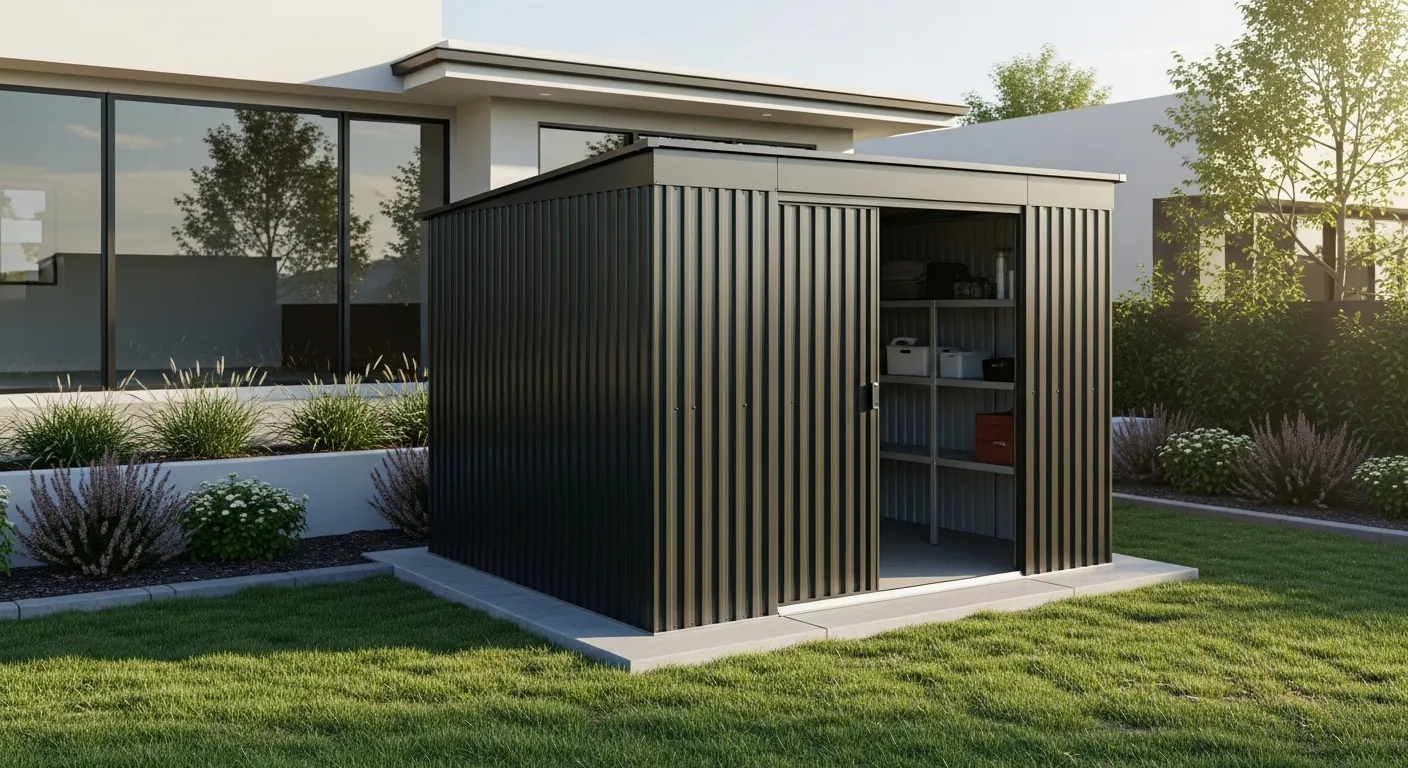
In the United States, residential construction and home improvement projects increasingly focus on durability, space efficiency, and long term maintenance reduction. Outdoor storage solutions play an important role in supporting these goals. The wood-grain galvanized apex roof metal shed has emerged as a practical structure that combines the appearance of wood with the structural reliability of metal. It is widely used in backyard design, tool storage, and auxiliary building planning.
Overview of Design and Applications Structural Concept
This type of metal shed uses galvanized steel panels with a wood-grain finish. The apex roof design includes two sloping sides that meet at a central ridge, allowing effective water runoff and structural balance. The galvanized coating protects against corrosion, while the surface finish provides visual compatibility with residential environments.
Common Use Cases
- Storage for gardening tools and equipment
- Outdoor workspace for small scale projects
- Supplemental storage for seasonal items
- Backyard organization in residential developments
These sheds are often integrated into landscape design plans to improve both function and visual consistency.
Efficiency, Safety, and Productivity
Efficient storage solutions contribute to organized workspaces and reduced time spent locating tools and materials. In home construction and renovation projects, having a dedicated storage structure improves workflow and reduces clutter in primary living areas.
- Centralized storage for tools and materials
- Reduced risk of damage to equipment
- Improved site organization during construction
- Enhanced safety by limiting trip hazards
Properly installed sheds also provide protection against weather exposure, which extends the lifespan of stored items.
Technical Foundations and Capability Considerations Material Properties
Galvanized steel is coated with zinc to resist corrosion. This makes it suitable for outdoor environments with varying weather conditions. The wood-grain finish is applied as a surface treatment, providing aesthetic value without affecting structural performance.
Structural Design Elements
- Apex roof for water drainage and snow load distribution
- Ventilation openings to control moisture buildup
- Reinforced framing for stability
- Anchoring systems for wind resistance
These features support long term structural integrity when installed correctly.
Factors Affecting Performance and Longevity
- Foundation quality and level surface preparation
- Climate conditions such as humidity and snow load
- Installation accuracy and alignment
- Ventilation effectiveness
- Regular inspection and maintenance
Improper installation or lack of maintenance may reduce structural lifespan and compromise safety.
Safety Considerations and Best Practices
Safety during installation and use is essential. Metal panels and structural components require careful handling.
- Use protective gloves during assembly
- Ensure stable and level foundation
- Secure the structure with proper anchoring
- Maintain clear access pathways around the shed
- Inspect for sharp edges or loose components
Proper planning and adherence to installation guidelines reduce risks during both construction and long term use.
Equipment, Tools, and Accessories
- Basic hand tools for assembly
- Power drills and fasteners
- Concrete or wooden base materials
- Sealants for weather protection
- Shelving and storage systems for interior organization
Selecting appropriate accessories improves functionality and usability.
Advantages and Limitations Advantages
- Corrosion resistance and durability
- Low maintenance compared to wood structures
- Efficient use of outdoor space
- Visual compatibility with residential design
Limitations
- Requires proper foundation preparation
- Limited insulation compared to enclosed buildings
- Potential condensation without ventilation
- Assembly may require multiple steps
Real World Application Example
In residential renovation projects, contractors often install metal sheds to store tools and materials during construction. This reduces clutter inside the home and improves site safety. After project completion, the structure remains as a permanent storage solution for homeowners.
Landscape designers also use these sheds to complement backyard layouts. The wood-grain appearance integrates with natural surroundings while providing practical storage space.
Conclusion and Future Industry Trends
The wood-grain galvanized apex roof metal shed represents a balanced approach to outdoor storage in residential environments. It combines structural reliability with visual design considerations, supporting both functionality and safety.
Future trends in this segment may include:
- Improved coating technologies for extended durability
- Modular designs for flexible installation
- Enhanced ventilation and moisture control systems
- Integration with smart home storage solutions
As residential construction continues to prioritize efficiency and durability, metal storage structures will remain an important component in home design and project planning. Access to reliable equipment information sources supports informed decision making in a neutral and practical manner.

