
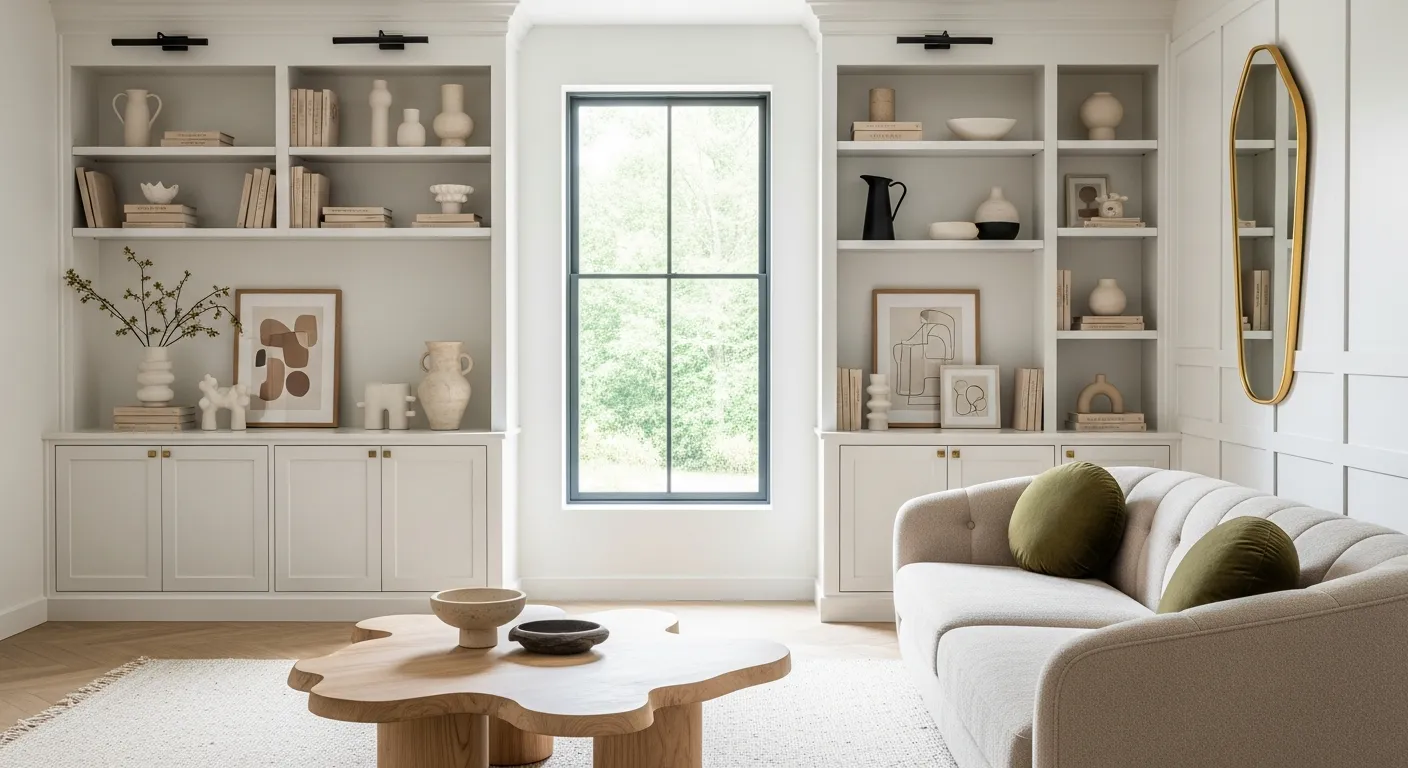
Most people think bookshelves are the most daunting thing to style. This is partially true, as styling a bookshelf requires intention, layering, and a little knowledge and inspiration to visually narrate its story. The items you choose to style the bookshelf should reflect your personality, not just add to the clutter.
This may seem challenging, but it is not. There are several ways you can make the bookshelf look curated, put together, and styled. Whether you have a custom-built-in shelf, a freestanding one, or a readymade bookcase, this blog will help you find the best inspiration. If you're looking for more bookshelf decor ideas, combining practical styling techniques with personal decorative elements can help you create shelves that feel both functional and visually appealing.
What Are the Three Basic Principles of Bookshelf Styling?
Here are some basic principles you must know about styling a bookshelf -
- Group things instead of just lining them up. Most standard-length shelves have two groups of accessories. For example, you can keep the books and something decorative on the lower shelf, while incorporating a frame, plant, or other elements on the upper shelf.
- Next, stagger the heights of the items in each section.
- Lastly, play around with the color, finishes, and textures. This keeps things interesting and makes the space look amazing.
How Styling a Shelf Enhances the Look of the Home?
Whether it is a built-in shelf or one from a furniture store, these pieces are considered an extension of the home’s architecture. Also, they are often a focal point in some homes, a way to infuse your space with personality, story, and texture.
However, decorating or styling a bookshelf doesn’t mean you have to overwhelm the space with trinkets. All you need to do is add balance, contrast, and uniformity. To style on a budget, rearrange what you already have, or consider visiting flea markets or making DIY art to adorn your bookshelf. If you're furnishing a new reading corner, choosing non-toxic furniture can improve indoor air quality while creating a healthier and more sustainable living space.
10 Practical Bookshelf Styling Tips
Styling the bookshelf does not have to be time-consuming or challenging. Use these tips below to make your bookshelf look stylish, put together, and appealing to the eyes -
Horizontally Stacked Books With Decorative Object
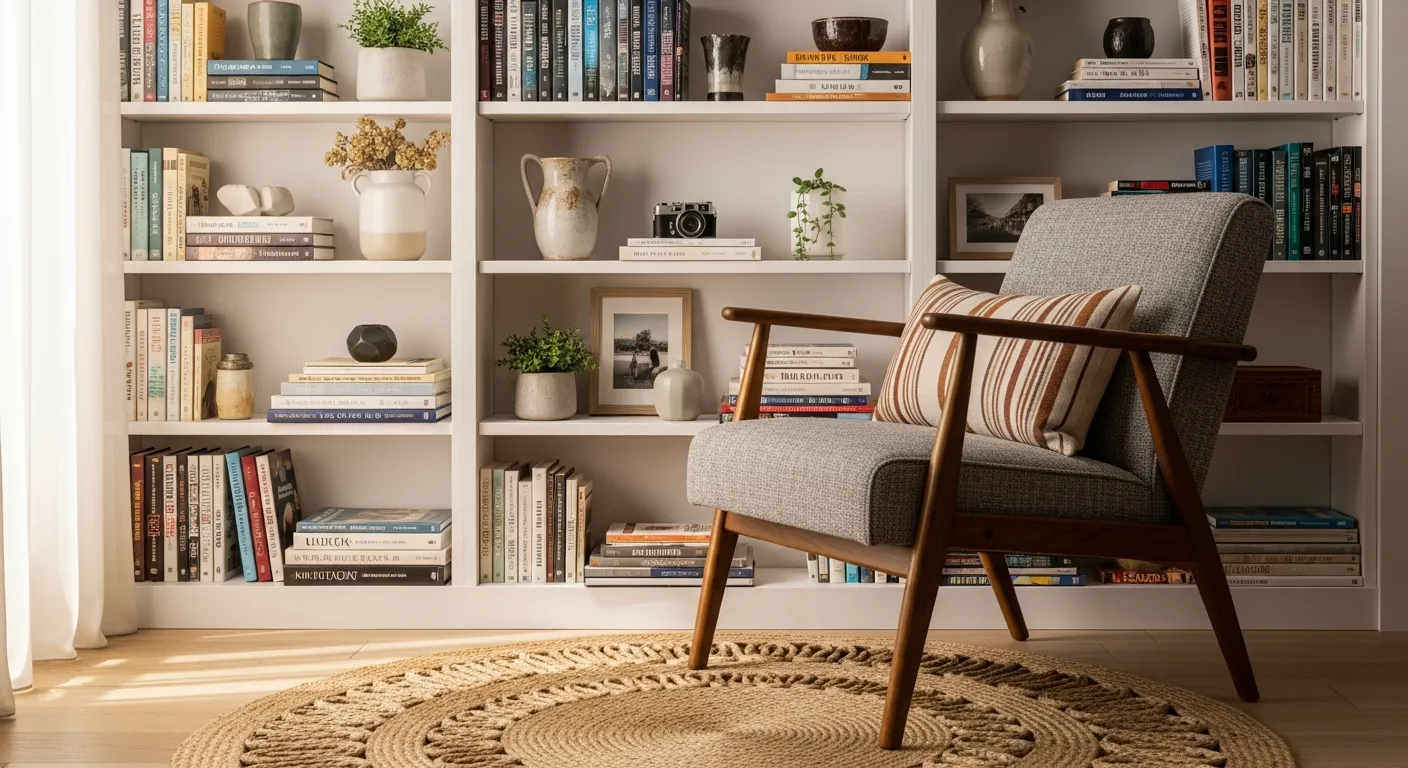
Stacking books horizontally adds visual interest and helps you better utilize space for other elements. Horizontally arranged books leave space above to add decorative objects, such as a precious family heirloom, a lidded bowl, a vintage vessel, or anything you love.
Stack three books in ascending order, and incorporate a vintage sculpture to add character and movement to the space. You can keep everything in the same color family, with a variety of textures, so the book placement doesn’t look monotonous.
Layering Multi-Sized Objects and Art
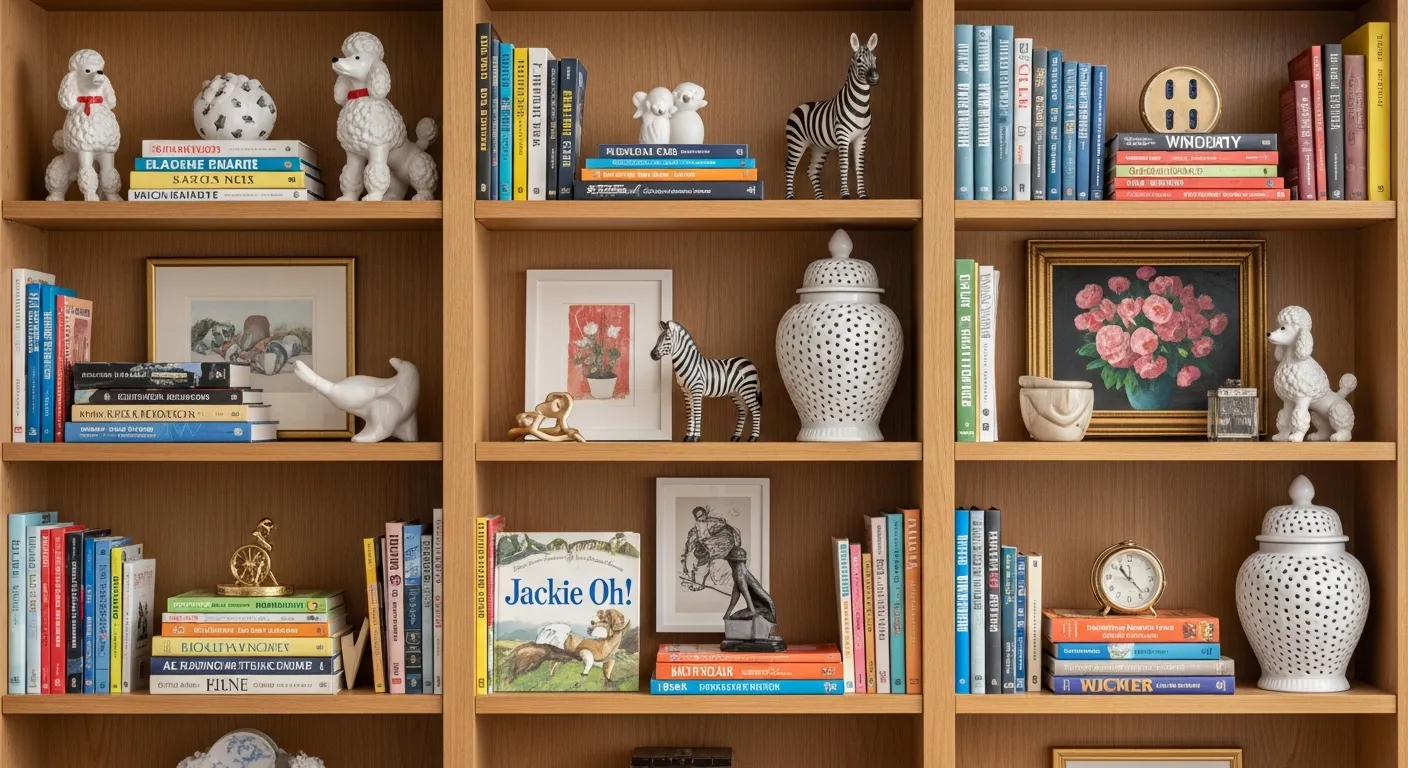
Art is one of the best ways to amp up the space, as it adds color, shape, height, and character. You can opt for leaning art that draws attention to the back of the shelf. Thus, making the shelf look deeper and more open. Depending on the size of the art, add some layering pieces to make the space look collected. However, you must ensure that the objects vary in height, color, shape, and size. This way, everything will look put together and will go easy on the eyes.
If you have several art pieces that you want to showcase, opt for the method of “art in front of art.” For this method, place one smaller-sized art in the front and the larger one in the back. Then, add some decorative items above and below the shelf to break the monotony, if any.
Leave Some Space
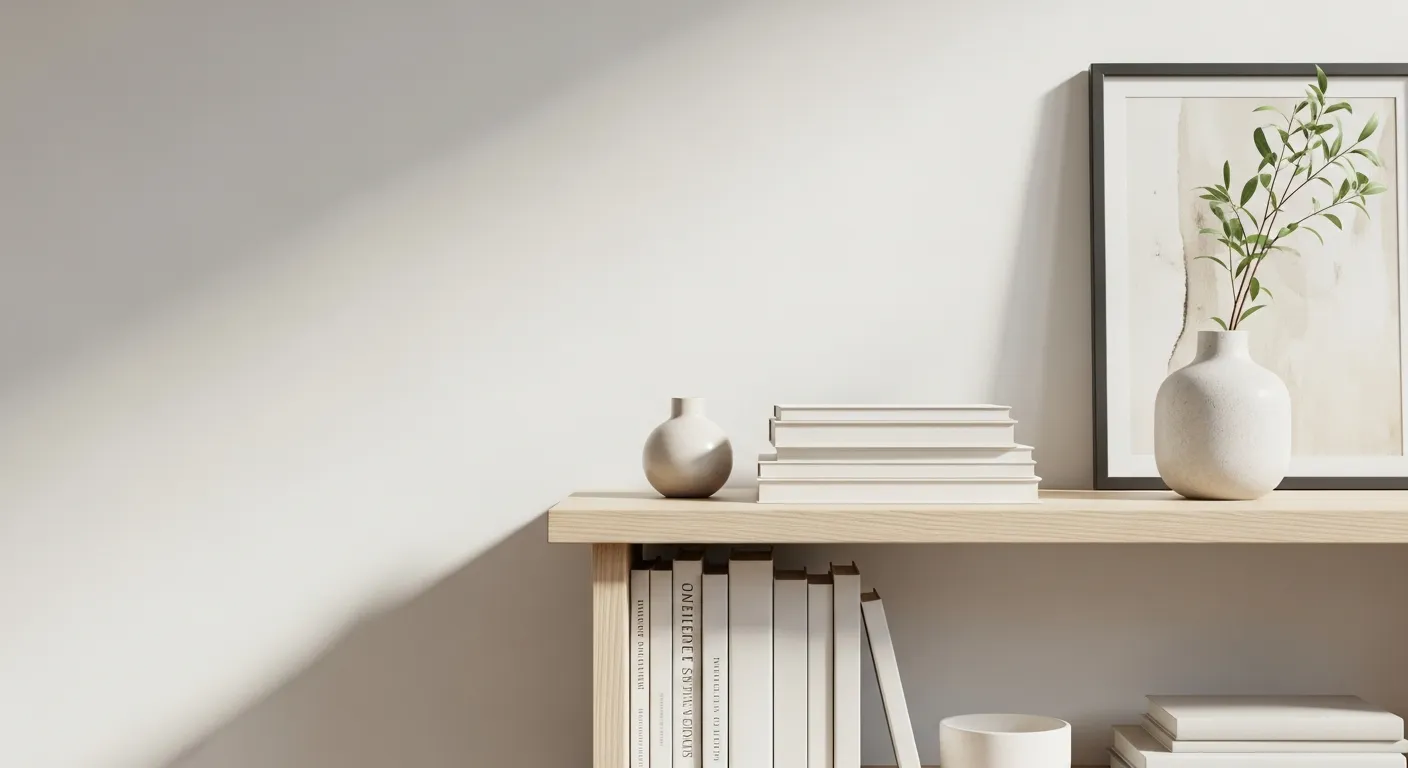
It is important to leave some breathing room, which is also called negative space. You don’t have to pack the shelf with items and books. Creating negative space keeps everything easy on the eyes, and the styling becomes more polished, calm, and collected, rather than chaotic and noisy.
Pair Symmetry With Asymmetry
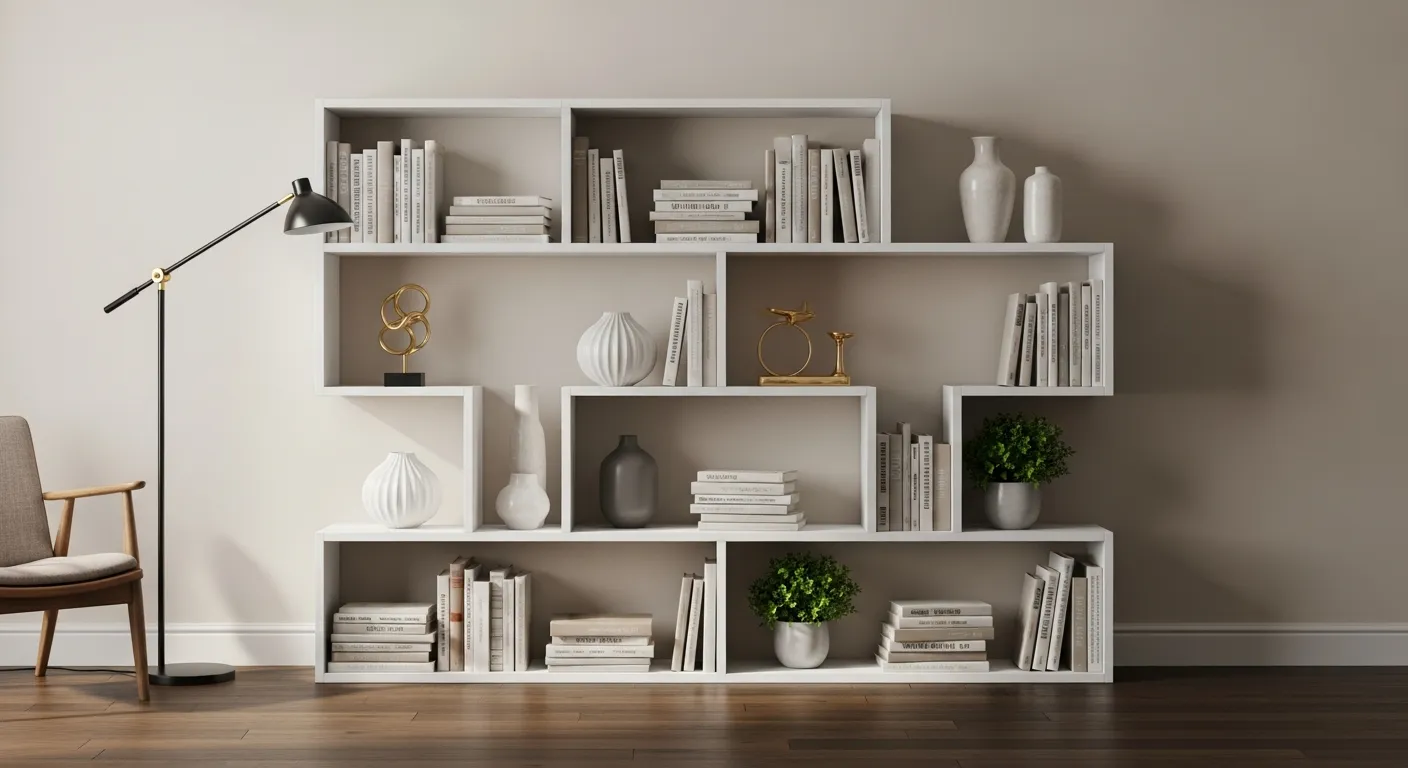
Some people may want to keep all the shelves looking similar. But it is advised to mix symmetry with asymmetry for a natural look. It is important to distribute the visual weight evenly across the entire unit. This eases the visual heaviness and helps the arrangement feel more balanced. Make the edits properly so that it does not look or feel cookie-cutter.
Incorporate Tall Plants With Framed Print and Short Item
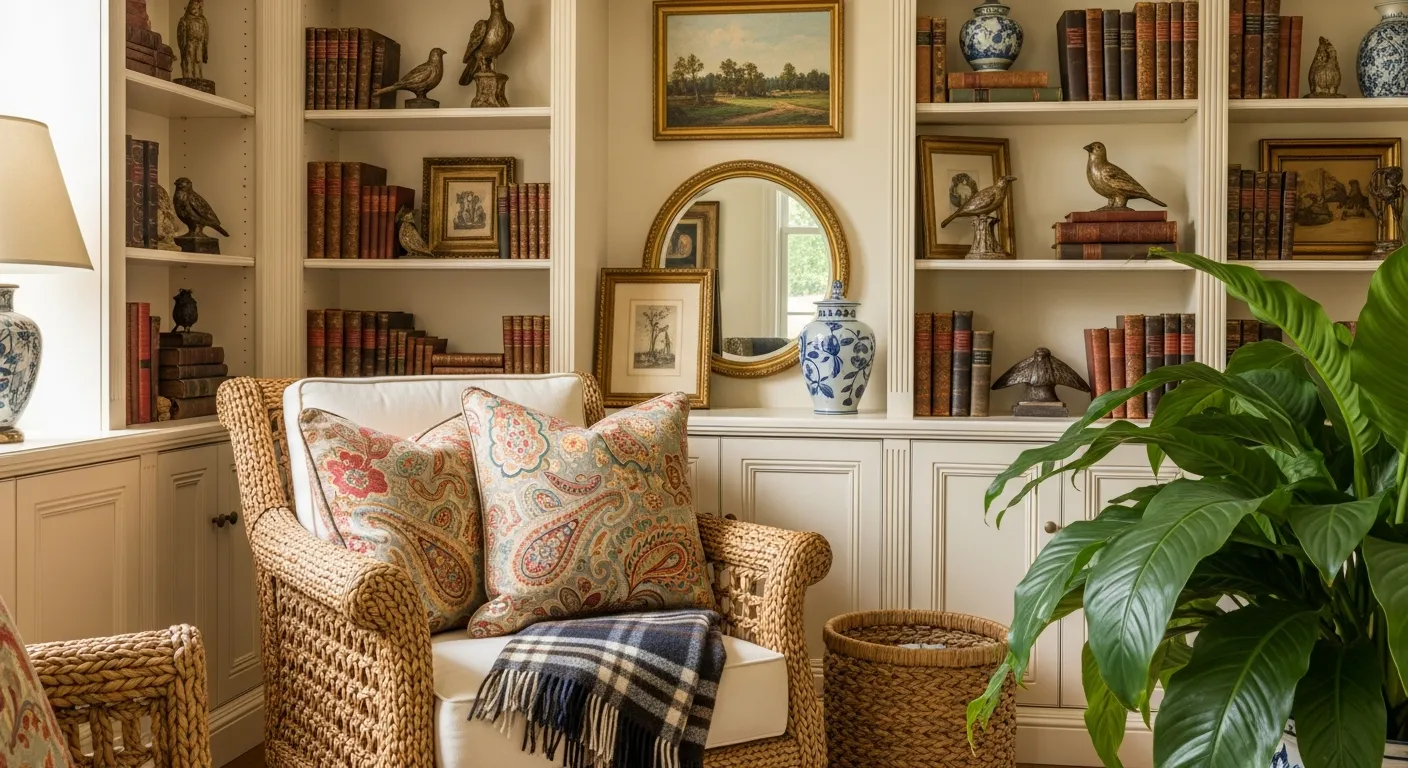
Group three objects of varying heights, which include a tall plant, a framed print or photo, and a shorter accessory. You can use either a vertical or a horizontal frame, in addition to square frames. Make sure that the items have varied heights. A rattan basket, planter, or decorative accent also adds warmth and texture to bookshelf styling. Learning how to clean rattan furniture helps preserve its natural beauty for years.
Horizontally and Vertically Stacked Books With a Topper
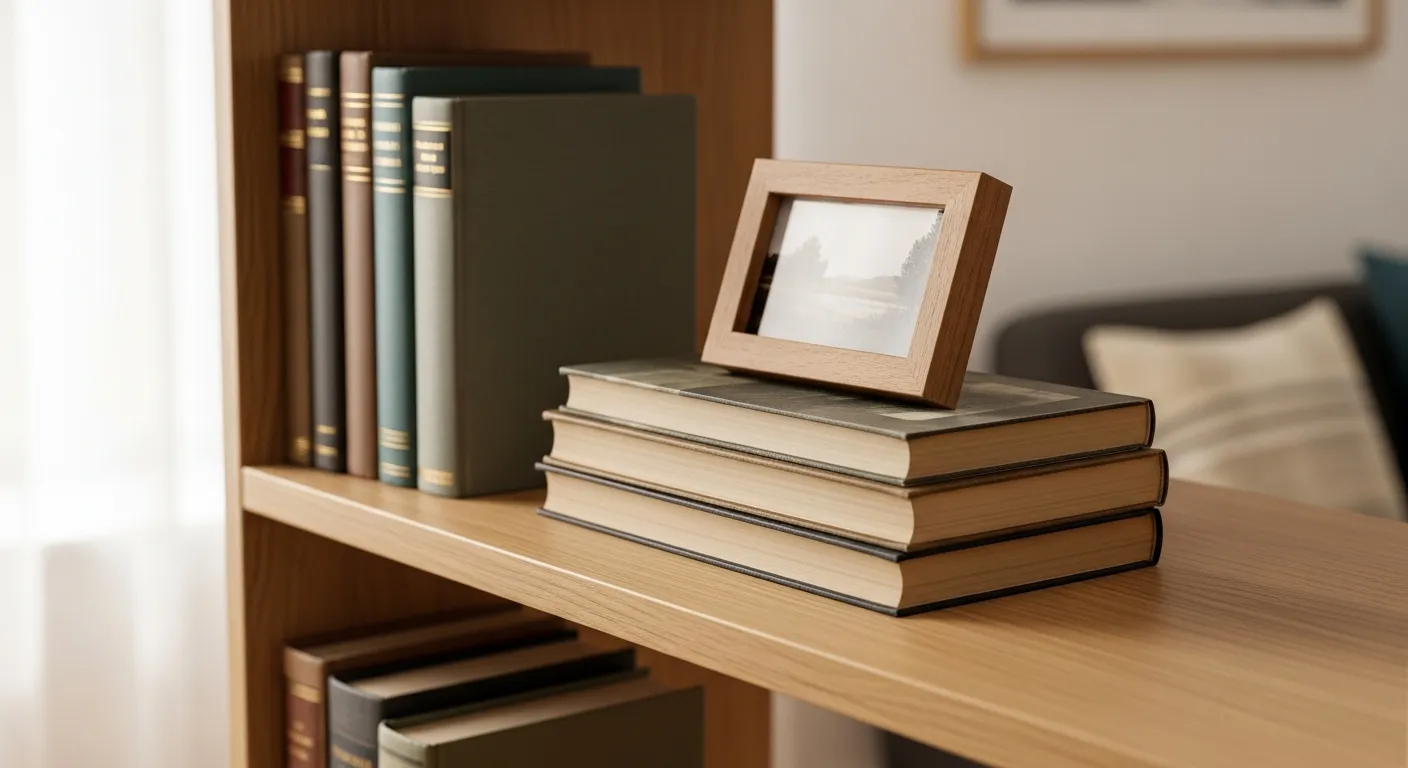
This is one of the simplest formulas to style a bookshelf. You can keep a few books upright and lay down 2-3 beside them. Once done, add a topper to the lying books. The topper can be any object, such as a framed photo, children’s art, a small decorative bowl, or clay art. Make sure it is smaller than the books to avoid monotony.
Incorporate Objects That Actually Mean Something
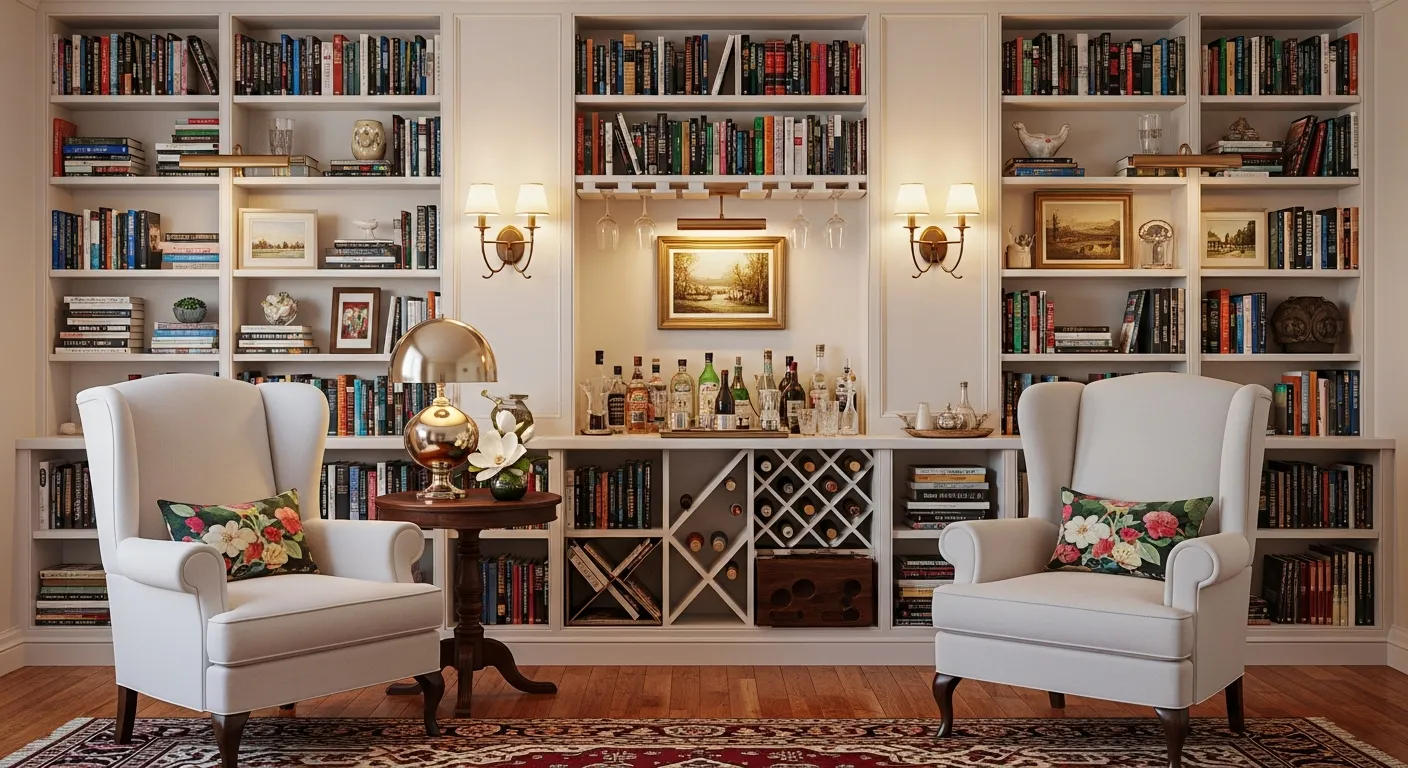
No matter how good an object looks, you must not put it up on the shelf if it does not have a personal meaning. This is one of the places where you can showcase your artifacts. Display the items you collected on your vacation, such as pottery, artwork, figurines, etc. Make it a thoughtful mix of everything beautiful you’ve ever collected, creating a space where you can revisit your memories. The pieces should not just sit there, occupying space. Instead, each piece on the shelf should tell a story and reflect your experience.
Keep Interesting Pieces on the Top
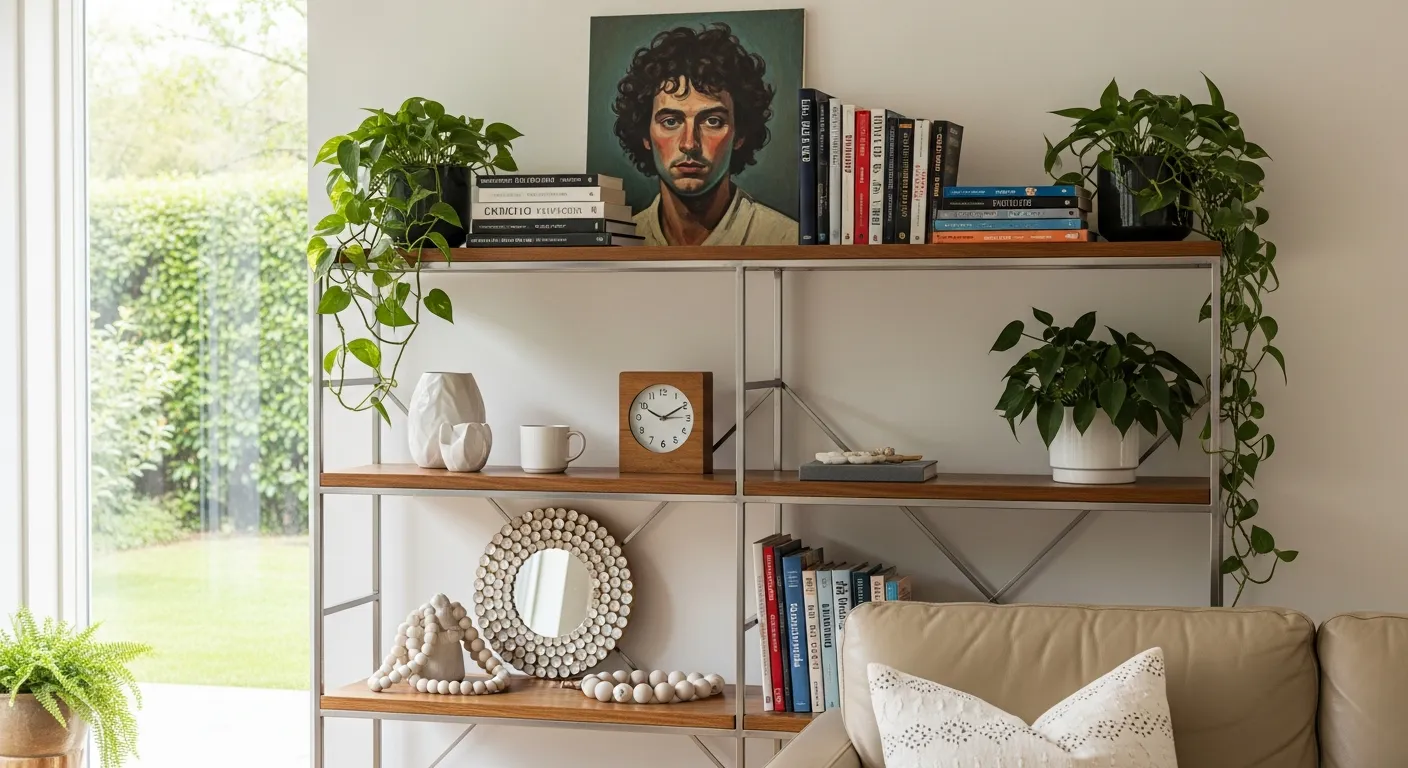
You can use picture hangers to mount 1-2 pieces of art on the front of the bookshelves. Hanging art frames or artwork on the edges of the bookshelf gives it the look of something spilling out. It is not necessary to incorporate only framed art. Instead, you can use pieces like ceramic beads or a mirror with a shell finish. Make sure to pair elements so the setup doesn’t look chaotic.
Add a Splash of Color to the Back of the Shelf
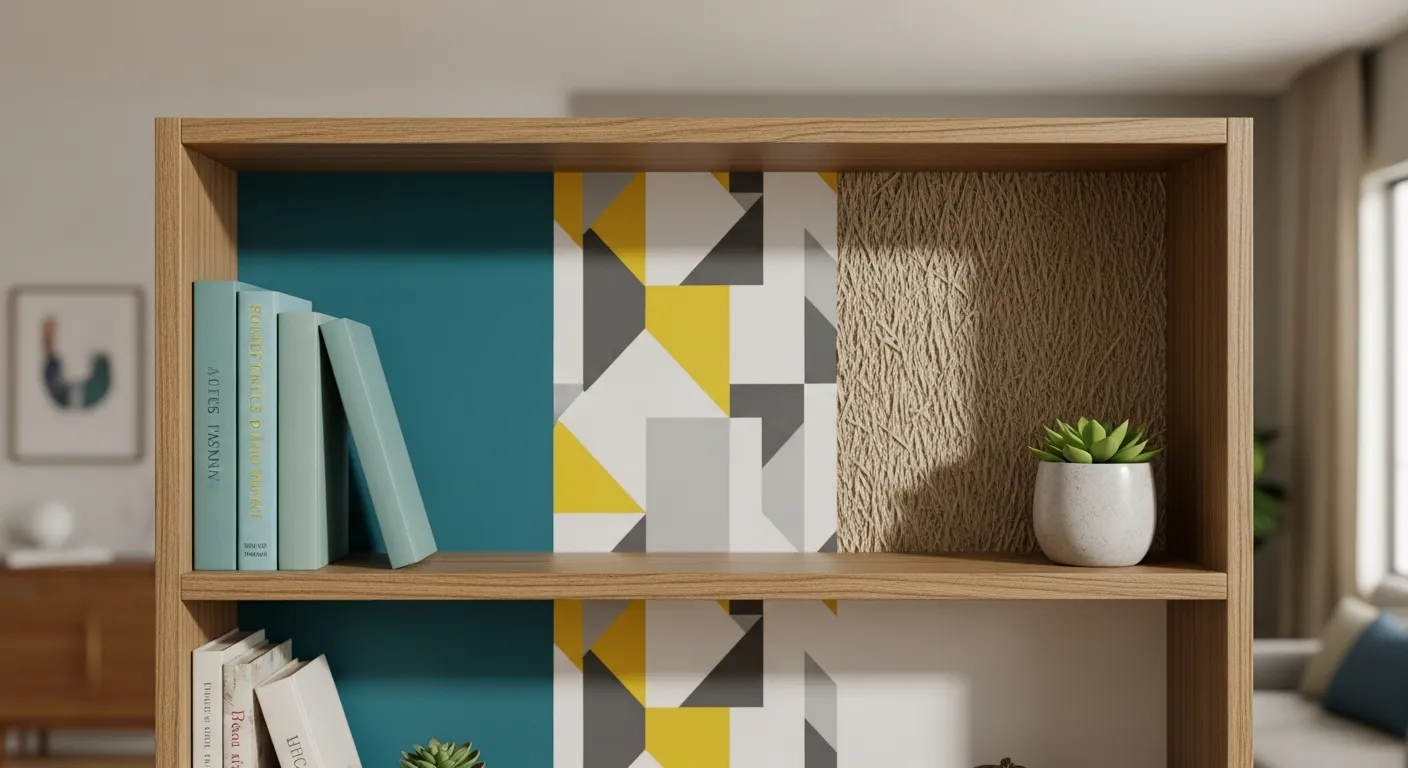
Painting is one of the best ways to make your bookshelf look put together. It is advised to add color to the back of the shelf. You don’t have to exactly paint the wall if you don’t want to. Rather, you can install wallpaper made from contact paper.
However, if you are considering paint, use latex wall paint. To make the space look more adventurous and playful, consider adding textures like grasscloth, which is easy to apply using a double-stick tape. Also, you can use patterns to make the space pop.
Arrange Books by Size
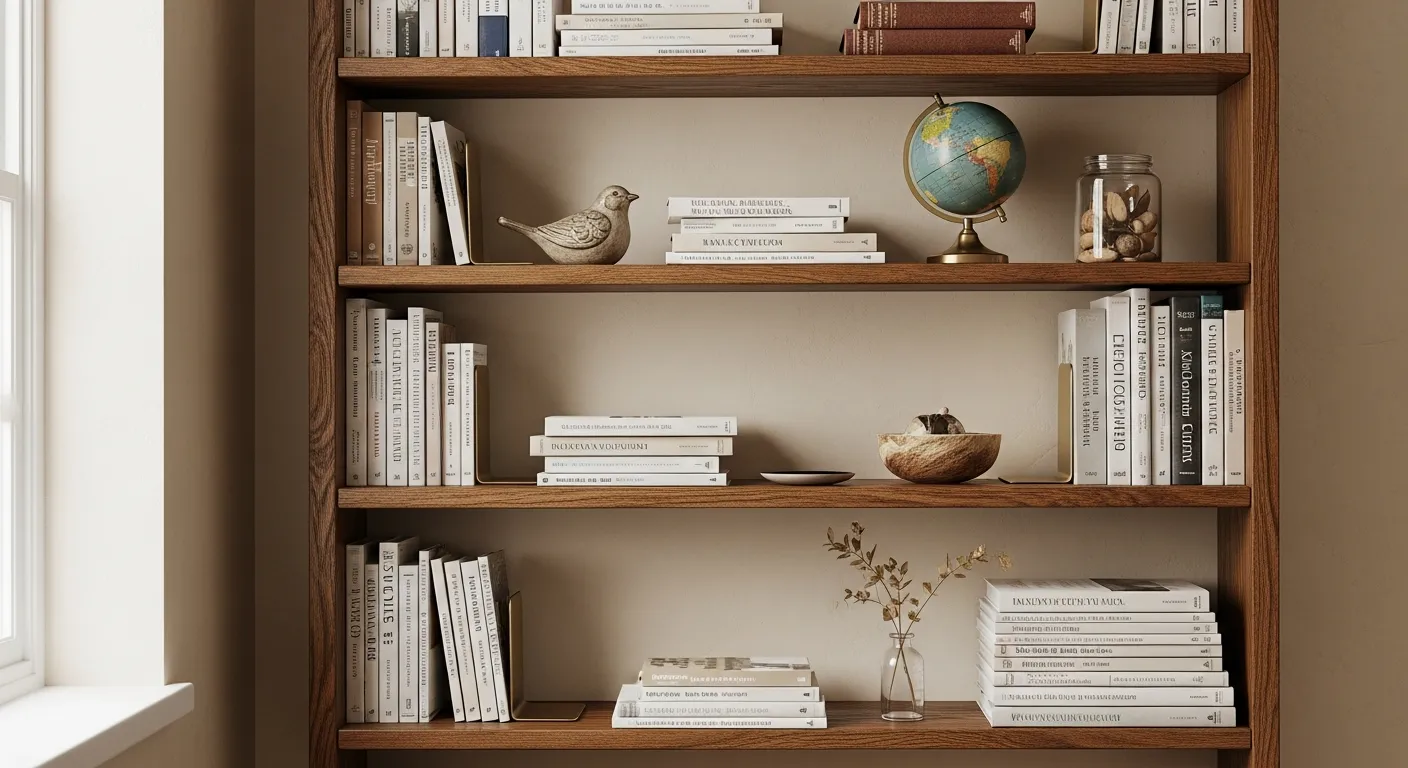
If you have an adjustable bookshelf, it is advised to keep the top shelves smaller than the rest. You can use these sections to store your paperbacks, which provides above-eye-level placement and uniformity.
If you want to maximize the shelf's width, add bookends; this is an amazing way to make the space look more intentional. Also, you can play around with the height of the books. For example, you can stack books of varying heights for a fun setting and add some quirky items to showcase a great taste in literature. If you're redesigning an entire room instead of just updating a bookshelf, understanding bedroom furniture costs can help you budget for larger furniture purchases while maintaining a cohesive interior design.
| Pro Tips | Consider stacking and layering from back to front, and incorporate artwork if available. |
Common Mistakes to Avoid When Styling a Bookshelf
Here are four major and most common mistakes homeowners make when they style their bookshelf -
- Too Many Items: Including too many small items can make the space feel and look busy. Instead, group them or corral them in a bowl or a tray for an elegant look.
- Not Considering Scale: If you place everything that is similar in size, it might look too boring and plain, and it does not work. Consider mixing tall, short, medium, wide, and narrow pieces to make the space look curated.
- Disconnected Look: Avoid too many color variations. Stick to one color palette, such as neutral bases, and add some pop of accent colors. This adds texture and looks best while keeping the space cohesive.
- Chaotic Arrangement of Books: Not incorporating enough books can also make the shelves look sparse and visually unbalanced. Even if you are a minimalist, consider adding enough books to make the space feel complete. However, if you love a maximalist look, add books of varying textures, colors, and interests.
Conclusion
A thoughtful arrangement of books, decor items, and personal artifacts makes the bookshelf visually appealing. In some homes, a bookshelf is not merely a storage option but also a focal point. They can express your personality when styled with intention. Focus on variation, layering, adding textures, and intentionally placing items so the space looks put together rather than cluttered.