Bringing a new baby home is one of life’s most exciting times, and getting their nursery ready is a big part of that joy. As you plan this special space for your little one, you can choose things that are not only lovely but also good for their health and the planet. Making a nursery sustainable means carefully picking out materials, furniture, and decor that support your baby’s well-being and lower your family's environmental impact.
This isn't about being perfect; it’s about making small, thoughtful choices that really add up. From the paint on the walls to the crib your baby sleeps in, every detail can help create a safe, calm, and eco-friendly haven where your child can grow and thrive.
Why Sustainable Choices Matter
Choosing sustainable items for your nursery offers benefits that go way beyond just being "green." It’s really about making the healthiest environment possible for your baby. Newborns are especially sensitive to what’s around them, so their rooms should be a safe place, free from harmful chemicals. Many regular nursery products, like furniture, bedding, and toys, can release volatile organic compounds (VOCs) and other toxins into the air. These can make the indoor air quality poor and potentially cause health problems.
Beyond health, a sustainable nursery is about being smart with what you buy. The baby industry often pushes people to get tons of stuff, much of which is only used for a few months. This creates a lot of waste. By picking durable, multi-purpose products and natural materials, you’re investing in things that last longer and have less impact on the environment. Embracing an eco-friendly nursery is a practical way to match your parenting values with your daily life, creating a space that cares for both your child and the planet.
Choosing Non-Toxic Materials
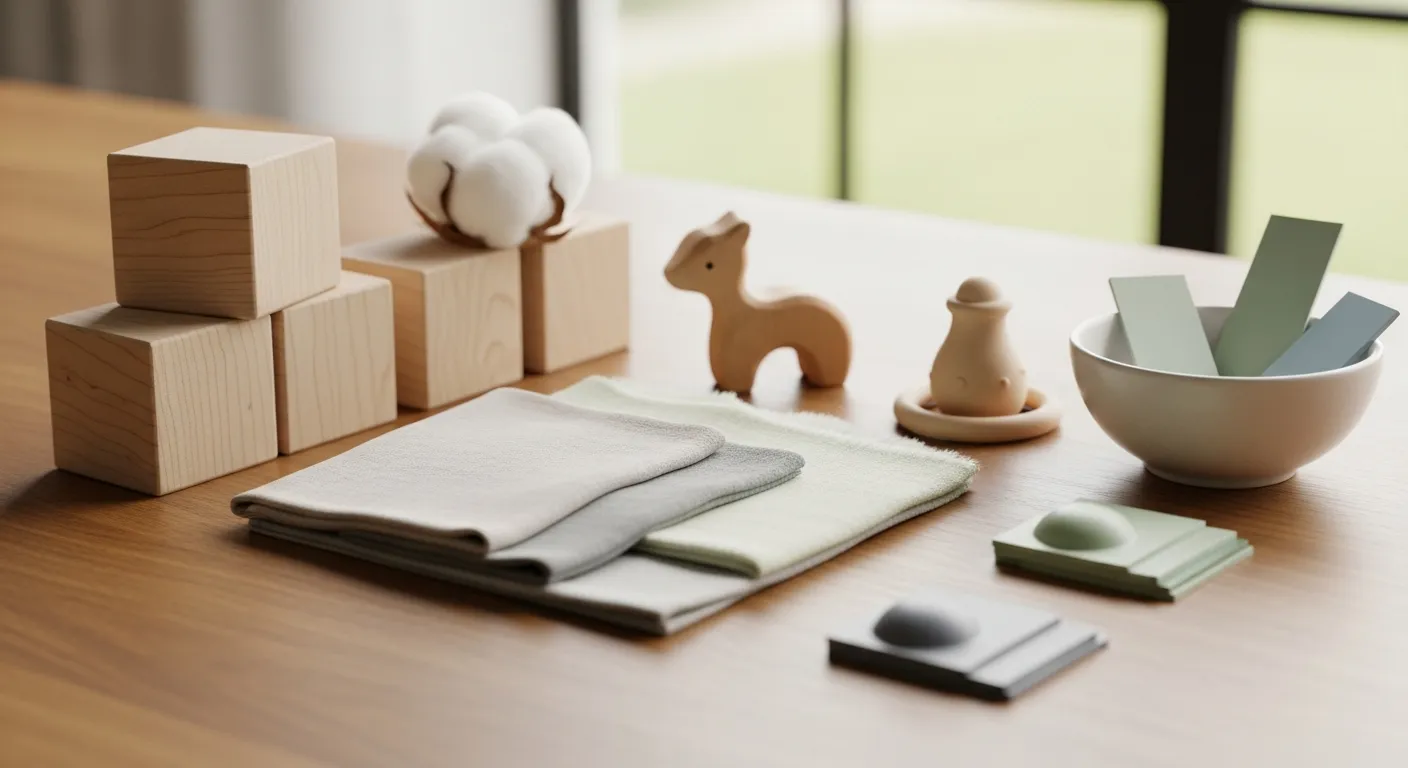
Making a healthy nursery starts with the very materials your baby will be around. Many common household items can release chemicals, so paying close attention to what you bring into the room is key for a truly non-toxic nursery haven. Start with the walls. A fresh coat of paint is a popular way to personalize a nursery, but regular paints can release VOCs for weeks after you apply them. Instead, look for paints labeled "zero-VOC" or "low-VOC" to ensure cleaner air inside.
Next, think about fabrics. Your baby will spend a lot of time touching their mattress, bedding, and clothes.
- Bedding: Go for materials like GOTS-certified organic cotton, linen, or bamboo. These are grown without harsh pesticides and processed without strong chemicals.
- Mattress: A baby's mattress is one of the most important things you’ll buy. Look for mattresses that don't have foam, latex, or glues, which often release chemicals.
- Rugs: Pick rugs made from natural fibers like wool, jute, or untreated cotton. Avoid rugs with synthetic backings, which often contain plastics and adhesives.
When you’re choosing items, look for third-party certifications like GREENGUARD Gold, which confirms a product has low chemical emissions, or OEKO-TEX, which guarantees textiles are free from harmful substances. These labels help assure you’re making a safer choice for your baby's environment.
Furniture That Grows With Your Child
A big part of a sustainable nursery is choosing furniture that can change as your child grows. Instead of buying things that will be too small in a year or two, investing in convertible and high-quality items means less waste and saves you money in the long run. This idea is central to many sustainable nursery practices that focus on things lasting a long time.
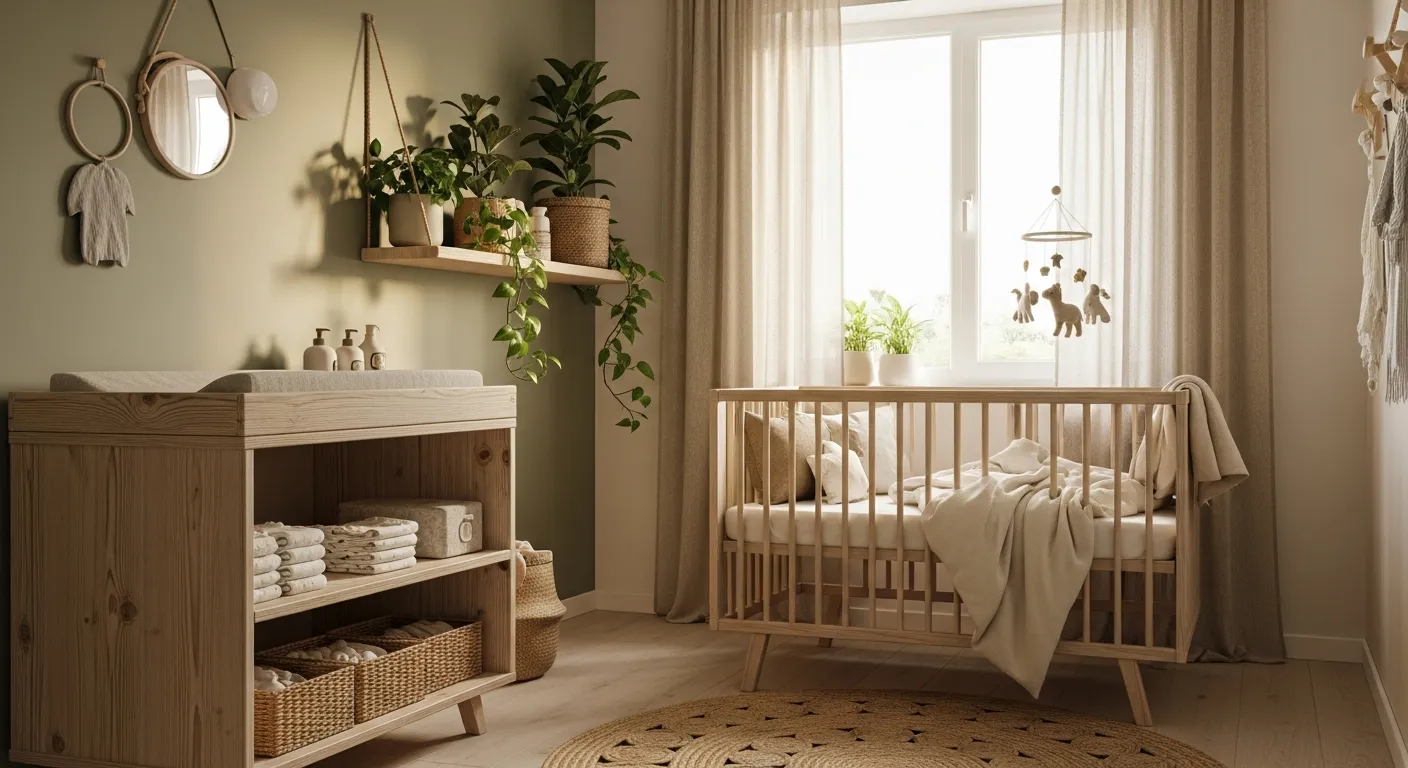
A convertible crib is a perfect example. These smart designs change from a baby crib to a toddler bed, and often even to a daybed or a full-sized headboard for an older child. This one purchase can last for many years, so you don't need to buy multiple beds. Similarly, a sturdy dresser can become a changing station by just adding a secure changing pad on top. Once your child is potty-trained, you can remove the pad, and the dresser will still be a useful storage piece for years. If you're looking for classic pieces that are built to last, checking out options like Newton's nursery furniture collection can give you well-made, GREENGUARD Gold certified items designed for durability and safety.
When picking furniture, choose solid wood over particleboard or MDF, which are often held together with glues containing formaldehyde. Finishes should be non-toxic, water-based, and free of lead and phthalates. By choosing furniture carefully, you create a room that is not only beautiful and safe but also able to change right along with your family.
Decorating with Natural Elements
To make your sustainable nursery feel warm and calm, look to nature for ideas. Decorating with natural elements creates a soothing atmosphere and means fewer synthetic materials are in the room. Instead of plastic decor, consider items made from wood, rattan, wicker, and natural fibers. These materials add texture and a timeless look that won't go out of style.
Wooden toys on an open shelf can also be charming decorations. A soft wool or jute rug provides a comfy spot for tummy time while adding natural texture to the space. For window coverings, choose curtains made from linen or organic cotton, which let in soft, filtered light.
Bringing plants into the nursery is another lovely way to connect with nature, but safety is most important. Choose non-toxic plants like spider plants, Boston ferns, or parlor palms, which are also known for cleaning the air. Always put them on a high shelf or in a hanging planter, well out of your baby's reach. A mobile made from felted wool or unpainted wood can add a whimsical touch above the crib. These simple changes help you create a beautiful, peaceful space that feels both natural and very personal.
Thoughtful Storage Solutions
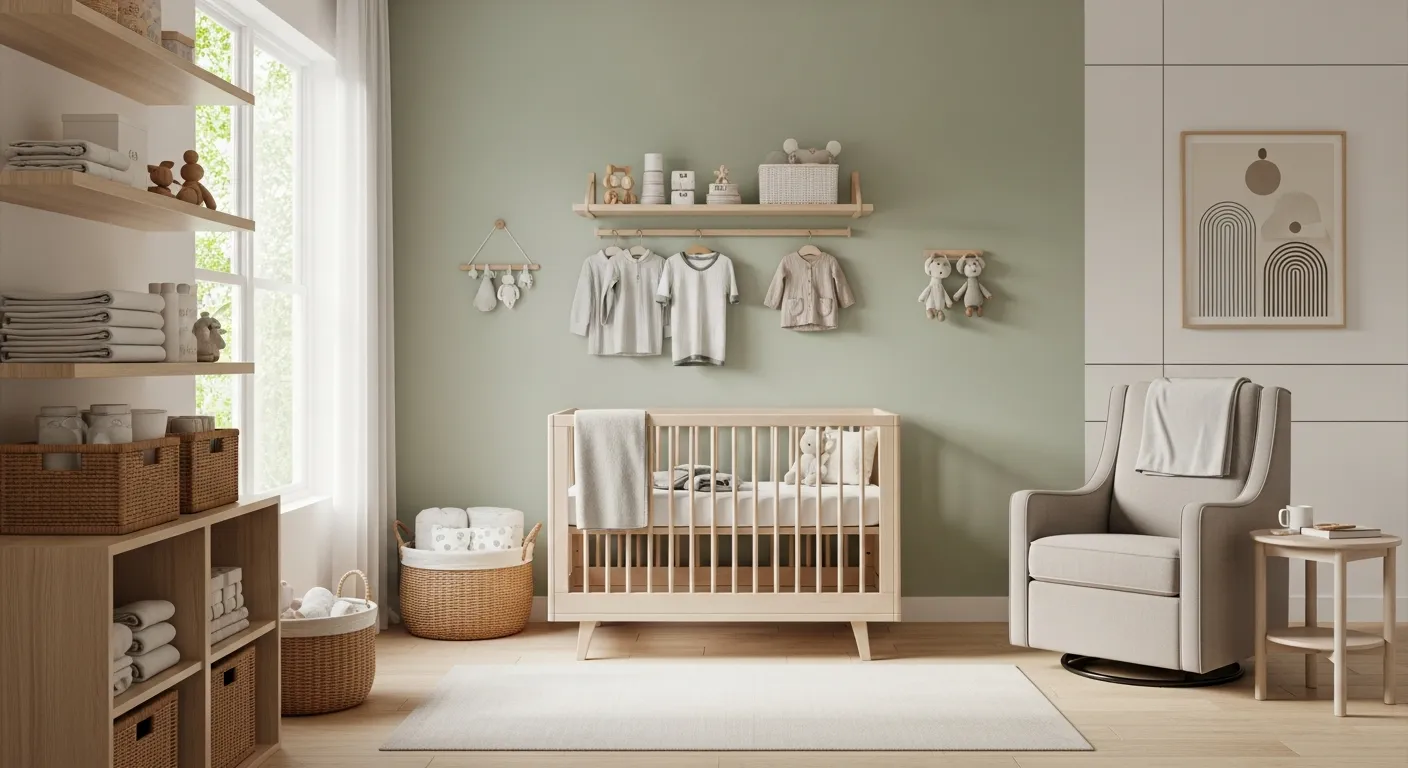
A well-organized nursery feels calmer and works better. Smart storage is a key part of being sustainable, as it helps you manage with less and avoid clutter that often leads to buying too much. Making the most of your space helps you create a system that grows with your child's needs and reduces waste. This way of thinking is a great first step toward a zero-waste baby nursery, where every item has a purpose and a place.
Instead of plastic bins, choose storage solutions made from natural, renewable materials.
- Baskets: Woven baskets made from seagrass, water hyacinth, or cotton rope are perfect for holding everything from diapers and blankets to toys. They are soft, stylish, and easy for little hands to reach as they get older.
- Shelving: Use vertical space with simple wooden shelves. They are great for storing books, displaying special keepsakes, and keeping certain items out of a toddler's reach.
- Closet Organization: Maximize closet space with fabric dividers and hanging organizers. This helps you see what you have at a glance, so you don't accidentally buy duplicates.
Think about items that can do more than one job. A storage ottoman can hold blankets while also giving you a comfortable place to sit. A vintage trunk can store out-of-season clothes or extra bedding and add a unique decorative touch. By choosing storage that is both useful and beautiful, you create an organized system that supports a more minimalist and sustainable lifestyle.