
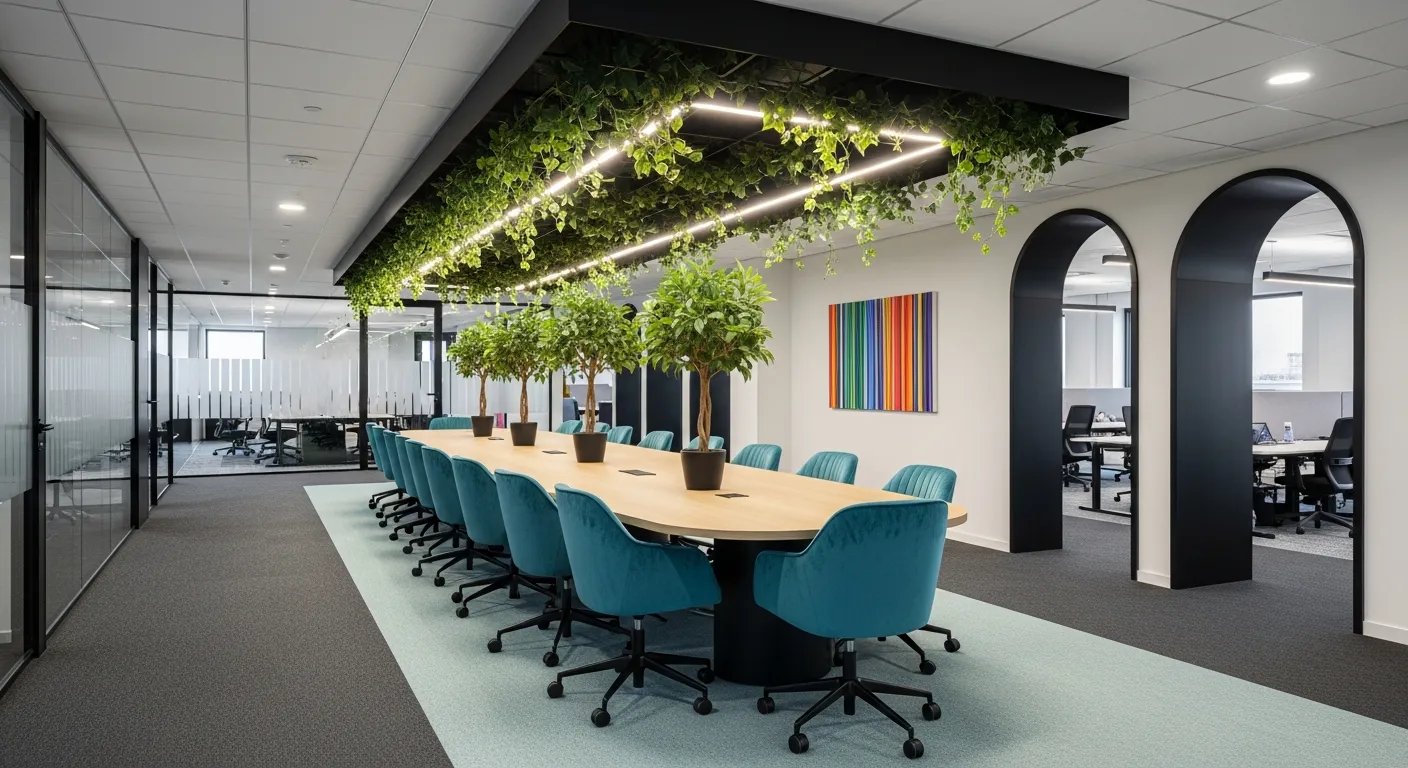
Walk into a newly renovated hotel lobby or a modern office floor, and the shift is subtle but unmistakable. Materials feel lighter, surfaces less synthetic, the air a little easier to breathe, but the real change is also in structure. Behind those calm interiors sits a growing movement that connects sustainability with how people actually use space: ergonomic furniture designed not only to reduce environmental impact, but to quietly reshape how we sit, stand, work, and rest.
For years, “green design” in hospitality and workplaces meant energy-efficient lighting or recycled carpeting. Important, yes, but limited. Today, furniture itself has become part of the equation. And not just any furniture: adjustable, human-centered pieces that respond to bodies in motion. It’s a shift from static environments to dynamic ones, where comfort and sustainability aren’t competing priorities but overlapping systems.
One reason for this shift is simple: people are staying longer in these spaces. Business travelers often turn hotel rooms into temporary offices, and remote workers expect more from shared environments. According to a 2024 global workplace survey, over 60% of employees reported spending more than eight hours a day in a single seated position. That statistic alone has pushed designers and operators to rethink furniture not as a fixed asset, but as an active participant in health and productivity.
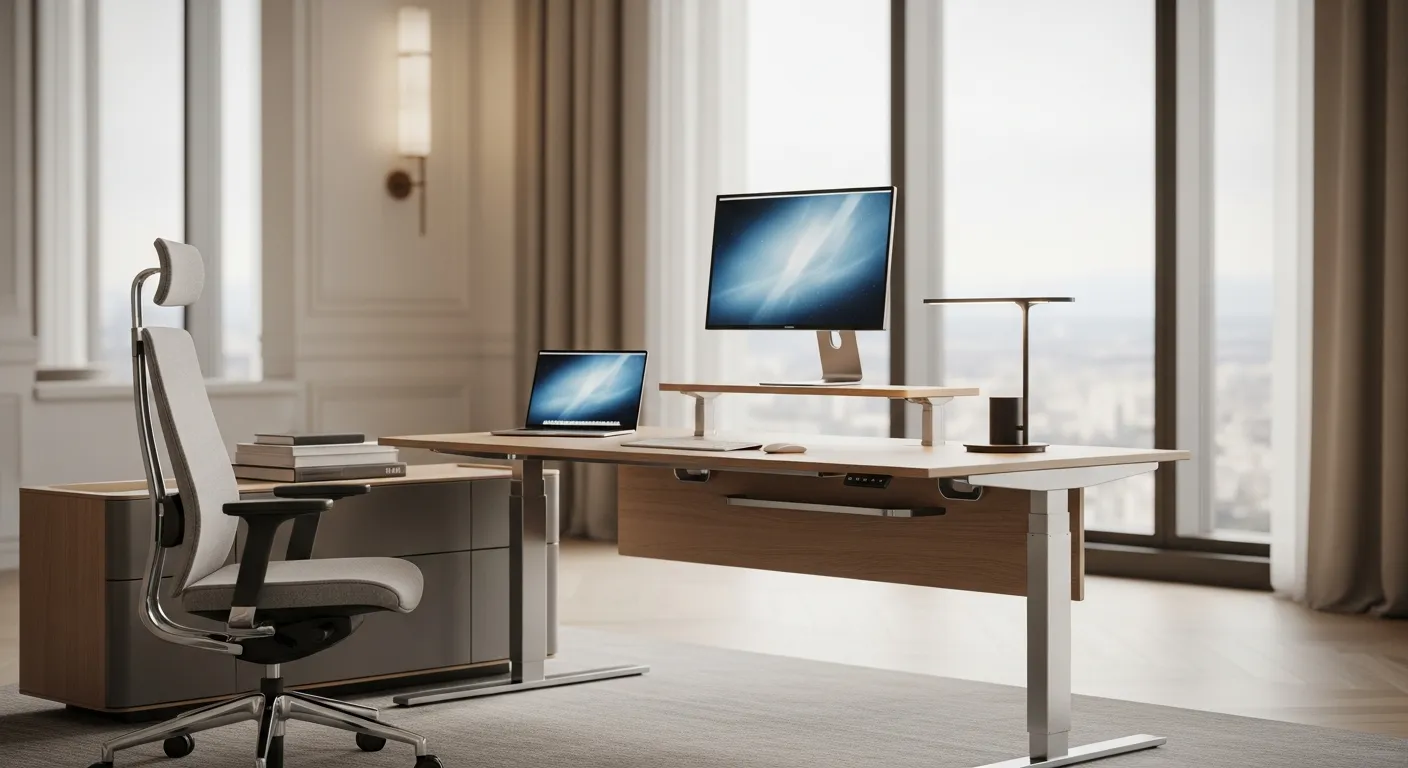
In response, hotels have started redesigning rooms with flexible layouts, desks that adjust, chairs that adapt, and surfaces that encourage movement rather than lock users into a single posture. In some North American projects, the integration of solutions like an ergonomic standing desk Canada reflects not just a regional trend, but a broader shift toward adaptable hospitality design. These aren’t gimmicks. They’re quiet acknowledgments that guests don’t just pass through spaces anymore — they inhabit them, often with laptops open and deadlines pending.
Sustainability Beyond Materials
Ergonomics is not the only one strength. What makes this movement interesting is how it intersects with sustainability in very practical ways. Adjustable furniture, especially when engineered with high-quality lifting systems and modular components, tends to last longer. Instead of replacing entire desks or workstations, operators can repair or upgrade specific parts. This reduces waste and lowers long-term costs, a combination that’s hard to ignore in industries where margins matter.
Take lifting columns, for example — the core mechanism behind height-adjustable desks. Modern versions are designed for thousands of movement cycles, often exceeding 10,000 full adjustments without performance loss. That durability means fewer replacements, less material consumption, and a longer lifecycle overall. It’s not just about comfort; it’s about extending the usefulness of every component.
Materials play a role too. Many manufacturers now prioritize FSC-certified wood, recycled steel, and low-VOC finishes. In large-scale hotel projects, switching to these materials can significantly reduce a building’s overall environmental footprint. One European hospitality group reported a 25% reduction in furniture-related emissions after transitioning to sustainably sourced ergonomic collections across their properties. That’s not a small number when you consider the scale at which these businesses operate.
Performance, Psychology, and the New Workplace Standard
Workplaces are moving in a similar direction, though often with a sharper focus on performance metrics. Companies are beginning to link ergonomic investments with measurable outcomes — reduced absenteeism, improved focus, even lower turnover rates. A study by the International WELL Building Institute found that workplaces designed with ergonomic principles saw up to a 12% increase in employee satisfaction scores. While it’s difficult to isolate furniture as the sole factor, its influence is increasingly hard to dismiss.
There’s also a psychological layer to all of this. Adjustable environments give users a sense of control, and that matters more than we tend to admit. Being able to shift from sitting to standing, to reposition a screen or adjust a surface height, creates a subtle but persistent feeling of agency. In both hotels and offices, that translates into a better overall experience — one that people may not consciously analyze, but definitely notice.
Interestingly, the design language is evolving alongside the technology. Early ergonomic furniture often looked mechanical, almost clinical. Today’s versions are far more refined. Clean lines, neutral tones, and integrated controls make these pieces blend seamlessly into high-end interiors. In boutique hotels, you might not even realize a desk is adjustable until you touch it. That invisibility is part of the appeal — function without visual noise.
What Comes Next: Smarter, More Responsive Spaces
Of course, there are challenges. Cost remains a barrier, especially for smaller operators. High-quality ergonomic furniture can require a higher upfront investment, and not every business is ready to make that leap. There’s also the question of user behavior. Providing adjustable furniture doesn’t guarantee people will use it correctly or at all. Some hotels have started including subtle prompts or guides, encouraging guests to explore these features without overwhelming them.
Maintenance is another consideration. More moving parts mean more potential points of failure, though advancements in engineering have significantly reduced these risks. Modern control systems, for instance, often include sensors that detect obstructions and prevent damage, extending the lifespan of the furniture while improving safety.
Despite these hurdles, the direction is clear. Sustainability in design is no longer just about reducing harm; it’s about creating environments that actively support the people inside them. Ergonomic furniture sits right at that intersection, offering a rare combination of environmental responsibility and human benefit.
Looking ahead, the integration of smart technology is likely to deepen this trend. Imagine hotel desks that remember your preferred height from a previous stay, or office workstations that adjust automatically based on your posture throughout the day. These ideas are already being tested in pilot projects, blending data with design in ways that feel both futuristic and strangely intuitive.
What’s perhaps most interesting is how quickly expectations are changing. Just a few years ago, adjustable desks were seen as premium add-ons. Now, in certain markets, they’re becoming baseline features. Guests notice when they’re missing. Employees ask for them during onboarding. The standard is shifting, quietly but steadily.
In the end, this isn’t just a story about furniture. It’s about how spaces evolve when we start paying closer attention to the people who use them, and the resources that sustain them. Hotels and workplaces are no longer static backdrops; they’re responsive systems, shaped by both environmental pressures and human needs.
And somewhere between a smoother desk adjustment and a quieter motor, between a recycled surface and a better posture, a new kind of design is taking hold — one that feels less like a compromise and more like a progression.