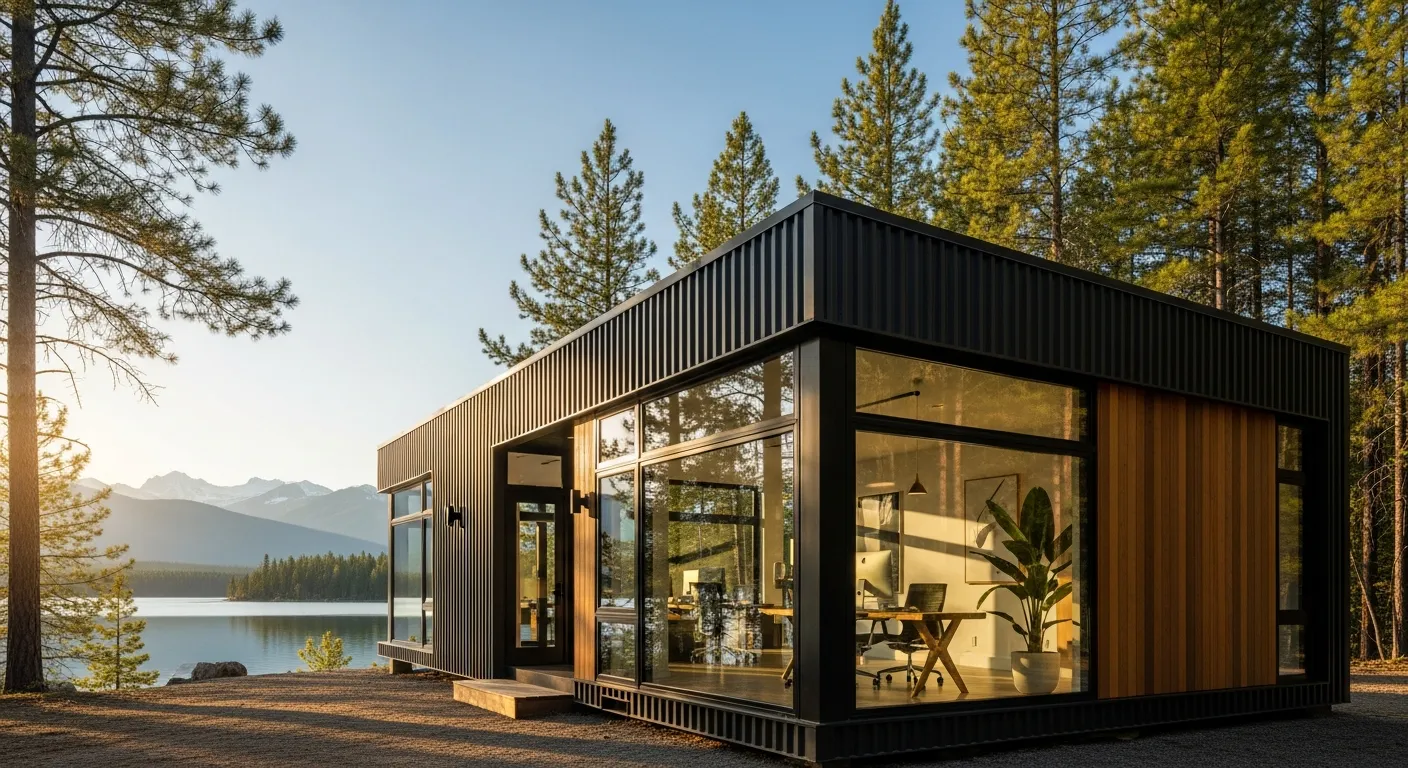
In Canada, residential construction and home improvement projects increasingly demand flexible, durable, and spaceefficient auxiliary workspace solutions. A custom built steel container office provides a secure, insulated, and relocatable alternative to traditional home additions, suitable for home offices, workshops, or auxiliary living spaces. This article examines structural design, installation requirements, safety standards, and best practices for residential container office integration.
Core Concept and Residential Applications
A custom built steel container office is a prefabricated steel structure converted for residential use.
- Dedicated home office or remote working space
- Quiet studio for creative or educational activities
- Secure storage for tools, equipment, and personal items
- Temporary auxiliary space during home renovation
- Private guest shelter or compact recreational area
The model offers 90 square feet of functional interior area for compact residential needs. Its compact exterior footprint allows installation in small yards, side spaces, or rear lots without significant property modification. The prefabricated nature reduces onsite construction time and disturbance to daily household activities.
Importance of Safety and Build Quality
Residential auxiliary structures must meet consistent safety and durability standards. Poorly constructed units create risks related to structural stability, weather intrusion, and electrical safety. A professionally built container office supports longterm reliability and compliance with residential building expectations.
Technical Foundation and Material Specifications
Key components ensure residential performance.
- Super heavyduty galvanized steel frame for structural strength
- Highdensity foam insulation for temperature control
- Threelayer tempered glass windows for security and insulation
- PVC woodplastic flooring that is waterproof and slip resistant
- Certified hardware and locking systems for enhanced security
These elements support performance across Canadian climate conditions, from cold northern winters to humid southern summers.
Factors Affecting Performance and Longevity
- Level and stable placement surface
- Proper anchoring against wind and displacement
- Regular inspection of seals, frames, and hardware
- Professional electrical installation by qualified persons
- Adequate drainage around the base to prevent moisture buildup
Safety Best Practices
- Place the unit on firm, level ground or a suitable foundation
- Ensure secure anchoring to prevent movement
- Use only certified electricians for all wiring work
- Maintain clear ventilation and access routes
- Inspect the structure periodically for corrosion or damage
Advantages and Limitations
Advantages
- Strong steel structure with high durability
- Effective insulation for yearround use
- Rapid deployment without major construction
- Lower cost compared to traditional home extensions
- Relocatable design for flexible property layout
Limitations
- Requires level ground for stable installation
- Fixed internal dimensions limit major modification
- Must use professional installation for electrical work
- Limited builtin utilities; requires onsite connection planning
Real World Residential Example
A residential project in Ontario integrated a 13foot steel container office as a remote work studio. The unit provided quiet, secure workspace separate from main living areas. Insulated construction maintained comfortable temperatures through winter, while durable materials required minimal ongoing maintenance.
Conclusion and Industry Trends
Custom steel container offices represent a practical solution for modern Canadian residential needs. Future trends include improved insulation systems, integrated utility connections, customizable interior layouts, and enhanced weatherresistant coatings. These developments will expand safety, comfort, and versatility for homebased auxiliary spaces.