
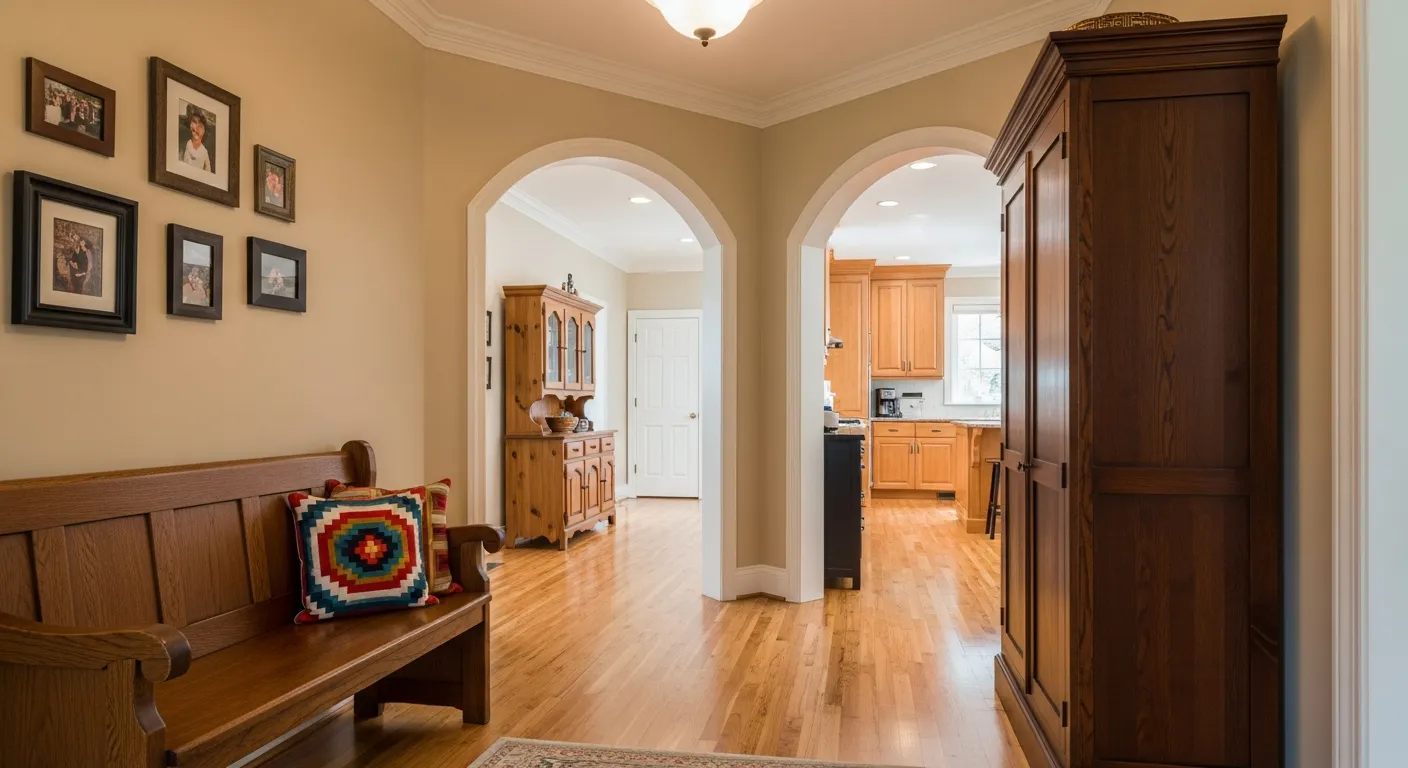
When it comes to renovating your home or business, one of the most impactful changes you can make is installing hardwood floors. They add timeless beauty, warmth, and durability to any space. However, if you're considering this upgrade, you might be wondering how much it’s going to cost. The price of installing hardwood floors can vary widely depending on several factors. Let’s take a deeper dive into what affects pricing and how you can make an informed decision for your next flooring project.
Understanding Hardwood Floor Installation Costs
The cost of installing hardwood floors is not a one-size-fits-all situation. Multiple factors contribute to the overall price, including the type of hardwood, the size of the area, the complexity of the installation, and whether you want to add heated floors under the hardwood. Whether you're renovating a small room or installing hardwood throughout your home, understanding these variables will help you get a clear picture of your total investment.
Let’s break down the main elements that determine the cost of hardwood floor installation.
Type of Hardwood: Natural vs Engineered
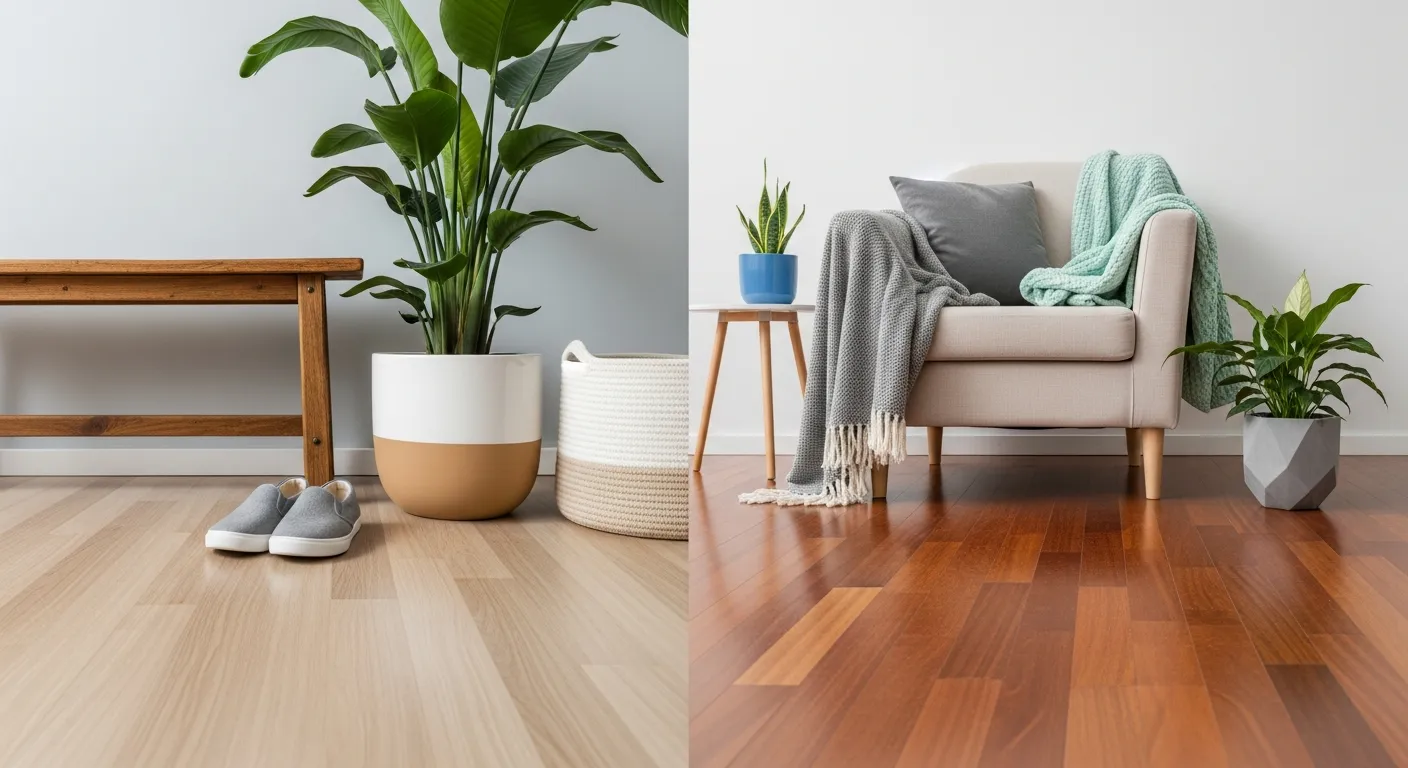
The first significant factor that affects the cost of hardwood floor installation is the type of wood you choose. Hardwood flooring comes in two primary categories: solid hardwood and engineered hardwood.
Solid hardwood floors are made from a single piece of timber, making them more expensive and offering a longer lifespan. If you’re looking for that classic, authentic feel, solid hardwood is a great option. On the other hand, engineered hardwood is made from multiple layers of wood veneer and is more affordable. While engineered wood can still provide the appearance of solid hardwood, it tends to be more budget-friendly.
If you’re considering a particular type of wood, factors such as rarity, grade, and source can also influence the price. For instance, exotic woods like Brazilian Cherry or teak will cost more than domestically sourced oak or maple. The rarer the wood, the higher the price tag.
Flooring Area Size
Naturally, the larger the area you plan to cover with hardwood floors, the more expensive it will be. The size of the installation area is usually measured in square feet, and the price for flooring is typically quoted per square foot. For example, if you're installing hardwood floors throughout an entire house, it will cost significantly more than a single room or a hallway.
In addition to the size of the area, the layout of the space can also impact the cost. If the room has many corners, alcoves, or other challenging features, more cuts and custom work will be needed, increasing the labor costs. Keep in mind that the more square footage you're covering, the more material you’ll need to purchase and the more labor will be involved, which can add up quickly.
Labor Costs and Installation Complexity
Labor costs are another major factor that can influence the overall price of hardwood floor installation. A straightforward installation in a square or rectangular room will be relatively simple and cost-effective, but if your floor requires intricate patterns, borders, or designs, expect to pay more for skilled labor.
Some installation methods, such as glue-down or nail-down techniques, can also affect the price. The floating installation method, where the planks click together without being attached to the subfloor, tends to be the most affordable. However, some homeowners opt for glue-down or nail-down methods for added durability or to ensure the flooring stays in place.
Additionally, if your subfloor needs to be leveled or repaired, this will add extra costs to the project. Old homes, in particular, may have uneven floors that require additional work before the hardwood can be installed.
Additional Costs: Underlayment, Transition Strips, and More
When calculating the cost of installing hardwood floors, it's important to account for additional materials and services that might be required for a successful installation. For example, underlayment is often needed to provide a smooth surface for the hardwood and enhance soundproofing. If you’re installing hardwood over concrete, an underlayment will likely be necessary to prevent moisture buildup.
Transition strips are also essential for areas where the hardwood meets another type of flooring, such as tile or carpet. These strips help smooth the transition between different flooring types, but they come at an additional cost.
Another common additional cost is the removal and disposal of existing flooring. If you’re replacing old floors, it’s important to factor in the cost of removing the old material, especially if it’s glued down or heavily damaged.
Geographic Location and Market Conditions
Where you live can also play a big role in the price of hardwood floor installation. In areas with a higher cost of living or high demand for flooring services, labor and material costs are likely to be higher. For example, if you're in a major city like Los Angeles or New York, you may encounter higher prices than in smaller towns or rural areas.
Additionally, if you’re living in an area where hardwood floors are in high demand, such as regions with a high percentage of older homes, you may face higher labor costs due to the increased demand for skilled installers. It’s always worth checking with multiple contractors to get quotes based on your location and specific needs.
The Quality of the Finish: Pre-Finished vs. Unfinished Hardwood
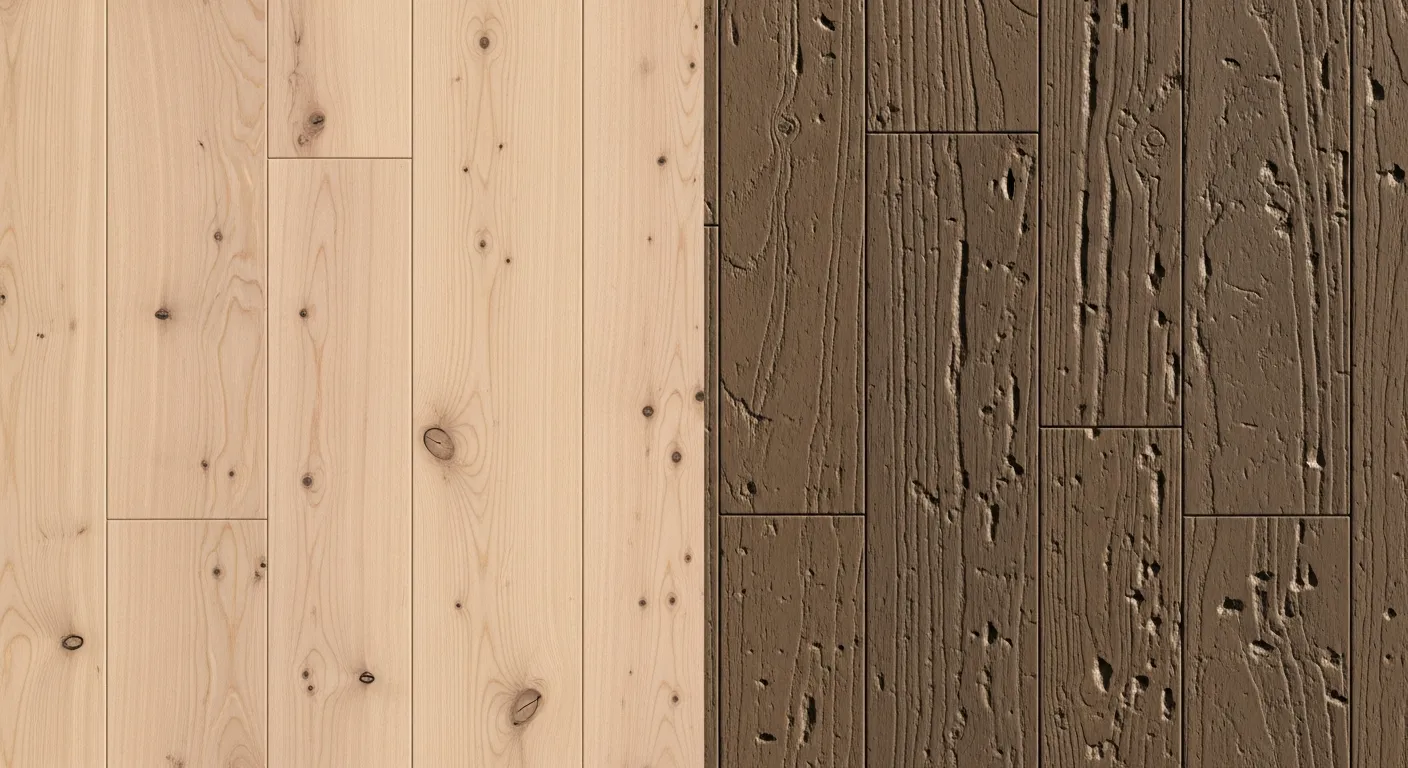
Another factor that can influence the price of installing hardwood floors is the type of finish you choose. Pre-finished hardwood is factory-coated, meaning it arrives with a protective layer already applied. While this type of wood tends to be more expensive upfront, it reduces the amount of time needed for installation and eliminates the need for finishing after the floors are installed.
Unfinished hardwood, on the other hand, must be sanded and finished after installation, which takes more time and labor. Although unfinished hardwood may cost less initially, the additional labor for sanding and finishing can raise the total cost of the project. Additionally, the sanding and finishing process generates dust, and you may need to consider additional measures for keeping the space clean.
Is Hardwood Floor Installation Worth the Cost?
In the end, the decision to install hardwood floors is about much more than just the upfront cost. Hardwood floors offer long-term benefits, including durability, timeless style, and an increase in your home’s value. Whether you’re upgrading an existing space or starting fresh, hardwood flooring remains one of the most popular choices for homeowners and business owners alike.
While there are many factors that affect the cost of hardwood floor installation, understanding these variables can help you make an informed decision. If you’re looking to transform your space with beautiful, durable flooring, you can take the next step by exploring local contractors who specialize in hardwood floor installation. You can get an accurate quote and start planning your flooring project with confidence, knowing that you’re investing in a lasting upgrade that will pay off for years to come.
Remember, when you're ready to move forward with your hardwood flooring project, it's important to work with a trusted contractor who can guide you through the process and help you select the right materials and methods for your needs. By understanding the cost breakdown and the factors involved, you’ll be well on your way to making your dream floors a reality.