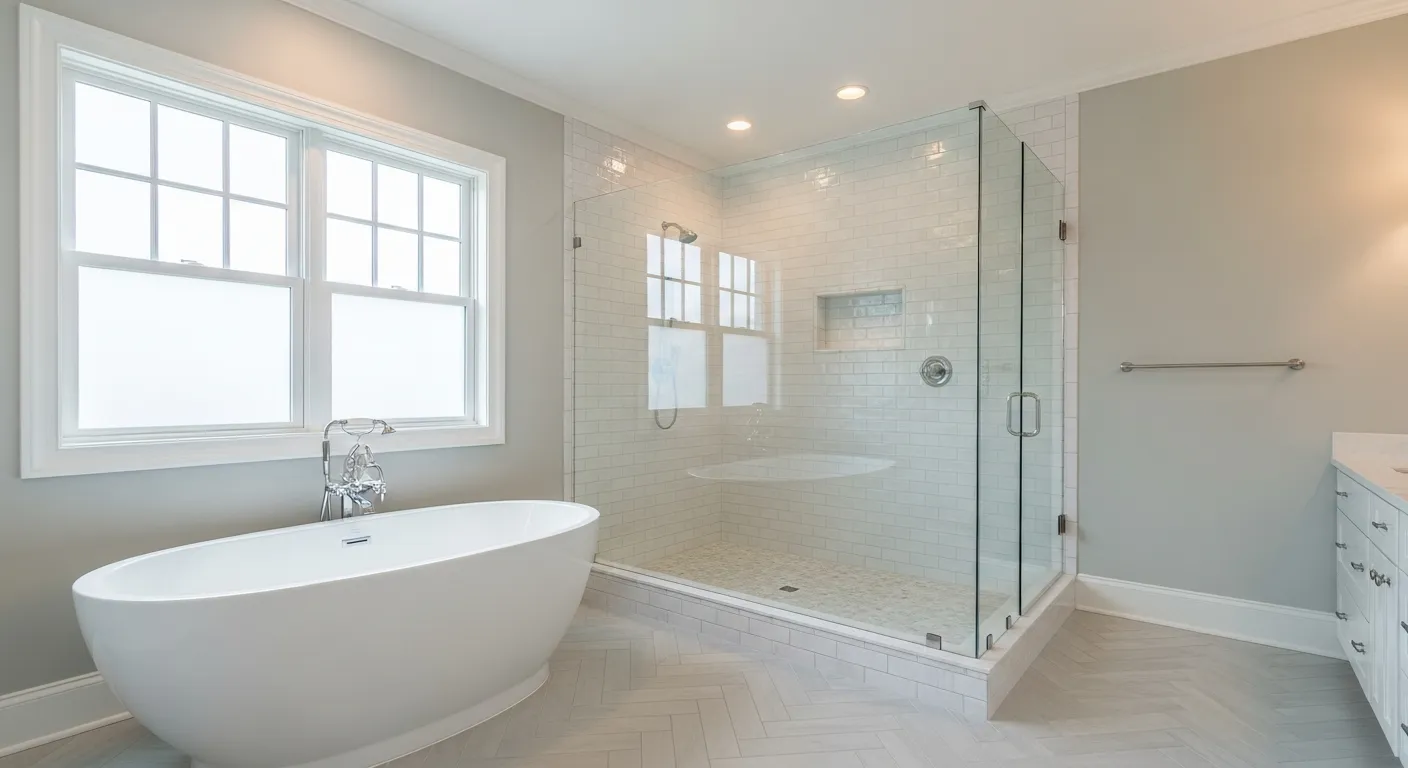
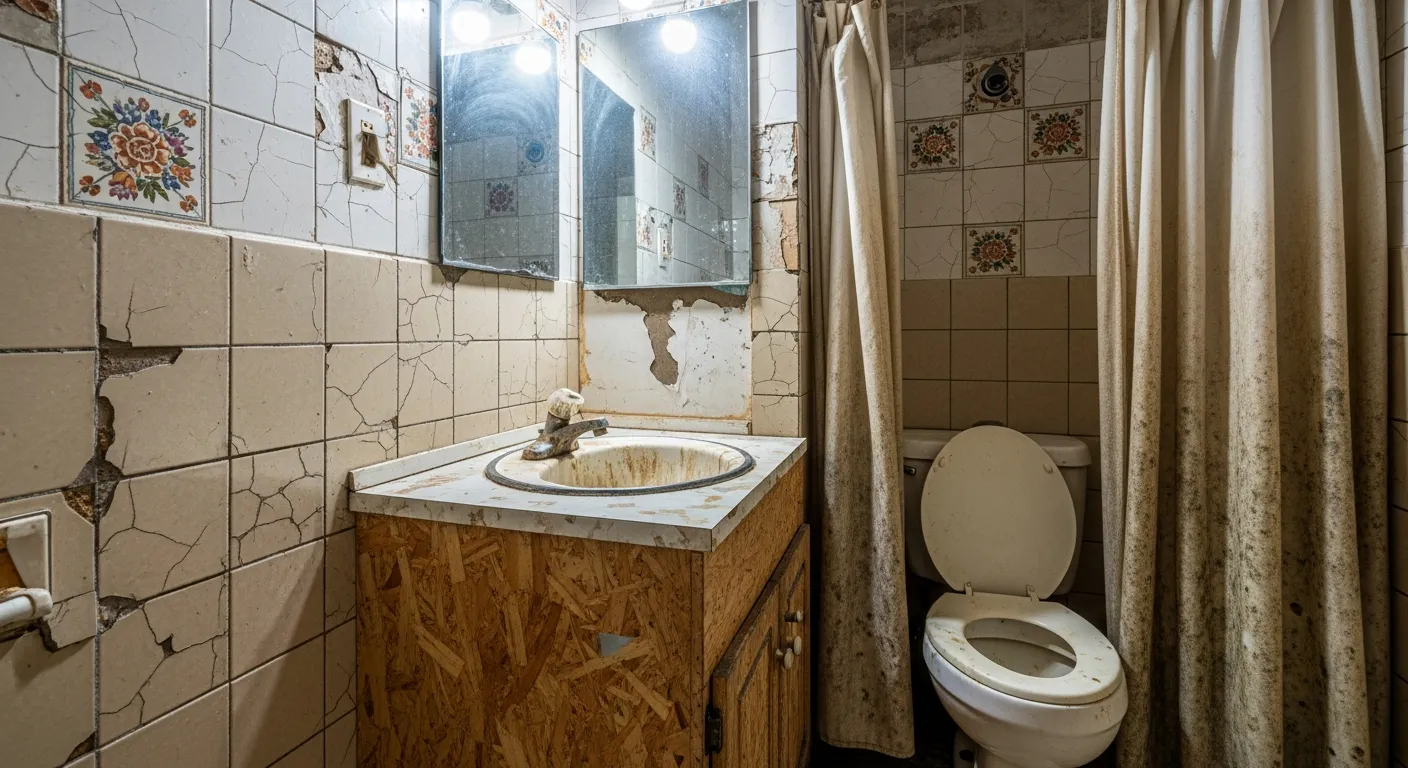
A full bathroom renovation is one of the most valuable upgrades a homeowner can make, but it also involves multiple technical stages: demolition, waterproofing, plumbing, electrical work, tiling, and installation. Because of this complexity, even small planning errors can lead to delays, added costs, or long-term performance issues.
In Western Australia, where building standards and moisture protection requirements are strict, careful planning becomes even more important. Understanding common mistakes before starting your project helps ensure a smoother renovation process and a long-lasting result.
Poor Planning and Incomplete Design Decisions
One of the most common mistakes in bathroom renovations perth western australia is starting work without a fully finalised design. Changing layouts, fixture placements, or material selections mid-project can disrupt the entire workflow and increase costs significantly. Following a bathroom renovation planning guide before work begins can help streamline decisions and reduce unexpected delays.
A full renovation should always begin with a clear plan that includes:
- Final layout and spatial arrangement
- Waterproofing and drainage strategy
- Electrical and lighting plan
- Material and tile selections
- Ventilation design
When homeowners planning bathroom renovations in Perth, Western Australia, make decisions early, the entire renovation process becomes more efficient and predictable.
Underestimating the Importance of Waterproofing
Waterproofing is one of the most critical stages in any bathroom renovation, yet it is often underestimated. Inadequate waterproofing can lead to long-term issues such as leaks, structural damage, and mould growth.
In full renovations, waterproofing must be professionally applied to floors, shower areas, and wet zones in accordance with Australian standards. Skipping steps or using low-quality materials can compromise the entire structure.
Ensuring proper waterproofing from the start protects both the bathroom and the broader home structure, especially in moisture-prone environments.
Choosing Design Over Functionality
While aesthetics are important, prioritising design over practicality can lead to long-term usability issues. A bathroom should be designed around daily use, comfort, and efficient movement, not just visual appeal. If your renovation includes updating the shower enclosure, understanding shower door replacement expenses can help you plan your overall project budget more accurately.
Common functional mistakes include:
- Poor spacing between fixtures
- Inadequate storage planning
- Inefficient lighting placement
- Lack of proper ventilation
A well-balanced design ensures the bathroom remains comfortable and practical for everyday use, especially when included as part of a broader, complete home refurbishment project. Drawing inspiration from timeless bathroom design inspiration can also help create a space that remains stylish for years to come.
Ignoring Proper Ventilation
Ventilation is essential in preventing moisture buildup, mould growth, and long-term damage. Unfortunately, it is often overlooked during renovation planning.
Every full bathroom renovation should include:
- High-quality exhaust systems
- Natural airflow considerations where possible
- Proper window placement or upgrades
Without proper ventilation, even high-quality materials can deteriorate faster due to constant exposure to humidity. Proper airflow also plays a key role in preventing bathroom mold problems, helping maintain a healthier and longer-lasting bathroom environment.
Selecting Low-Quality Materials to Cut Costs
While budgeting is important, compromising on material quality can lead to higher long-term expenses. Bathrooms are high-moisture environments, so durability and water resistance are essential.
Low-quality tiles, fixtures, or waterproofing systems may appear cost-effective initially but often result in early wear, maintenance issues, or premature replacement needs. Choosing bathroom fixtures wisely is equally important to ensure long-term durability, water efficiency, and reliable performance.
Choosing durable materials ensures the bathroom remains functional and visually appealing for many years after renovation completion. If you're upgrading flooring, researching heated bathroom floor installation costs can help determine whether radiant heating fits your renovation budget.
Poor Sequencing and Project Management
Full bathroom renovations involve multiple trades working in a specific order. Mistakes in scheduling or coordination can lead to delays, rework, or structural issues.
A typical renovation sequence must be followed carefully:
- Demolition
- Plumbing and electrical rough-in
- Waterproofing
- Tiling
- Fixture installation
- Final finishing
Proper project management ensures each stage is completed correctly before the next begins, reducing costly errors and delays.
Not Accounting for Structural Surprises
During demolition, hidden issues such as water damage, outdated plumbing, or structural weaknesses may be uncovered. Many homeowners fail to include a contingency buffer in their budget for such situations.
Setting aside additional funds helps prevent stress and allows necessary repairs to be addressed without compromising overall project quality. Understanding the average bathroom remodel cost can also help homeowners create a realistic renovation budget with room for unexpected expenses.
Final Thoughts
Avoiding common bathroom renovation mistakes requires careful planning, professional execution, and attention to detail at every stage of the project. From waterproofing and ventilation to design and sequencing, each element plays a crucial role in the outcome.
For homeowners in Western Australia, taking a structured and well-managed approach ensures the renovation delivers long-lasting durability, improved functionality, and strong overall value, whether as part of a standalone upgrade or a broader, complete home refurbishment.