Electricity bills shoot up in summers adding up to the burden of homeowners and the real culprit is the cooling system. If you've already compared heating and cooling system types and brands or looked into HVAC options for new construction or to replace the old one, the next simple yet obvious question is: what's actually the cheapest way to keep your home cool? The answer depends on whether you intend to know the lowest upfront price or the lowest monthly running cost, because both these costs rarely point to the same system.
Cheap and Effective Cooling System For Home
A ceiling fan is the cheapest cooling system to both buy and operate, costing under $2 a month to operate. But fans only move air, they don't lower the temperature, so for actual cooling, a window air conditioner has the lowest upfront cost, while a ductless mini-split system offers the best long-term value once you factor in energy use.
1. Ceiling and Pedestal Fans
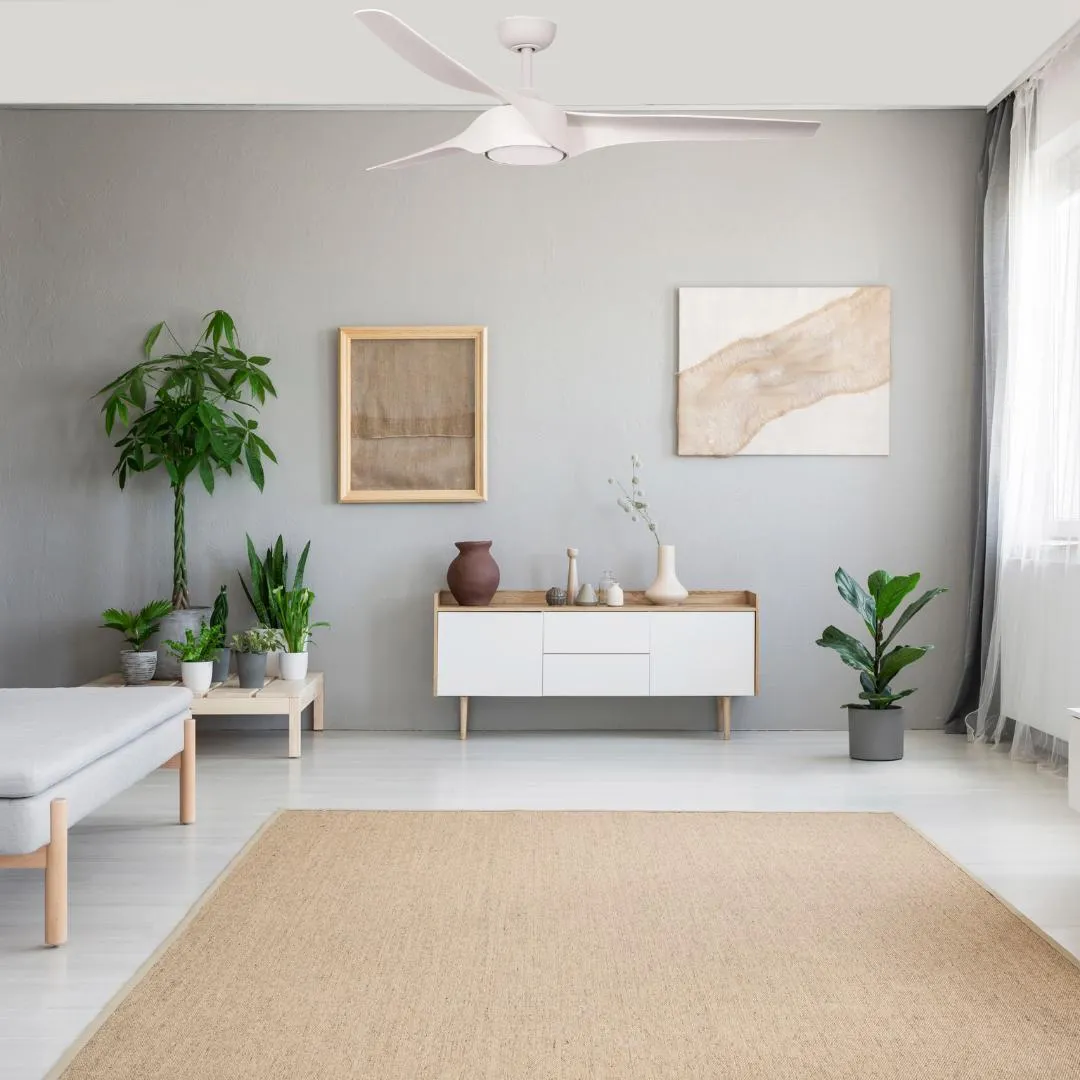
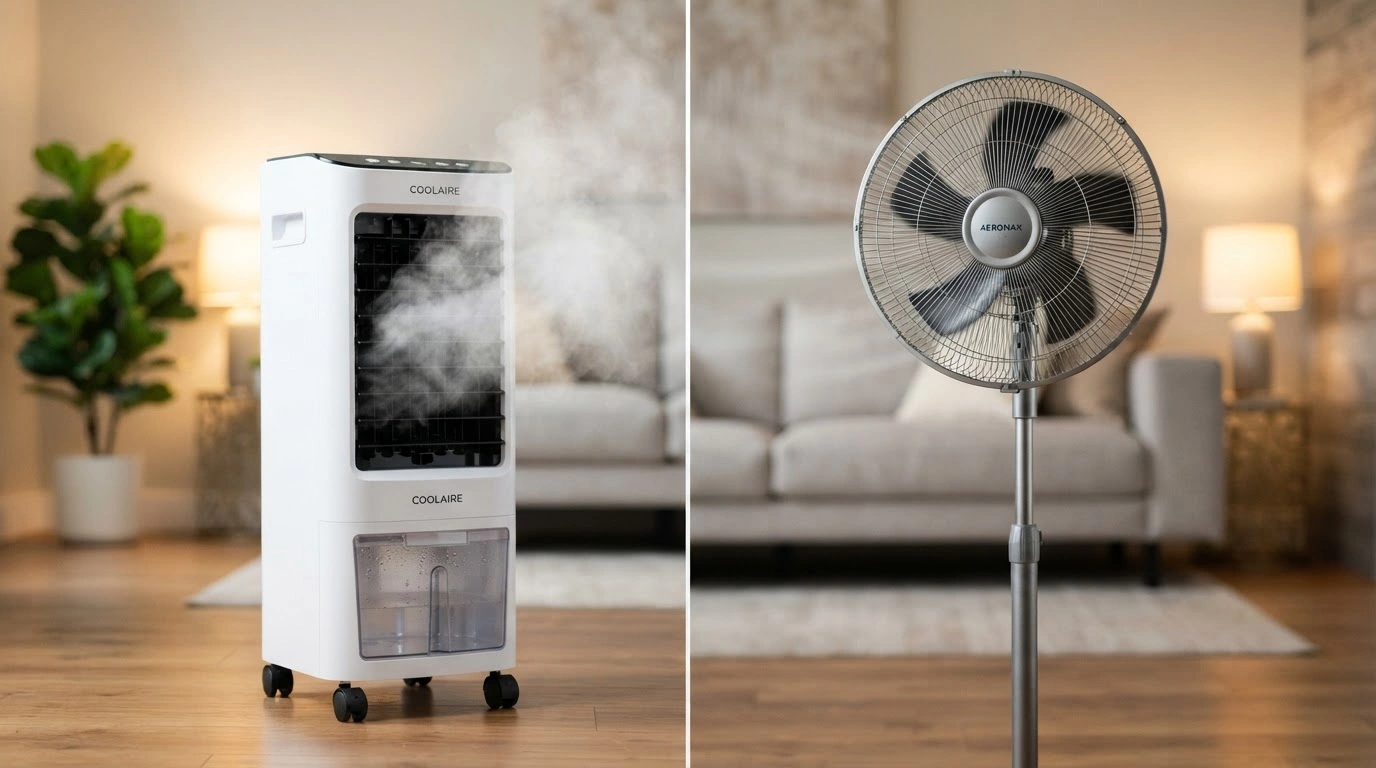
Ceiling fans cost as little as $40 to $300 to buy and $1 to $2 a month to run even if used daily, since they draw very little electricity. Pedestal fans work similarly and add the flexibility of moving between rooms. Neither ceiling fan nor the pedestal fan actually cools the air; they create a wind-chill effect that makes a room feel a few degrees cooler. Therefore, both fans work best alongside another cooling method rather than as a standalone solution.
2. Whole-House Fans
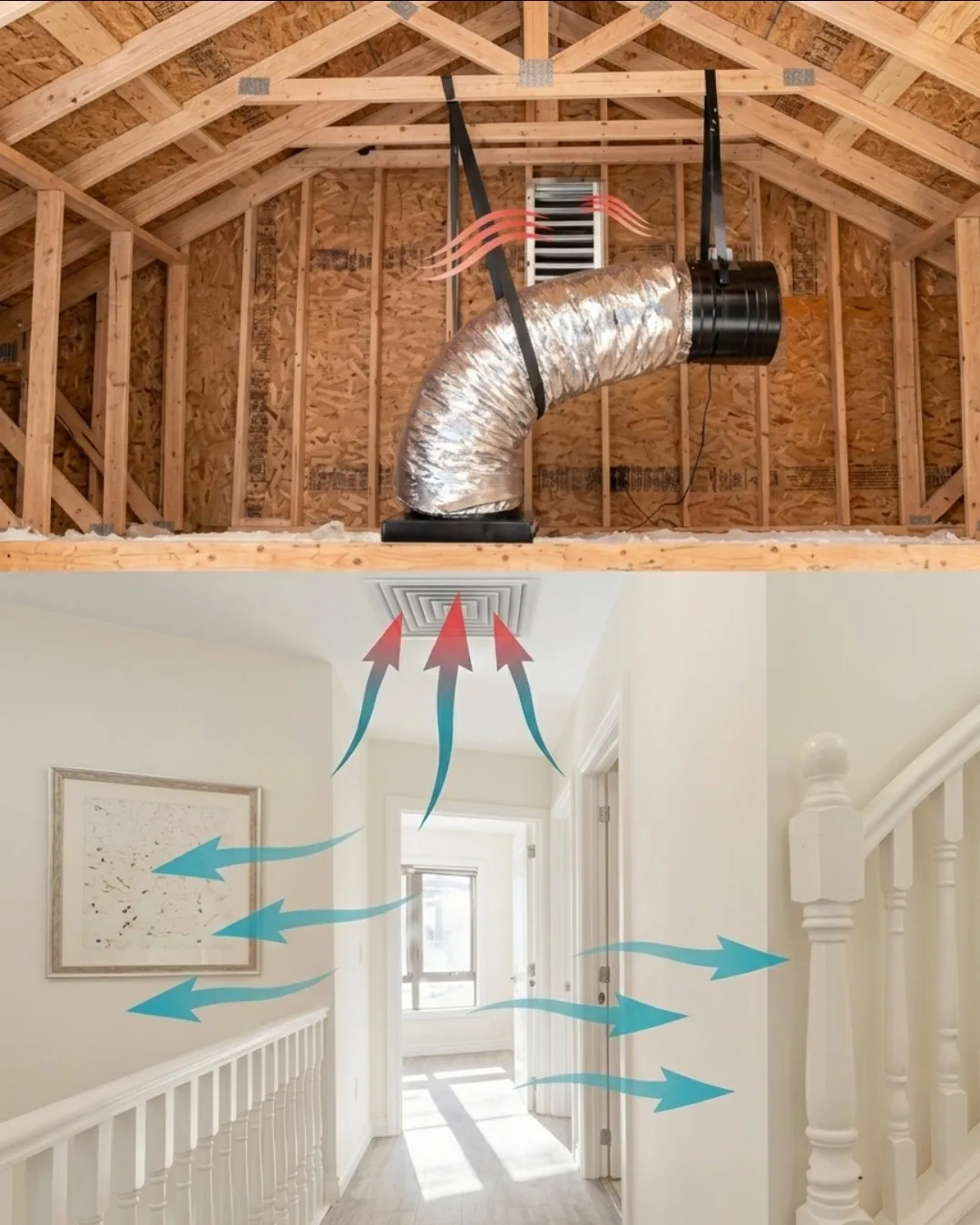
A whole-house fan pulls cooler outdoor air in and pushes hot indoor air out through the attic. It costs more to install than a ceiling fan but far less to run than air conditioning. It works best in the early morning or evening when outdoor temperatures drop.
3. Window Air Conditioners
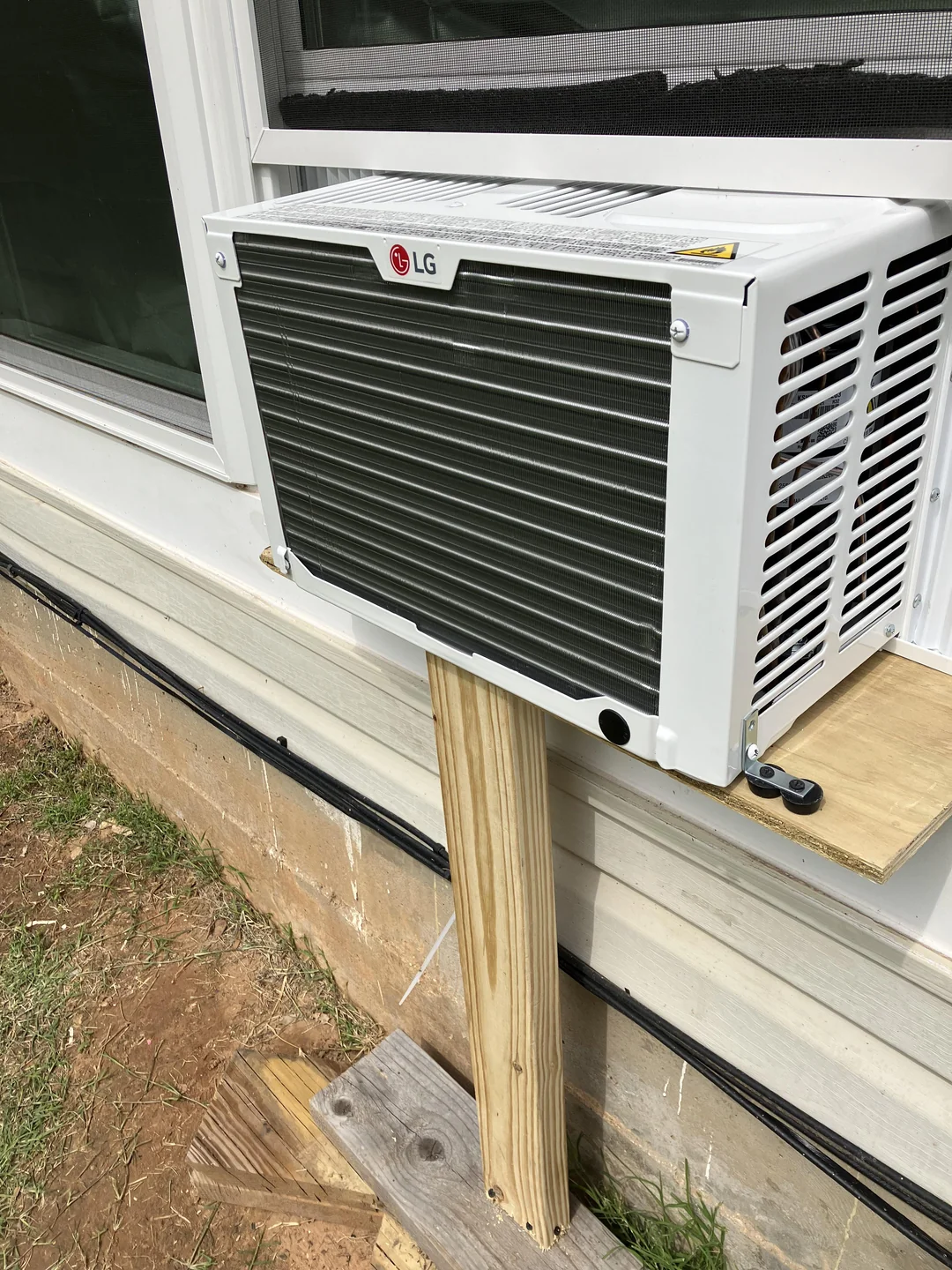
Window units are the cheapest air conditioners you can buy, typically priced between $150 and $700 depending on BTU capacity. They're easy to install without a professional and work well for cooling one or two rooms. Window units are noisier, use low-grade filters, and usually last only 8 to 10 years, so homeowners running several units for a full house often end up paying more over time than they would spend on a central system.
4. Evaporative (Swamp) Coolers
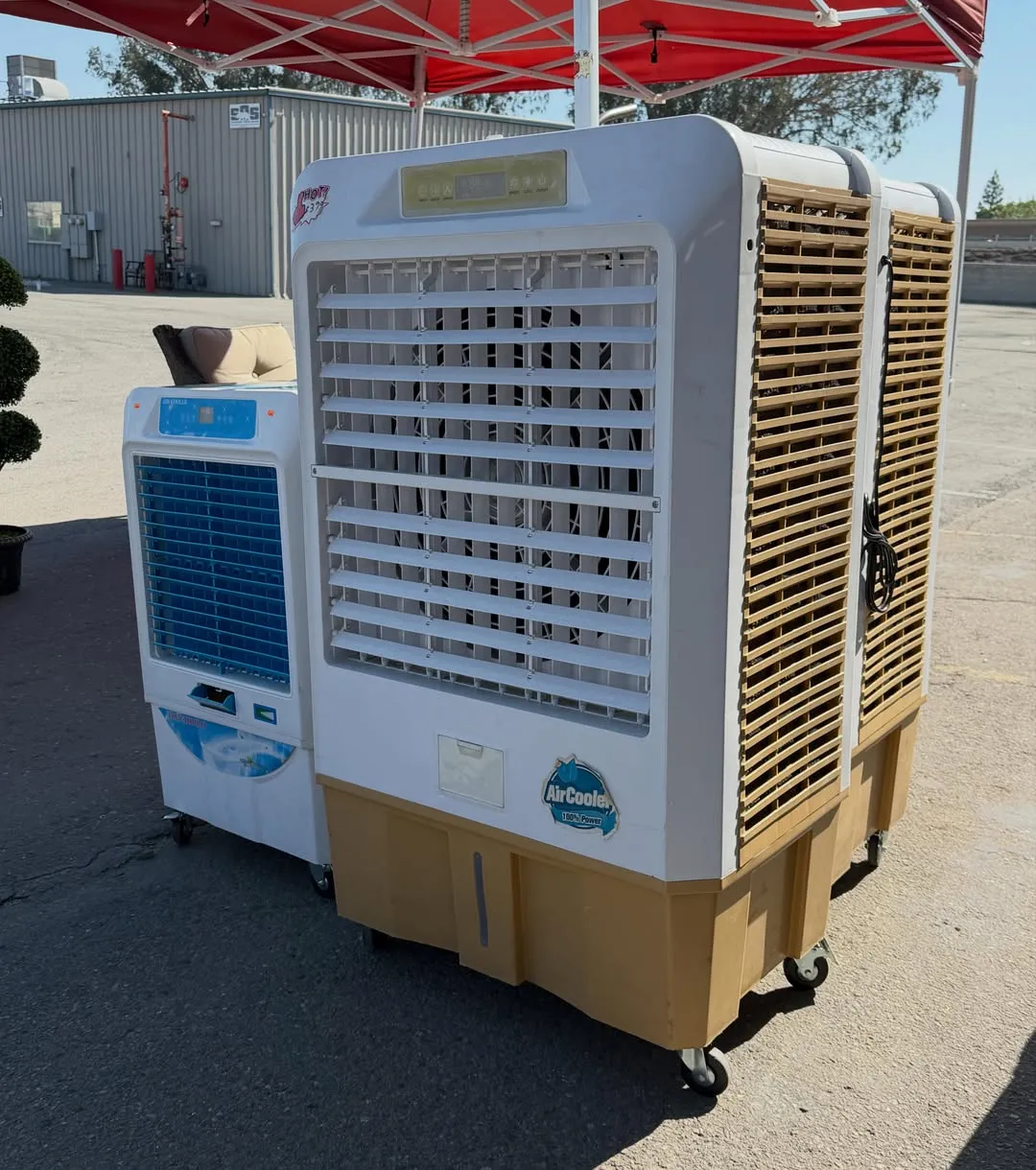
In hot, dry climates, evaporative coolers cool air by pulling it across water-saturated pads. They cost less to buy than an air conditioner and use far less electricity since they don't rely on a compressor. They only work well in low-humidity regions and add moisture to the air, which makes it unfit for homes with high humidity.
5. Ductless Mini-Split Systems
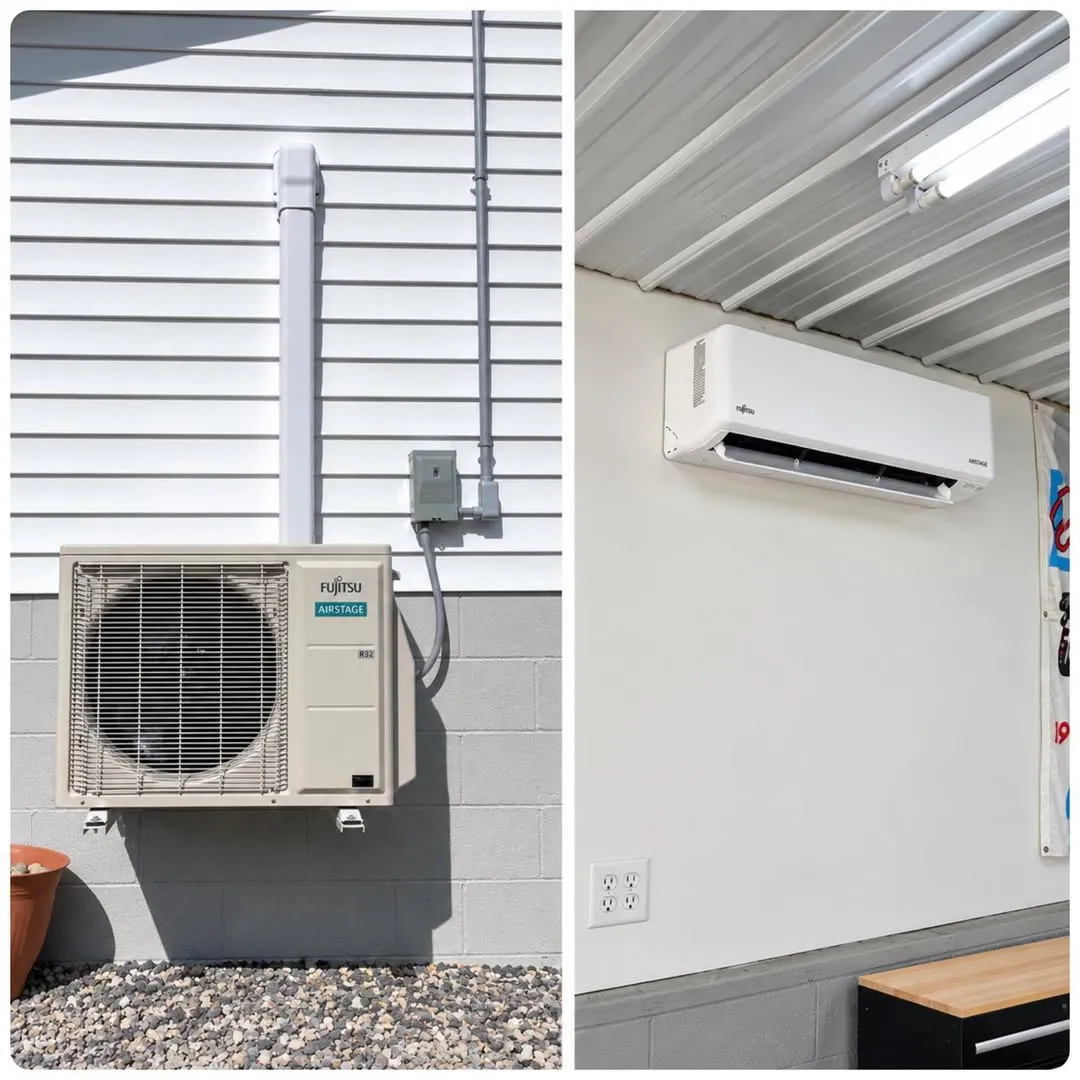
Mini-splits usually cost a total of $2,000 to $8,000, more than a window unit upfront. What makes them competitive is efficiency: most users prefer inverter-driven compressors that adjust speed instead of switching fully on and off, which help cut down on energy use by 30% to 40% compared to older systems. They also double as heat pumps, providing both heating and cooling, and need no ductwork, which makes them a strong option if you're weighing them against a full HVAC replacement for new construction.
6. Central Air Conditioning
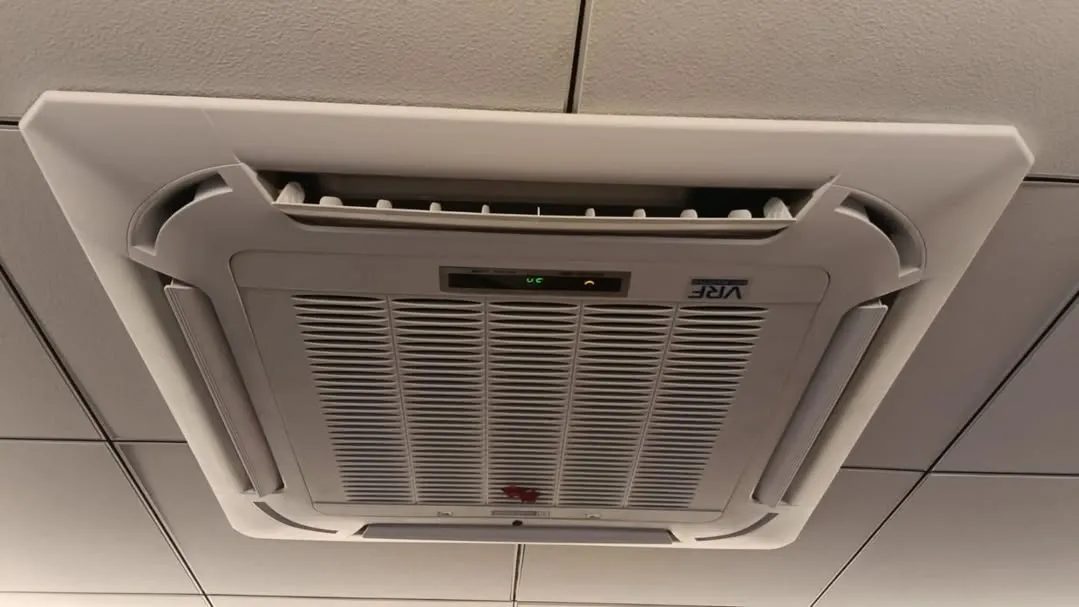
Central AC is the most expensive option upfront, generally $3,800 to $12,000 depending on home size and whether ductwork already exists. It becomes the most cost-effective choice once you're cooling an entire home with three or more rooms, since it runs on a single efficient compressor instead of several smaller, less efficient units. Central air also tends to add resale value, with estimates suggesting a 5% to 7% bump compared to homes without it.
Upfront Cost vs. Long-Term Running Cost
When comparing both the cost, simply going by the search result of "cheapest cooling system" can go wrong. This is because the sticker price doesn’t give the complete information. A window AC might cost $300 to buy, but running two or three of them all summer can compete or even exceed the electricity consumption a single mini-split or central system would use to cool the same square footage. Window units also have shorter lifespans, often needing replacement every 8 to 10 years, while mini-splits and central air often last 15 to 20 years with regular maintenance.
A useful rule of thumb: if you need cooling for under three years, or you're renting and can't install anything permanent, the cheapest upfront option wins. However, when planning to stay put for five years or longer, a mini-split or central system instead is the best option.
How to Cut Cooling Costs Further?
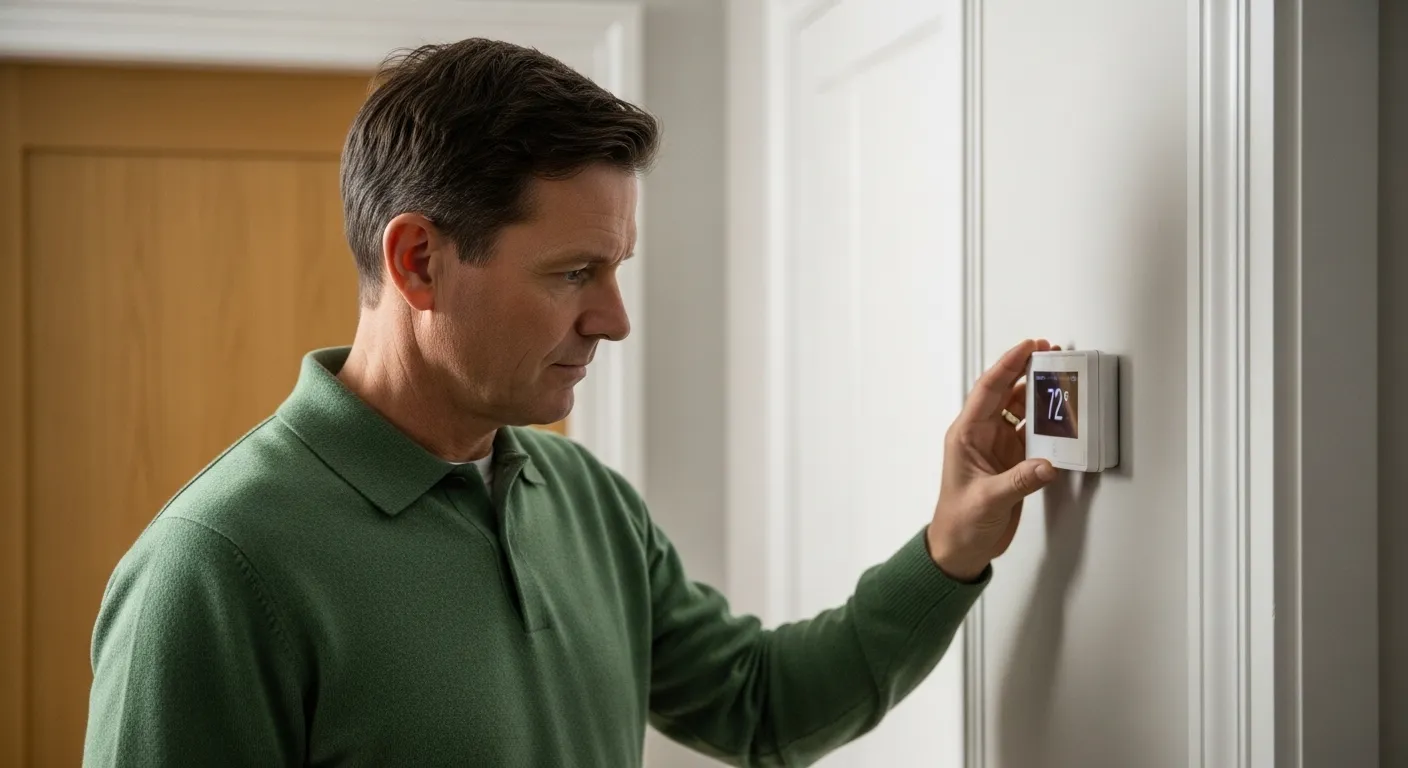
- Set your thermostat a few degrees higher and let a fan handle the rest of the comfort gap.
- Close blinds or curtains during peak sun hours to reduce heat gain.
- Keep vents and returns unblocked so your system isn't working harder than it needs to.
- Schedule annual maintenance because a dirty filter or low refrigerant can quietly spike your energy bill.
- Check SEER2 ratings before buying, higher-rated units cost more upfront but save on electricity over time.
Which System is Actually Right for Your Home?
If you're cooling a single bedroom or apartment, a window AC or a couple of well-placed fans will get the job done without a big investment. If you're cooling a whole house for the long haul, a mini-split or central air system can cost less per year, but, depending on the electricity use. Though the upfront figures of the mini-split or central air system looks bigger. Climate matters too as the dry regions can lean on evaporative coolers, while humid areas need a true air conditioner or heat pump.
For a deeper look at full heating and cooling setups, see our guide to the best home heating and cooling systems.