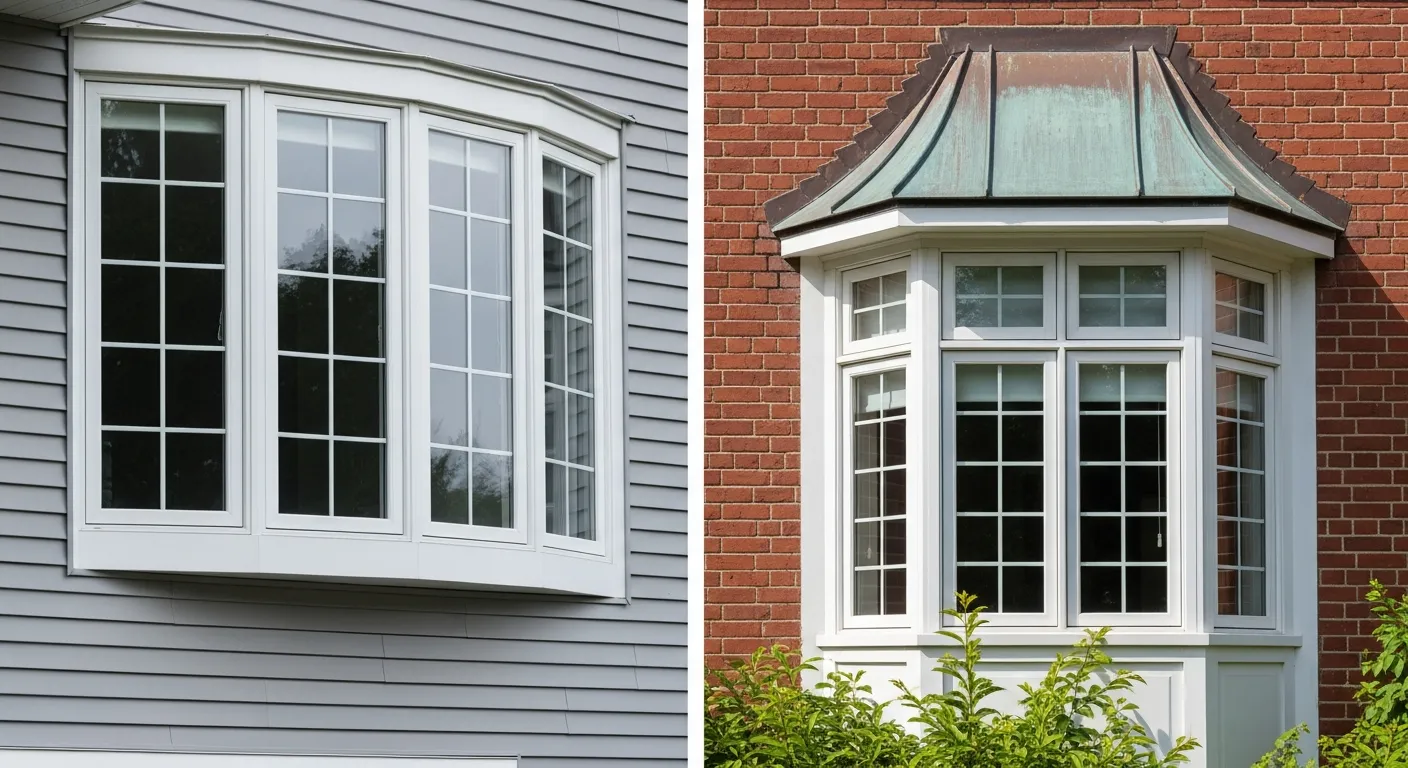

Windows can account for a noticeable share of unwanted heat loss in winter and heat gain in summer. Replacing them may improve efficiency, but it’s also one of the more expensive home upgrades. Well-fitted curtains, effective seals and sensible shading habits offer a more affordable place to start. These measures limit drafts and slow heat transfer, helping heating and cooling systems maintain a comfortable indoor temperature with less work.
How Glass Windows Leak Thermal Energy
Glass transfers heat more readily than an insulated wall. During cold weather, indoor warmth moves toward the cooler glass and escapes outside. Direct sunlight reverses the problem in summer, heating rooms and increasing the demand on air conditioning.
Air leakage around movable window parts can add to these losses. According to guidance on windows and energy bills, drafts and inefficient glazing can have a meaningful effect on household energy use. Check for unusually cold glass, moving curtains or noticeable temperature changes near a closed window. These signs help distinguish a window problem from wider issues such as poor wall or roof insulation.
Trapping Air with Proper Window Sealing
A window treatment creates an insulating pocket of air between the room and the glass. For the best results, curtains should sit close to the wall, extend beyond both sides of the frame and reach the sill or floor. Thin decorative panels may soften a room visually, but lined fabrics usually provide better thermal protection.
Accurate sizing matters because exposed edges allow warm or cooled air to circulate behind the fabric. Homeowners who need coverage for unusually wide, tall or uneven openings may find made-to-measure curtains more practical than standard sizes. For another layer of protection, pair curtains with a fitted blind. Close both layers overnight during winter, then open them when sunlight can warm the room.
Eliminating Gaps Around Window Frames
Curtains can reduce heat transfer through glass, but they can’t fully compensate for gaps around the frame. Inspect the perimeter on a cool or windy day. A slowly moving tissue can reveal small drafts that are difficult to feel by hand.
Replace worn weatherstripping on opening sections and use an appropriate sealant for stationary cracks between the frame and surrounding trim. Before applying anything, clean the surface and remove loose material so the new seal adheres properly. Avoid blocking drainage openings built into the frame.
If condensation appears between panes, the sealed glazing unit may have failed. Persistent moisture around the wall, soft timber or staining also deserves professional attention because it may indicate water intrusion, not ordinary air leakage.
Smart Daily Habitation and Shading Routines
Window coverings work best when their position follows the weather and time of day. On sunny winter mornings, open curtains on sun-facing windows to collect free warmth. Close them before dusk so that heat stays inside after outdoor temperatures fall.
During hot weather, close coverings before direct sunlight reaches the glass. Exterior shading is particularly effective, though indoor blinds and lined curtains still reduce solar heat entering a room. This overview of energy-efficient window coverings explains how options such as cellular shades, drapes and reflective treatments manage heat.
Keep curtains clear of radiators, vents and temperature controls. Blocked airflow can cause a heating or cooling system to run longer while leaving the room less comfortable.
Better window treatments can lower energy use when they fit closely and are opened or closed at useful times. Start with the rooms that feel hottest in summer or coldest in winter, since those windows are likely to offer the clearest comfort improvement.