Art Deco interior design originated in France and spread across Europe and America in the early 20th century. This design included various accessories in geometric shapes, rich materials, bold colors, and striking metallics. Though it was once a not-so-opt choice, it has made a comeback.
Interior designers and home decorators began finding ways to reinterpret Art Deco’s signature elements, making it feel more modern than dated. If you want to add a bit of Art Deco to your home, this blog can help you understand the motifs, materials, elements, and more.
What is Art Deco?
Art Deco originated in Paris and is characterized by sleek, anti-traditional elegance, wealth, and sophistication. It was heavily influenced by the Cubist movement, while favoring clean geometric shapes and precise contours. All these, along with innovative, high-end materials, formed the foundation of the Art Deco style.
Designers often highlighted the style with rich, contrasting color choices, which contributed to the space's bold, smooth look. The style has proven to be remarkably timeless, surviving and evolving through a century of shifting interior trends. It has surprisingly found its way back into mainstream culture time and again due to homeowners' fascination with clean layouts, simplicity, and bold colors.
History of Art Deco Style
Art Deco did not emerge from a single source. It was rooted in several art movements that defined Europe, including Dada, Futurism, and Cubism. This style was shaped by schools of design and architecture, spanning Art Nouveau to Bauhaus. Figures such as Le Corbusier, Ludwig Mies van der Rohe, and Hilyard Robinson were among those who influenced the movement.
In architecture and the decorative arts, Art Deco reflected the era’s deep investment in machine-age modernity. This was also the period of the Roaring Twenties, the Jazz Age, and Prohibition. The defining characteristic of Art Deco was its admiration for the machine and for the design qualities of machine-made objects, thereby highlighting the movement’s larger enchantment with modernity.
Art Deco was close to the rejection of the fussy Baroque style that was trending in the past. Deco, as an aesthetic, was more about reflecting a rapidly changing world; it mirrored cars, airplanes, radios, factories, and other machinery. The style expressed an optimistic embrace of a future that had already arrived. This was unlike American futurism of the 1950s and 1960s, which carried the anxious undertones of the nuclear age.
What Are the Key Characteristics of the Art Deco Accessories?
Here are some well-known characteristics of Art Deco accessories -
Geometric Shapes
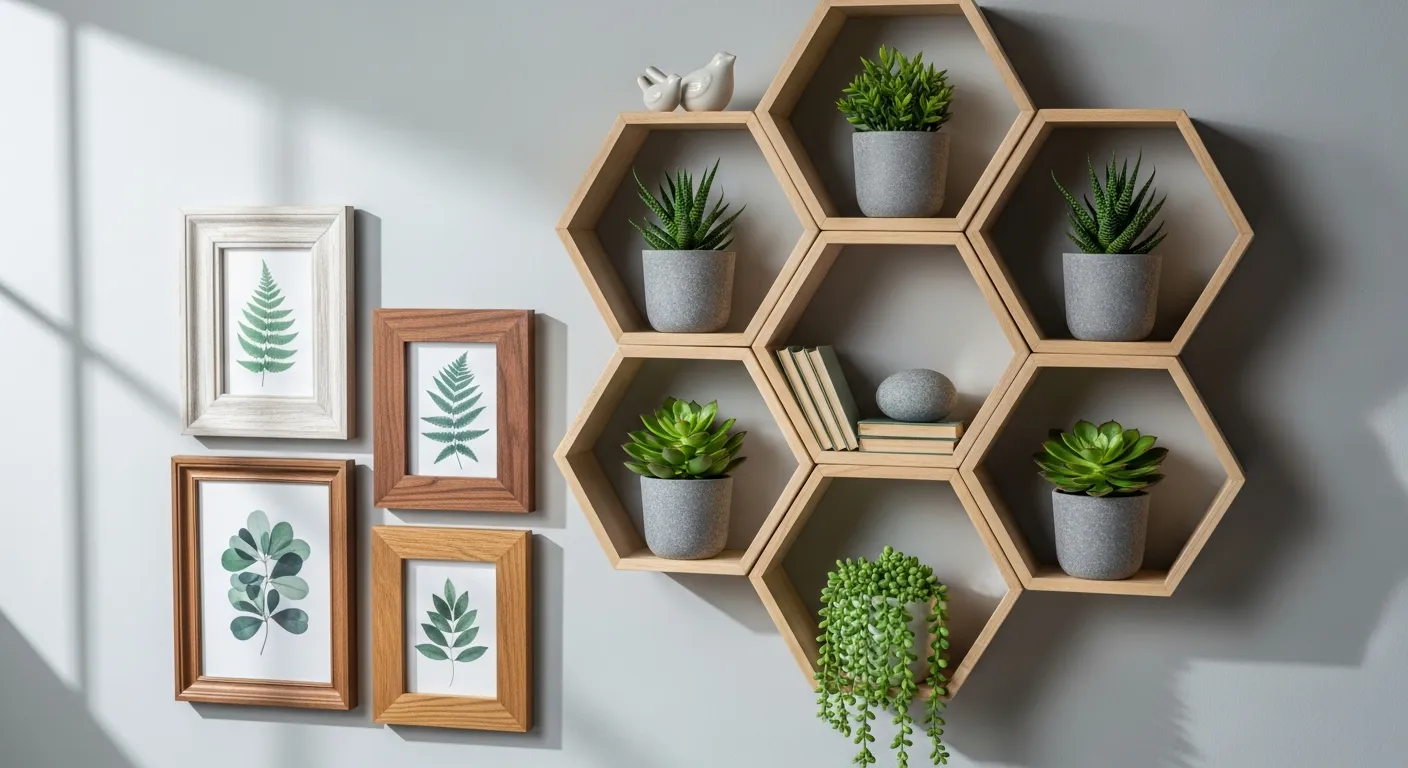
Art Deco is known for its distinct way of incorporating sleek, futuristic geometric shapes. Furniture and decorative pieces are meticulously crafted using exotic woods, premium materials, and lacquer. This craftsmanship involves careful inlays of woods, such as Macassar ebony, zebrawood, and rosewood.
The pieces are often lacquered using the Japanese lacquer technique to achieve a rich and dazzling gloss. The finished result brings together geometric designs including zigzags, animal forms, stars, sunbursts, and floral patterns. All of this adds visual depth and a strong sense of luxury to an interior.
Upholstery and Seating
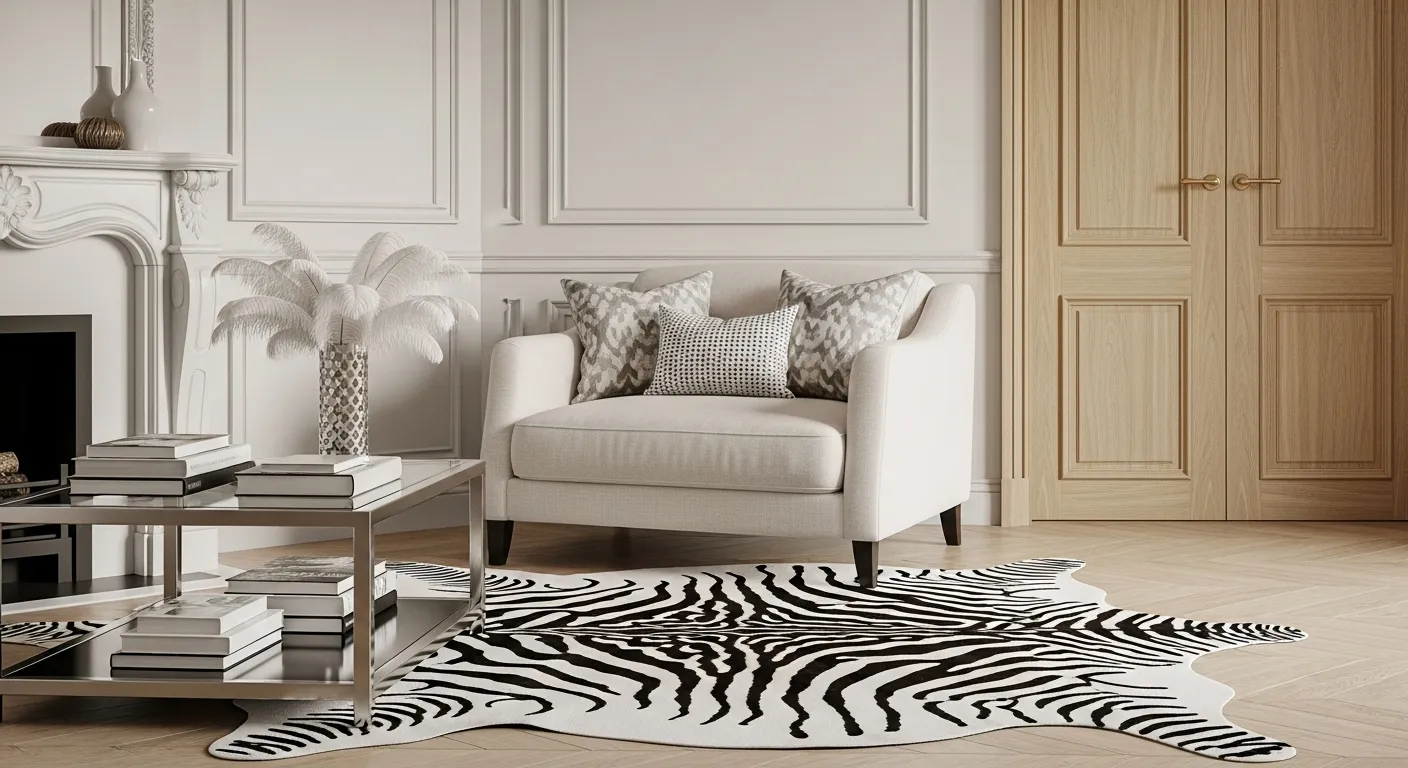
Another interesting and unique feature of Art Deco design is the use of shagreen, including snake, shark, and zebra skin, applied to the furniture, seating, and other common household items. When it comes to Art Deco seating specifically, the standard elements include fur, animal hide, and serpent skin upholstery, chrome or yellow zinc-plated stainless steel, veneered or lacquered wood, and geometric curves.
All these elements can be incorporated in lounge chairs, dining chairs, and armchairs. A well-known example is the French Club chair, an upholstered piece with a stainless steel base that replaces conventional armrests with either aerodynamic or flat curves.
High Contrast Color Palette
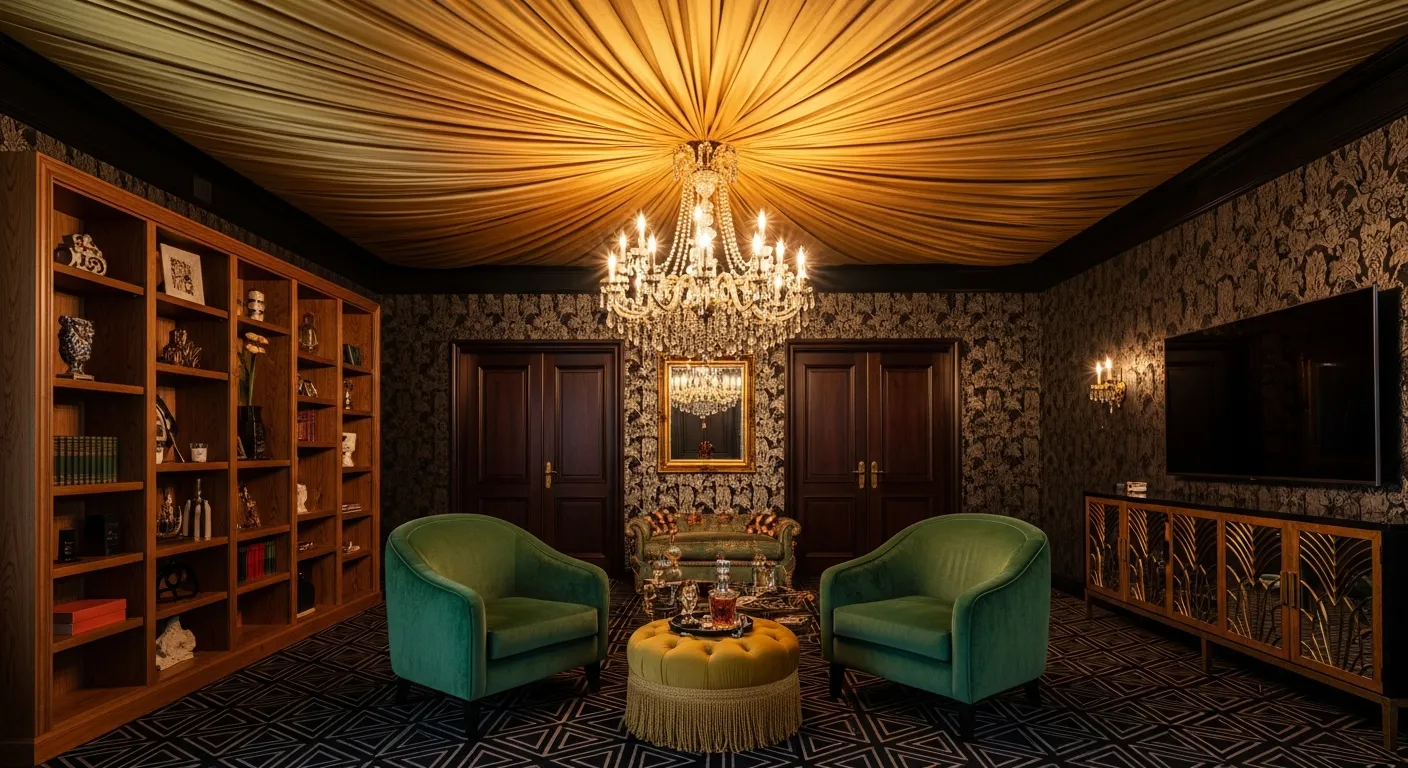
For a clear visual introduction to Art Deco design, homeowners can look into films such as “The Great Gatsby” and “The Grand Budapest Hotel”. These films can be referred to understand the idea of a high contrast color palette. In these movies, you can find sharp contrasts of black and white, elegant silvers and lavish golds, deep yellows and soft blushes, and bold jewel tones. This contrast resembles the essence of art deco aesthetics.
Mirrors as Statement Accents
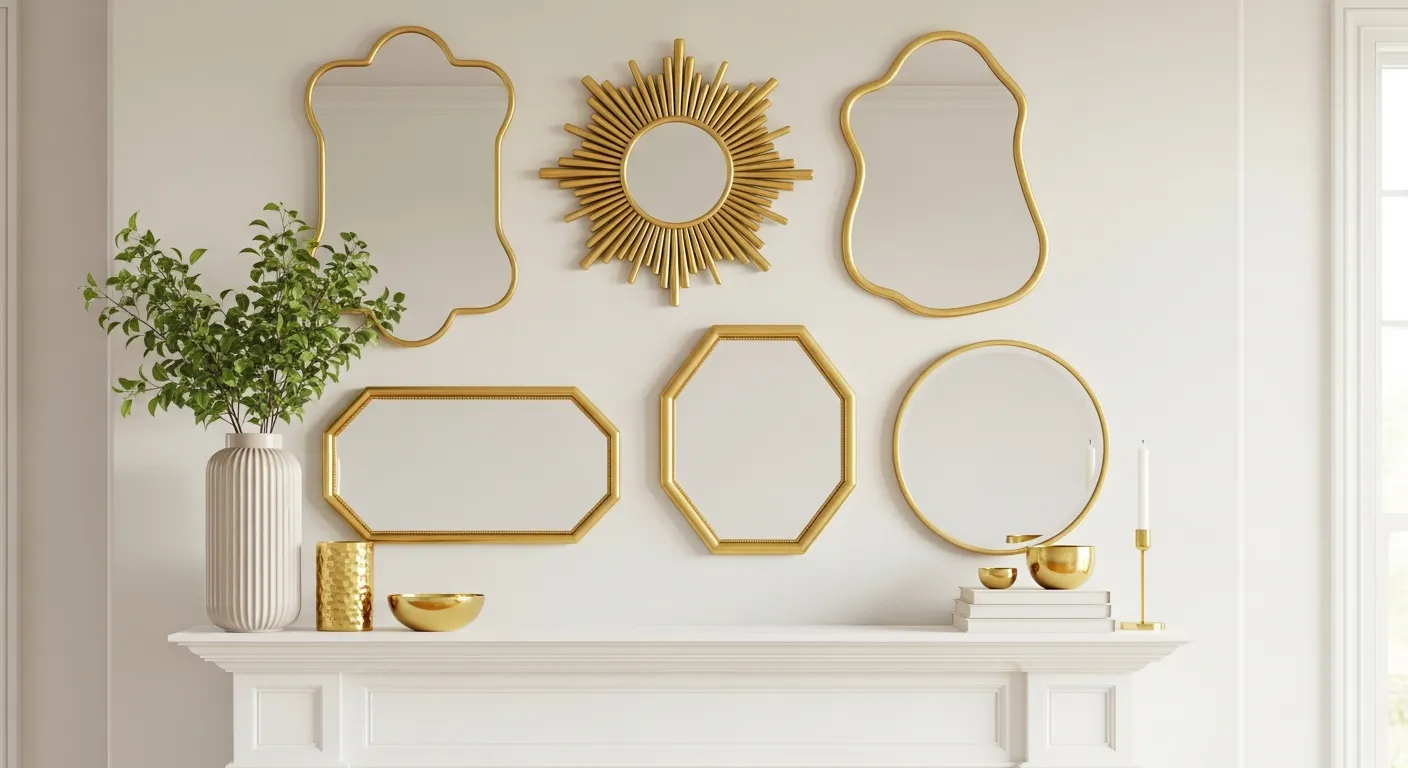
Mirrors are a prominent choice when it comes to impactful accents in an Art Deco space. Mirrors reflect their surroundings and can turn any underused wall into a visually appealing surface. This also offers functional uses. Frameless mirrors offer a sleek, refined look, though a mirror with an intriguing frame might make a visual statement. Pairing statement mirrors with decorative curtains in rich fabrics or bold patterns can further enhance the luxurious character of an Art Deco-inspired room.
For those drawn to a more glamorous moment, a lighted mirror or lighted medicine cabinet works particularly well. Adding a soft halo of light around the perimeter adds both flair and functionality to the decor.
Art Deco Accessories You Can Choose
Here are certain accessories that make your home look like Art Deco -
Add a variety of Hardwares
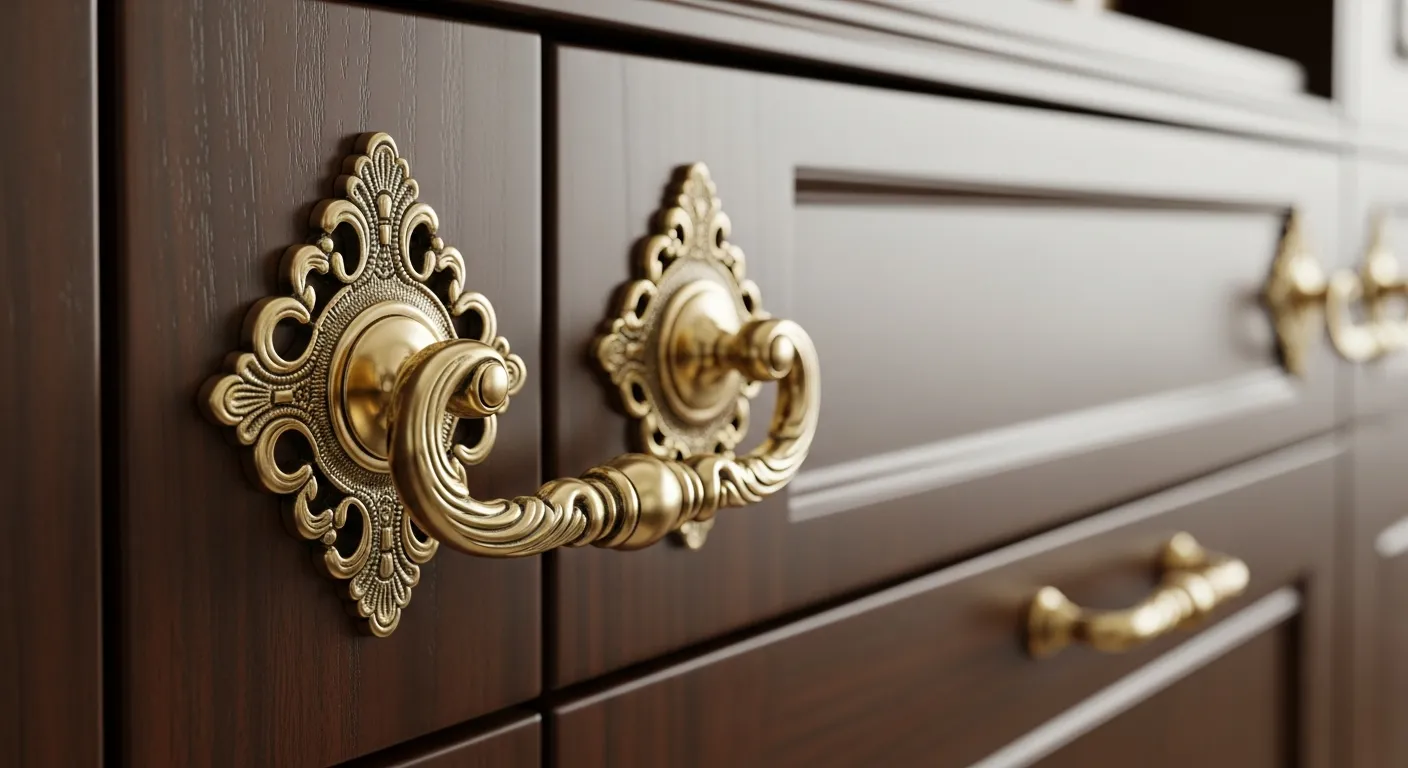
Cabinet hardware comes in a wide range of luxurious options, and therefore is often referred to as the “jewelry of the home.” So, adding these small details is considered one of the most effective ways to turn large built-ins and furniture pieces into proper statement pieces.
Consider Lighting
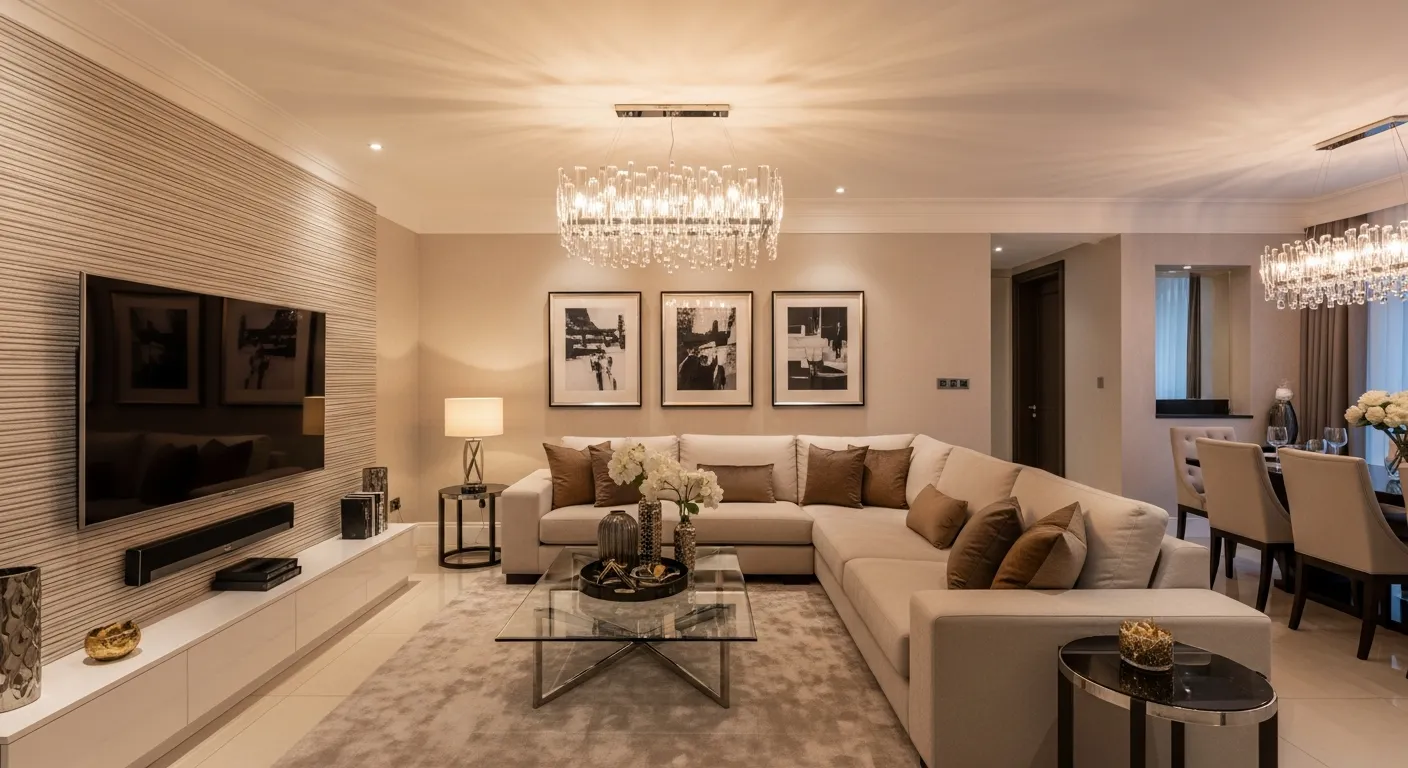
Lighting fixtures are one of the interesting and visually striking ways to introduce Art Deco into a home. For bedrooms, incorporating bedroom lighting ideas that feature geometric shapes, metallic finishes, or glass shades can reinforce the glamorous character of the Art Deco style. Make sure they resemble or look somewhat like they belong to that period. These fixtures are recognized for their geometrical and symmetrical patterns. Also, they often feature three common design elements, such as:
- Clean aerodynamic modern lines and silhouettes with minimal detailing.
- Shades made of etched glass or chrome with stepped or elongated shapes that represent skyscrapers.
- Shades with fanned-out shapes that obscure the bulbs.
Choose Vibrant Colors
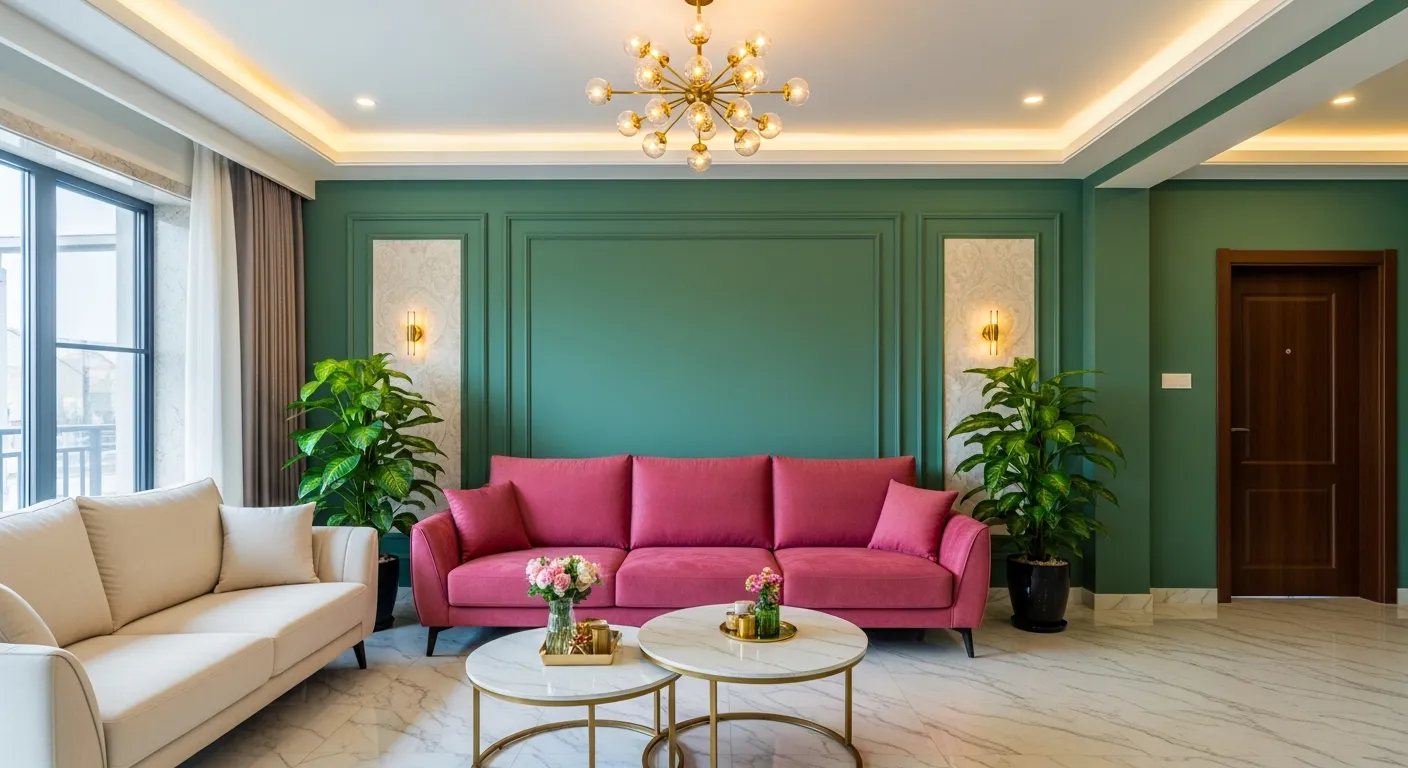
Jewel tones such as lapis lazuli blues, emerald greens, and deep raspberries convey luxury and work well alongside the gold and silver metallics central to Art Deco style. Color can be introduced through paint, furniture, decor, and art, or through smaller accents like a flower vase or coffee table book placed throughout the space.
Focus on the Hardware and Fixtures in the Kitchen
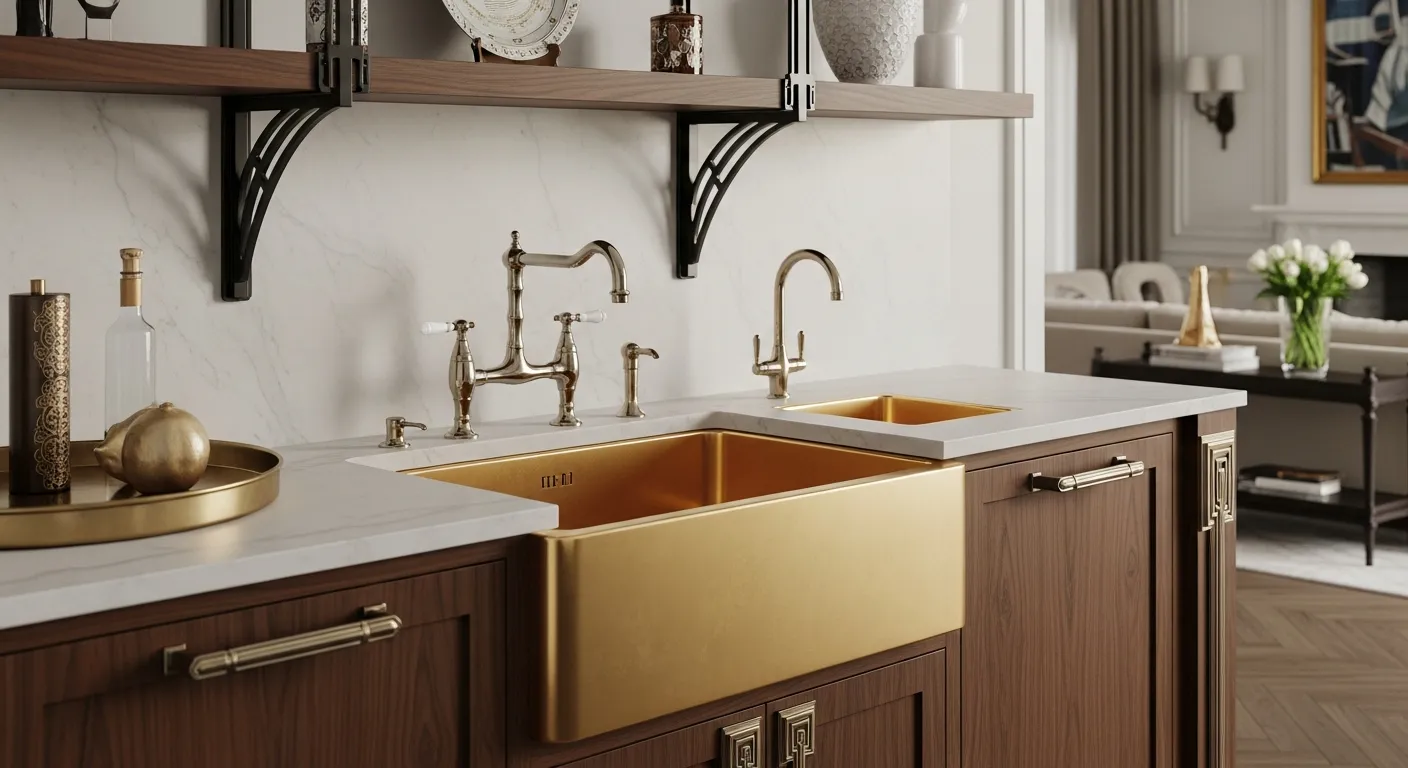
For those designing a wet bar, it is best to install a statement sink setup. Smaller bar faucets and prep sinks are available in striking styles, which can further complete the look of the space. Beyond the color palette, cabinet hardware offers an opportunity to display your love for Art Deco.
This can be used across cabinetry, whose finishing touches personalize the room and connect the open floor plans. If the kitchen includes open shelving, shelf brackets in Art Deco patterns provide another way to add style to the space.
Use Geometric Patterns
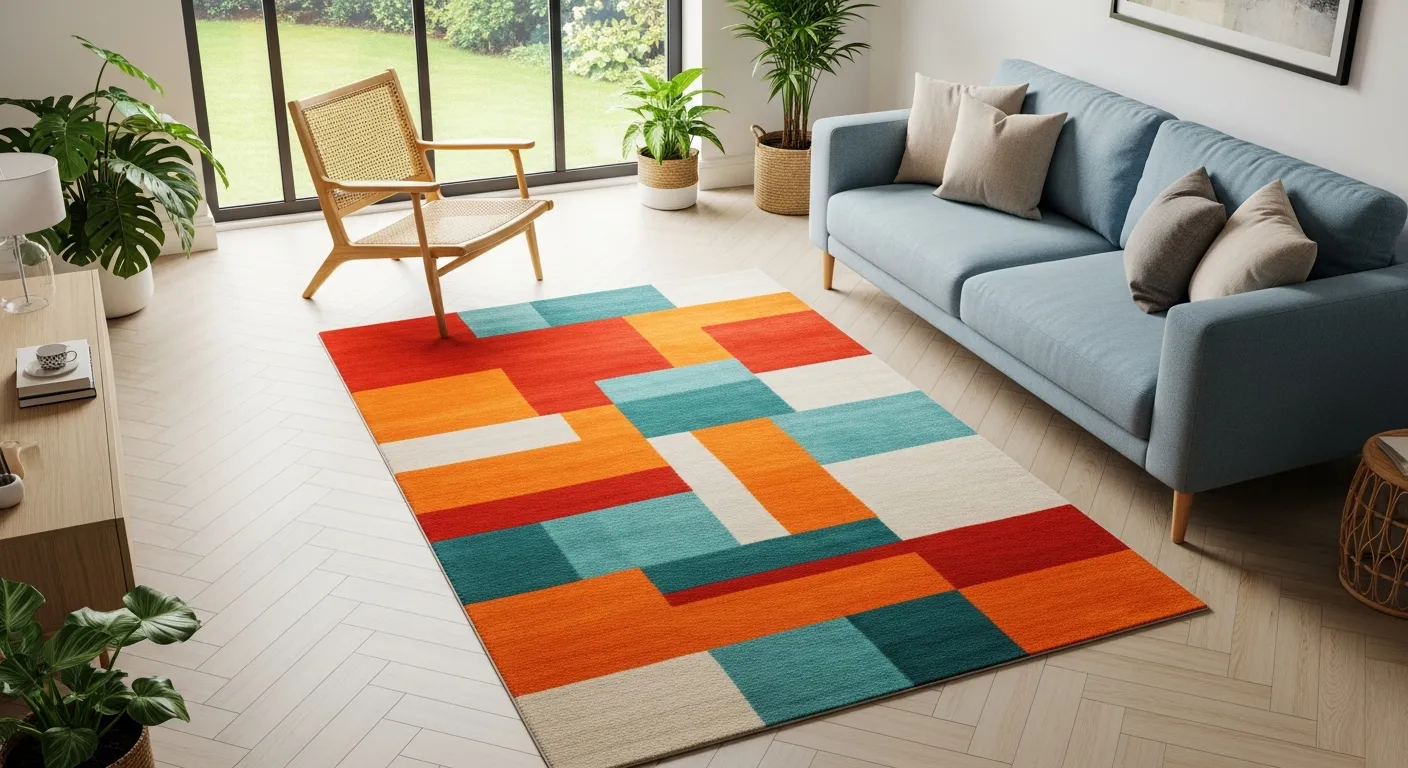
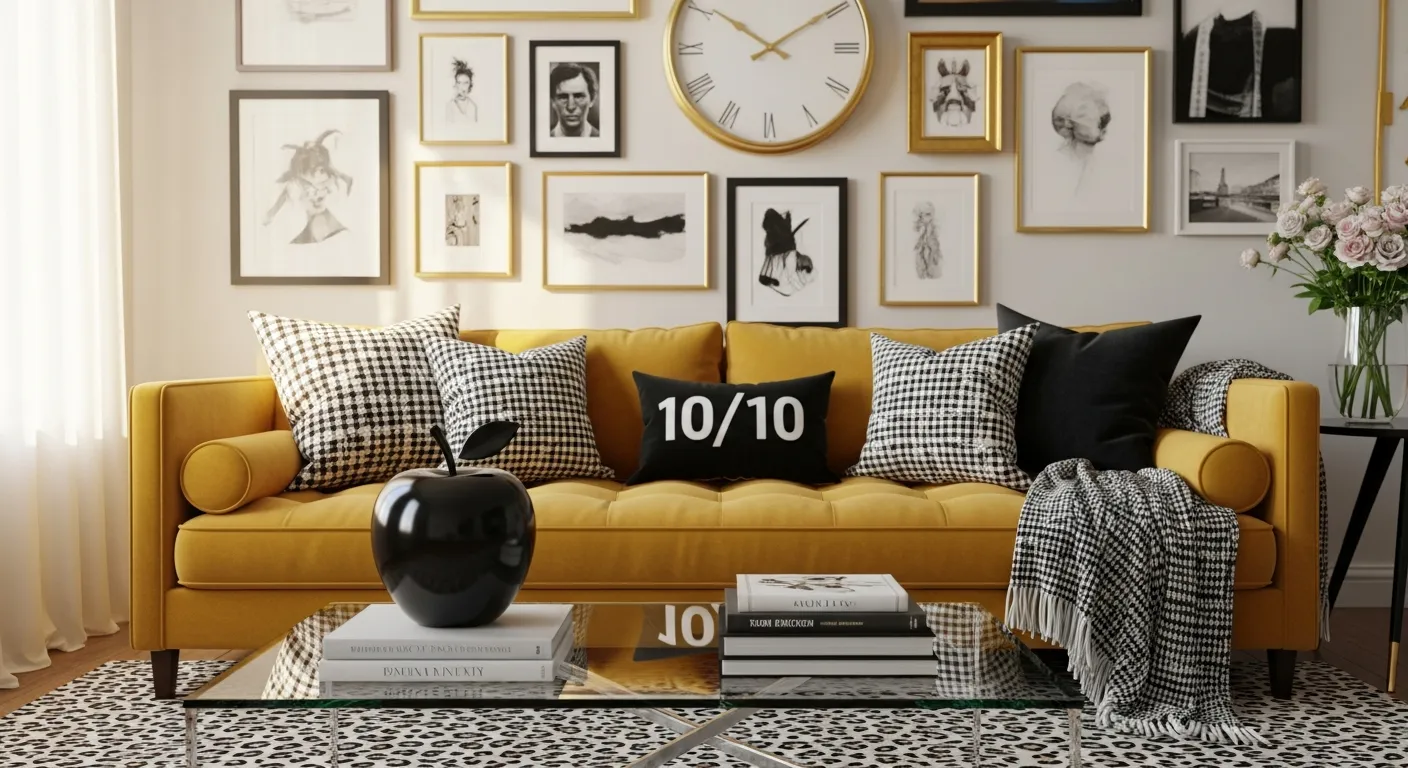
Zigzags, octagons, and triangular forms appear frequently in Art Deco design, and they can be introduced in multiple ways. While many choose geometric patterns on rugs or wallpaper to create a statement, others achieve it through pillows, wall art, or an armchair.
Incorporate Marble and Metallic Finishes in the Bathroom
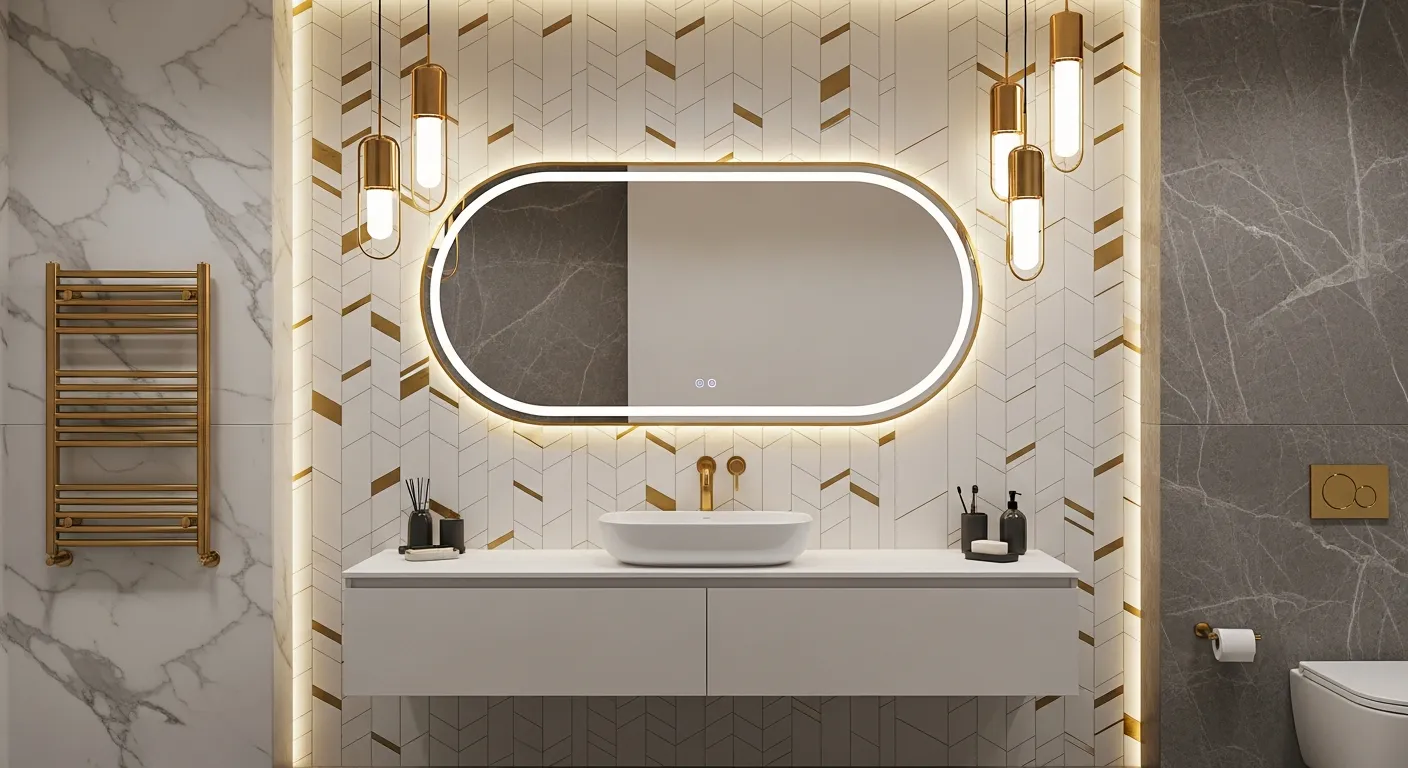
Complete the bathroom setup with a striking marble countertop or vessel sink, along with an eye-catching Art Deco mirror. Console sinks offer alternate ways to evoke the era while conserving space. The metallic surfaces throughout the bathroom can be used for contrast. Choosing lavish gold tones or sleek silvers in a bathroom collection stands out against its surroundings and helps unify the room through finish and silhouette.
Incorporate Arches
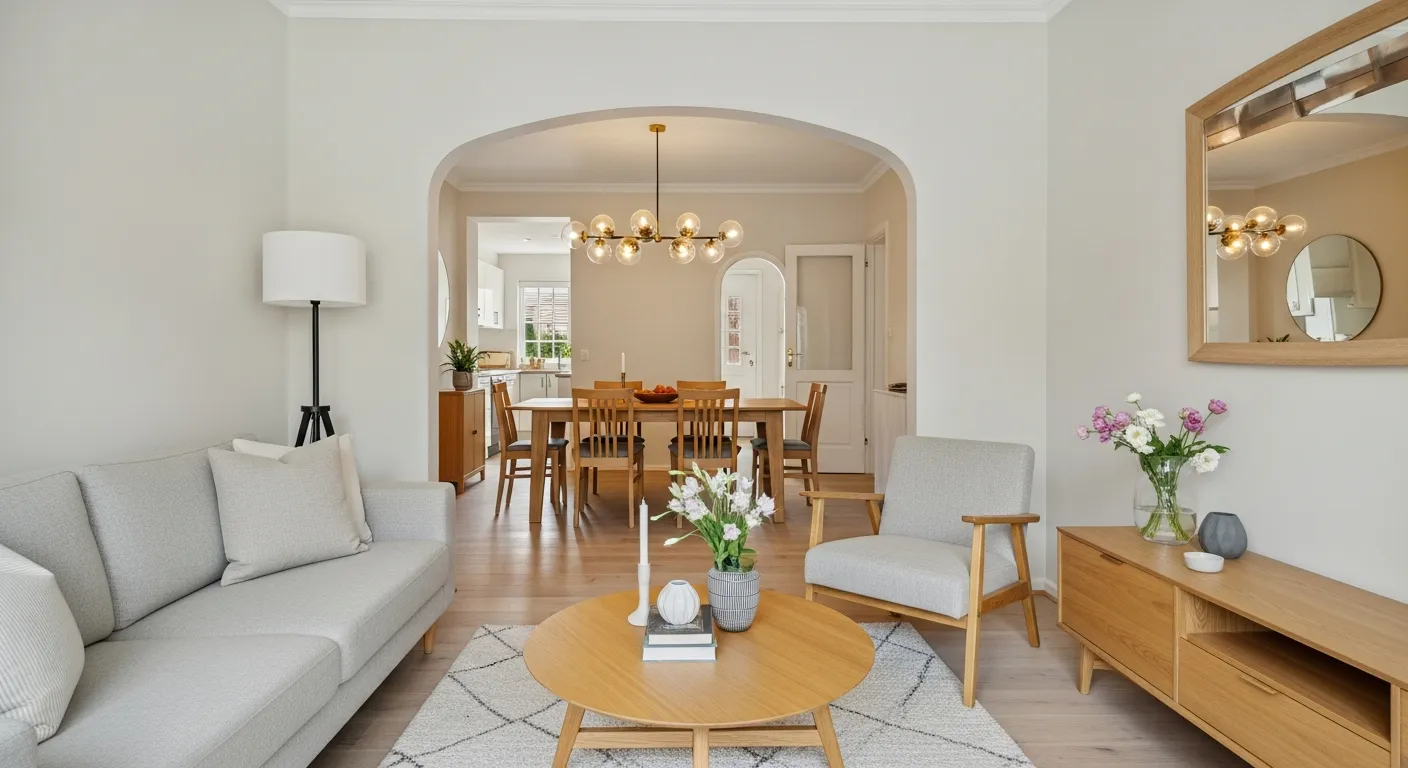
Arches provide a straightforward way to introduce a popular Art Deco element into an interior. Arches can be incorporated through a doorway, wall cutout, mirror, or wall art to add character to the space. When used correctly, they can also create the illusion of height.
Focus on the Flooring
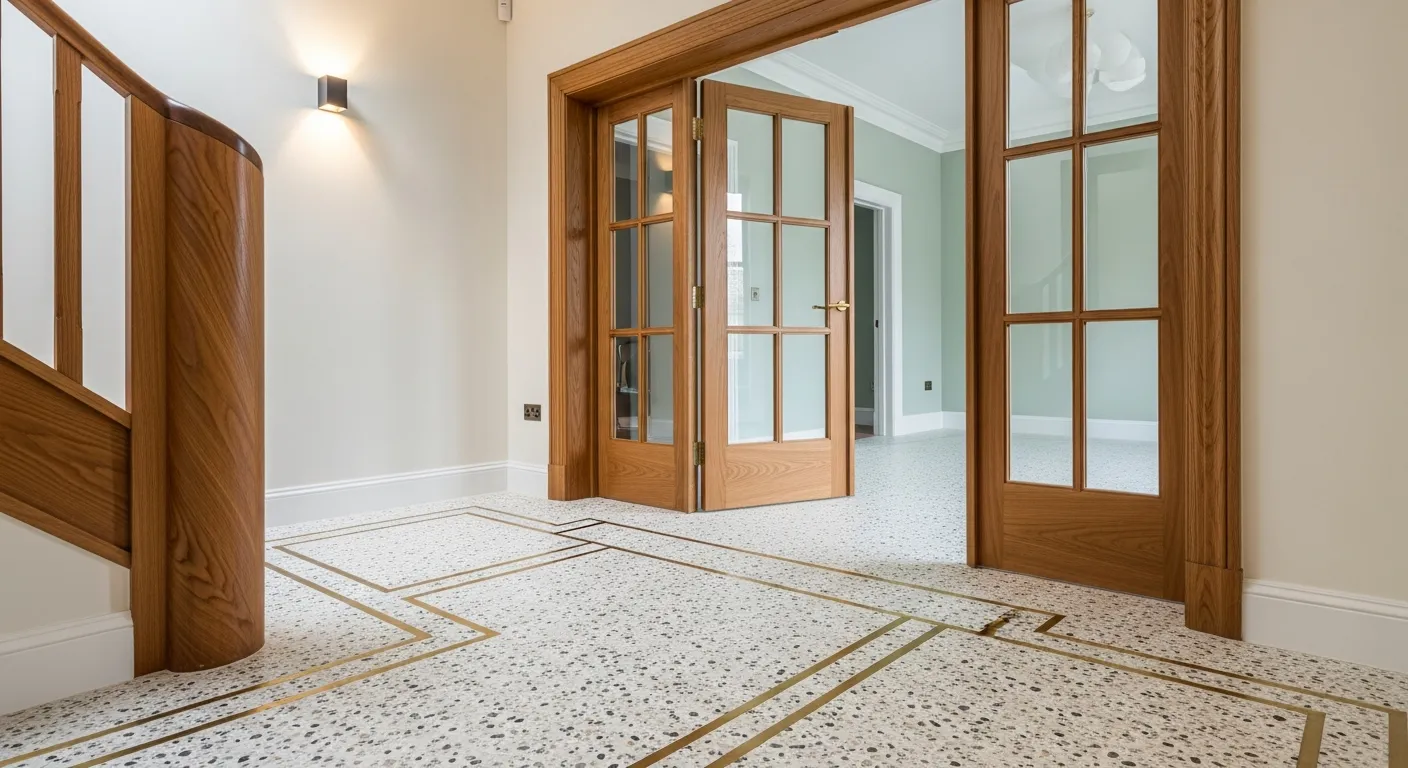
When incorporating Art Deco design, one effective strategy is to look at the grand public buildings of the period, such as banks and libraries, with elements like terrazzo floors, tray ceilings, and metal inlays to enhance the look. Once these more austere but visually striking elements are in place, it is best to add softer details and curved lines. This reflects two central principles, which are strong geometric patterns balanced with well-placed and curvilinear accents.
Add Glamorous Lighting
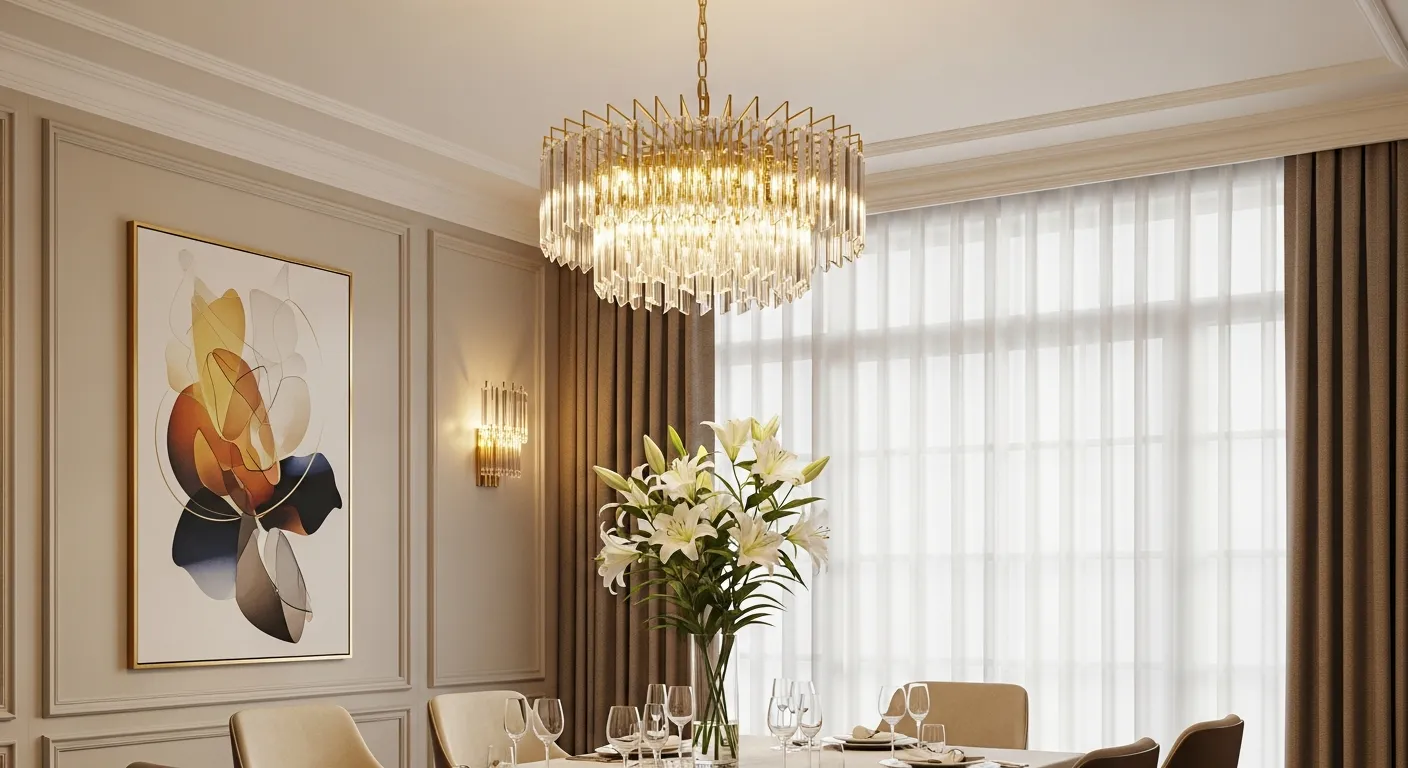
Art Deco centers on glamour, and one of the simplest ways to achieve this is through a well-chosen light fixture. This could be either in the form of a crystal chandelier or a classic wall sconce. The right combination of Art Deco light and design can add beauty to the space.
Opt for Chrome, Steel, Mirrors
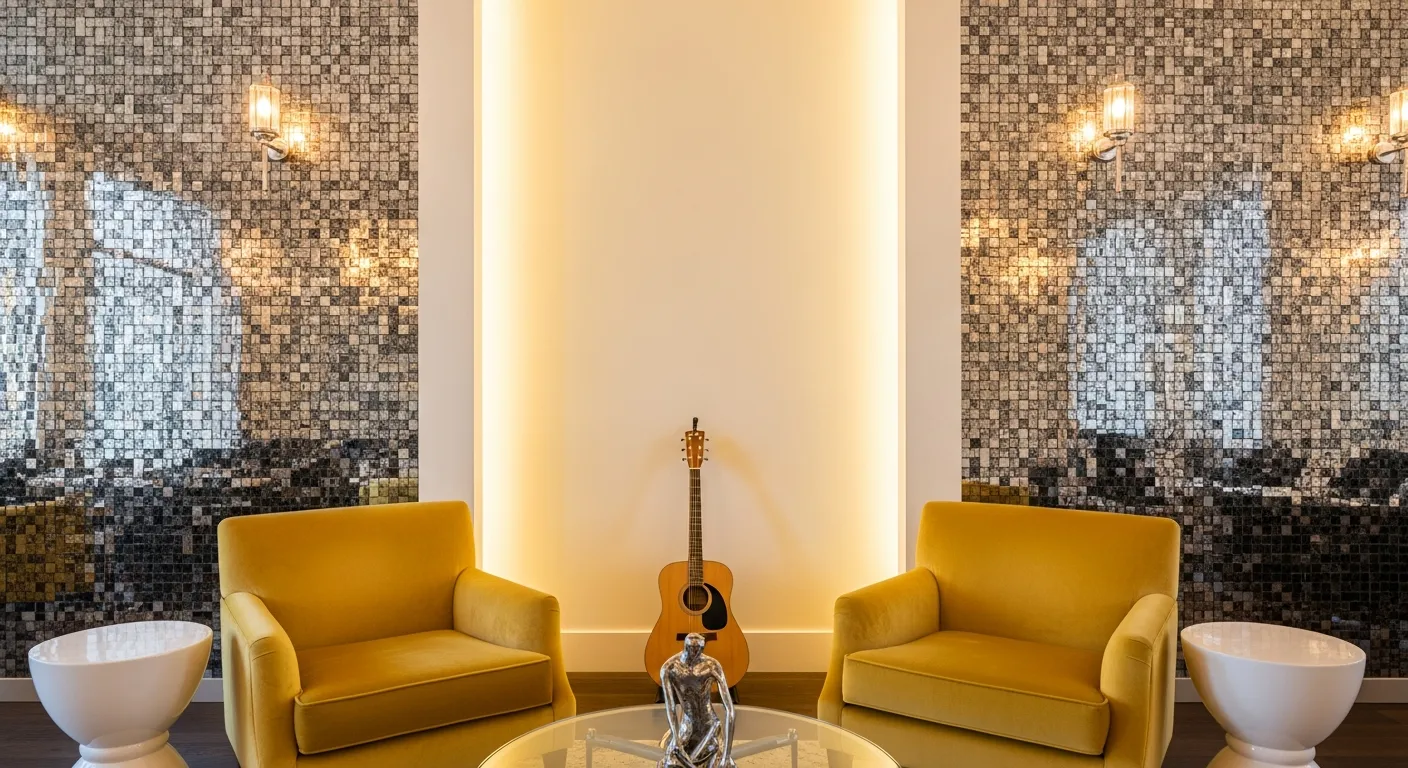
Chrome, gold, and mirrored surfaces often get associated with Art Deco. The lobby of the Chrysler Building offers an evident example of the drama and eccentricity of this style, which combines marble and metal and interlocking patterns. This particular element reflects the way Art Deco was embraced during the machine age.
The Chrysler Building itself is a tribute to the car empire, with its nesting crowns on the facade representing hubcaps. However, Art Deco also produces a different kind of drama through the light bouncing off shiny surfaces.
Incorporate a Flamboyant Headboard
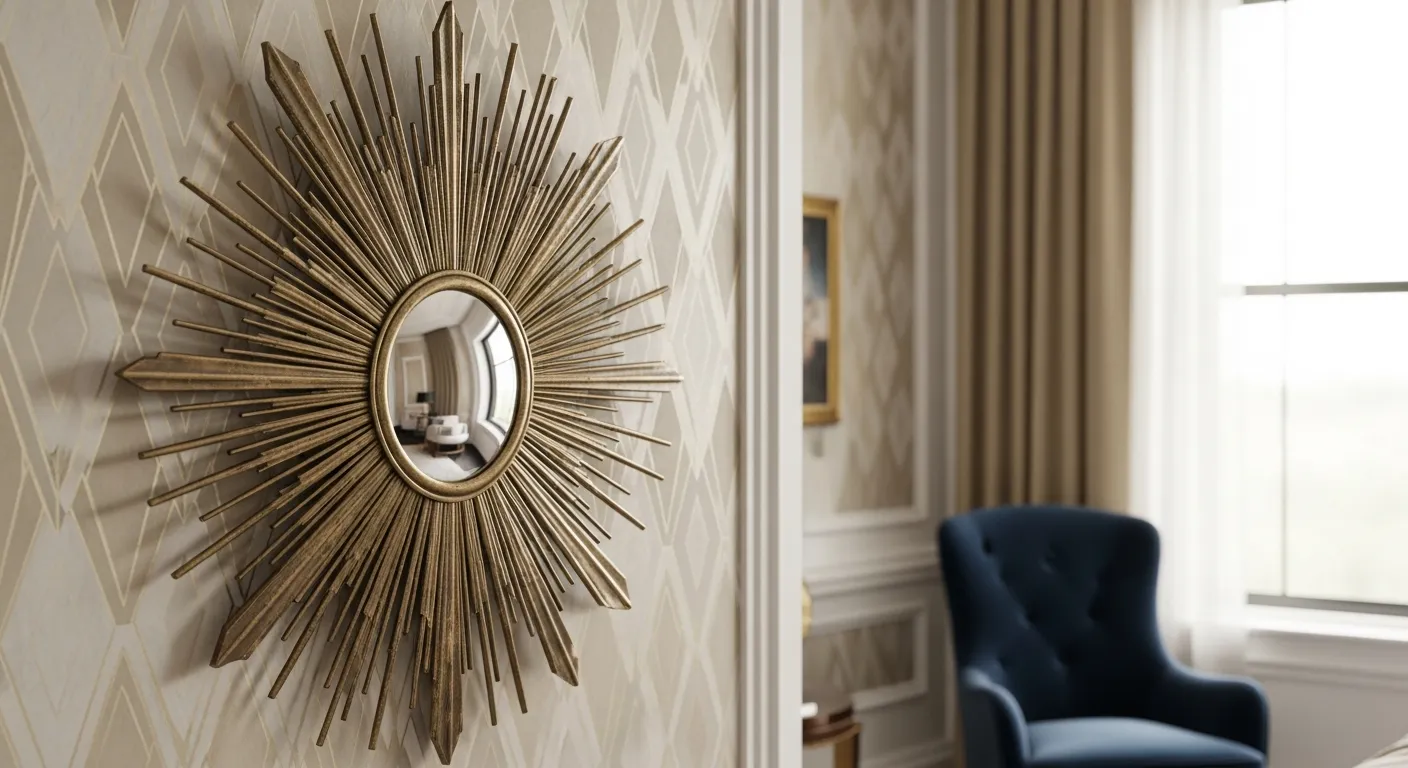
Sunburst-style decor appears frequently in Art Deco interiors. They can be seen in headboards, mirrors, and beyond. These pieces often feature metal sunbursts with a warm, antiqued finish that can brighten a bedroom or any other space quickly.
Choose Bold Rugs
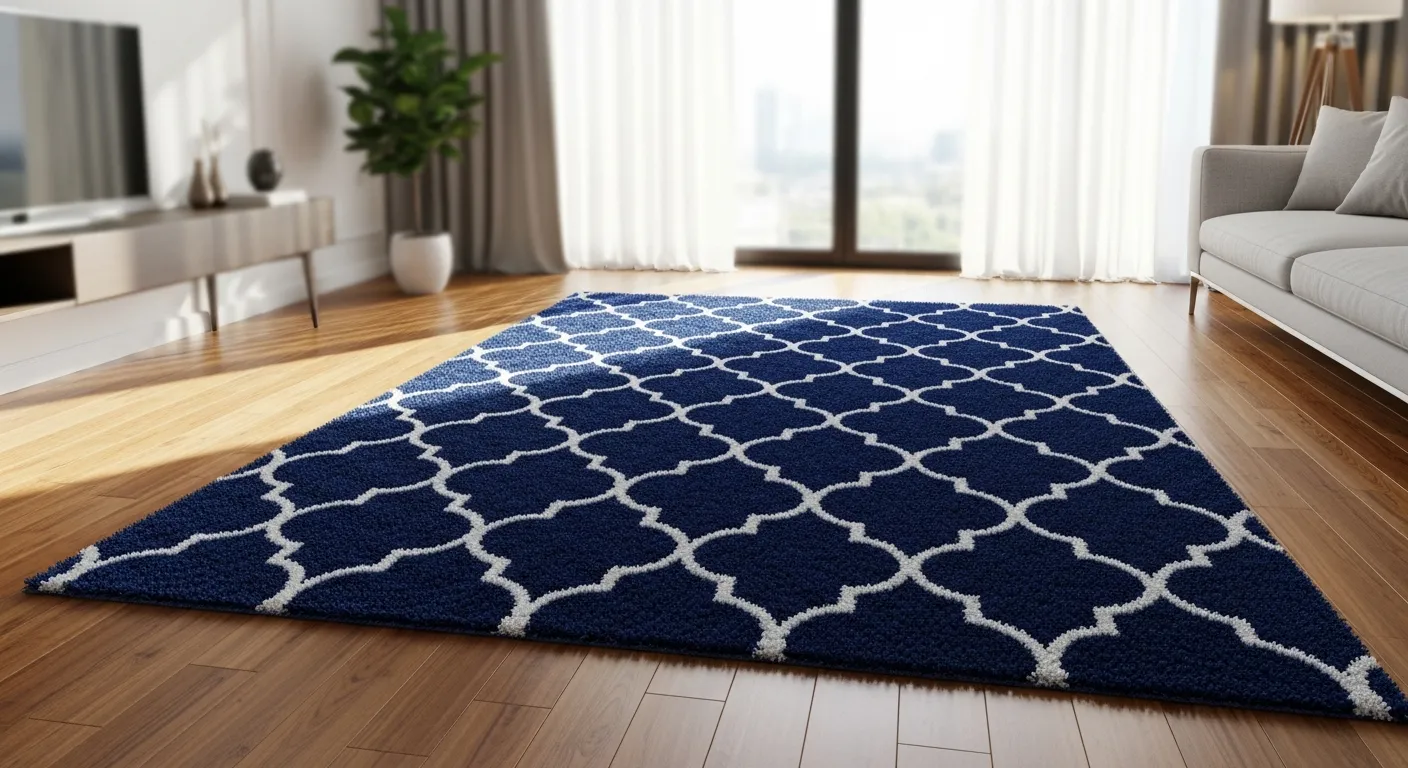
A bold rug can energize a space. Choosing stylish area rugs with striking trellis, geometric, or symmetrical patterns brings a sense of luxury to a room without requiring a significant investment.
Utilize Tile Designs
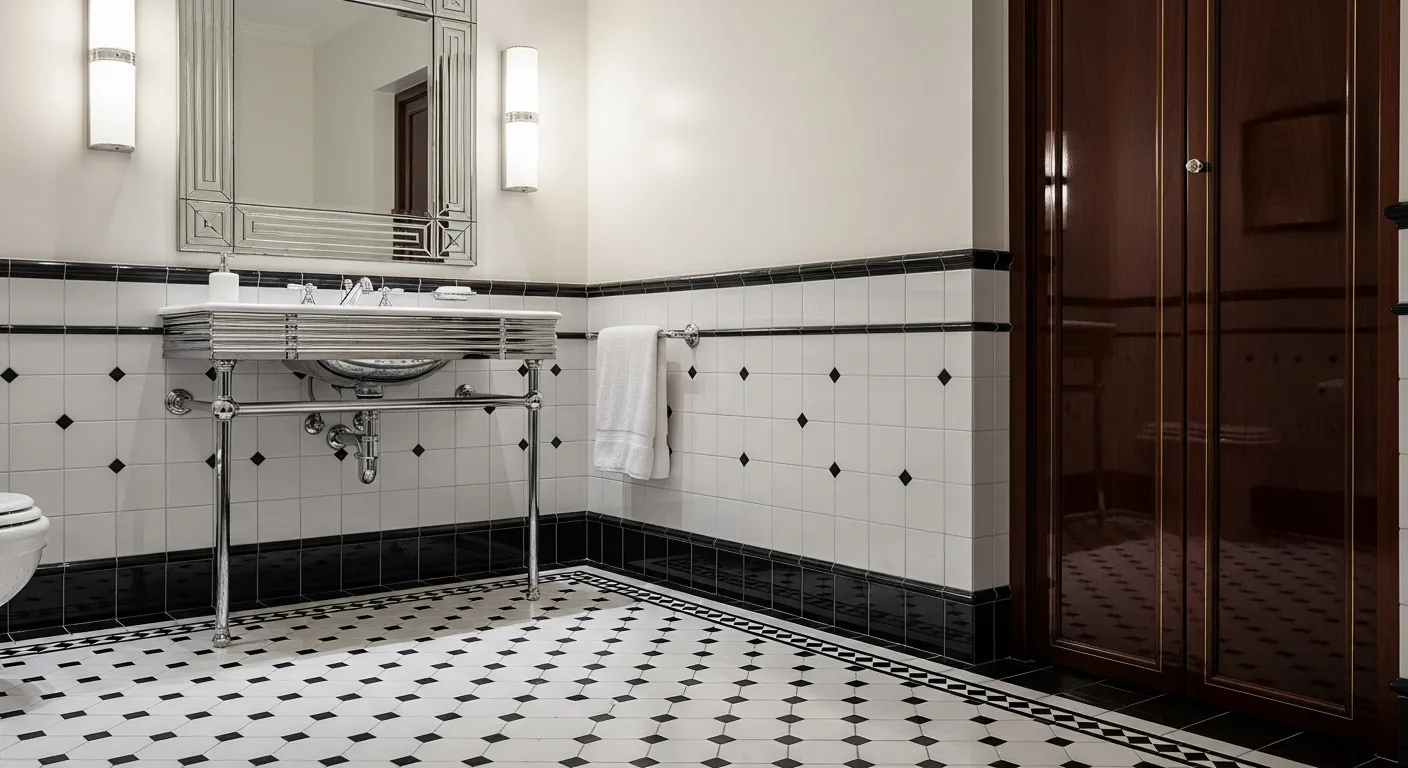
When designing a kitchen or bathroom with Art Deco in mind, it is important to choose the right tile. Classic shapes, such as octagon or diamond, are preferable more than the trendier shapes, and surface-level patterns like herringbone. If the right shape, color, and finish are selected for the tile, it can inspire other elements of the room to reinforce the Art Deco aesthetic.
Consider a Monochromatic Approach
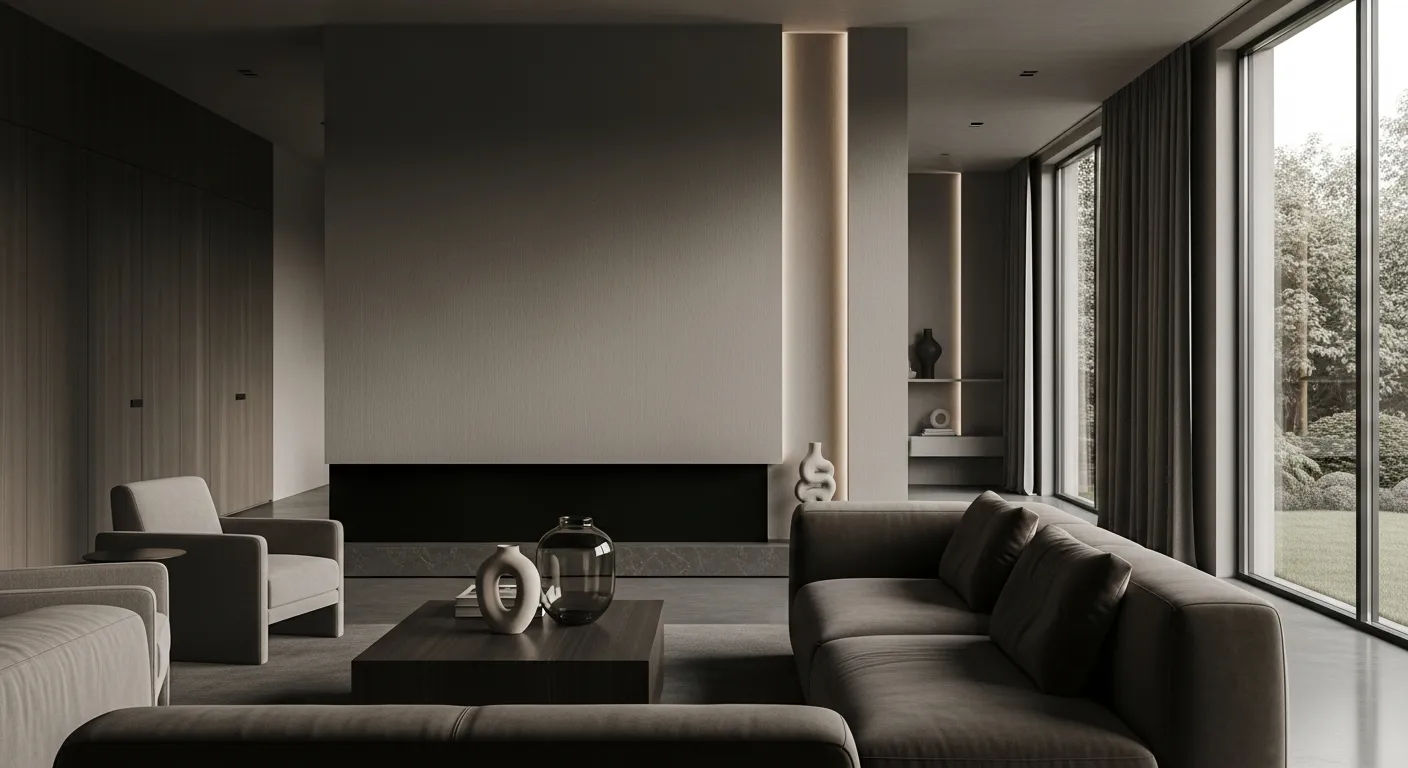
A monochromatic interior is far from boring. It gives a luxurious and expensive feel. It can be quite tedious to coordinate wallpaper, furniture, and decor in the same color palette. Therefore, it is best to offset each item in a slightly different shade within the same color family.
Give Importance to Inlays
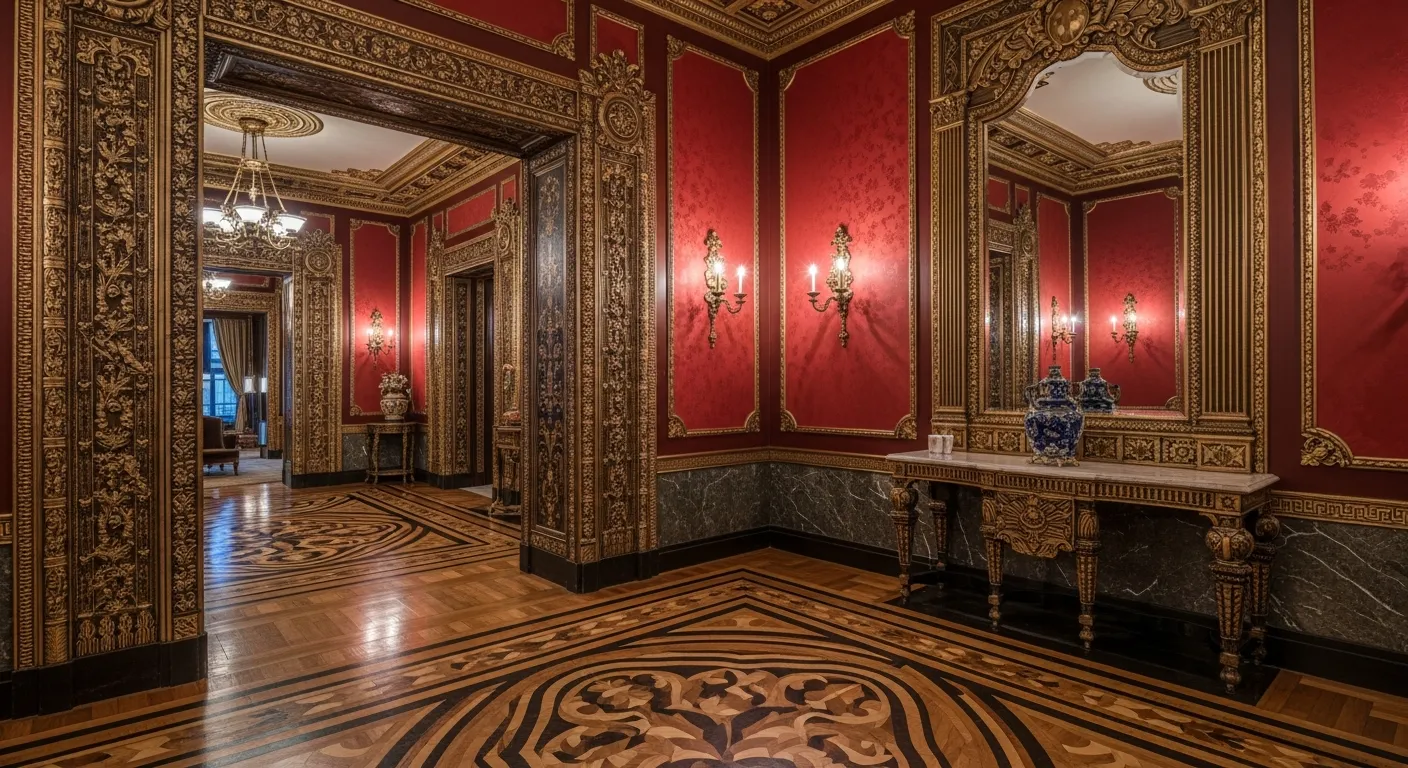
The flair of Art Deco lies in details such as molding, inlays, and floor or wall patterns. They are all usually present at once. A 1929 Art Deco home in Chicago demonstrates this approach, where the interior design sought to capture a sense of place while drawing from the past to establish a distinct vocabulary. The vocabulary incorporates inlays that catch and reflect a rich, two- tone red against steel grey. This allows shadows to form lines that deepen the tonal intrigue of the space.
More is More in Art Deco Style
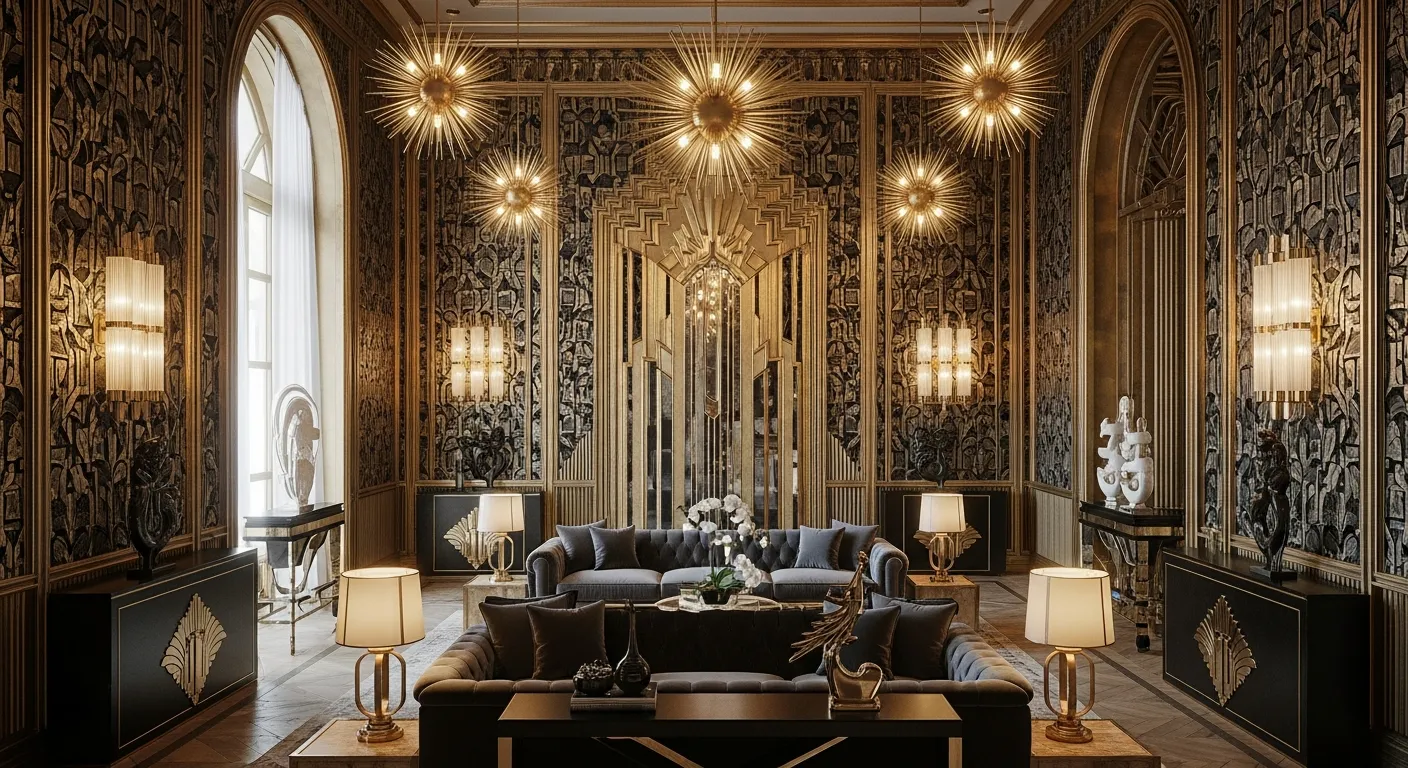
Art Deco represents luxury and richness. Rather than covering a small section, it is best to adorn an entire wall with patterned wallpaper. Homeowners taking inspiration from Art Deco style must make bold choices with lighting and sunburst accents. Mix patterns and incorporate metallic accents and conversation pieces wherever possible. This same bold approach can extend to outdoor entertaining spaces, where dramatic fire table styles can become a statement feature alongside metallic accents and luxurious furnishings.
Conclusion
Art Deco home accessories and style are not simply about reviving an old movement. They are also about confidence and extravagance in design. This style is experimental and is willing to use luxury materials, bold geometry, and high contrast without apology. The Art Deco style is a timeless choice that remains part of the decor for centuries to come.