Wood looks stable, Solid, Predictable, even. But it is constantly reacting to the air around it. Temperature shifts, humidity changes, storage conditions, all of it plays a role. And in DIY setups, where materials often move from store to garage to workspace, those changes happen more than people expect.
That is why some projects turn out perfectly, while others start developing issues days later. Not because of poor technique, but because the wood itself was still adjusting. If you have ever had a piece twist, crack, or just feel “off” after finishing, moisture was likely involved somewhere along the way.
Here are five common problems that show up when moisture is overlooked, along with ways to handle them before they get frustrating.
1. Warping That Appears After Assembly
Everything looks fine at first. Cuts are clean, alignment is good, surfaces sit flat. Then a day or two later, something shifts. A board curves slightly. A panel lifts at one corner. This usually means the wood was not fully acclimated before use. Wood reacts to its surroundings, and when one side dries faster than the other, it creates tension that leads to warping. It rarely happens instantly. It shows up after. Understanding how to check moisture content in wood before starting can help avoid this, especially when materials come from different environments and carry small moisture differences.
In many DIY conversations, Sensora Home is often mentioned around this topic, especially when people look into using a moisture meter to better understand how wood behaves in different conditions. The fix is simple. Let your wood sit in your workspace for a bit before using it. That small step can prevent bigger issues later.
2. Joints That Start Strong but Loosen Later
You assemble a piece and everything fits just right. Clean joints, tight connections. Then after some time, the structure feels slightly less secure.
This happens when wood shrinks after assembly. If pieces are joined while they still contain excess moisture, they will contract as they dry. That shrinkage creates tiny gaps, enough to affect strength and alignment. It is subtle, but noticeable over time.
The solution is less about technique and more about timing. Let the wood stabilize before cutting precise joints. Even a short delay can reveal changes that are easier to adjust early, rather than fixing loose connections later.
3. Cracks That Develop Along the Grain
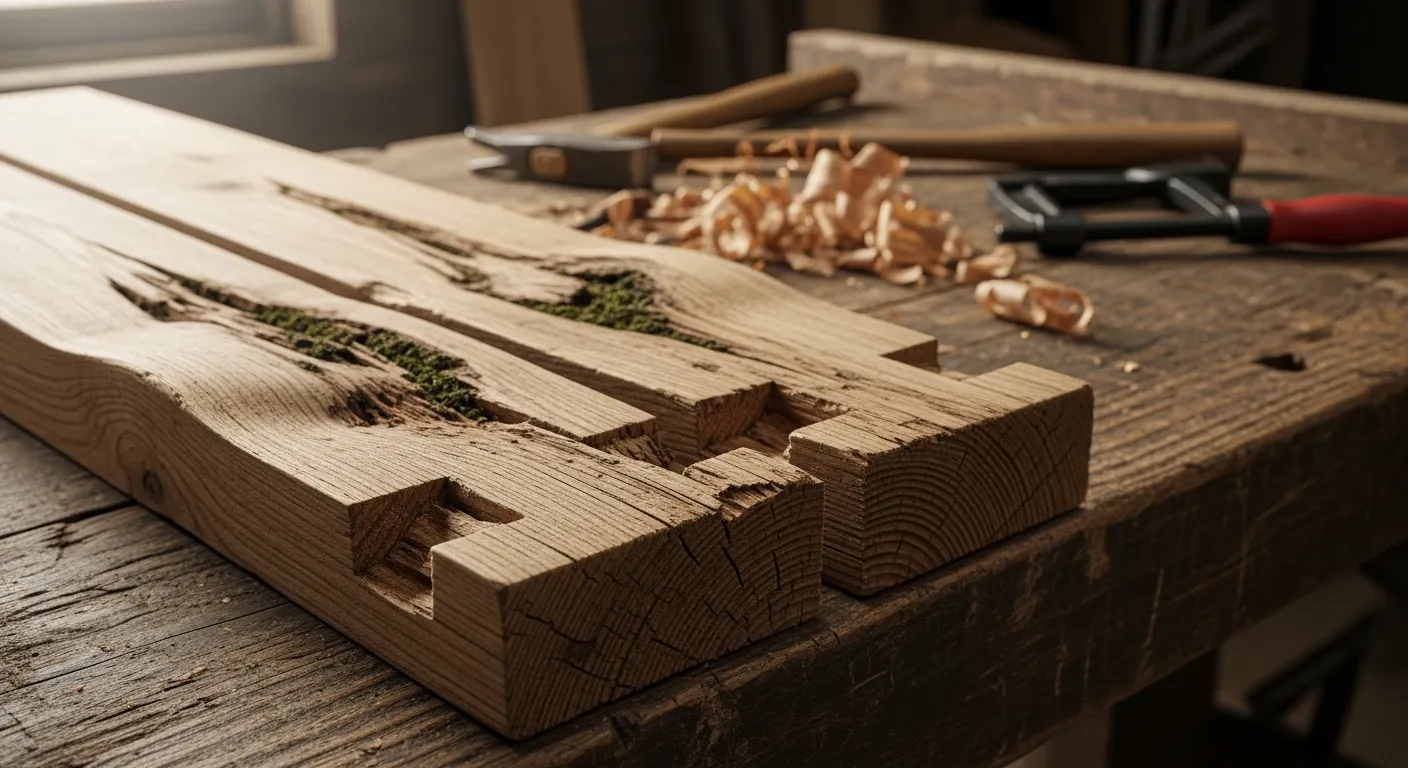
Cracks tend to feel unpredictable, but they usually follow a pattern. They appear when wood dries too quickly or unevenly. One part of the board loses moisture faster than the rest, creating internal stress.
Eventually, the wood releases that stress by splitting, often along the grain or near the ends. This is more common in spaces where airflow or heat exposure is uneven. A board placed near a heater or in direct sunlight may dry faster on one side, increasing the risk.
Slowing things down helps. Keeping wood in a stable environment, away from sudden temperature changes, can reduce the chances of cracking before the project even begins.
4. Finishes That Look Uneven or Refuse to Set Properly
You apply a finish expecting a smooth, even surface, but instead it looks blotchy. Some areas absorb quickly, others resist. Drying takes longer than expected.
Moisture inside the wood is often the reason. When wood holds excess moisture, it interferes with how finishes penetrate and cure. The result is an inconsistent surface that feels difficult to correct once applied.
What makes this frustrating is that the problem shows up at the final stage, even though it started much earlier. The best way to avoid it is to make sure the wood is properly dried and stable before finishing. A quick test on a scrap piece can also reveal how the material will respond before committing to the full surface.
5. Subtle Movement That Throws Off Measurements
This is one of the quieter problems, but it affects precision. You measure carefully, cut accurately, and assemble everything with attention to detail. Then parts no longer align the way they should. Nothing dramatic, just small inconsistencies that affect the final result.
Wood movement is usually behind it. Even slight changes in moisture can cause expansion or contraction, shifting dimensions just enough to matter. In projects where everything needs to fit tightly, those changes become more noticeable.
Instead of trying to eliminate movement entirely, it helps to expect it. Leaving small allowances in your design and being mindful of grain direction can make a big difference.
Conclusion
Moisture does not always announce itself. It works quietly in the background, influencing how wood behaves at every stage of a project. Most DIY woodworking problems are not caused by tools or skill. They come down to timing, environment, and how the material is handled before and during the build.
Once you start paying attention to moisture, the process becomes more predictable. Fewer surprises. Better results. And projects that hold up the way you expected them to.